

Heal Your Hands: Premier Therapy Options Across Brooklyn
Why Your Hands Deserve Expert Care
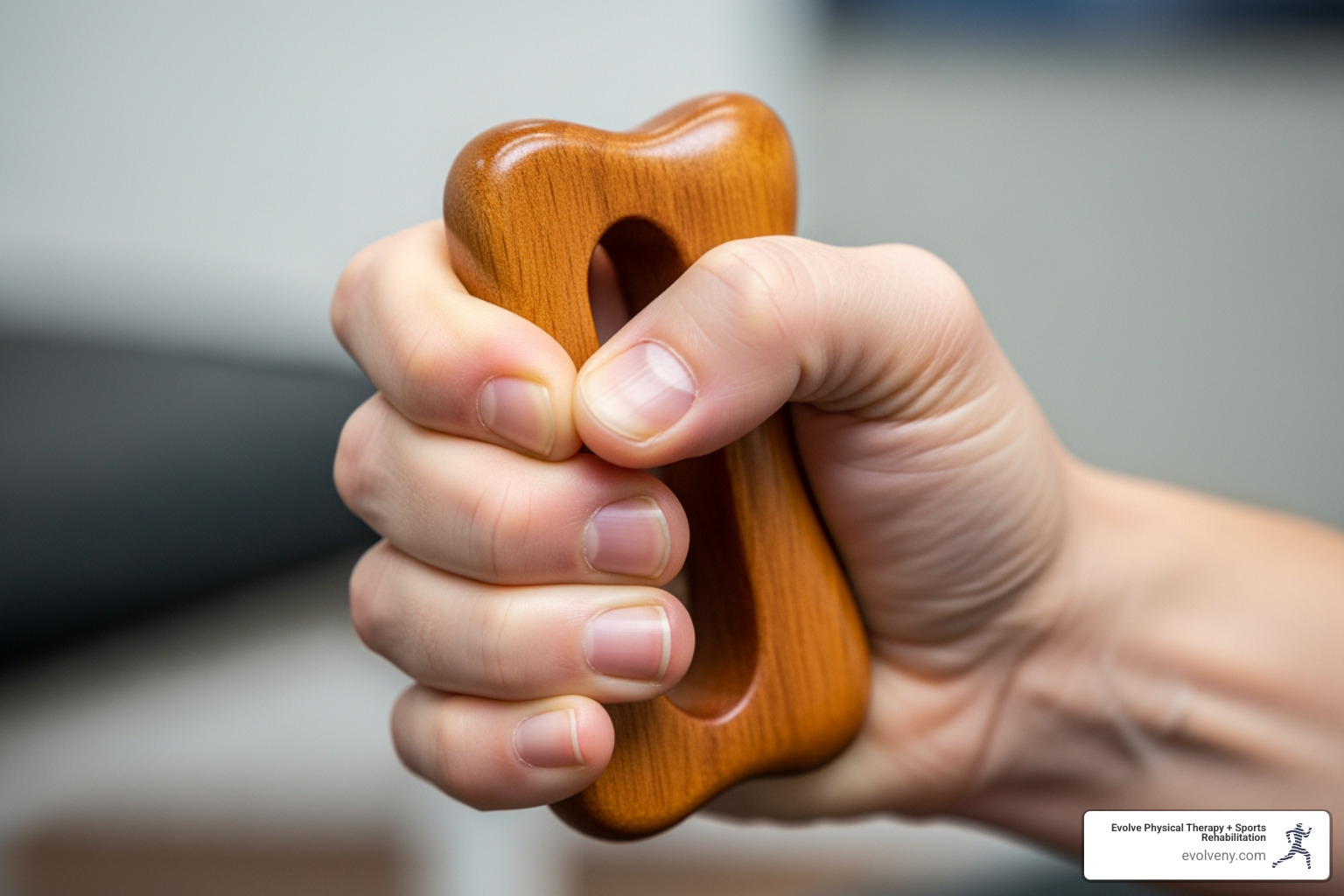
Brooklyn hand therapy provides specialized treatment for injuries and conditions affecting your hands, wrists, elbows, and shoulders. If you're experiencing pain or limited function in your upper extremities, here's what you need to know:
Quick Guide to Brooklyn Hand Therapy:
- What it treats: Carpal tunnel syndrome, arthritis, fractures, tendonitis, trigger finger, post-surgical recovery, sports injuries, and nerve compressions
- Who provides it: Certified Hand Therapists (CHTs) - licensed Physical or Occupational Therapists with specialized training
- Common treatments: Custom splinting, manual therapy, therapeutic exercises, scar tissue management, and ergonomic education
- Timeline: Recovery varies from days to months depending on your condition
- Location options: Multiple clinics across Brooklyn neighborhoods including Park Slope, Marine Park, Mill Basin, Gravesend, and Midwood
As humans, we rely on our hands for all manner of tasks that we usually take for granted - from typing and eating to playing sports and caring for our families. When even one hand hurts, it can stop you from doing many normal daily tasks. Whether you've suffered a workplace injury, developed repetitive strain from computer use, or need post-surgical rehabilitation, hand therapy offers a non-surgical path to recovery.
The good news? Nearly one million hand injuries occur annually, and specialized hand therapy has helped countless people regain full function and return to the activities they love. Brooklyn is home to several hand therapy centers staffed with Certified Hand Therapists who use evidence-based techniques to restore your strength, reduce pain, and improve mobility.
I'm Lou Ezrick, founder of Evolve Physical Therapy in Brooklyn, where I've spent nearly two decades helping patients recover from complex injuries and chronic pain through hands-on manual therapy and customized rehabilitation programs. My experience with Brooklyn hand therapy cases ranges from simple sprains to complex post-surgical recoveries, and I've seen how proper treatment can transform someone's quality of life.
![[object Object]](https://images.bannerbear.com/direct/4mGpW3zwpg0ZK0AxQw/requests/000/116/900/541/KPbegp4noQkDXgwKYlVkN03vE/ee040637b67a1afc58f42b5d3399a5b213e46c42.jpg "[object Object]")
Understanding Hand Therapy: Your Path to Recovery
When you think about hand therapy, you might picture someone working on just your fingers. But here's the thing: Brooklyn hand therapy actually covers much more ground than that. It's a specialized form of rehabilitation that treats the entire upper extremity—from your fingertips all the way up through your wrist, forearm, elbow, and shoulder.
Why such a broad focus? Because everything in your upper body is connected. A problem with your shoulder can affect how your hand functions, and vice versa. Hand therapy takes this whole-body approach to get you moving properly again.
The beautiful part about hand therapy is that it's completely non-surgical. Instead of going under the knife, you're working with skilled therapists who use targeted techniques to reduce your pain and restore function. The goal is simple: help you get back to doing the things you love—whether that's playing piano, working at your computer, cooking family dinners, or throwing a baseball with your kids.
At Evolve Physical Therapy + Sports Rehabilitation, we believe healing happens when you're an active partner in your recovery. Our Brooklyn hand therapy program focuses on understanding your specific situation and building a treatment plan around your life and goals. An injury anywhere along your upper extremity can throw your whole routine off balance, and we're here to help you find your way back.
Hand therapy is provided by licensed Occupational Therapists (OTs) or Physical Therapists (PTs) who've gone beyond their basic training to specialize in the intricate workings of the upper limb. These aren't just general therapists—they've invested serious time learning the complex anatomy and biomechanics of your hands, wrists, arms, and shoulders.
What makes this approach especially effective is the collaboration. Your hand therapist works directly with your referring physician to ensure everyone's on the same page about your recovery. This team approach means you're not just getting isolated treatment—you're getting coordinated care designed specifically for you.
Find more info about what hand physical therapy is and how it can help you.
The Gold Standard: Certified Hand Therapists (CHTs)
You might hear the term "Certified Hand Therapist" or CHT when exploring Brooklyn hand therapy options. This isn't marketing fluff—it's a credential that represents the highest level of expertise in the field.
A Certified Hand Therapist is an Occupational or Physical Therapist who's earned a prestigious certification from the Hand Therapy Certification Commission (HTCC). Think of it as the difference between a good cook and a master chef. Both can make you dinner, but one has proven expertise at the highest level.
Here's what it takes to become a CHT: First, you need at least three years of clinical experience as a therapist. But not just any experience—you must complete 4,000 hours or more of direct hands-on practice specifically in hand therapy. That's roughly two full years of doing nothing but treating upper extremity conditions.
Then comes the hard part: passing a rigorous certification examination that tests advanced knowledge of everything related to the upper extremity. We're talking about anatomy, biomechanics, pathology, assessment techniques, and treatment protocols. Only therapists who demonstrate mastery of these complex topics earn the CHT credential.
What does this mean for you? When you work with a CHT, you're getting someone who truly understands the intricate structures of your hands and arms. They've treated countless patients with conditions ranging from simple sprains to complex post-surgical rehabilitation, and they know how to steer the challenges that can arise during recovery.
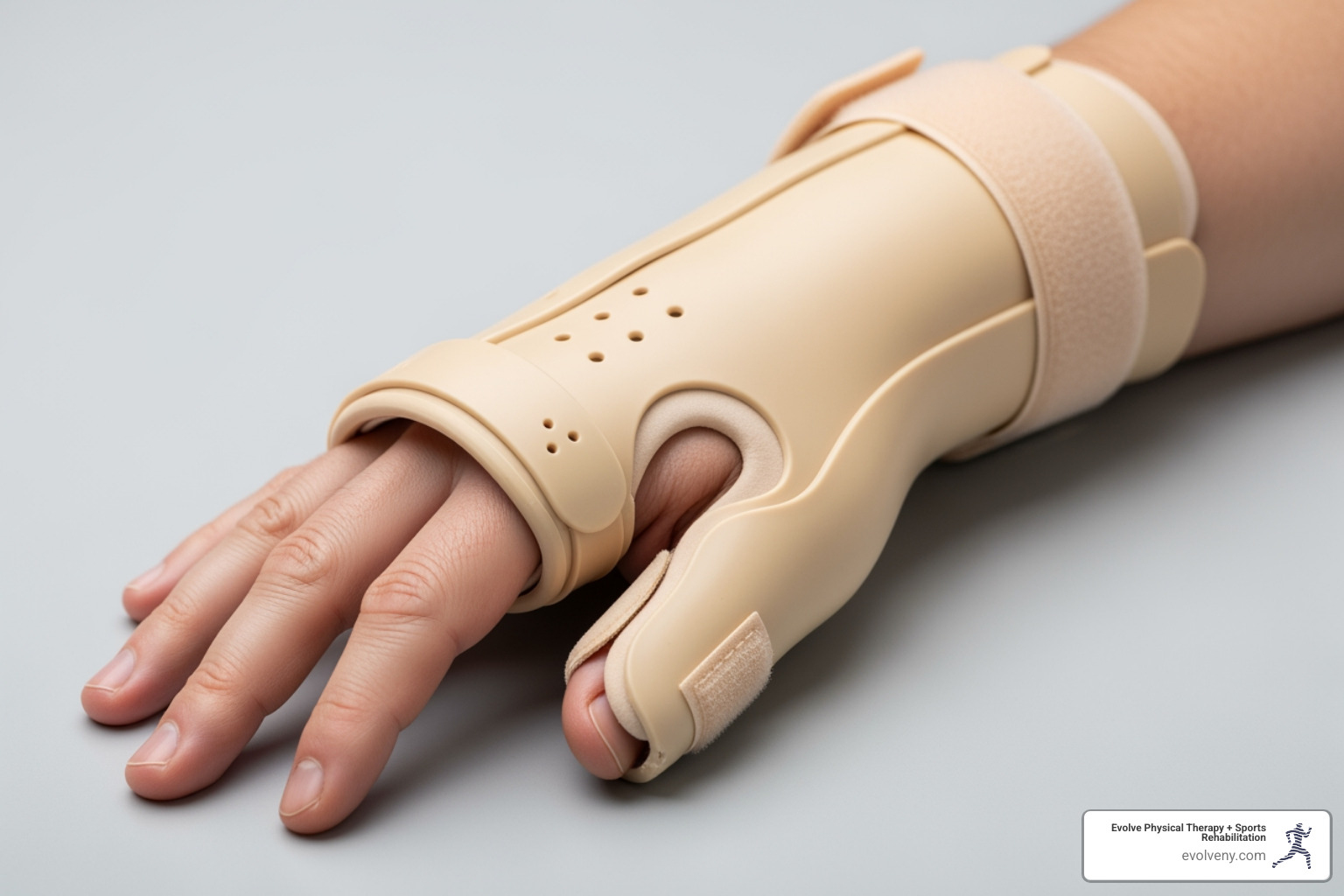
One specialized skill that sets CHTs apart is custom splint fabrication. These aren't the generic braces you pick up at a pharmacy. Our CHTs at Evolve Physical Therapy + Sports Rehabilitation create custom orthoses custom precisely to your hand, your condition, and your recovery goals.
These custom splints serve different purposes depending on what you need. Some stabilize a fracture while it heals. Others protect a healing tendon from overstretching. Still others gently correct alignment issues or prevent unwanted movements while you sleep. Each one is carefully molded to fit your unique anatomy, providing the exact support you need—nothing more, nothing less.
This level of specialized knowledge and hands-on expertise means you're receiving care from professionals who've dedicated their careers to understanding the complexities of hand and upper extremity rehabilitation. When you're dealing with something as important as your ability to use your hands, that expertise makes all the difference.
Conditions That Benefit from Specialized Hand Therapy
Your hands are remarkable tools, but their complexity makes them vulnerable to injury and disease. Think about it: twenty-seven bones in each hand, dozens of muscles, tendons, and ligaments, all working together to let you type, cook, play guitar, or give someone a high-five. When something goes wrong anywhere from your fingertips to your shoulder, it can derail your entire day.
That's where specialized hand therapy comes in. Whether you're dealing with the aftermath of a workplace accident where you caught your hand in machinery, a sports injury from that weekend basketball game, or the gradual creep of a repetitive strain injury from years at a computer, hand therapy offers real solutions. We also work extensively with patients recovering from post-surgical procedures, helping them regain strength and mobility after operations on their hands, wrists, elbows, or shoulders.
Common Conditions Treated with Brooklyn Hand Therapy
At Evolve Physical Therapy + Sports Rehabilitation, we've seen just about every upper extremity problem you can imagine. Our Brooklyn hand therapy services address everything from sudden injuries to conditions that develop slowly over time.
Arthritis is one of the most common reasons people seek our help. Whether you're dealing with osteoarthritis wearing down your joints or rheumatoid arthritis causing inflammation, we create custom exercise programs, use manual therapy techniques, and teach activity modifications that help you manage pain and keep doing what you love.
If you're experiencing numbness and tingling in your hand, especially at night, you might be dealing with Carpal Tunnel Syndrome. This condition responds remarkably well to hand therapy. We use splinting to keep your wrist in the optimal position, teach you ergonomic adjustments for your workspace, and guide you through exercises that reduce pressure on the median nerve.
Trigger Finger can be frustrating—your finger catches or locks when you try to straighten it, sometimes with an audible pop. We treat the underlying inflammation of the tendon sheath through targeted exercises, splinting, and manual techniques that help restore smooth gliding motion.
Various forms of tendonitis bring many patients through our doors. De Quervain's Tenosynovitis affects the thumb side of your wrist and makes activities like lifting your baby or opening jars painful. We also treat tennis elbow, golfer's elbow, and other tendon inflammations throughout the forearm and elbow. Our approach focuses on reducing inflammation, improving flexibility, and gradually strengthening the affected tissues so they can handle daily demands.
Dupuytren's Contracture is a condition where tissue under the palm thickens and contracts, gradually pulling your fingers into a bent position. Hand therapy plays a crucial role in managing symptoms, maintaining range of motion, and supporting your recovery if you've had medical interventions like injections or surgery.
Nerve compressions and injuries can cause anything from annoying tingling to debilitating pain and weakness. Cubital Tunnel Syndrome, which affects your pinky and ring finger with that "pins and needles" feeling, responds well to specific exercises and nerve gliding techniques. We also treat other nerve injuries throughout the upper extremity, helping you regain sensation and movement.
When you've broken a bone in your hand, wrist, or elbow, or suffered a sprain or ligament injury, proper rehabilitation is essential. We work with you from the early stages of healing through full recovery, managing pain and swelling, then progressively restoring your strength and mobility. Mallet finger (where you can't straighten your fingertip) and finger dislocations require specialized care to ensure proper healing, and we provide exactly that.
Finally, if you've had surgery on your hand, wrist, elbow, or shoulder, our post-surgical rehabilitation programs guide you through structured recovery. We optimize healing, manage scar tissue formation, and help you regain full strength and mobility so you can return to your normal activities with confidence.
The Brooklyn Hand Therapy Process: From Evaluation to Results
When you walk through our doors at Evolve Physical Therapy + Sports Rehabilitation, you're not just getting a generic treatment protocol. We believe that your hand injury or condition is as unique as you are, which is why we build individualized treatment plans custom to your specific needs, lifestyle, and goals.
Think of us as your partners in recovery. We're not here to simply prescribe exercises and send you on your way. Instead, we work with you, teaching you about your condition, involving you in decisions about your care, and giving you the tools and knowledge you need to take an active role in your healing. Our focus is always on two things: healing the injury and strengthening your hand so you can return to the activities that matter most to you.
Whether you're recovering from hand surgery or trying to avoid it altogether, our specialized rehabilitation programs are designed to support you through every stage. Explore our hand surgery rehab services in Brooklyn.
What to Expect from Your Brooklyn Hand Therapy Evaluation
Your first visit sets the foundation for everything that follows. We dedicate significant time to this initial consultation because understanding your complete picture helps us create the most effective treatment plan possible.
During your evaluation, we'll start with a thorough medical history review. We want to know about any previous injuries, surgeries you've had, and medications you're taking. But we also dig deeper into your daily life. What does your typical day look like? What activities are you struggling with? Are you a musician who can't play anymore? A carpenter who can't grip tools? A parent who has trouble lifting your child? These details matter immensely because your recovery goals should reflect what's important to you.
Next comes the physical examination. Our therapists will carefully assess your upper extremity, looking at how well your joints move, testing your muscle strength, and checking nerve function. We might ask you to perform certain movements or tasks while we observe. Don't worry if some of these tests feel a bit uncomfortable—we're looking for specific information about what's limiting your function.
We'll also conduct an assessment of strength and sensation. Using specialized tools, we'll measure your grip strength and pinch strength. We'll test sensation in your hand and fingers, checking for areas of numbness or hypersensitivity. Nerve involvement plays a significant role in many hand conditions, so understanding your sensory function helps us target treatment more effectively.
An important part of your evaluation is the Activities of Daily Living (ADL) status check. We'll talk through specific tasks that most people take for granted—things like buttoning a shirt, opening jars, typing on a keyboard, or holding a coffee cup. Understanding exactly which movements cause you difficulty helps us focus on exercises and techniques that will make the biggest difference in your daily life.
Finally, we'll work together on goal setting. Based on everything we've learned during your evaluation and what matters most to you, we'll establish realistic, meaningful goals for your therapy. Maybe you want to return to playing tennis, or perhaps you just want to be able to tie your shoes without pain. Whatever your goals are, they become our roadmap for your recovery.
Advanced Treatments and Techniques
Once we understand your condition and goals, we'll create a personalized treatment plan using a variety of evidence-based techniques. Every Brooklyn hand therapy program at Evolve is different because every patient is different.
Manual therapy forms the foundation of much of what we do. This hands-on approach means your therapist uses their hands to mobilize stiff joints, release tight tissues, and reduce pain. It's not just massage—it's skilled, precise work that targets specific structures in your hand, wrist, and arm. Manual therapy improves circulation, reduces swelling, and helps restore normal movement patterns.
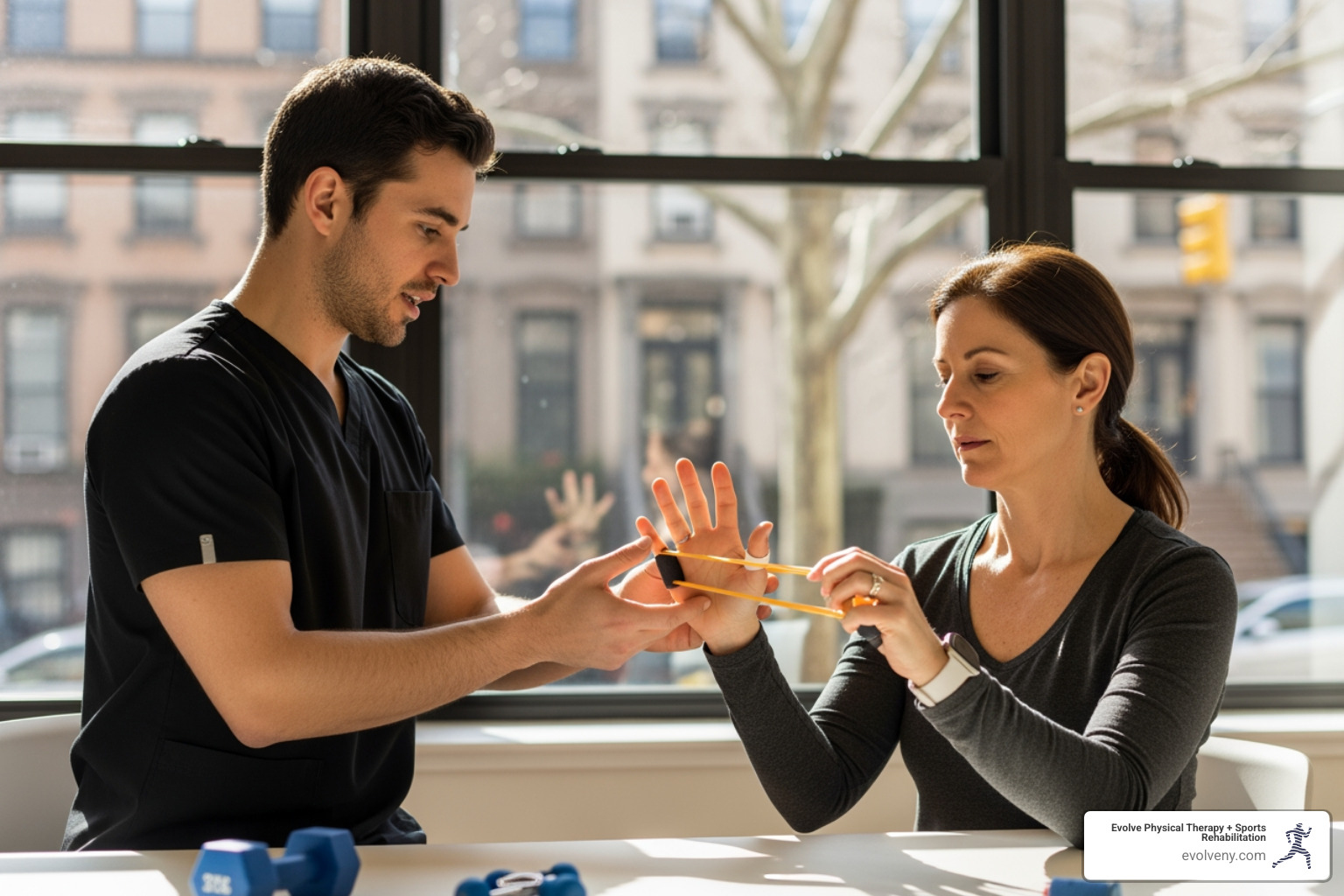
We'll also guide you through therapeutic exercises specifically designed for your condition. These aren't random stretches—they're targeted movements that improve your range of motion, rebuild strength, and restore coordination and dexterity. You might work with therapy putty to strengthen your grip, use resistance bands to build muscle, or practice fine motor tasks to improve precision. We'll teach you how to do these exercises correctly and give you a home program so your recovery continues between visits.
Custom orthoses and splinting is an area where our Certified Hand Therapists truly shine. Unlike generic splints you might buy at a pharmacy, custom-fabricated splints are molded specifically to your hand and your condition. These devices can stabilize fractures while they heal, protect surgically repaired tendons, correct deformities, or provide support during activities. The right splint at the right time can make an enormous difference in your recovery.
After surgery or a significant injury, scar tissue management becomes crucial. Scar tissue can limit your movement and cause discomfort long after the initial injury has healed. We use specialized massage techniques, stretching, and sometimes tools like silicone gel sheets to soften and remodel scar tissue. This helps restore normal tissue mobility and reduces that tight, pulling sensation many people experience.
Kinesio taping is a colorful addition to your treatment that serves a real purpose. This elastic therapeutic tape supports muscles and joints, reduces swelling, and alleviates pain—all without restricting your movement the way traditional athletic tape does. It's particularly useful for providing gentle support between therapy sessions.
For conditions affecting your nerves, sensory retraining helps your nervous system relearn normal sensation. Through specific exercises and techniques, we can improve your ability to discriminate between different textures and temperatures, reduce hypersensitivity, and help restore normal feeling to your hand.
Finally, we provide ergonomic education because preventing future problems is just as important as fixing current ones. We'll teach you how to modify your workspace, adjust your computer setup, and change how you perform certain tasks to reduce strain on your hands and upper extremities. Small changes in how you work, type, or lift can prevent injuries from recurring and help manage chronic conditions more effectively.
Explore more about hand therapy categories and techniques we offer.
The combination of these techniques, custom to your specific needs, creates a comprehensive approach that addresses not just your symptoms but the underlying causes of your hand problems. And throughout your entire treatment, we're right there with you, adjusting your program as you progress and celebrating each milestone along the way.
Frequently Asked Questions about Hand Therapy
When you're dealing with hand pain or an injury, you probably have plenty of questions swirling around in your mind. We hear them every day at our Brooklyn clinic, and we want to make sure you feel informed and comfortable before you even walk through our doors. Here are the most common questions people ask about Brooklyn hand therapy, answered honestly and clearly.
How long does hand therapy typically take?
I wish I could give you a simple answer like "six weeks" or "three months," but the truth is that every person's healing journey is unique. Your recovery timeline depends on what's going on with your hand, how severe the injury or condition is, your overall health, and how consistently you follow through with your home exercises.
Some of our patients with minor sprains or mild carpal tunnel syndrome notice real improvement within just a few days to weeks. Others dealing with more complex issues—like recovering from surgery or managing chronic arthritis—may need several months of therapy to reach their goals. It's not a race, though. What matters most is that you're making steady progress toward getting back to the activities you love.
During your initial evaluation, we'll give you a realistic timeline based on your specific situation. We'll also talk about the factors that can speed up or slow down your recovery. Here's what I can tell you for certain: consistency matters tremendously. The patients who do their prescribed exercises at home, follow our activity modification recommendations, and show up to their sessions tend to recover faster and more completely. Think of it as a partnership—we provide the expertise and guidance, but you're the one doing the important daily work of healing.
Is hand therapy painful?
This is probably the number one concern we hear, and it's completely understandable. After all, your hand already hurts—why would you want someone poking and prodding it? Here's the reassuring truth: the entire goal of hand therapy is to reduce your pain, not add to it.
Now, I'll be honest with you. As we work to restore your range of motion or strengthen muscles that have been weak or inactive, you might experience some discomfort. This is different from pain, though. It's more like the feeling you get when you stretch a tight muscle—a sensation of effort or mild challenge, not sharp or intense pain. We always explain the difference to our patients: discomfort often means we're working at the edge of your current abilities, which is where healing happens. Pain, on the other hand, is your body's alarm system telling us to back off.
Communication is absolutely essential here. If something we're doing feels genuinely painful, we want you to speak up immediately. There's no need to be tough or push through real pain. Our therapists are experts at modifying exercises and techniques to keep you comfortable while still making progress. We might adjust the intensity, try a different approach, or slow down the pace. Your recovery should challenge you, but it should never leave you dreading your next appointment.
Do I need a doctor's referral to see a hand therapist in Brooklyn?
This is a great question, and the answer might surprise you. In New York State, we have what's called "Direct Access" laws, which means you can often come see us for an evaluation and treatment without getting a referral from your doctor first. This is fantastic if you want to get started on your recovery right away without waiting for a doctor's appointment.
That said, there's an important caveat: your insurance company might have different rules. Some insurance plans still require a physician's referral or prescription before they'll cover physical therapy services. We know insurance can be confusing (believe us, we deal with it every day), so we're always happy to help you figure out what your specific plan requires. Just give us a call, and we can check your benefits and let you know what documentation you'll need.
Even though direct access allows you to come straight to us, we're big believers in teamwork when it comes to healthcare. We often work closely with your referring physician, especially for complex conditions or if you're recovering from surgery. This collaboration ensures everyone's on the same page about your treatment plan, and it means your doctor stays informed about your progress. It's all about giving you the most comprehensive care possible. If you have questions about referrals or how to coordinate with your healthcare team, just ask—we're here to help you steer through it all.
Finding Your Path to Healing in Brooklyn
Your hands are extraordinary tools that deserve equally extraordinary care. When injury or pain strikes, finding the right support can make all the difference between a frustrating recovery and getting back to the life you love.
At Evolve Physical Therapy + Sports Rehabilitation, we understand that choosing where to receive Brooklyn hand therapy is an important decision. You're not just looking for any treatment—you're looking for a team that truly understands the intricate workings of your hands, wrists, and upper extremities.
The best hand therapy clinics share certain qualities that set them apart. Certified Hand Therapists (CHTs) on staff is perhaps the most important factor, ensuring you're working with professionals who've dedicated years to mastering their specialty. An individualized approach matters too, because your injury and your life circumstances are unique. What works for one person might not be the right solution for you.
Look for a clinic that believes in a hands-on methodology—quite literally. Effective hand therapy often requires skilled manual techniques and direct interaction with your therapist, not just exercises on a sheet of paper. You also want comprehensive services under one roof, from custom splint fabrication to therapeutic exercises, ergonomic education to scar tissue management.
We're proud to offer all of this and more at our conveniently located clinics throughout Brooklyn, including Marine Park, Mill Basin, Park Slope, Gravesend, and Midwood. Our team of dedicated CHTs and physical therapists combines expert knowledge with genuine care, creating a supportive environment where healing happens naturally.
We've spent nearly two decades helping Brooklyn residents recover from hand injuries and conditions, from simple sprains to complex post-surgical rehabilitation. Every day, we see people regain abilities they thought they'd lost—typing without pain, playing guitar again, lifting their grandchildren, returning to their favorite sports.
Your hands have carried you through life's most important moments. Let us help you get them back to full strength.
