

Parkinson's Support Simplified: Where to Find Help
Why Finding Parkinson's Disease Support Matters
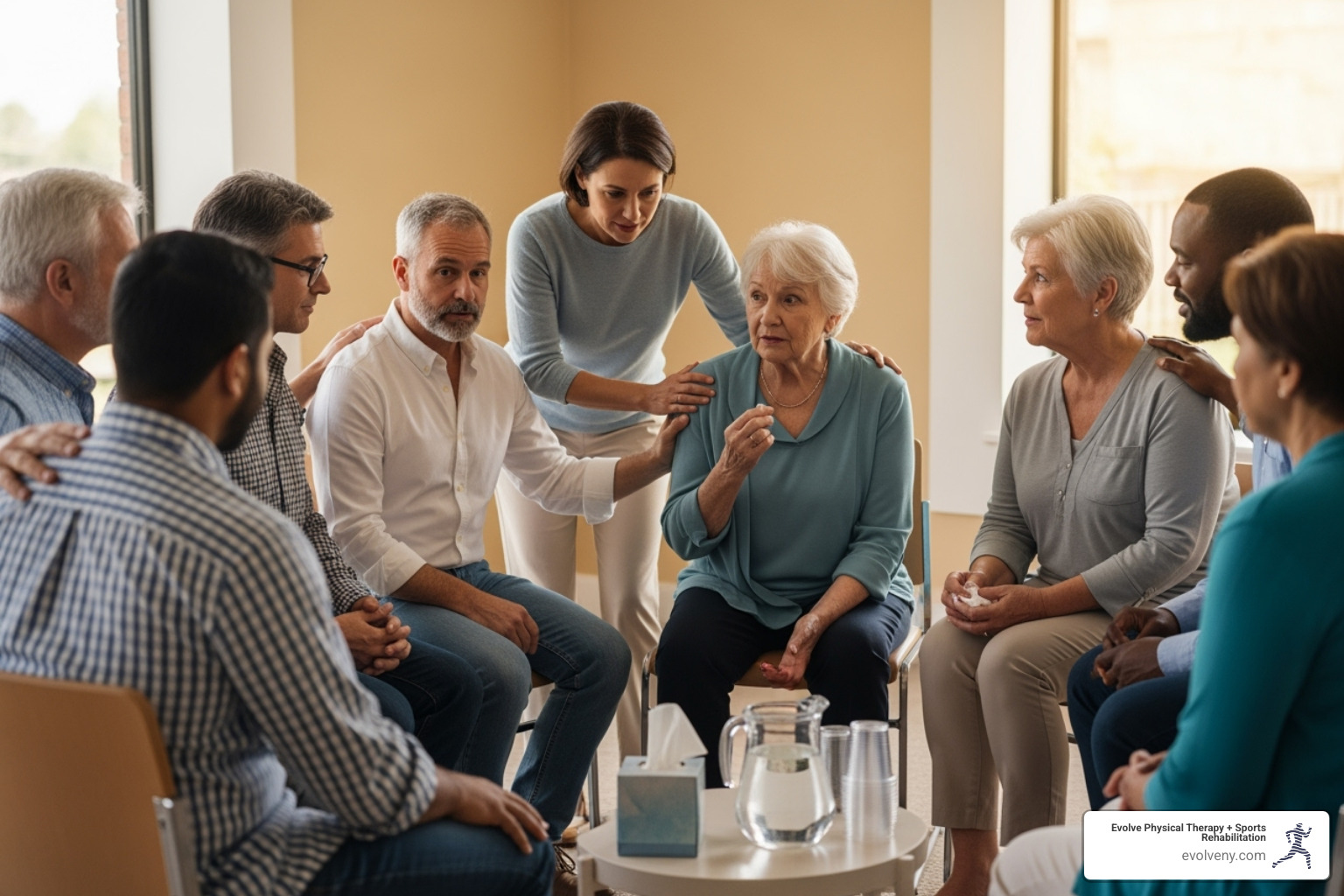
Parkinson's disease support comes in many forms, and knowing where to start can make all the difference in how you steer this journey. Here's what you need to know:
Quick Access to Support:
- National Helplines: Parkinson's Foundation (1-800-4PD-INFO), Parkinson Canada (1-888-664-1974)
- Support Groups: 120+ community groups across Canada, local and virtual options across the U.S.
- Online Communities: PD Conversations, CareFinder tool, peer mentorship programs
- Local Resources: Contact helplines for referrals to nearby specialists, support groups, and exercise programs
- Care Partner Support: Dedicated resources, counseling, and respite services available through major organizations
Parkinson's disease is a progressive neurological condition affecting movement and daily life. It occurs when dopamine-producing brain cells, which control movement, begin to die. This leads to common symptoms like tremors, stiffness, and balance issues, but it can also impact mood, sleep, and thinking.
Most importantly, you don't have to face this alone. Living with Parkinson's can feel overwhelming, but building a strong support network of medical professionals, peers, and educational resources is essential. This network is vital for both people with Parkinson's and their care partners as needs evolve.
With over 110,000 people living with Parkinson's in Canada alone, each journey is unique. The common thread is that the right support makes it possible to live well with Parkinson's. Whether you need emotional encouragement, practical advice, or just someone who understands, support is available.
As Lou Ezrick, founder of Evolve Physical Therapy in Brooklyn, I've spent years helping people with movement disorders maintain their independence and quality of life, including those seeking comprehensive Parkinson's disease support through specialized physical therapy and active rehabilitation programs. Throughout this guide, I'll walk you through the many types of support available and how to access them.
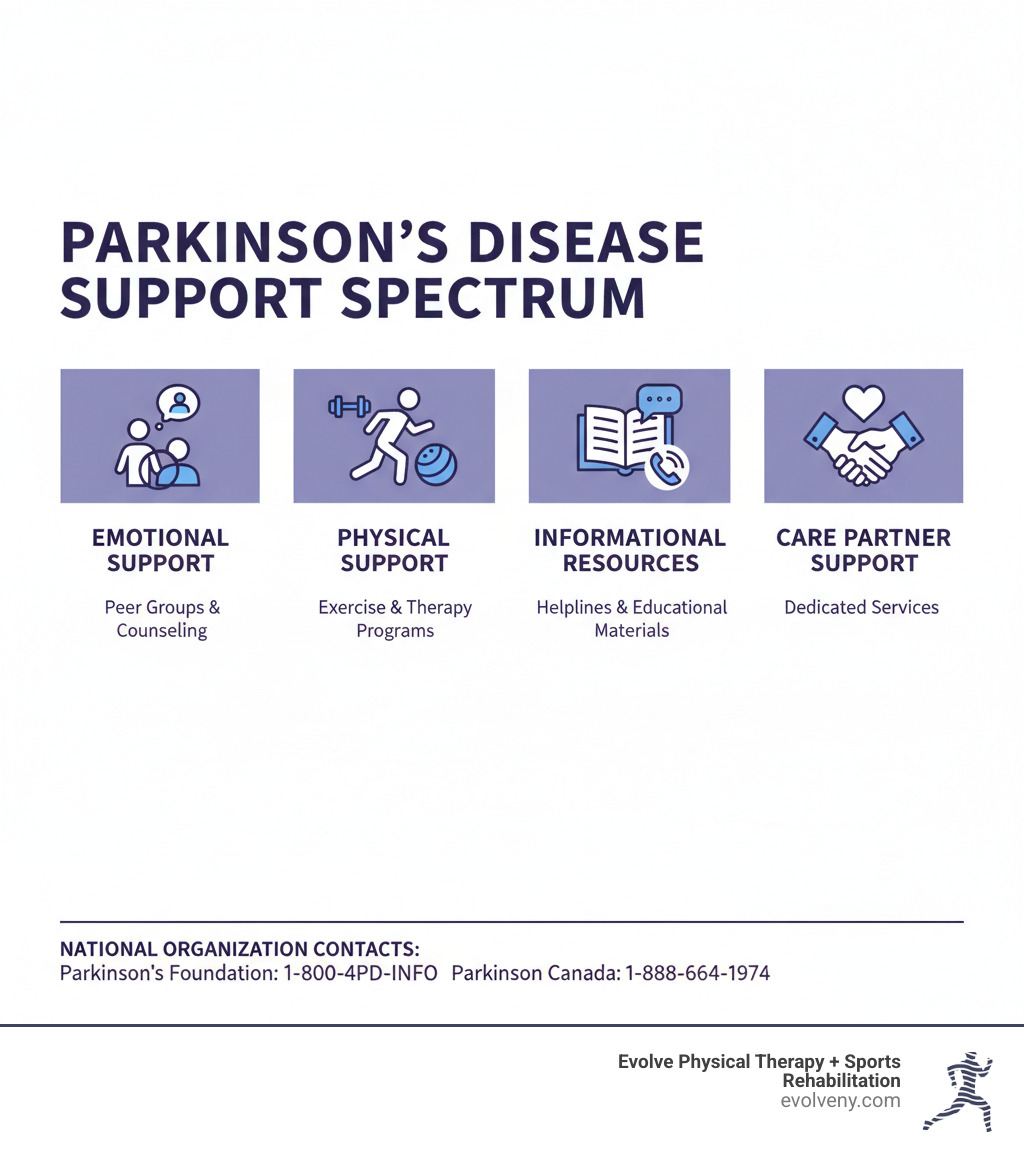
The Spectrum of Support: More Than Just Medical Advice
While medical care is essential, true Parkinson's disease support is a full spectrum that addresses every part of your life. It's about finding emotional, physical, informational, and even spiritual comfort.
- Emotional support provides a safe space to share experiences with peers or professionals.
- Physical support includes practical help and therapeutic interventions, like the specialized physical therapy we offer at Evolve Physical Therapy, to maintain independence.
- Informational resources empower you to make confident decisions about your care.
- Spiritual support can offer comfort through faith or spiritual practices.
- Peer mentorship pairs you with someone who has been there and can offer practical tips and encouragement.
This comprehensive approach recognizes that Parkinson's affects the whole person—body, mind, and spirit—and that care partners need support, too.
Emotional and Peer Connections
Isolation is one of the toughest parts of living with Parkinson's. The symptoms can be unpredictable and hard to explain to others. This is why emotional and peer connections are so powerful. Sharing your story with someone who gets it—whether it's about medication timing, freezing episodes, or daily frustrations—makes you realize you're not alone. One person shared: "Being able to meet people from so many walks of life to discuss what we have in common is so good for me."
These connections build emotional strength and create a community of empathy. Care partners also benefit by swapping coping strategies and finding a judgment-free zone, which helps prevent burnout and strengthens their relationships.
You can find these connections in several ways:
- Local support groups: Parkinson Canada, for example, has a network of 120 community groups offering virtual, in-person, or hybrid meetings, some for specific needs like early-onset PD.
- Online forums: For those who prefer privacy or can't travel, communities like the Parkinson's Foundation's "PD Conversations" are a great option. Explore more at our guide to Online Support Groups for Parkinson's Disease.
- Telephone support groups: An excellent choice for those who prefer talking on the phone.
- 1:1 peer support programs: These match you with a trained mentor for personalized guidance.
These connections offer more than just talk; they provide a resilient, supportive community.
Physical and Active Support
While emotional connections nurture your spirit, physical activity keeps your body strong. Parkinson's disease support through movement is essential. Staying active is a powerful way to fight motor symptoms like poor gait and balance, and it can also help with non-motor issues like low mood and poor sleep.

Physical therapy is foundational. Specialized therapists design personalized programs targeting your challenges with gait, balance, strength, and flexibility to reduce fall risk and combat stiffness. We also offer LSVT BIG® therapy, an intensive program that retrains the brain to make bigger, more normal-sized movements.
A particularly exciting program is Rock Steady Boxing. This non-contact boxing workout is incredibly effective, improving balance, speed, and agility. Our Parkinson's Boxing Classes empower people to fight back against their symptoms. In fact, our Rock Steady Boxing for Parkinson's Disease NYC program was featured on NBC Nightly News for its profound impact.
Beyond formal therapy, community exercise classes like dance or Tai Chi make staying active fun and social.
Informational and Educational Resources
Knowledge is power when navigating a complex condition like Parkinson's. Understanding your body and treatment options helps you feel more in control. Major Parkinson's organizations offer extensive, free educational resources:
- Webinars and podcasts: Learn from experts at home. The Parkinson's Foundation offers podcasts on topics from new treatments to symptom management.
- Educational presentations: Organizations like the Parkinson Association of Alberta host deep dives into specific topics.
- The PD Library: The Parkinson's Foundation's comprehensive online library is organized by topic, offering detailed information for every stage of the journey.
- Hospital Safety Guide: This guide from the Parkinson's Foundation provides tools to help you prepare for and steer hospital stays, where medication timing is critical.
- Research and treatment updates: Stay current to have informed conversations with your healthcare team. We explore this in our article, Is There Treatment for Parkinson Disease.
- Magazines and newsletters: These publications offer information, inspiration, and real-life stories.
These resources are designed for everyone touched by Parkinson's, including family, care partners, and healthcare professionals.
Major Organizations Offering Parkinson's Disease Support
When seeking Parkinson's disease support, knowing the major organizations can make a huge difference. Across North America, dedicated groups offer resources, education, and community, each with a unique focus. Some are national with vast online resources, while others emphasize local connections. Understanding their offerings helps you build the best support system.
- The Parkinson's Foundation (U.S.): Offers a comprehensive helpline for local referrals, an extensive PD Library, a Hospital Safety Guide, and the PD Conversations online community. Most services are free.
- Parkinson Canada: Features a nationwide network of 120 community support groups (virtual, in-person, and hybrid), a 1:1 peer support program, and a CareFinder tool to locate local resources. Their support line is free.
- Parkinson Association of Alberta: Provides presentations, counseling, and telephone support groups for those in Alberta and the Northwest Territories. An annual membership fee ($35 primary, $15 secondary) open ups their full program.
You don't have to choose just one; combining national resources with local groups is often the most effective approach.
The Parkinson's Foundation (U.S.)
In the United States, the Parkinson's Foundation is a primary source for Parkinson's disease support. Their standout feature is the helpline (1-800-4PD-INFO or Helpline@Parkinson.org), staffed by specialists who provide answers and connect you with local experts like neurologists and physical therapists.
Key resources include:
- PD Library: A comprehensive, topic-organized encyclopedia for every stage of Parkinson's.
- Hospital Safety Guide: An essential tool I recommend to patients for navigating hospital stays, where medication timing and specific PD needs are critical.
- PD Conversations: An online community for people with Parkinson's and care partners to share experiences in a judgment-free zone.
The Foundation also provides dedicated resources for care partners and healthcare professionals, funds research, and advocates for better policies. Explore all they offer at Resources & Support.
Parkinson Canada
Parkinson Canada is the national voice for Canadians with Parkinson's, offering a coast-to-coast support network.
Their key offerings include:
- 120 community support groups: These safe havens offer in-person, virtual, and hybrid meetings. They provide specialized groups for early-onset and newly diagnosed individuals, addressing unique challenges.
- 1:1 peer support program: This program matches you with a trained volunteer mentor who has lived experience with Parkinson's and can offer personal guidance.
- CareFinder tool: An easy-to-use online tool to locate support groups and services in your area.
You can also contact their support line at 1-888-664-1974 or support@parkinson.ca for information on everything from diagnosis to medication management. As a major funder of Parkinson's research, they are also committed to finding a cure. Learn more at Find support in community.
Finding Local Parkinson's Disease Support Groups
Connecting with a local Parkinson's disease support group provides a powerful blend of emotional support, practical advice, and friendship. These groups offer more than just meetings; they build community through social outings, exercise classes, and shared experiences.

Finding a local group is straightforward:
- Contact national helplines: Call the Parkinson's Foundation (1-800-4PD-INFO) or Parkinson Canada (1-888-664-1974). Their specialists can provide direct referrals.
- Use online search tools: Parkinson Canada's CareFinder and the Parkinson's Foundation's "Your Area" section map out local resources.
- Ask your healthcare team: Your neurologist or physical therapist is a great resource. At Evolve Physical Therapy, we regularly connect our patients in Brooklyn—from Marine Park to Park Slope—with helpful local groups.
- Check community hubs: Local hospitals, community centers, and places of worship often host groups.
The camaraderie in a local group can transform your experience, reminding you that you have a community at your back. We've written more about how Parkinson's Disease Support Groups empower people to live fuller lives.
The Care Partner's Journey: Support for the Supporters
We must not forget the unsung heroes of the Parkinson's journey: the care partners. Caregiving is a dynamic role with unique emotional, spiritual, and physical demands.

As Parkinson's progresses, a care partner's role evolves from occasional assistance to managing medications, daily tasks, and constant emotional support. This can be rewarding but also challenging, bringing feelings of grief, frustration, and anxiety.
It's normal for both the care partner and the person with Parkinson's to resist the "caregiver" label, as it marks a shift in the relationship. Acknowledging this difficulty and adapting to new roles is crucial for a healthy partnership. We explore this further in our guide to Caregiver Support for Parkinson's.
The Importance of Parkinson's Disease Support for Caregivers
Care partners need Parkinson's disease support just as much as the individuals they care for. A strong support network is a vital lifeline. Connecting with other caregivers helps you realize you're not alone and allows you to:
- Share coping strategies: Gain invaluable peer wisdom on managing daily challenges and navigating healthcare.
- Reduce isolation: Caregiving can be solitary. Connecting with others who understand alleviates loneliness.
- Find respite: Learn about respite care resources to get necessary breaks to recharge.
- Maintain a healthy partnership: Feeling supported helps you minimize stress and maximize connection with your loved one.
Dedicated Parkinson's Caregiver Support Groups offer a judgment-free zone to share your struggles and triumphs.
Self-Care Strategies for Care Partners
Taking care of yourself as a care partner is not selfish—it is essential. You cannot pour from an empty cup. Protecting your own well-being is fundamental to providing good care.
- Prioritize your own health: Don't skip your own doctor visits, and ensure you get a balanced diet and sufficient sleep. You can't provide good care if you aren't well.
- Maintain hobbies and social connections: Make time for activities and friends outside of your caregiving role to preserve your own identity.
- Exercise and mindfulness: Movement and practices like meditation are powerful stress reducers. Research even points to the Neuroprotective Effect of Green and Blue Spaces, so a walk in the park is good for body and mind.
- Set boundaries: It's necessary to say no sometimes. Establish clear limits on what you can realistically do to prevent burnout.
- Accept help: When friends or family offer to run an errand or help in other ways, let them.
- Seek professional support: If you're struggling emotionally, a counselor or therapist can provide invaluable guidance.
Self-care is a necessity for sustaining your energy and ability to provide compassionate care long-term.
Frequently Asked Questions about Parkinson's Support
We understand you likely have many questions about accessing Parkinson's disease support. Here are answers to some of the most common inquiries we hear:
How do I find a support group near me?
Start by contacting the helplines of major organizations like the Parkinson's Foundation (1-800-4PD-INFO) or Parkinson Canada (1-888-664-1974). Their specialists can provide local referrals for your area, including Brooklyn, Marine Park, Gravesend, Midwood, Park Slope, or Mill Basin. You can also use online tools like Parkinson Canada's CareFinder or ask your neurologist or physical therapist for recommendations.
Are there support services specifically for newly diagnosed individuals?
Yes. Many organizations offer specialized programs for the newly diagnosed. For example, Parkinson Canada has subject-specific groups, and Parkinson's UK offers a "First Steps" online program. These resources provide foundational knowledge, help you adjust to the diagnosis, and connect you with peers at a similar stage, which can reduce feelings of overwhelm.
What is the cost of joining a support group or accessing services?
Many essential Parkinson's disease support services are free. Most support groups, helplines, and online resources from national organizations are free to access. Some regional organizations, like the Parkinson Association of Alberta, may have a nominal annual membership fee (e.g., $35 primary, $15 secondary) for access to a wider range of programs. Always check with the specific organization, but accessible support is widely available.
Conclusion
Living with Parkinson's disease is not a solitary journey. As we've explored, a wide range of Parkinson's disease support is available, from peer connections and educational resources to physical programs that build strength and independence. The simple truth is: you are not alone. A combination of emotional, informational, and physical support creates a powerful toolkit for both individuals with Parkinson's and their care partners.
Taking proactive steps to find your community—by calling a helpline like the Parkinson's Foundation at 1-800-4PD-INFO, joining an online forum, or attending a local group—builds resilience and confidence.
For those in the Brooklyn area—including Marine Park, Gravesend, Midwood, Park Slope, and Mill Basin—we're proud to offer physical therapy for Parkinson's at Evolve Physical Therapy. Our hands-on approach and specialized programs like the NBC News-featured Rock Steady Boxing help you maintain independence and quality of life. We treat the whole person and can connect you with the broader support network you need.
Seeking support is a sign of strength. It shows you're committed to living well and facing this challenge with every resource available. Whether you're newly diagnosed or a care partner, there's a place for you in this community. Reach out, connect, and take the next step forward. We're here to help.
