

Helping Kids Soar: A Parent's Guide to Pediatric PT in Brooklyn
Why Brooklyn Pediatric Physical Therapy Matters for Your Child's Development

Brooklyn pediatric physical therapy helps children overcome physical challenges, reach developmental milestones, and build the strength and coordination they need to thrive. Whether your child is an infant with torticollis, a toddler with developmental delays, or a teen recovering from a sports injury, specialized pediatric PT can make a profound difference.
Quick Answer: What You Need to Know About Brooklyn Pediatric Physical Therapy
- What it treats: Developmental delays, torticollis, cerebral palsy, autism spectrum disorder, sports injuries, balance issues, and orthopedic conditions
- How it works: Play-based, individualized therapy sessions (typically 45-60 minutes) that make progress feel like fun
- Who provides it: Licensed physical therapists trained in pediatric development and movement
- Where to find it: Clinic-based therapy, home visits, and school-based services across Brooklyn neighborhoods
- Cost: Most insurance plans accepted; Early Intervention services available for children ages 0-3 through NYS Department of Health
Why Brooklyn Families Need Specialized Pediatric Care
Brooklyn's active lifestyle demands that children can run and play with confidence. When physical challenges hold a child back, pediatric physical therapy provides the targeted support they need.
Unlike adult therapy, pediatric PT requires specialized knowledge of child development and uses play-based techniques to make exercises feel like games. Early intervention is especially critical. Addressing motor delays in the first few years of life, when a child's brain is most adaptable, leads to better long-term outcomes. This is why programs like New York State's Early Intervention services focus on children ages 0-3.
I'm Lou Ezrick, founder of Evolve Physical Therapy in Brooklyn. While my practice primarily serves adults, I've seen how crucial specialized Brooklyn pediatric physical therapy is for our community. Understanding the pediatric landscape helps me guide parents toward the care their children need to reach their full potential.
Is PT Right for My Child? Common Signs and Conditions Treated
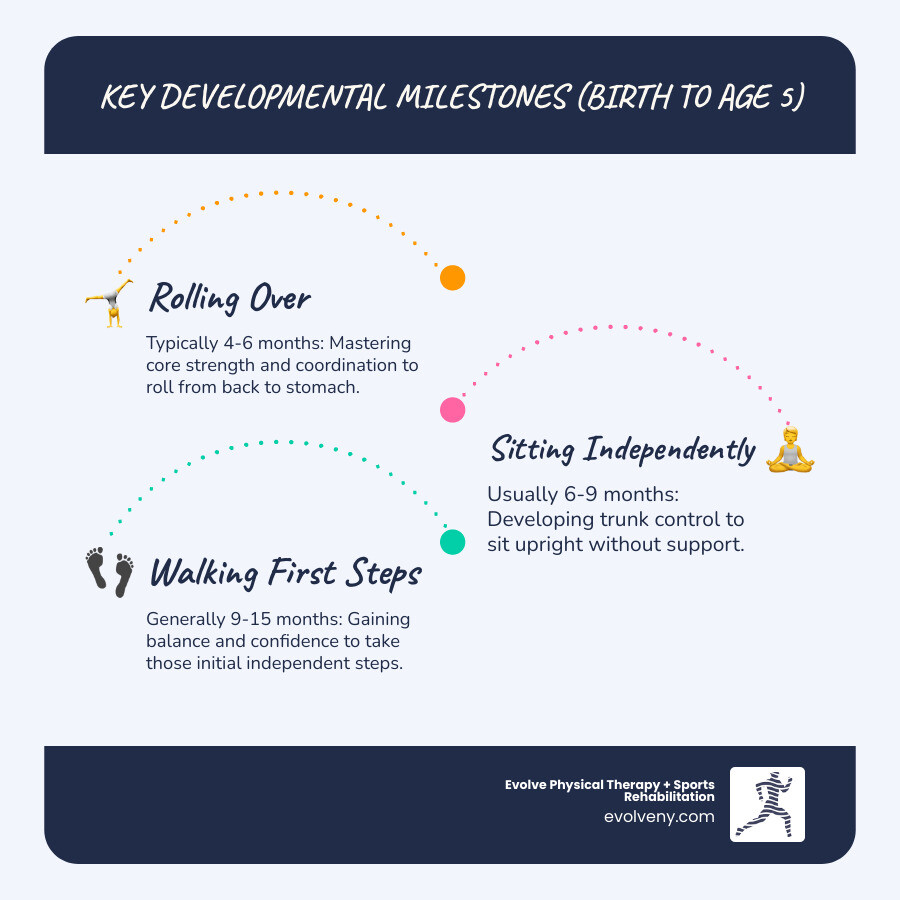
As a parent, you know your child best. If you notice your baby struggling with tummy time, your toddler delaying walking, or your school-aged child seeming unusually clumsy, it's worth paying attention. These can be early signs that Brooklyn pediatric physical therapy could make a meaningful difference.
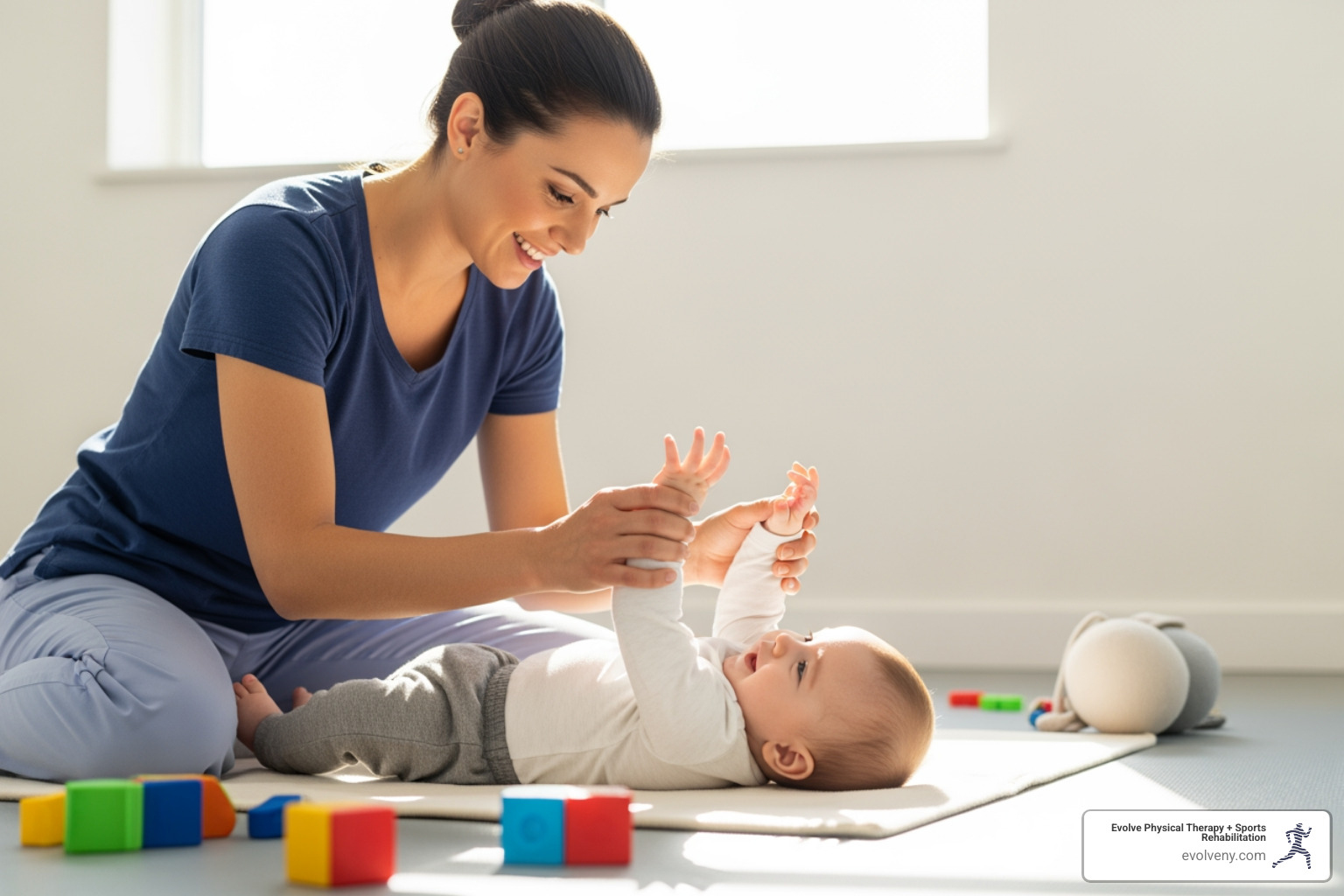
Physical therapists look for specific indicators like missing developmental milestones (not rolling, sitting, or walking on time), difficulty with balance or coordination, weakness on one side of the body, or pain during movement.
Common conditions treated in pediatric physical therapy include developmental delays, where a child needs extra support to catch up. Torticollis (tight neck muscles causing a head tilt) and Plagiocephaly (flat head syndrome) respond very well to early physical therapy. Other frequent concerns include persistent toe walking, low muscle tone that affects posture, and general coordination issues. The goal is always to empower your child to move freely and confidently. You can see how therapists work with children through engaging activities by visiting our page on Pediatric Physical Therapy for Kids.
Helping Children with Neurodevelopmental Disorders
For children with neurodevelopmental disorders, physical therapy is essential for improving function and quality of life. Conditions like Cerebral Palsy, Autism Spectrum Disorder, Spina Bifida, and Down Syndrome present unique physical challenges.
Brooklyn pediatric physical therapy for these conditions focuses on managing symptoms like muscle stiffness (spasticity) or low muscle tone (hypotonia). For a child with Cerebral Palsy, therapy can improve motor skills and manage pain. Children on the autism spectrum often benefit from therapy that addresses motor planning and coordination. For kids with Down Syndrome, PT can improve strength and stability. The goal is to help each child function at their highest potential. You can learn more about developmental disabilities from the CDC to better understand what your child might be experiencing.
Addressing Orthopedic Conditions and Sports Injuries in Youth
Active kids and young athletes in Brooklyn also face physical challenges, from orthopedic conditions to sports injuries.
Scoliosis (abnormal spine curvature) can benefit from PT to improve posture and strengthen core muscles. Pediatric fractures require careful rehabilitation to restore full function. Conditions like Osgood-Schlatter disease (knee pain) and Sever's disease (heel pain) in active kids respond well to targeted exercises.
Overuse injuries from youth sports are also a major concern. For adolescent athletes dealing with injuries like an ACL tear or a concussion, the goal is a safe return to play. This involves not just healing the injury but also teaching proper movement patterns and implementing injury prevention strategies to avoid future problems. A good physical therapist helps young athletes understand their bodies, learn proper warm-ups, and develop fitness habits for life.
The Journey of Brooklyn Pediatric Physical Therapy: What to Expect
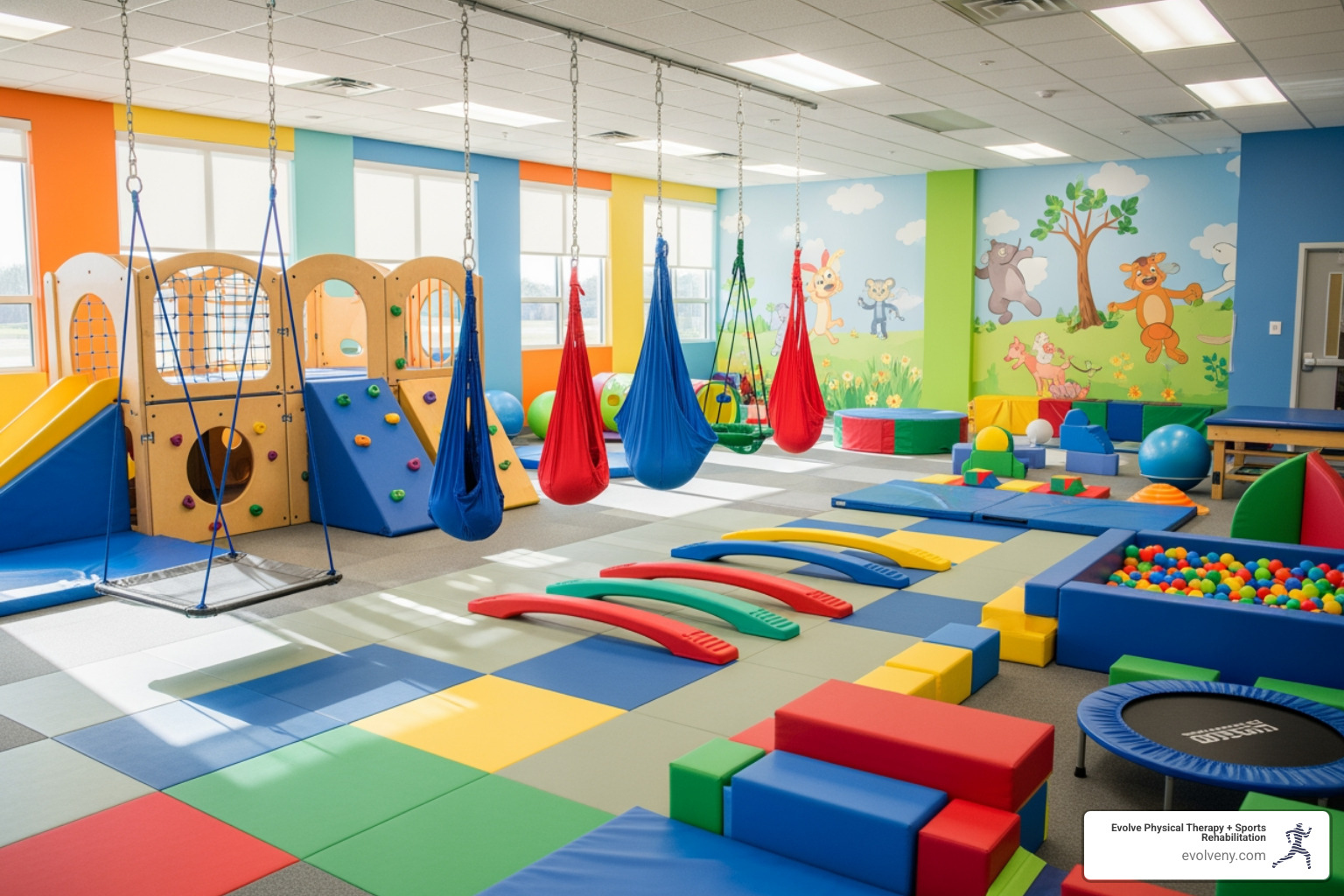
Starting pediatric physical therapy can feel overwhelming, but the journey is designed to help your child gain confidence and skills at their own pace. A Brooklyn pediatric physical therapy clinic is a space designed for fun, with colorful mats, swings, balance beams, and therapeutic toys.
The journey begins with a comprehensive initial evaluation, typically lasting 75-90 minutes. The therapist will observe your child play to assess their strength, coordination, balance, and range of motion, sometimes using standardized tests like the Peabody Motor Development Scales (PDMS-3). A key part of this session is discussing your observations and goals for your child.
From this information, the therapist creates an individualized treatment plan with specific, achievable goals, creating a roadmap for your child's progress. To prepare, dress your child in comfortable clothes and bring any relevant medical records. Most importantly, come ready to share your insights—you know your child best. You can learn more about how we approach this process in our blog post: Pediatric and Adolescent Physical Therapy.
Making Therapy Fun: The Power of Play-Based Techniques
The secret to pediatric physical therapy is that kids don't know they're doing therapy—they're just playing. Play-based therapy is grounded in the understanding that children learn and develop through play. When a child is engaged and having fun, they work harder and make faster progress.
For example, a child needing to strengthen their core might swing on a platform swing while reaching for colorful balls. They are so absorbed in the game that they don't realize their core muscles are working overtime. That's the magic of play-based techniques.
Sensory gyms with swings, climbing structures, and ball pits become the stage for therapeutic activities. Crawling through a tunnel builds upper body strength, while walking on a balance beam develops postural control. These engaging activities target gross motor skills, balance, and coordination while feeling like pure fun. This approach also builds confidence and a sense of competence. You can see examples of these dynamic sessions in our Pediatric Physical Therapy gallery.
The Structure of Brooklyn Pediatric Physical Therapy Sessions
Once a treatment plan is set, your child will likely attend weekly sessions, with the frequency adjusted to their needs. Each session typically lasts 45-60 minutes—long enough for meaningful work without causing fatigue.
During these sessions, the therapist continuously monitors progress and adjusts the plan over time to ensure it remains effective and appropriately challenging. Collaboration with families is essential to this process. Your child spends most of their time with you, so your therapist will provide a home exercise program and guidance on how to integrate activities into daily routines.
This partnership accelerates progress and helps skills generalize beyond the clinic. The structure provides consistency, while a skilled therapist offers the flexibility to adapt to your child's energy and motivation each day. For a deeper look at how we approach Brooklyn pediatric physical therapy with this balance of structure and flexibility, visit our page on Pediatric Physical Therapy in Brooklyn.
A Parent's Role: Choosing a Provider and Supporting Progress
As a parent, you are your child's most powerful advocate. Your involvement in Brooklyn pediatric physical therapy is crucial at every stage, from selecting a provider to supporting progress at home. A strong partnership between parents and therapists, often as part of a multidisciplinary team with other specialists, creates the best outcomes for your child.

How to Choose the Right Pediatric PT Provider in Brooklyn
Finding the right provider is manageable when you know what to look for. Prioritize a licensed physical therapist with specialized pediatric experience relevant to your child's condition. The clinic environment should be welcoming and equipped with age-appropriate, sensory-rich equipment. Ensure the provider creates individualized care plans based on thorough assessments and family input.
Strong collaboration with families is non-negotiable; a good therapist empowers you with strategies and values your insights. Also, consider the provider's specializations and the location and accessibility of the clinic. Therapy works best when it fits into your life without adding stress. Whether you're in Park Slope, Mill Basin, Marine Park, Gravesend, or Midwood, a convenient location helps maintain consistency.
When interviewing potential therapists, ask key questions to find the right fit:
- What is your experience with my child's specific condition?
- How do you make therapy engaging and fun?
- What does parent involvement and communication look like in your practice?
- What is the typical frequency and duration of therapy sessions?
Navigating Costs, Insurance, and Therapy Settings
Understanding costs is essential. Most Brooklyn pediatric physical therapy providers accept a range of insurance plans. Before your first visit, verify your benefits, including co-pays, deductibles, and in-network status. Our team at Evolve Physical Therapy can help you steer these details.
For children aged 0-3, the NYS Early Intervention Program is a valuable state-funded resource providing services at no direct cost to eligible families. Therapy can occur in different settings. Clinic-based therapy offers access to specialized equipment and sensory gyms. We have two convenient Brooklyn locations in Mill Basin and Park Slope. Home-based services can be ideal for infants, while school-based services can be integrated into an older child's school day.
To learn more about our approach and locations, visit our page on Pediatric Physical Therapy Brooklyn.
How Parents Can Support Their Child's Progress at Home
What happens between sessions is just as important as the sessions themselves. Your active support at home can make a remarkable difference.
Follow the home exercise program your therapist provides. Even 5-10 minutes of daily practice reinforces skills and accelerates progress. Integrating activities into daily routines—like balancing on a curb or crawling through a box tunnel—makes practice feel natural. Maintain open communication with therapists, sharing what's working and what's not. Your observations are invaluable. Finally, create a supportive environment that encourages movement and celebrate small victories. Your enthusiasm fuels your child's motivation and builds their confidence.
Frequently Asked Questions about Pediatric Physical Therapy
Parents often have thoughtful questions when considering pediatric physical therapy for the first time. Here are answers to some of the most common concerns.
Why is early intervention so critical for infants and toddlers?
The first three years of a child's life are a critical window for development due to high brain plasticity. Early intervention in Brooklyn pediatric physical therapy takes advantage of this period to build a strong foundation for motor skills like rolling, sitting, crawling, and walking. Addressing challenges early helps prevent secondary issues, such as muscle imbalances or compensatory movements that can cause problems later. Research consistently shows that children who receive early intervention have better long-term developmental outcomes and often require less support as they grow.
What is the difference between pediatric physical therapy (PT) and occupational therapy (OT)?
While PT and OT often work together, they focus on different areas. Pediatric physical therapy (PT) centers on gross motor skills—the large movements needed for mobility. PTs work on walking, running, jumping, balance, and overall strength and coordination.
Occupational therapy (OT), in contrast, focuses on fine motor skills and the activities of daily living. OTs help children with tasks like writing, using scissors, dressing, self-feeding, and sensory processing to foster independence in school, play, and self-care. Often, children benefit from both disciplines.
What are the long-term benefits of consistent physical therapy?
Consistent Brooklyn pediatric physical therapy is an investment in your child's future. The long-term benefits include improved mobility and independence, allowing children to steer their world with confidence. This physical competence boosts self-esteem, encouraging them to try new things and participate more fully in school, sports, and social activities.
From a medical standpoint, consistent therapy can reduce the need for future interventions like surgery by addressing issues early and preventing secondary complications. The greatest benefit is an improved quality of life. Pediatric PT empowers children to live active, fulfilling lives and builds a foundation for a healthy, independent adulthood.
Conclusion: Taking the Next Step for Your Child's Health in Brooklyn
This guide shows how Brooklyn pediatric physical therapy can transform a child's life. Whether for an infant with torticollis, a toddler with developmental delays, or a teen with a sports injury, the right intervention builds physical strength, coordination, confidence, and independence.
The journey of pediatric physical therapy is a partnership. It works best with an individualized, play-based plan and your active involvement at home. As a parent, your willingness to seek help and support your child's progress makes all the difference.
At Evolve Physical Therapy, we believe in a hands-on, personalized approach. While my practice primarily focuses on adults, I am committed to ensuring Brooklyn families have the resources for their children's physical development. If you have concerns about your child's movement, balance, or strength, I encourage you to reach out to a specialized pediatric physical therapist.
We understand that physical health is a family matter. Many principles we use with adults—functional movement, injury prevention, and building strength for real-life activities—also apply to children. To learn more about our approach to sports rehabilitation and how we help patients of all ages return to the activities they love, please visit our page: Learn more about our approach to sports and pediatric rehab in Brooklyn.
Every child deserves to explore their world with confidence. If you're ready to empower your child, don't wait. Reach out to a qualified pediatric physical therapist today to start this important journey.
