

High Performance Coaching: Turning Good Athletes into Great Ones
Why Coaching for Sports Performance is the Key to Open uping Athletic Potential
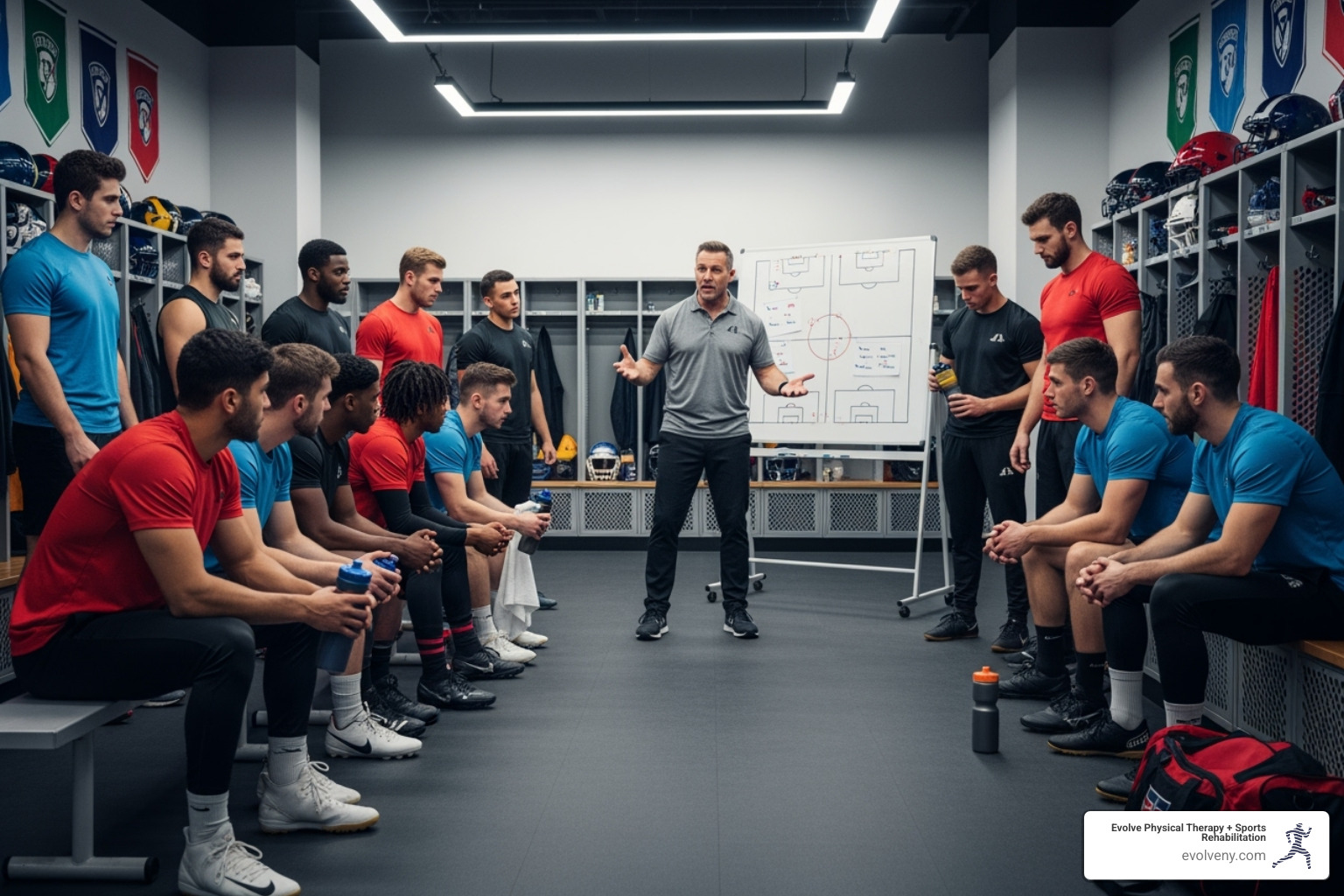
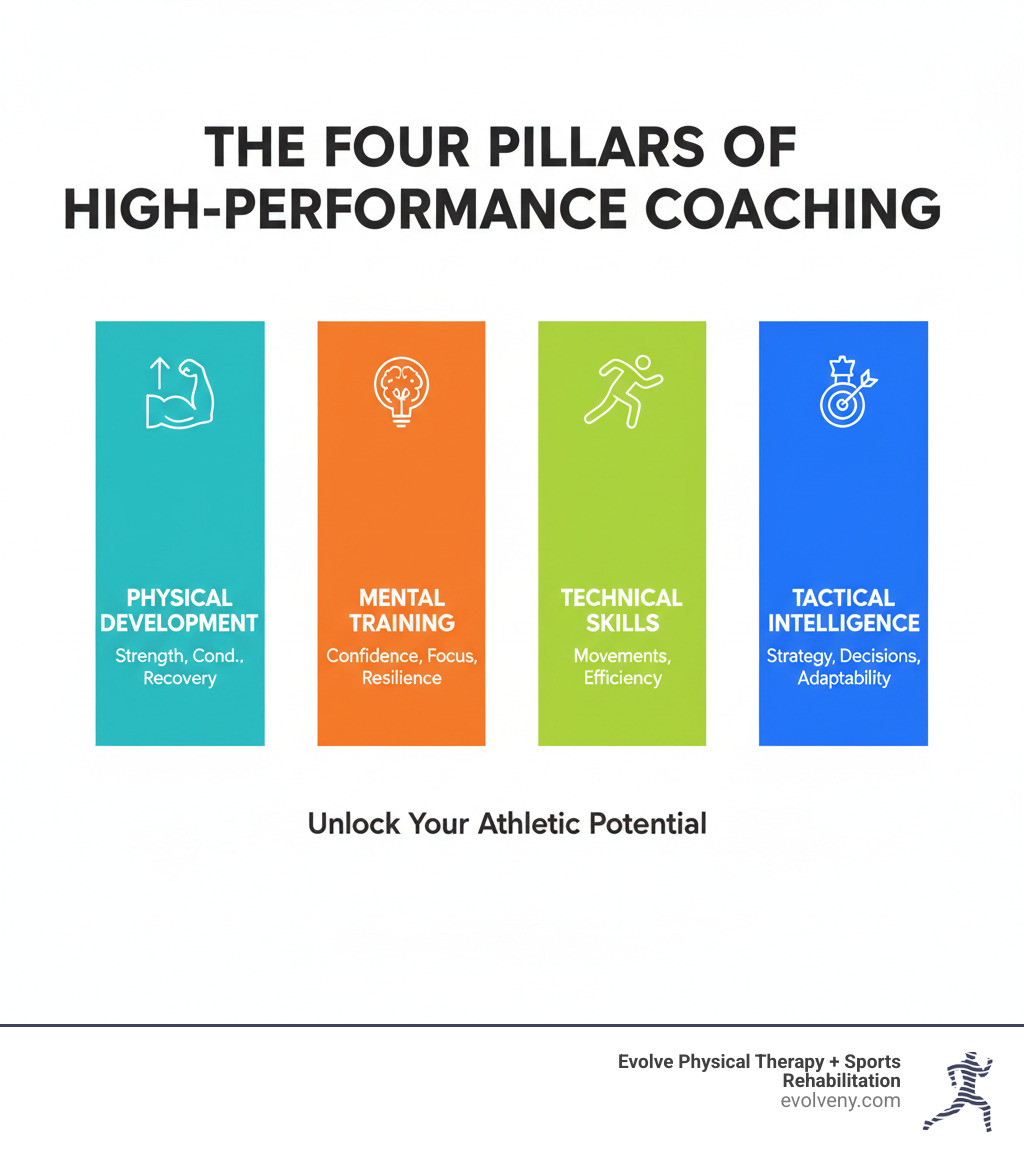
Coaching for sports performance is a comprehensive, science-backed approach that transforms athletic ability by integrating physical training, mental preparation, tactical understanding, and technical skill development. Unlike traditional coaching that focuses solely on drills and game strategy, high-performance coaching addresses every factor that influences an athlete's ability to compete at their best.
Core Elements of Effective Performance Coaching:
- Physical Development - Strength, speed, agility, conditioning, and recovery protocols
- Mental Training - Visualization, goal setting, confidence building, and stress management
- Technical Mastery - Sport-specific skill refinement and movement optimization
- Tactical Intelligence - Strategic thinking, decision-making under pressure, and game awareness
- Holistic Well-Being - Injury prevention, nutrition guidance, and work-life balance
The modern coaching landscape demands more than just physical fitness. Research shows that as much as 90% of sport is mental, yet most athletes spend the majority of their time training only their bodies. The most successful coaches understand that developing a great athlete requires addressing the whole person—not just their physical capabilities.
What separates good athletes from great ones? It's rarely raw talent alone. The difference lies in having a coach who understands how to build a comprehensive development program that addresses physical limitations, mental barriers, technical flaws, and tactical gaps. This holistic approach is what transforms potential into consistent, peak performance.
Studies from elite endurance sports show that world-class coaches share key characteristics: they collect training data systematically, exhibit an experimental mindset when making adjustments, and prioritize training quality over simply logging hours. They understand that effective coaching requires balancing training load with recovery, optimizing key workout sessions, and ensuring athletes peak at the right moments.
The evidence is clear: athletes in positive sport environments—where holistic well-being is supported—achieve better performance outcomes, greater satisfaction, improved resilience, and longer careers in their sport. Even when medals are won in negative environments, research shows athletes specifically note that the performance wasn't worth the cost to their mental and physical health.
I'm Lou Ezrick, founder of Evolve Physical Therapy + Sports Rehabilitation, and over nearly two decades I've worked with athletes ranging from weekend warriors to elite competitors, helping them overcome physical limitations that hold back their performance. My experience in coaching for sports performance has shown me that the most successful athletic development happens when physical therapy, strength conditioning, and mental training work together as an integrated system.
The Modern Coaching Philosophy: Beyond Wins and Losses
Here's something I've learned after nearly two decades working with athletes: the coaches who produce the most consistent results aren't always the ones with the most trophies on their shelf. They're the ones who understand that coaching for sports performance means caring about the whole person, not just the person who shows up on game day.
At Evolve Physical Therapy + Sports Rehabilitation, we've seen what happens when coaches prioritize wins at the expense of everything else. Athletes burn out. They develop injuries that could have been prevented. They walk away from sports they once loved. The research backs this up—negative training environments might occasionally produce medals, but athletes who experience them consistently say the medal wasn't worth what they sacrificed to get it.
The flip side is just as powerful. When athletes train in positive environments that support their holistic well-being, they don't just perform better—they enjoy training more, bounce back from setbacks faster, and stay in their sport longer. They build resilience that serves them long after their competitive days are over.

Developing Your Coaching Philosophy
Think of your coaching philosophy as your North Star. When you're facing a tough decision—whether to push an injured athlete to compete, how to handle a conflict between team members, or what to prioritize during a crucial training phase—your philosophy is what guides you back to what matters most.
Every effective coach needs to start with self-awareness. What are your core values? What kind of leader are you naturally, and where do you need to grow? Understanding your own strengths and blind spots isn't just helpful—it's essential if you want to build genuine trust with your athletes.
Next comes the hard part: defining success beyond the scoreboard. Yes, winning matters. But is that all that matters? What about an athlete who finally masters a skill they've been struggling with for months? Or a team that learns to communicate better under pressure? These victories might not show up in the standings, but they're often the foundation that future championships are built on.
Your ethical framework needs to be crystal clear and non-negotiable. At Evolve, we believe being called "Coach" is an honor that comes with serious responsibility. That means operating with fairness, respect, and integrity in every interaction. It means putting athlete safety first, even when it's inconvenient. It means being professional, staying current with best practices, and never abusing the trust that athletes place in you.
Finally, effective coaching for sports performance requires thinking about long-term athlete development. The decisions you make today will impact your athletes for years—maybe decades—to come. Are you helping them build a lifelong love of movement and competition? Or are you creating patterns that lead to burnout and injury?
The role of coach education in philosophy development is crucial here. Good coach education programs don't just teach you drills and tactics—they help you articulate your beliefs and translate them into consistent, effective action.
Creating a Safe and Empowering Sport Environment
A safe sport environment isn't just about locking the equipment closet and having a first aid kit handy. Though environmental safety certainly matters—proper equipment maintenance, hazard-free training spaces, and solid emergency protocols are all essential—true safety goes much deeper.
Relational safety is where the real magic happens. This means creating a culture where athletes feel comfortable speaking up, asking questions, and admitting when they're struggling. It means zero tolerance for harassment, abuse, or discrimination of any kind. It means building trust through consistent, respectful communication between coaches, athletes, and support staff.
When we talk about optimizing sport, we're talking about designing training and competition schedules that promote healthy development rather than grinding athletes into the ground. It's about balancing intensity with recovery, challenge with support, and performance goals with the simple enjoyment of playing.
At Evolve, we advocate for the HIGHER method as a framework for creating environments where athletes truly thrive. This approach emphasizes being Holistic in addressing the whole athlete—physical, mental, emotional, and social needs all matter. It requires Individualized coaching that recognizes each athlete's unique circumstances and goals. Good Governance means upholding ethical standards and making decisions transparently. Being Healthy means prioritizing physical and mental health above all else, even when it costs you a win. Empowering athletes to make decisions, develop leadership skills, and take ownership of their development creates more resilient competitors. And treating everyone with Respect—valuing diverse backgrounds and perspectives—builds stronger, more cohesive teams.
This isn't soft coaching. It's smart coaching. Athletes who feel safe, valued, and empowered consistently outperform those who are motivated primarily by fear or pressure.
Measuring Success Holistically
If you're only measuring success by what shows up on the scoreboard, you're missing most of the story.
Don't get me wrong—competitive outcomes matter. We work with athletes because they want to perform at their best when it counts. But the most successful coaches I know also track personal metrics that matter to individual athletes. Did they shave two seconds off their personal best? Finally nail that technique they've been working on? Execute under pressure in a way they couldn't before?
Personal development often provides the most meaningful measures of coaching effectiveness. Has your athlete become more resilient? Can they regulate their emotions better when things get tough? Are they developing leadership skills that will serve them long after their playing days are over? These aren't just nice-to-haves—they're the qualities that separate athletes who peak early from those who sustain excellence over time.
Athlete satisfaction is another crucial metric that too many coaches ignore. How much do your athletes enjoy their sport experience? Do they feel supported? Do they trust your approach? Enjoyment isn't just a feel-good factor—it's one of the most powerful motivators for sustained effort and improvement.
The desire to stay in sport tells you volumes about the environment you've created. Athletes who love what they do and feel supported in doing it don't burn out at 22. They don't develop negative associations with training. They stick around, and that longevity gives them time to reach their full potential.
Resilience—the ability to bounce back from injuries, losses, and disappointments—is perhaps the most valuable quality you can help an athlete develop. This mental toughness doesn't come from being broken down and built back up. It comes from being supported through challenges in an environment where it's safe to struggle and grow.
Finally, performance satisfaction means helping athletes find fulfillment in their effort and progress, regardless of whether they won or lost. When athletes can walk away from a competition feeling proud of how they competed—even in defeat—you've given them something more valuable than any medal: a healthy, sustainable relationship with their sport.
The Science Behind Peak Athletic Performance
Think of athletic performance like a complex machine—every part needs to work in perfect harmony. The best coaching for sports performance isn't based on guesswork or outdated methods. It's grounded in understanding how the human body actually moves, adapts, and grows stronger.
At Evolve Physical Therapy + Sports Rehabilitation, we've seen how applying scientific principles transforms athletic potential into real results. When you understand biomechanics (how the body moves), physiology (how systems respond to training), periodization (smart planning of training cycles), and training load management (balancing stress and recovery), you can help athletes reach levels they never thought possible.
The Four Pillars of Athletic Development
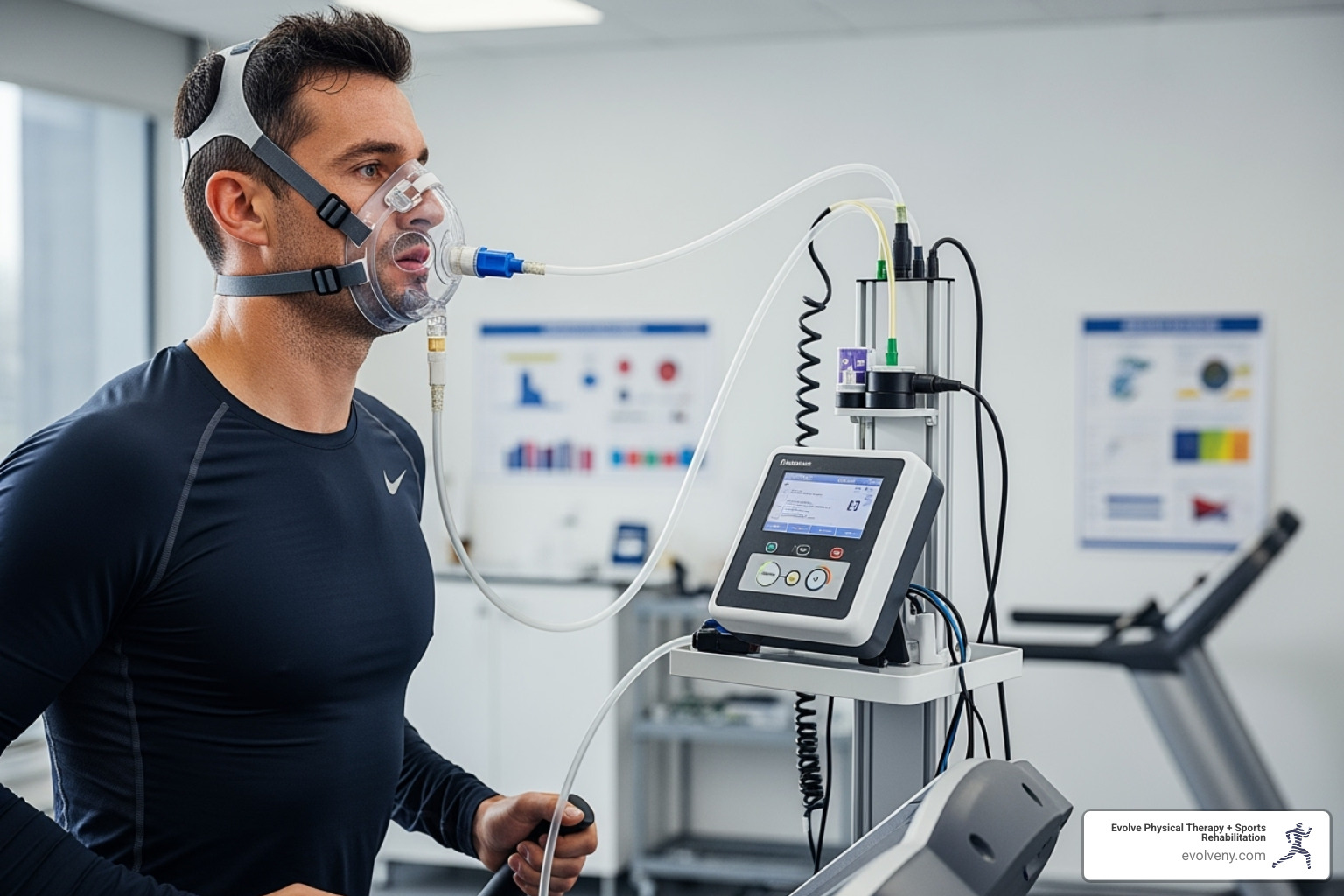
Building an elite athlete requires more than just showing up and working hard. You need a well-rounded physical foundation that addresses every aspect of performance. We focus on four essential pillars that work together to create complete athletes.
Strength training forms the foundation, but it's not about mindlessly lifting heavy weights. It's about building functional strength that directly translates to your sport. A basketball player needs explosive power for vertical jumps. A runner needs efficient stride mechanics. A tennis player requires rotational strength for powerful serves.
Compound lifts like squats, deadlifts, bench press, and overhead press build overall strength and coordination. Olympic lifts—the snatch and clean & jerk—develop explosive power that transfers beautifully to athletic movements. Accessory exercises target specific muscle groups, creating balance and preventing injuries before they happen.
One often-overlooked tool is isokinetic training. These are controlled, speed-specific movements that strengthen muscles through their full range of motion at consistent speeds. Research shows that in just eight weeks, isokinetic training can reduce pain and improve mobility and strength, even for individuals with knee osteoarthritis. For athletes, it's incredibly effective for both rehabilitation and performance improvement.
Cardiovascular conditioning keeps athletes performing at their best from the first whistle to the last. Your heart and lungs are muscles too, and they need training. Aerobic training—think long runs, cycling, swimming, or rowing at a steady pace—builds your endurance base. This is where world-class coaches spend 80-90% of their aerobic training time, in low-intensity zones.
But you also need anaerobic capacity for those explosive moments when the game is on the line. Interval training, tempo runs, and Fartlek workouts train your body to perform when it's running on fumes. Elite coaches typically include 2-3 intensive training days per week, carefully balanced with lower-intensity work.
Speed and agility separate good athletes from great ones. Sports rarely happen in straight lines at predictable speeds. You need to accelerate quickly, change direction on a dime, and maintain control through complex movements. Sprint work develops raw speed. Agility drills—cone drills, ladder work, shuttle runs—train your nervous system to react instantly. These aren't just physical exercises; they're teaching your brain and body to communicate faster.
Plyometric training adds the explosive power that makes athletes look superhuman. Box jumps, depth jumps, and bounds for the lower body. Plyometric push-ups and medicine ball throws for the upper body. These exercises train the stretch-shortening cycle, where muscles rapidly stretch and then contract, generating maximum power. It's how athletes jump higher, throw farther, and move faster.
The magic happens when these four pillars are integrated into a periodized training plan that evolves with each athlete's needs and competition schedule. Great coaches understand that training isn't random—it follows a logical progression from general conditioning to sport-specific preparation, gradually increasing volume before ramping up intensity.
Fueling and Recovery for Optimal Output
Here's a truth that surprises many athletes: you don't get stronger during training. You get stronger during recovery. Training breaks your body down. Recovery builds it back up—stronger, faster, more resilient.
Think of your body like a high-performance vehicle. You wouldn't put cheap gas in a race car and expect it to win, right? Essential sports nutrition provides the fuel your body needs. Carbohydrates give you energy for training and competition. Protein repairs and builds muscle tissue. Healthy fats support hormone production and overall health. Vitamins and minerals enable countless processes that keep you performing optimally.
Timing matters as much as what you eat. The meal before training prepares your body. The snack during competition maintains energy levels. The food after exercise starts the recovery process. As coaches, we guide athletes through these choices, helping them understand how nutrition directly impacts their performance.
Hydration is equally critical. Water enables every function in your body—transporting nutrients, regulating temperature, lubricating joints. Even mild dehydration significantly impairs performance. Athletes need personalized hydration plans, especially during intense training or competition in hot conditions. Thirst isn't a reliable indicator, so coaches help athletes develop consistent hydration habits.
Now let's talk about recovery, which is an active process, not just lying on the couch (though rest has its place). Your body adapts to training stress during recovery periods. Muscles repair. Energy stores replenish. Neural pathways strengthen. Skip recovery, and you're just accumulating damage without reaping the benefits.
Active recovery—light exercise that promotes blood flow—helps clear metabolic waste and reduces muscle soreness. Stretching and foam rolling improve flexibility and release muscle tightness. Massage and manual therapy address imbalances and accelerate healing. At Evolve, we integrate these recovery modalities into comprehensive training programs because we've seen how dramatically they improve outcomes.
Sleep might be the most powerful performance improver available, and it's completely legal. During deep sleep, your body releases growth hormone, repairs damaged tissues, consolidates memories, and resets your nervous system. Athletes who prioritize 8-9 hours of quality sleep consistently outperform those who don't. We educate athletes on sleep hygiene—consistent bedtimes, dark rooms, limiting screens before bed—because the science is undeniable.
Finally, preventing overtraining requires constant vigilance. Elite coaches monitor training load carefully, combining subjective feedback from athletes with objective data like heart rate variability and performance metrics. They understand that more training isn't always better. Most implement recovery weeks every 3rd or 4th week, reducing training volume by 25-35% to allow full adaptation and prevent injury or illness.
The science behind peak athletic performance isn't complicated, but it does require discipline and attention to detail. When you respect how the body actually works—building it up systematically, fueling it properly, and giving it adequate recovery—you create athletes who don't just perform well once, but sustain excellence over entire careers.
Mastering the Game: Advanced Coaching for Sports Performance
The world of coaching for sports performance has transformed dramatically in recent years. Today's coaches need to be adaptable leaders who can seamlessly blend different approaches, leverage technology effectively, and tailor their methods to each athlete's unique needs. It's no longer enough to simply know the sport—great coaches understand how to read situations, adjust their leadership style, and use data to make smarter decisions.
Choosing and Blending Your Coaching Style
There's a common misconception that great coaches need to pick one style and stick with it. The truth? The most effective coaches know how to blend multiple approaches based on what their athletes need in any given moment. Back in the 1930s, psychologist Kurt Lewin identified three fundamental leadership styles that still influence coaching today, but modern sports psychology has expanded our understanding considerably.
Think about it this way: an autocratic style (where the coach makes all decisions and expects athletes to follow instructions) might work perfectly when teaching complex techniques to beginners or during high-pressure game situations where quick decisions are critical. But that same approach can backfire with experienced athletes who need autonomy to develop their decision-making skills. Research on coaching leadership styles shows that matching your style to the situation dramatically improves outcomes.
A democratic style involves athletes in decision-making, fostering ownership and motivation. This approach builds confidence and leadership skills, making it ideal for team settings where buy-in matters. Meanwhile, a holistic style considers the whole person—their physical health, mental state, academic pressures, family life, and personal goals. At Evolve Physical Therapy + Sports Rehabilitation, this is the foundation of everything we do. We don't just treat injuries or improve performance; we understand that an athlete dealing with stress at school or recovering from a setback needs support that goes beyond physical training.
The laissez-faire style gives athletes maximum freedom to make their own decisions, with the coach serving more as a resource than a director. This works beautifully with highly self-motivated, experienced athletes who thrive with independence, but it can leave less mature or confident athletes feeling lost.
Here's what this looks like in practice: a youth soccer coach might use an autocratic approach when teaching proper heading technique (safety first), switch to a democratic style when discussing team formations (building ownership), and adopt a holistic approach when an athlete is struggling with confidence issues off the field. Game-based coaching—where athletes learn through modified games rather than isolated drills—naturally encourages a more democratic, athlete-centered approach that develops tactical intelligence alongside technical skills.
The key insight? There's no single "best" coaching style. The most successful coaches develop a toolbox of approaches and know exactly when to use each one.
Adapting Your Coaching for Sports Performance: Situational Leadership
Situational leadership is where coaching becomes an art form. It's about reading the room—or in this case, the athlete—and adjusting your approach accordingly. A strategy that works perfectly for a professional athlete preparing for competition might completely overwhelm a 10-year-old just learning to love the sport.
Age and developmental stage dramatically influence how you should coach. Youth athletes need coaches who prioritize fun, fundamental skill development, and building a lifelong love of movement. They respond well to encouragement, variety, and game-like activities. Collegiate athletes are typically more focused on performance, capable of handling increased training loads, and developing their competitive identity. Professional athletes require sophisticated programming, data-driven adjustments, and often benefit from greater autonomy in their training decisions.
Skill level matters just as much as age. A beginner needs clear, direct instruction and close supervision. They're building foundational movement patterns and learning the basics of the sport. An intermediate athlete can handle more complexity, benefit from tactical discussions, and start taking ownership of certain training decisions. Advanced athletes often need a coach who acts more as a collaborator, someone who provides expert guidance while respecting the athlete's deep knowledge of their own body and performance.
Context shapes everything. The same athlete might need different coaching approaches during pre-season conditioning (building base fitness, perhaps more structured and directive), in-season competition (balancing performance with recovery, more collaborative), and post-season recovery (focusing on healing and reflection, more supportive and holistic).
Individual needs are perhaps the most important consideration. Some athletes are naturally self-motivated and thrive with independence. Others need more structure and external accountability. Some respond well to direct feedback; others need a gentler approach. Great coaches learn to read these individual differences and adjust accordingly, even within the same team or training group.
The Comprehensive Role of an Athletic Performance Coach
The role of an athletic performance coach extends far beyond just running practices or designing workouts. It's a multifaceted position that requires expertise across several domains, and understanding these distinctions helps athletes find the right support for their goals.
An athletic performance coach differs significantly from a strength coach or personal trainer. While a strength coach focuses primarily on physical conditioning and gym-based training, and a personal trainer typically works on general fitness goals, an athletic performance coach takes a comprehensive approach to sport-specific development. We integrate physical training with technical skill work, tactical understanding, mental preparation, and overall athlete development. At Evolve, this means addressing not just how strong an athlete is, but how that strength translates to their specific sport, how they're recovering, and what might be holding them back mentally or physically.
The modern performance coach also needs a working knowledge of sport management basics—understanding scheduling, program organization, budgeting for equipment and travel, and coordinating with other support staff. You're often the hub connecting athletes, parents, athletic trainers, physical therapists, nutritionists, and sport psychologists.
Media relations have become increasingly important, especially for coaches working with high-level athletes. Knowing how to communicate about your program professionally, protect athlete privacy, and handle public attention is now part of the job description.
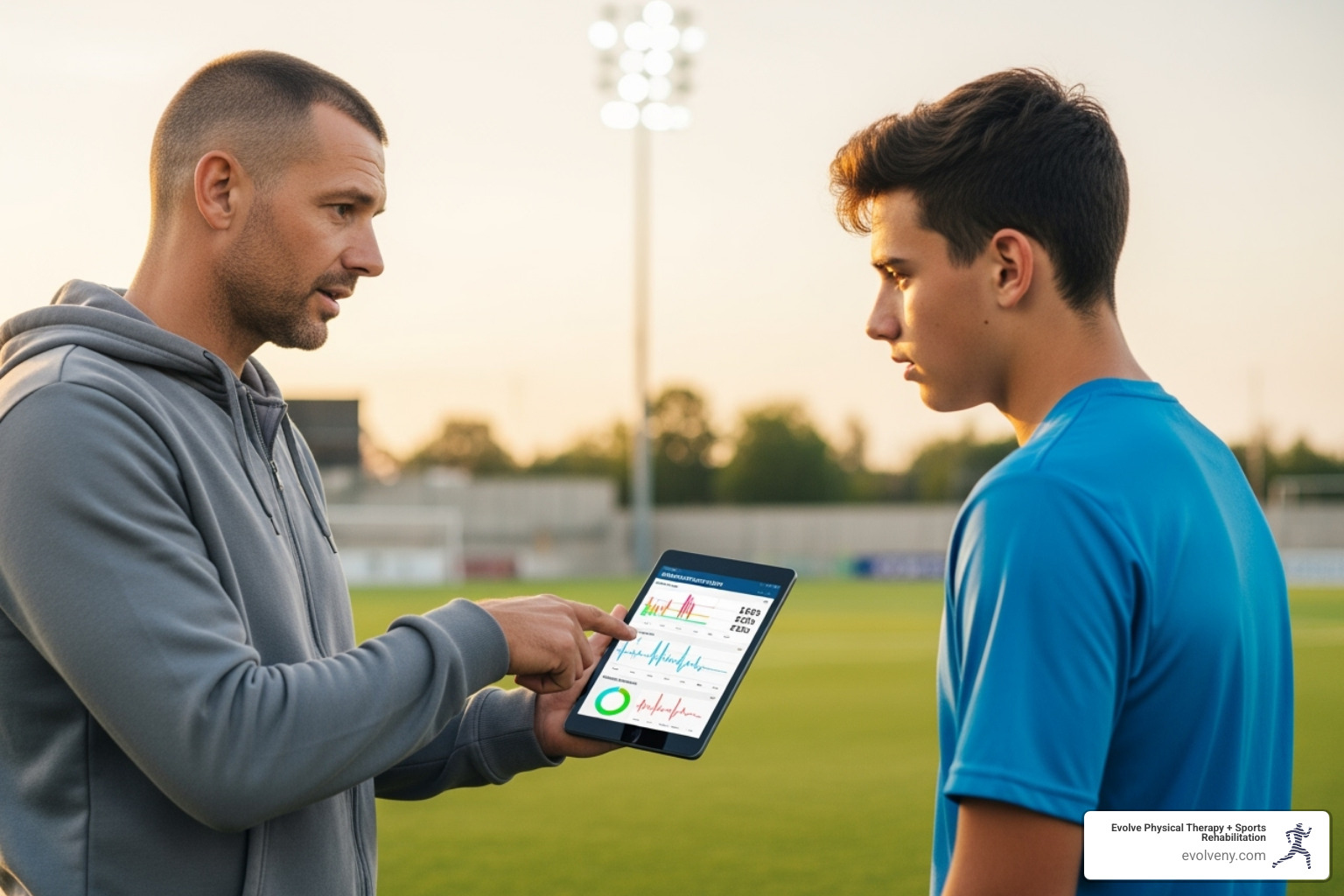
Perhaps the biggest evolution in coaching has been the integration of technology for analysis and performance tracking. GPS tracking systems monitor training load and movement patterns. Video analysis software breaks down technique frame by frame. Wearable devices track heart rate variability, sleep quality, and recovery metrics. Force plates measure power output and asymmetries. The challenge isn't accessing this technology—it's knowing how to interpret the data and translate it into actionable coaching decisions.
World-class coaches in endurance sports, for example, systematically collect training data and exhibit an experimental mindset, constantly testing and refining their approach based on objective feedback. They don't just follow a program blindly; they adapt based on what the data and athlete feedback are telling them.
This comprehensive approach to coaching for sports performance is what separates good programs from truly transformative ones. It's about seeing the whole picture, understanding how all the pieces fit together, and having the knowledge and tools to optimize every aspect of an athlete's development.
