

No More Tumbles! Best Fall Prevention Workshops for Older Adults
Why Fall Prevention Workshops Are Critical for Active Adults
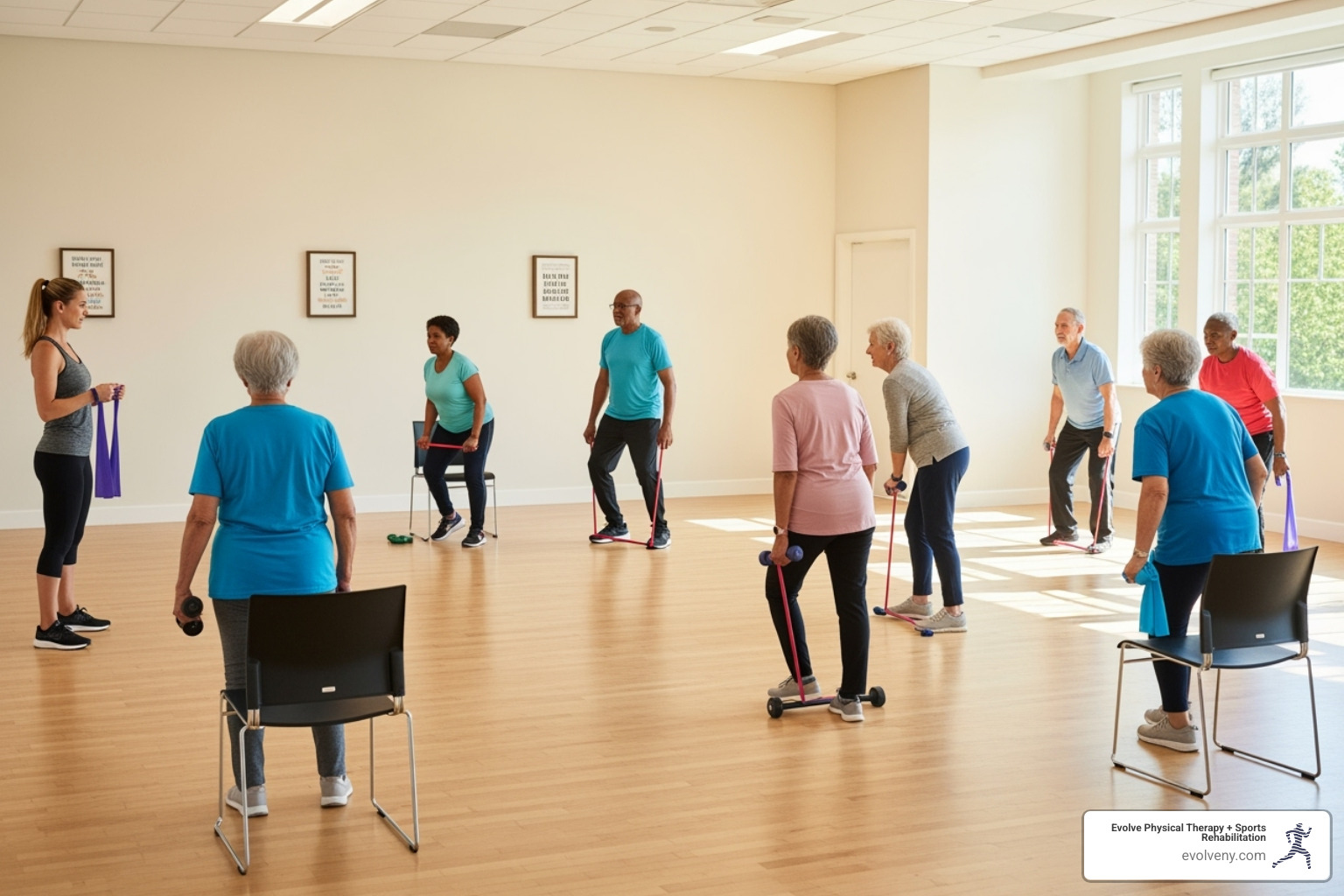
Fall prevention workshops are educational programs that teach older adults how to reduce their fall risk through exercise, home safety, and lifestyle changes. Typically running 6-8 weeks, these workshops are led by health professionals who guide participants through balance training, strength exercises, and practical strategies.
Quick Overview: What You Need to Know About Fall Prevention Workshops
- Who Should Attend: Adults 60+ who have fallen, fear falling, or want to stay independent
- What You'll Learn: Balance exercises, home safety tips, medication management, proper footwear
- Where to Find Them: Senior centers, hospitals, Area Agencies on Aging, physical therapy clinics
- Cost: Many programs are free or low-cost; some accept insurance
- Format: Group classes (10-20 people) meeting weekly for 1-2 hours
- Evidence-Based Programs: Look for workshops backed by research and proven results
The statistics are sobering: one in four adults over 65 falls every year. But the good news is that most falls are preventable. The key is taking action before a fall happens. A fall can create a dangerous cycle: fear of falling leads to less activity, which causes weakness and makes another fall more likely. Fall prevention workshops break this cycle by building strength, improving balance, and restoring confidence.
These workshops address specific risk factors, from medication side effects to poor home lighting. As Lou Ezrick, founder of Evolve Physical Therapy, I've seen how proactive, evidence-based programs help people regain independence and reduce fall risk while maintaining the active lifestyles they love.
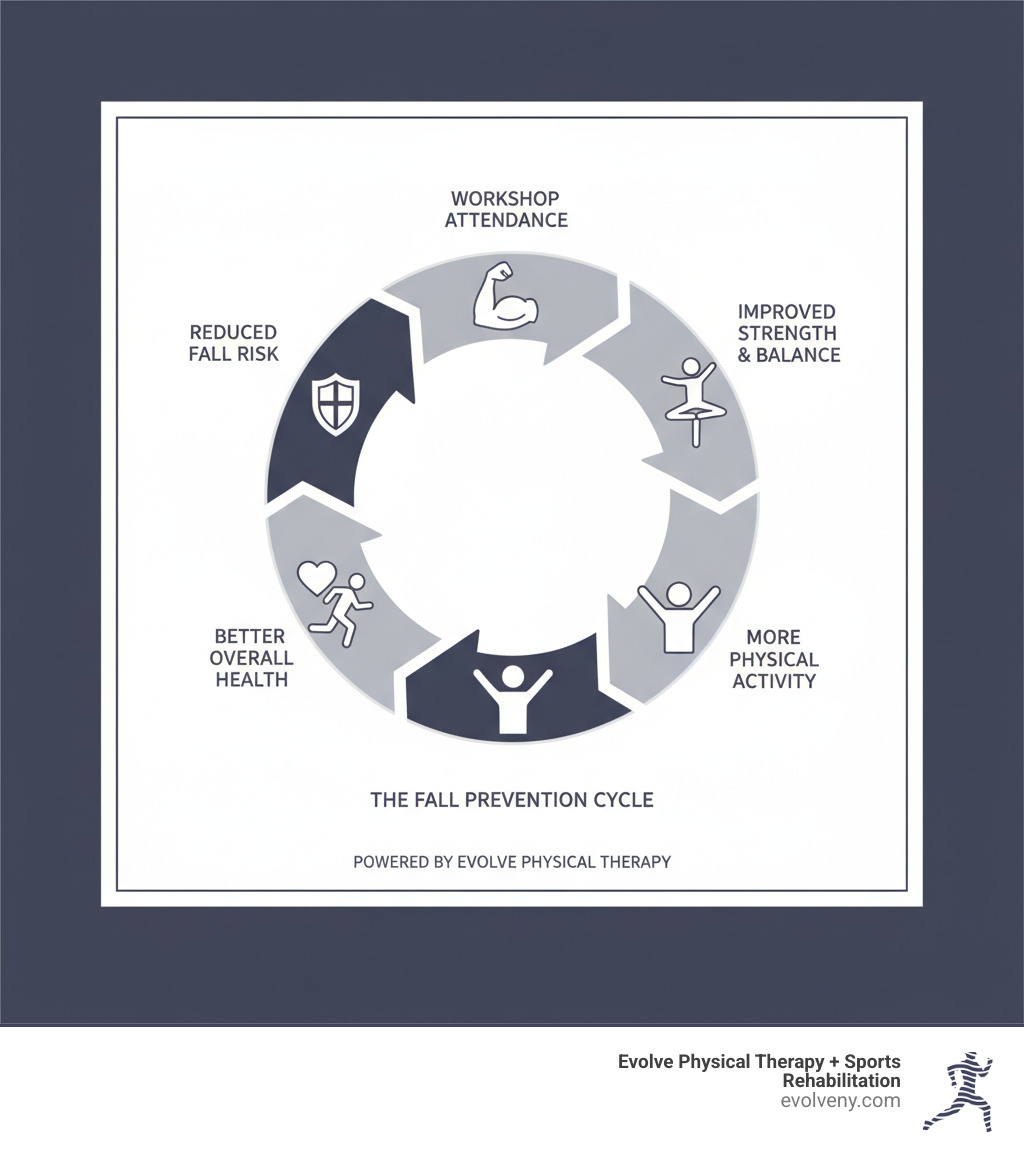
Understanding Your Key Risk Factors for Falls
Falls rarely happen out of nowhere; they usually result from a combination of manageable factors. Understanding your personal risk factors is the first step toward prevention.
Your Body Changes as You Age
As we age, our bodies undergo changes that affect stability. Sarcopenia, the gradual loss of muscle mass, weakens the leg muscles that prevent stumbles from becoming falls. Many older adults also experience balance problems from changes in the inner ear or nervous system. Vision and hearing changes also play a big role. Conditions like cataracts or glaucoma make it harder to spot obstacles, while reduced hearing can affect your spatial orientation. Chronic conditions like arthritis, diabetes, and Parkinson's disease all impact mobility and increase fall risk. For example, diabetes can cause neuropathy, or numbness in the feet, making it hard to feel the ground.
The Choices You Make Every Day
Daily habits significantly influence fall risk. The most dangerous behavior is inactivity. Fearing a fall, many people reduce their activity, which worsens muscle weakness and balance, creating a vicious cycle. Your footwear also matters. Shoes with slippery soles, poor support, or an improper fit are common culprits. Even moderate alcohol consumption can impair balance and judgment.
Hidden Dangers in Your Home
Your home can be full of environmental hazards. Throw rugs are a primary offender, as they easily slip or bunch up. Clutter, such as items on the floor or cords across walkways, creates trip hazards. Poor lighting in staircases and hallways can hide obstacles, and uneven surfaces like the transition from carpet to tile can catch your foot. Bathrooms are particularly dangerous due to wet, hard surfaces, making grab bars essential.
When Your Medications Work Against You
Taking multiple medications (polypharmacy) can increase fall risk due to medication side effects. Many common drugs cause dizziness, drowsiness, or a sudden drop in blood pressure upon standing (orthostatic hypotension).
Common medications that can increase fall risk:
- Antidepressants
- Blood pressure medications (antihypertensives)
- Sedatives and tranquilizers
- Antipsychotics
- Diuretics (water pills)
- Opioid pain relievers
- Antihistamines (especially older types)
- Muscle relaxants
This doesn't mean you should stop your medication. Instead, talk to your doctor or pharmacist. They can review your full list and may be able to adjust dosages or suggest alternatives to reduce your risk.
Assessing Your Personal Fall Risk
How do you know if you're at risk? Have you fallen in the past year, do you feel unsteady, or do you worry about falling? Do you take four or more medications or have chronic conditions affecting your movement? If you answered yes to any of these, it's time to talk to your doctor. They can review your fall history, conduct an assessment, and refer you to resources like fall prevention workshops or physical therapy. Addressing these risk factors before a fall is always the best strategy.
What You'll Gain from a Fall Prevention Workshop

When you join a fall prevention workshop, you're investing in a fuller, more confident life. Many participants walk in nervous and leave weeks later standing taller and moving with purpose.
The physical changes are measurable. Your balance and coordination will improve through targeted, progressive exercises. Your legs will get stronger through lower body strength training, combating age-related muscle loss (sarcopenia). You'll also gain improved flexibility, making everyday movements safer.
The emotional change is often just as powerful. As your body grows stronger, your confidence soars, and the reduced fear of falling is life-changing. Fear can be more limiting than physical weakness, but workshops break this cycle by giving you the physical and mental tools to feel secure. You'll also find social connection by learning alongside peers who share similar goals, which boosts motivation and well-being.
Core Skills Taught in Workshops
Fall prevention workshops provide a complete toolkit of practical skills.
Balance training exercises form the foundation. You'll progress from simple seated movements to more challenging ones like single-leg stands and heel-to-toe walking, improving both static and dynamic balance.
Strength and resistance training focuses on the leg, core, and back muscles that keep you stable, using body weight, resistance bands, or light weights.
Home safety modifications teach you to identify and remove hazards. You'll learn to eliminate clutter and throw rugs, improve lighting, and organize your space to keep items within easy reach.
Medication management is another key component. Experts like pharmacists may visit to explain how certain drugs increase fall risk and what questions to ask your doctor.
Proper footwear selection is crucial. You'll learn to choose shoes with non-slip soles, a proper fit, and adequate support.
You'll also learn how to get up safely from a fall. Knowing how to recover reduces both injury risk and panic. Some workshops also cover topics like nutrition for bone strength and foot health. This holistic approach gives you research-backed skills you can use immediately.
Exploring Different Types of Fall Prevention Workshops
When you start looking for fall prevention workshops, you'll find several options, allowing you to choose a program that fits your needs.
Community-based programs are often the most accessible, held at senior centers, YMCAs, or community halls. Many are free or low-cost and focus on group exercise and social connection.
Hospital or clinic-based programs, like those offered by healthcare providers such as Evolve Physical Therapy, integrate medical expertise. These may involve a multi-disciplinary team of physical and occupational therapists and might require a physician's referral.
Online virtual workshops have grown in popularity, offering convenience for those with mobility challenges or who live in remote areas. You can participate from home while still receiving expert instruction.
Workshops can also be peer-led by trained volunteers or professionally-led by credentialed healthcare professionals. Professionally-led programs typically offer deeper clinical expertise, which is beneficial if you have complex health conditions.
Evidence-Based Programs: The Gold Standard
You'll often hear the term "evidence-based"—this is your best indicator of a quality fall prevention workshop. It means the program is grounded in scientific research and has been proven to reduce falls.
Evidence-based programs use standardized curricula to ensure all essential components are covered. Instructors are required to have specific training, so you're getting proven interventions from qualified professionals. Research shows that a holistic, multi-faceted approach is most effective, which is why these programs integrate exercise, education, home modifications, and medication reviews. At Evolve Physical Therapy, we build our practice around evidence-based methods, like our Rock Steady Boxing program for Parkinson's patients, which was featured on NBC News. We believe in using scientifically validated approaches to improve lives and reduce fall risk.
What to Expect in a Typical Workshop
A typical fall prevention workshop is a supportive, interactive experience.
Most workshops are small groups of 10 to 20 participants, creating a sense of community. In terms of time commitment, programs usually run for 6 to 8 weeks, with sessions lasting 1 to 2 hours once or twice a week. Consistency is key to building new habits.
Workshops are highly interactive, involving hands-on practice of exercises and group discussions. Many programs also bring in guest experts, like pharmacists or vision specialists, to cover specialized topics. You'll be encouraged to set personal goals, tailoring the experience to your needs and giving you concrete targets to work toward. The atmosphere is warm, supportive, and focused on helping you feel stronger and more confident.
How to Find and Join a Program Near You

Finding a fall prevention workshop is easier than you think. Several community resources can point you in the right direction.
Your Local Area Agency on Aging (AAA) is an excellent starting point, as they specialize in services for older adults. Your neighborhood senior center is another great resource, as many workshops are held there. Also, check with your local health department and nearby hospitals or medical centers, which often run or sponsor fall prevention initiatives.
For online searches, many regions have online search directories on websites for public health or aging resources. And of course, we at Evolve Physical Therapy are always happy to guide you. With locations across Brooklyn—including Marine Park, Gravesend, and Park Slope—we can help you find the right resources, whether it's our one-on-one physical therapy or a quality workshop in your neighborhood.
Navigating Eligibility and Costs for Fall Prevention Workshops
Most workshops are designed for adults 60 or 65 and older who are living independently. There may be basic mobility requirements, such as being able to walk a short distance without assistance, to ensure safe participation. If you're unsure about your eligibility, just ask the program coordinator.
The good news is that many fall prevention workshops are free, especially those that are publicly funded. Some may charge a small fee for materials, but scholarships are often available if cost is a concern. While group workshops may not be directly covered by insurance, related services like physical therapy for balance improvement often are. At Evolve Physical Therapy, we work with various insurance providers, including TriCare, and can help you understand your benefits.
Key Questions to Ask Before Registering for Fall Prevention Workshops
Before you sign up, ask a few key questions to ensure a program is the right fit.
- Instructor's qualifications: Are they a certified leader, physical therapist, or nurse?
- Is the program evidence-based? This ensures the methods are proven to work. You can learn about program design from resources like the Canadian Fall Prevention Curriculum.
- Class size: Smaller groups (10-14 people) allow for more personal attention.
- Curriculum: Does it cover a comprehensive range of topics, including exercise, home safety, and medication review?
- Time commitment: Does the schedule fit your life?
- Eligibility and costs: Confirm any age or mobility requirements and all potential fees.
A quality program will welcome your questions and provide thorough answers.
Frequently Asked Questions about Fall Prevention
Let's address some common questions about fall prevention workshops.
I have a fear of falling, but haven't fallen recently. Should I still attend a workshop?
Yes, absolutely. You don't need to wait for a fall to take action. Fear of falling is a risk factor on its own. It can lead you to move less, which causes muscles to weaken and balance to decline, making a fall more likely. Fall prevention workshops are designed to break this cycle by building both physical strength and confidence. Think of it as preventive care for your independence.
How is a workshop different from just going to the gym?
While gym workouts are great for general fitness, fall prevention workshops are more specific. They teach exercises that directly target the muscles and movements that prevent falls, like balance recovery. Workshops also provide crucial education on home safety, medication risks, and proper footwear—topics you won't typically cover at a gym. The group setting with peers and guidance from trained health professionals who understand the needs of older adults also makes the experience unique and highly effective.
How quickly can I expect to see improvements in my balance?
It varies, but most people notice positive changes within a few weeks. You might feel more stable standing up or climbing stairs within the first month. By the six-week mark of a consistent program, measurable improvements in strength and balance are common. The key is consistency. Attending regularly and practicing the exercises will yield the best results. The goal is to build lasting skills that will serve you for years to come.
Conclusion: Take the First Step to a Safer, More Active Life
We know that one in four adults over 65 falls every year, and these falls are a leading cause of injury. But the most important fact is this: most falls are preventable, and you have the power to take control.
This guide has shown how fall prevention workshops build strength, improve balance, and restore confidence. They offer a roadmap to independence by teaching you practical skills, from spotting home hazards to understanding your medications. Perhaps most importantly, they help you build the confidence to live without fear and stay active.
At Evolve Physical Therapy + Sports Rehabilitation, we believe in treating the whole person. As our founder, Lou Ezrick, knows from years of experience, proactive, evidence-based interventions are the most effective. Our commitment is reflected in specialized programs like Rock Steady Boxing for Parkinson's patients (featured on NBC News) and our comprehensive physical therapy services across Brooklyn—from Marine Park to Park Slope.
Physical therapists play a crucial role in fall prevention. We improve core strength, coordination, and proprioception (your body's spatial awareness). We can assess your home for hazards and create a personalized exercise program to target your specific risks.
Don't wait for a fall to happen. Explore the fall prevention workshops in your area, or reach out to us to discuss how physical therapy can address your balance and strength needs. You deserve to live an active, independent, and engaged life. Take the first, most important step today.
Learn how physical therapy for seniors can improve your balance and strength
