

Strain-Counterstrain: Is This Therapy Your Path to Pain Relief?
Understanding Strain-Counterstrain: A Gentle Path to Pain Relief
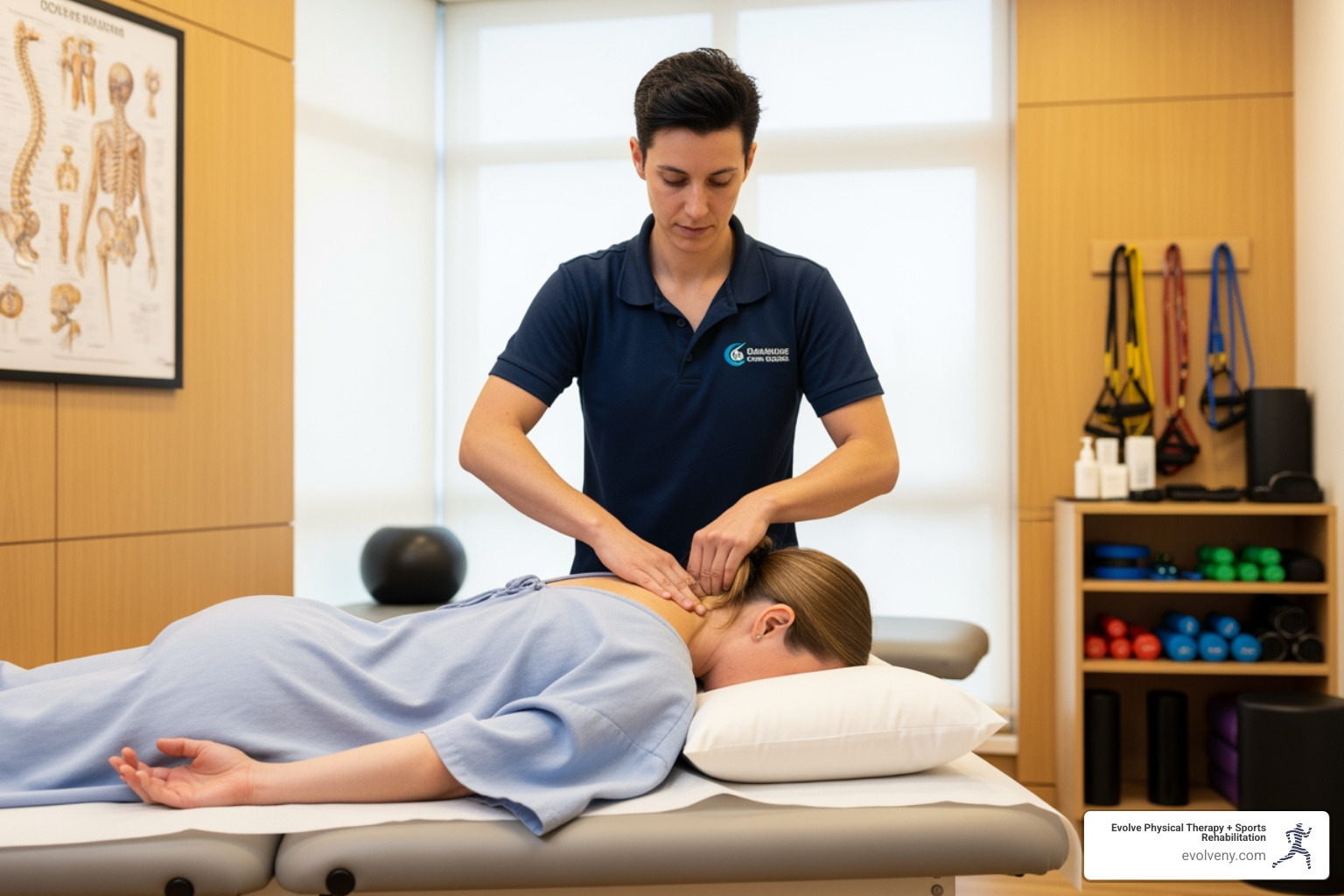
Strain counterstrain exercises are not exercises you perform yourself—they're a specialized manual therapy technique where a trained physical therapist gently positions your body to release painful tender points and restore normal muscle function.
Quick Answer: What You Need to Know
- It's a passive technique - The therapist does the work, you relax
- How it works - Therapist finds tender points, positions you for comfort, holds 90 seconds
- What it treats - Neck pain, back pain, headaches, joint stiffness, muscle spasms
- Why it's different - Moves away from pain, not into it
- Who benefits - Anyone seeking gentle, non-forceful pain relief
Developed by osteopath Dr. Lawrence Jones in 1955, Strain-Counterstrain (SCS) is a gentle osteopathic manual therapy. Unlike traditional stretching, it works by positioning your body into a state of ease—where pain decreases—and holding it for about 90 seconds. This allows tight muscles to "reset" their neuromuscular reflexes, providing relief without force. The technique is so gentle it can be used on nearly any patient, from infants to the elderly, helping manage pain quickly without medication.
I'm Lou Ezrick, founder of Evolve Physical Therapy in Brooklyn. For nearly two decades, I've used strain counterstrain exercises in treatment plans for patients with chronic and complex pain who need gentle, effective relief. This guide will explore how the technique works, who it helps, and its role in a full rehabilitation program.
Decoding Strain-Counterstrain: What It Is and How It Works
If you've ever wondered how a technique so gentle could be so effective, the story behind Strain-Counterstrain is fascinating—and it explains why it's such a valuable tool in our Brooklyn practice.
Strain-Counterstrain has a serendipitous origin. In 1955, osteopathic physician Dr. Lawrence Jones made an accidental findy. While treating a patient with severe, persistent low back pain, he spent 20 minutes searching for a position of comfort. After finding one and letting the patient rest in it, he was stunned to find the man's pain had vanished upon standing up.
This became the foundation of Strain-Counterstrain, a cornerstone of osteopathic manipulative treatment (OMT). Dr. Jones realized that by moving a painful body part away from the barrier of pain and into comfort, he could release persistent muscle spasms. This gentle approach offers a different philosophy than the "no pain, no gain" mentality.
The beauty of SCS lies in its counterintuitive approach. Instead of stretching a tight muscle, we gently shorten it even further. This tells the nervous system that it's safe to release its protective hold. That's why strain counterstrain exercises feel so different—there's no force, just gentle positioning that allows your body to reset itself.
At Evolve Physical Therapy, we use SCS as part of our comprehensive manual therapy approach because it respects your body's natural healing processes. To learn more about how we combine hands-on techniques, visit our Manual Therapy Brooklyn page.
Here's how Strain-Counterstrain compares to other gentle manual therapy techniques:
| Technique | Description | Patient Involvement | Force Level | Primary Goal |
|---|---|---|---|---|
| Strain-Counterstrain | Indirect technique involving passive positioning into comfort to release tender points. | Passive | Very Gentle | Reset neuromuscular reflexes, reduce muscle spasm and pain. |
| Soft Tissue Therapy | Broad term for hands-on techniques (e.g., massage, myofascial release) to relax muscles, improve circulation, and reduce pain. | Passive | Gentle to Moderate | Improve tissue extensibility, reduce tension. |
| Therapeutic Exercise | Guided movements and activities designed to restore strength, flexibility, balance, and endurance. | Active | Variable | Improve function, prevent re-injury, build resilience. |
The Science Behind the Gentleness: Proposed Mechanisms
How can something so gentle create real change? The answer lies in your nervous system.
The most accepted explanation is the Proprioceptive Theory. When a muscle is strained, sensory organs called muscle spindles fire off alarm signals, locking the muscle into a protective, tight state. This creates a painful tender point. Sometimes, these spindles get stuck in "alarm mode," creating a faulty nerve reflex (aberrant neuromuscular reflex arc) that keeps the muscle chronically tight and painful, much like a car alarm that won't turn off.
SCS works by passively shortening the affected muscle, which silences the overactive muscle spindles. This allows the nervous system to reset the faulty reflex, calming the muscle. By addressing this root neurological issue, we reduce pain signals (nociceptive input). This release of tension also improves circulation, bringing oxygen to the tissue and clearing out waste products, which helps with inflammation reduction and promotes natural healing. For more detail, you can explore this scientific research on SCS mechanisms.
How SCS Differs from Other Manual Therapies
Strain-Counterstrain stands out in hands-on therapy for several key reasons.
First, SCS targets tender points, which are different from trigger points. Tender points are small, localized spots of pain that do not refer pain elsewhere when pressed. Trigger points, often found in tight muscle bands, cause pain to radiate to other areas.
Second, SCS is a completely passive technique. You relax while the therapist does all the work, unlike active techniques where you contract muscles against resistance.
The gentleness of SCS gives it an excellent safety profile. We move your body away from pain, not into it, making the treatment comfortable. There is no forceful pushing or "working through the pain," which makes it ideal for acute injuries or patients who can't tolerate aggressive therapies.
Finally, SCS is an indirect technique. Instead of pushing into a restriction, we move the body into a position of ease, away from the painful barrier. This different philosophy is often effective when direct approaches have failed. At Evolve Physical Therapy, our therapists select the best technique for your needs from a range of options. Learn more on our Soft Tissue Therapy Brooklyn page.
Who Can Benefit from Strain-Counterstrain?
Because SCS is so gentle, almost anyone experiencing pain can benefit. It's particularly effective for somatic dysfunction—when your muscles, joints, and connective tissues aren't working correctly. This includes hypertonic muscles (stuck in a state of tension) or joint restrictions that make movement painful.
At Evolve Physical Therapy, we've used this therapy on everyone from young athletes to grandparents with arthritis. We believe in finding the gentlest effective solution for your unique situation. For comprehensive strategies, explore our Pain Management Physical Therapy services.
Conditions Effectively Treated by SCS
The versatility of strain counterstrain exercises allows us to treat a wide range of conditions in our Brooklyn practice.
- Neck pain: SCS can reset tight neck muscles, whether the pain is from poor posture, sleeping wrong, or an injury.
- Low back pain: SCS releases deep muscle spasms that cause chronic low back pain, often leading to immediate mobility improvements.
- Headaches: By releasing tight neck and upper back muscles, SCS can address the root cause of tension and cervicogenic headaches.
- Sciatica: SCS can ease sciatica by reducing muscle spasms in the low back and pelvis that pressure the sciatic nerve.
- Arthritis: While not a cure, SCS improves quality of life by relaxing muscles around painful joints, reducing pain and increasing mobility.
- Tendinitis: SCS helps break the pain cycle of tendinitis by relaxing the protective muscle tightening around inflamed tendons. Learn more at Physical Therapy for Tendonitis Brooklyn.
- Other Conditions: The gentle positioning of SCS can also benefit conditions like plantar fasciitis, post-operative pain, and fibromyalgia.
Are You an Ideal Candidate for This Gentle Therapy?
One of the best things about SCS is its safety and suitability for a wide range of people.
We particularly recommend SCS for:
- Acute injuries: When an injury is fresh and highly sensitive, SCS provides relief without aggravating the tissue.
- Chronic pain sufferers: SCS can break the stubborn cycle of muscle tension, especially when other therapies have failed. Visit our Chronic Pain Physical Therapy Brooklyn page to learn more.
- Low pain tolerance: If you find other therapies too intense, you'll appreciate how SCS works with your comfort level, not against it.
- Sensitive populations: Post-surgical patients, elderly patients with osteoporosis, and even infants with torticollis benefit from SCS because it is non-forceful and safe for healing tissues or fragile bones.
However, a thorough assessment is crucial. Contraindications include unstable fractures, complete ligament tears, or severe acute illness. We proceed with extra caution for conditions like severe osteoporosis or ligamentous instability. Your consent and feedback are always essential for a safe and successful treatment.
What to Expect: The Strain Counterstrain Exercises and Treatment Process
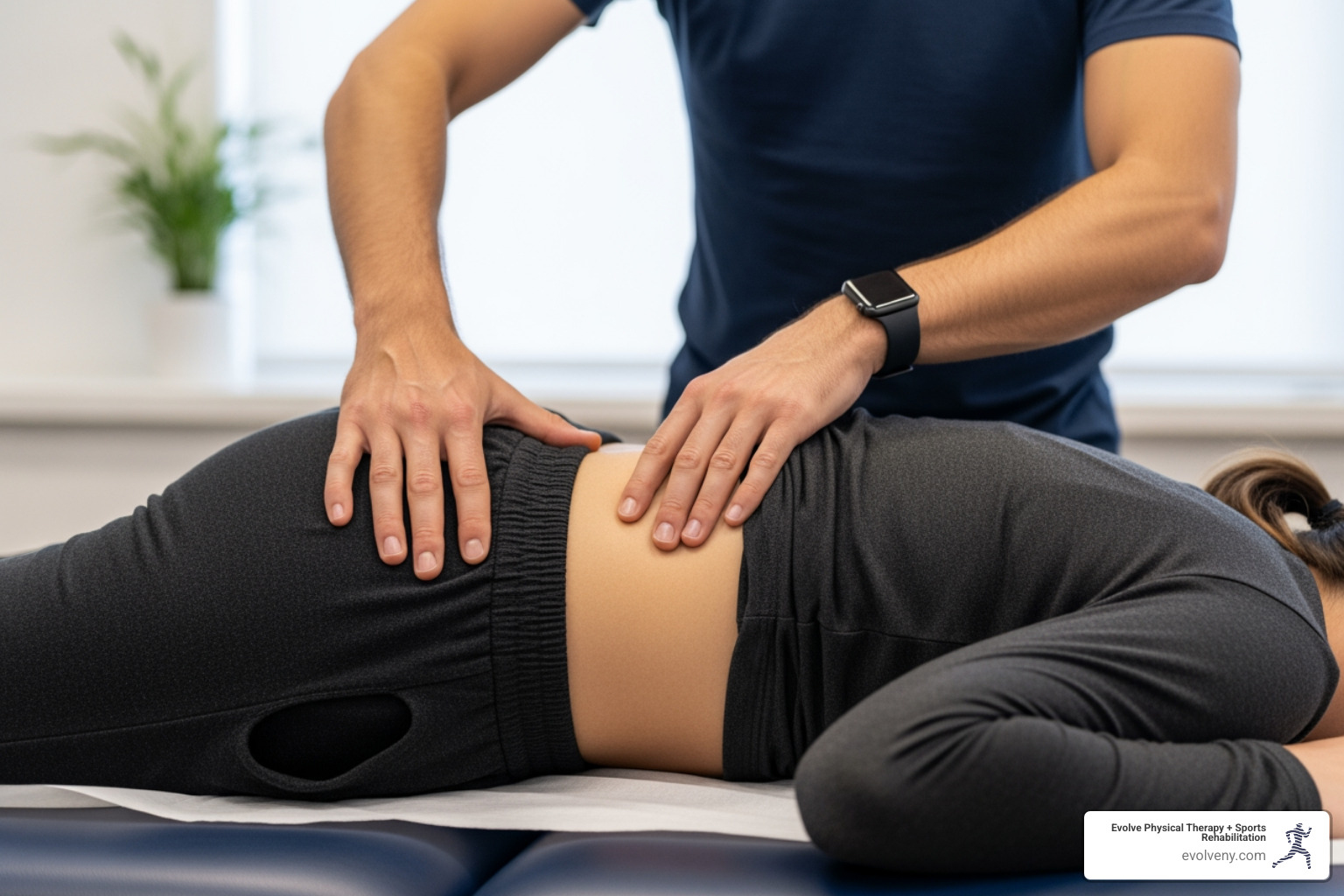
Strain counterstrain exercises are not exercises you do yourself. SCS is a passive technique where your physical therapist performs all the work. Your role is simply to relax and provide feedback. While active exercises are part of a complete recovery plan, the SCS portion involves your therapist skillfully positioning you to release over 200 documented tender points in the body. Each point requires a specific position, held for 90 seconds, to allow your nervous system to reset.
The Key Steps of a Treatment Session
An SCS session at our Brooklyn clinic is methodical, gentle, and relaxing.
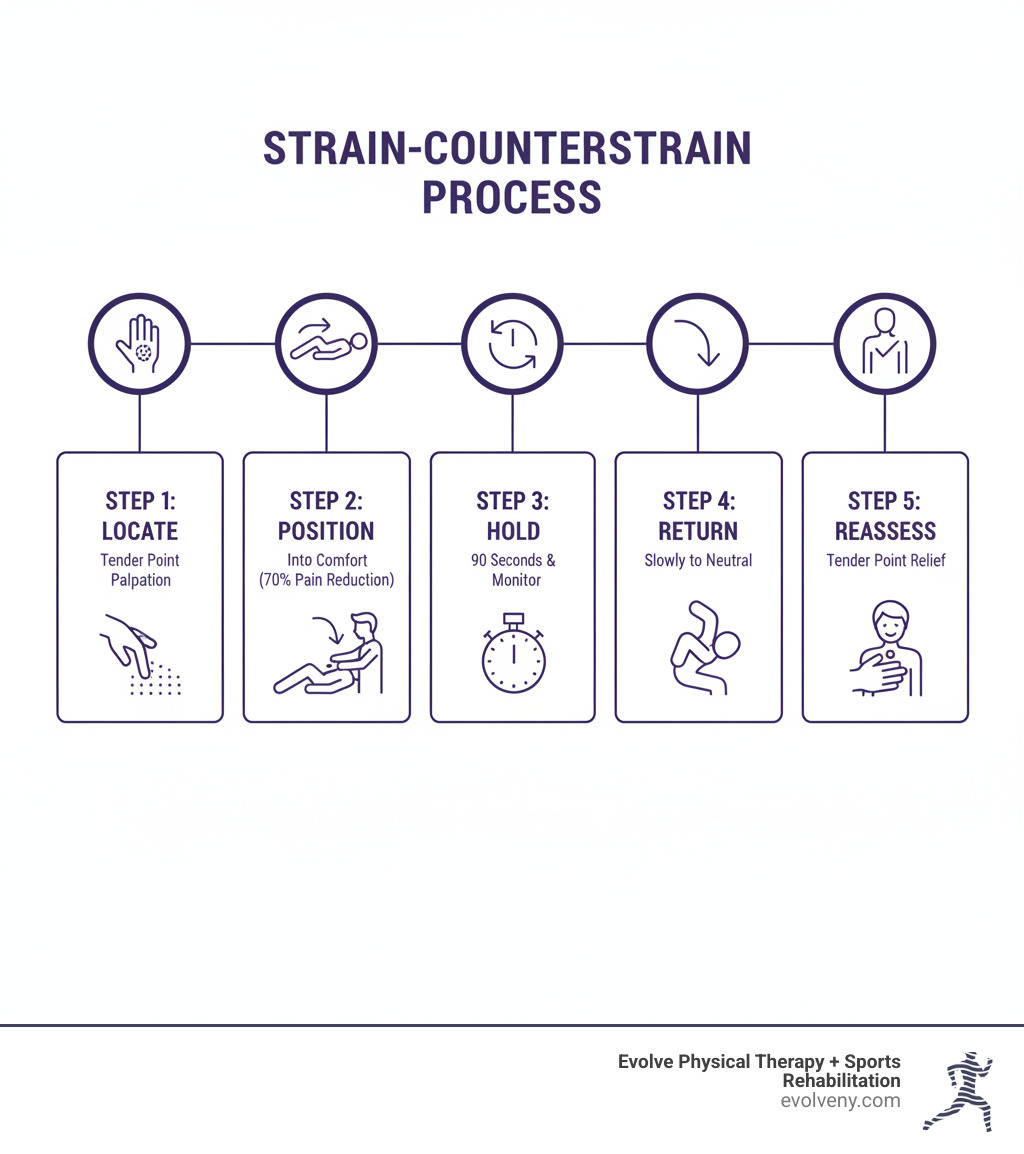
Step 1: Find the Tender Point Your therapist uses gentle palpation to locate a specific, hypersensitive tender point. Using very light pressure, we'll ask you to rate the tenderness on a 0-10 scale to establish a baseline for treatment.
Step 2: Position of Comfort We gently move your body into a "position of ease," shortening the muscle associated with the tender point. While monitoring the point, we search for a position that reduces tenderness by at least 70%. The position should feel comfortable and provide immediate relief.
Step 3: Hold for 90 Seconds We hold this position of comfort for 90 seconds. This specific duration allows your neuromuscular system time to reset. During this hold, you can relax as your therapist feels the tissue soften and release.
Step 4: Slow, Passive Return to Neutral After the hold, we slowly and passively guide your body back to a neutral position. This gradual return is crucial to prevent the muscle from re-tensing.
Step 5: Re-assessment of the Tender Point We re-check the tender point. You will likely notice a significant reduction in pain and an improvement in tissue texture. Many patients experience an immediate increase in their range of motion. This five-step process is a precise, systematic approach to pain relief. If you're curious about how this fits into the broader landscape of physical therapy, we've written a helpful overview at what is Physical Therapy.
Integrating Strain Counterstrain Exercises with Your Physical Therapy Plan
SCS is rarely a standalone treatment. At Evolve Physical Therapy, we see it as a powerful tool to prepare the body for active rehabilitation. By first reducing pain and releasing muscle guarding with SCS, we create a stable foundation for strengthening and mobility work.
Research supports this combined approach, showing that SCS paired with exercises yields significantly better results for conditions like chronic low back pain. We integrate SCS with other manual therapies like Instrument-Assisted Soft Tissue Mobilization (IASTM) and targeted therapeutic exercises. A typical plan starts with SCS to reduce pain, followed by exercises to build stability and mobility, ensuring a comprehensive and lasting recovery. To learn more about how we incorporate active exercise into your recovery, visit our Therapeutic Exercise Brooklyn page.
The Evidence and Advanced Applications of Strain-Counterstrain
At Evolve Physical Therapy, we believe in understanding the evidence behind our treatments. Strain-Counterstrain has been practiced for over half a century, and the clinical evidence for its effectiveness in providing pain reduction and improved range of motion continues to grow.
Research, including a systematic review, confirms that SCS is effective in reducing tender point pain and shows positive outcomes for neck and low back pain, often with immediate relief. You can explore the research landscape further in A systematic review on SCS effectiveness.
While clinical experience strongly supports its use, we acknowledge the research limitations. Like many manual therapies, creating high-quality, large-scale sham-controlled trials is challenging. Therefore, there is a need for more studies to fully validate its long-term efficacy across all conditions. For more on the science, check out this scientific research on SCS mechanisms.
Beyond the Muscles: Advanced Strain Counterstrain Applications
While many associate strain counterstrain exercises with muscles and joints, advanced applications reflect our holistic approach to healing at Evolve Physical Therapy. These techniques address tissues controlled by the autonomic nervous system, such as blood vessels, organs, and lymphatic pathways.
- Vascular SCS: Can improve circulation by releasing tension around blood vessels, helping with certain types of headaches.
- Visceral SCS: Targets restrictions around internal organs to help with GI issues, respiratory challenges, and other internal dysfunctions.
- Lymphatic SCS: Works to release restrictions in the lymphatic system to help manage lymphedema, reduce swelling, and support immune function.
- Disc SCS: Can provide relief for conditions like herniated discs and sciatica by reducing tension around the affected spinal disc.
These advanced applications demonstrate the potential of SCS to influence your body's complex systems, contributing to overall health. To learn more about how we integrate various therapies for comprehensive health, visit our Physical Therapy and Wellness page.
Frequently Asked Questions about Strain-Counterstrain
At Evolve Physical Therapy in Brooklyn, we want you to feel informed and comfortable. Here are answers to common questions about strain counterstrain exercises.
Is Strain-Counterstrain painful?
No. The entire technique is designed to be gentle and relaxing. We move your body into positions of comfort where pain decreases. While locating the tender point may cause momentary discomfort, the treatment itself is pain-free. Many patients find it so relaxing they feel their muscles "melt" or even doze off. Your comfort is our priority, and we encourage you to speak up if anything feels uncomfortable.
How many sessions will I need?
The number of sessions depends on your condition. Acute injuries often see significant improvement in just 1-3 sessions. Chronic conditions that have persisted for months or years typically require more sessions, often 6-10 or more, as part of a comprehensive plan that includes strengthening and mobility work. During your initial evaluation, we will provide a personalized treatment plan and timeline.
Can I perform Strain-Counterstrain on myself?
No. While the DIY spirit is admirable, SCS requires a trained professional. Identifying the precise location of over 200 tender points and finding the exact three-dimensional position of comfort requires extensive anatomical knowledge and skilled palpation. A therapist must feel subtle tissue changes while positioning you, which is impossible to do on yourself. Attempting to self-treat is ineffective and could potentially cause strain. It's a technique best left to a trained therapist to ensure it is performed safely and effectively.
Conclusion: Your Next Step Towards a Pain-Free Life
We've explored strain counterstrain exercises—a technique less about "exercise" and more about your body finding its own path to comfort. The core principle is simple: by holding a position of ease for 90 seconds, we can reset the nerve reflexes that cause pain. This gentle, safe, and non-pharmacological approach is effective for a vast range of conditions, from acute neck pain to chronic fibromyalgia.
Understanding that healing can come from ease, not force, is empowering. At Evolve Physical Therapy in Brooklyn, our hands-on philosophy is built on this principle. We create comprehensive plans that combine SCS with strengthening and other therapies to achieve lasting change, not just temporary relief. Our compassionate, evidence-based care, featured on NBC News, is custom to your unique needs.
You don't have to live with pain or limited mobility. A path forward exists, and it begins with reaching out. Take control of your pain with expert Manual Physical Therapy in Brooklyn. Let's work together to help you move better, feel better, and live the vibrant, pain-free life you deserve.
