

Beyond the Break: Your Guide to Orthopedic Physical Therapy
Understanding Orthopedic Surgery Physical Therapy

When recovering from an injury or surgery, understanding the path back to full health is key. Orthopedic surgery physical therapy is a specialized area of physical therapy focused on helping you recover function and reduce pain after injuries or operations affecting your bones, joints, muscles, ligaments, and tendons.
Here's a quick look at what it involves:
- What it is: Specialized physical therapy for your musculoskeletal system. It helps you get back to normal after injuries or surgery involving bones, joints, muscles, ligaments, and tendons.
- Key Goals: To restore strength, increase mobility, manage pain, and improve overall function and quality of life. It also aims to prevent re-injury.
- Difference from General PT: Orthopedic physical therapists have extra training and education beyond a general physical therapy degree. This makes them experts in musculoskeletal conditions and post-surgical care.
Orthopedic conditions can disrupt your ability to move freely and live without pain. Whether it's a sports injury, a fracture, or a joint replacement, physical therapy is a necessary step in getting you back on track.
As Louis Ezrick, founder of Evolve Physical Therapy, I’ve spent nearly two decades helping patients with complex recoveries. My expertise in orthopedic surgery physical therapy ensures patients regain function and quality of life. This guide will walk you through this vital part of your recovery journey.
The Goals and Benefits of Post-Surgical Rehabilitation
The goal of orthopedic surgery physical therapy is to help you emerge from surgery stronger, more mobile, and with a better quality of life. Post-surgical rehabilitation is pivotal for restoring function, optimizing your body's potential, and preventing future issues. It's about not just getting back to where you were, but emerging even better.
The Primary Goals of Orthopedic Surgery Physical Therapy
When you begin your orthopedic surgery physical therapy journey, we'll focus on several key objectives to ensure a comprehensive recovery:
- Restoring Range of Motion: After surgery, joints often become stiff. Our therapists use gentle exercises and manual techniques to restore your full range of motion, which is crucial for everyday activities. Early mobilization is key to regaining safe movement and reduces the risk of complications like blood clots and muscular atrophy.
- Muscle Strengthening: Muscles near the surgical site often weaken from disuse. We design targeted strength training programs to rebuild these muscles, providing stability and support to your joints. Physical therapy can help muscles become stronger than before surgery, preventing future injuries.
- Neuromuscular Re-education: This means retraining your brain and muscles to work together efficiently. After surgery, your body's natural movement patterns can be disrupted. We help you regain balance, coordination, and proper movement mechanics.
- Gait Training: If your surgery affected your lower body, learning to walk properly again is a major step. We guide you through gait training, often starting with assistive devices like crutches or walkers, to ensure you move safely and confidently. Our therapists ensure you use these devices correctly to prevent falls.
- Functional Training: The ultimate goal is returning to your daily activities, hobbies, and sports. Functional training mimics these real-life movements, preparing your body for your unique lifestyle, whether that means playing with your grandkids or getting back on the tennis court.
- Pain and Swelling Reduction: Pain is a natural part of recovery, and we have many tools to manage it. We use various modalities and techniques to reduce pain and swelling, making your rehabilitation more comfortable and effective. This can also reduce reliance on pain medications.
Conditions That Benefit from Orthopedic PT
Orthopedic physical therapists treat a wide array of conditions affecting the musculoskeletal system, both pre- and post-surgery. Surgeons often refer patients for physical therapy, sometimes even before considering surgery, depending on the condition.
Here's a list of conditions where orthopedic surgery physical therapy truly shines:
- Sprains and Strains: From a twisted ankle to a pulled hamstring, these common injuries respond well to targeted rehabilitation.
- Arthritis Management: Whether it's osteoarthritis or rheumatoid arthritis, we help manage pain, improve joint function, and maintain mobility.
- Post-Fracture Care: After your bone has healed, physical therapy helps restore strength, flexibility, and function to the affected limb.
- Joint Replacements: Surgeries like knee and hip replacements require intensive physical therapy to ensure the new joint functions optimally.
- Ligament and Tendon Repairs: From ACL reconstructions to rotator cuff repairs, we guide you through the delicate healing process to regain stability and strength.
- Chronic Back and Neck Pain: Often stemming from disc issues, muscle imbalances, or poor posture, physical therapy provides relief and long-term solutions.
- Sports Injuries: Athletes frequently rely on orthopedic PT to recover from injuries and return to their sport safely and at peak performance.
- Balance/Coordination Problems & Instability: We address issues that can lead to falls or hinder confident movement.
- Spinal/Pelvic Disorders: Conditions affecting the spine and pelvis are expertly managed to reduce pain and improve stability.
- Foot/Ankle Pain: Plantar fasciitis, Achilles tendinitis, and other foot and ankle issues are common conditions we treat.
- Prosthetic Training: We help patients learn to use prosthetic devices effectively, integrating them into their daily lives.
A Look Inside Your Session: Techniques and Modalities
Your first orthopedic surgery physical therapy session is a step into a welcoming environment where skilled therapists blend hands-on care with proven techniques, customized for your recovery. Whether you're visiting our Brooklyn clinics in Park Slope, Midwood, or Mill Basin, you'll find a personalized approach centered on your healing.
Your sessions are active. You'll move, stretch, and work through exercises designed for your condition. You'll also learn about your body, your injury, and how to move in ways that protect and strengthen you long-term.
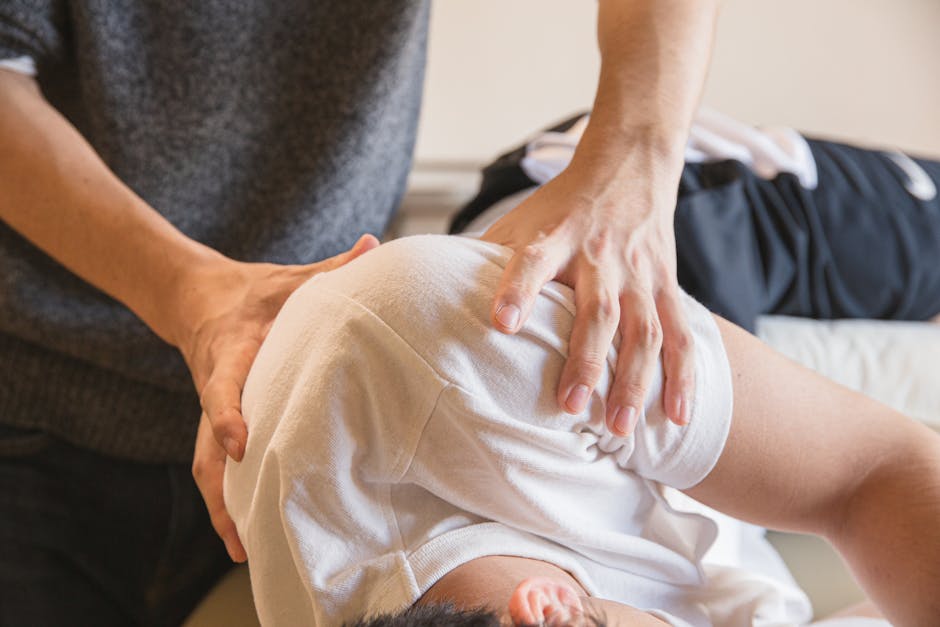
Common Techniques in Orthopedic Surgery Physical Therapy
The foundation of your recovery rests on time-tested techniques like manual therapy. This is hands-on work where your therapist uses skilled movements to mobilize stiff joints, release tight muscles, and reduce tension. It's highly effective for pain management and restoring normal joint function.
Therapeutic exercise forms the backbone of your treatment plan. These are carefully selected exercises that target your specific needs, like rebuilding strength in a replaced knee. We guide you in the clinic and provide a home exercise program so you can progress between visits. Active participation is key to your recovery.
Joint mobilization involves gentle, controlled movements applied to specific joints to restore their natural mechanics and ease stiffness, coaxing them back into their normal rhythm after surgery.
Soft tissue massage techniques help calm muscle spasms, ease pain, and boost blood flow to areas that need healing.
Strength training exercises focus on building functional strength in surrounding muscles, creating a support system that protects your healing tissues and prevents future injury.
Paired with stretching and flexibility work, these exercises help you regain your full range of motion while reducing that tight, uncomfortable feeling that often follows surgery.
Balance and proprioception drills are crucial for retraining your body's awareness of its position in space. This is especially important after lower extremity surgeries to rebuild confidence in your movement and reduce your risk of falls.
One of the most valuable parts of your session is the patient education on body mechanics you'll receive. We teach you how to move properly during daily activities like bending or sitting. These lessons protect your healing tissues and set you up for long-term success.
Advanced and Emerging Adjunct Therapies
Beyond traditional methods, we incorporate innovative techniques to accelerate healing and improve comfort. An update on physical therapy adjuncts in orthopedics highlights how these approaches are changing rehabilitation.
Blood Flow Restriction (BFR) training is a gentle way to build strength early in recovery. By applying a specialized cuff to a limb to partially restrict blood flow during exercise, you can gain muscle strength using much lighter weights. This is ideal when your tissues aren't ready for heavy loading.
Dry needling involves inserting fine needles into tight muscle trigger points to release tension and reduce pain. It's helpful for post-surgical muscle guarding or spasms, helping them relax and function normally. Many patients find it provides relief when other methods haven't.
Cupping therapy is an ancient technique used in modern rehabilitation. By placing cups on the skin to create suction, we can increase blood flow, reduce inflammation, and address soft-tissue restrictions. Many patients find it helps manage pain and improve mobility.
Light therapy (Photobiomodulation) uses specific wavelengths of light to work at a cellular level, reducing pain and inflammation while promoting tissue healing. Kinesio taping provides support without restricting movement. The elastic tape is applied to support muscles and joints, reduce swelling, and improve body awareness of the area.
Heat and ice application remain staples of pain management—heat relaxes tight muscles and improves circulation, while ice reduces swelling and numbs acute pain. Electrical stimulation uses gentle electrical currents to reduce pain, activate muscles, and promote healing by stimulating nerves and muscle tissue.
Orthopedic surgery physical therapy is never one-size-fits-all. We draw from this full toolkit to create a treatment plan that addresses your specific needs, adjusting as you progress.
Your Role in Recovery: How to Maximize Your PT Experience
Your recovery is a team effort. While our skilled therapists at Evolve Physical Therapy provide expert guidance, your active engagement is the secret to success. We've consistently seen that patients who fully invest in their rehabilitation achieve the best outcomes. Think of us as your coaches and you as the star player.
Preparing for Your First Appointment
Preparing for your first orthopedic surgery physical therapy appointment is straightforward. We want you to feel comfortable and ready to make the most of it from the start.
First, let's talk about what to wear. Choose comfortable, loose-fitting clothing that allows you to move freely. Shorts are a great choice for knee or hip work, while a t-shirt or tank top is ideal for shoulder or back issues. The goal is easy access for your therapist and easy movement for you.
Next, remember what to bring. Please have your doctor's referral ready (if your insurance requires one), any recent imaging reports like X-rays or MRIs, and a list of your current medications. Also, jot down any questions you have—no question is too small. Understanding your diagnosis and treatment is a key part of patient education. The more you know about your recovery path, the more empowered you'll feel.
The Importance of a Personalized Treatment Plan
At Evolve Physical Therapy, we know every recovery journey is unique. A "one-size-fits-all" approach doesn't work in orthopedic surgery physical therapy. We craft highly personalized treatment plans for every patient who walks through our Brooklyn clinic doors.
Your first visit includes a thorough initial evaluation and physical examination. We get to know you, your condition, your limitations, and what you hope to achieve. From there, we work together to set realistic and meaningful goals. Whether it's walking through Prospect Park without pain or getting back on the basketball court, your goals drive our plan.
Recovery isn't always a straight line. We'll be continuously monitoring your progress and adjusting interventions as needed. This ensures your plan is always tuned to help you progress safely and effectively. It’s a true collaboration with your therapist, who acts as your expert guide and motivator.

A significant part of your recovery happens outside our clinic walls, which is why adherence to home programs is so important. We provide clear, customized exercises to do at home, empowering you to maintain momentum between sessions. Your dedication is crucial for maximizing results!
Finding the Right Professional Team
Your recovery from orthopedic surgery is a team effort between your orthopedic surgeon and your physical therapist. At Evolve Physical Therapy, we believe in this partnership, building open communication with doctors to ensure coordinated care that follows all post-surgical protocols.
Assessing a Physical Therapist's Credentials
Before you put your trust and your recovery into anyone's hands, it's wise to check their background. We're all about being open and clear, and we want all our Brooklyn patients to feel good about asking about their therapist's qualifications.
First, know that all licensed physical therapists in the U.S. must have a Doctor of Physical Therapy (DPT) degree from a trusted school. This means they've learned a ton about how your body works and how to help it heal. Next, they must hold a State Licensure, meaning they've passed tough exams and follow high professional standards.
But for something as specific as orthopedic surgery physical therapy, you'll want to look for someone even more specialized. Keep an eye out for a Board-Certified Orthopaedic Clinical Specialist (OCS). This is a big deal! It shows they have extra advanced knowledge and skills just for orthopedic conditions. They've often done extra training, like a residency, and passed a really tough exam. The Academy of Orthopaedic Physical Therapy is a great place to learn more about what this special certification means. Don't be shy about asking if your therapist has experience with your specific condition – like your knee replacement or rotator cuff repair. While all OCS therapists are experts, some might have seen more cases just like yours!
The Surgeon-Therapist Partnership
The bond between your orthopedic surgeon and your physical therapist is super important for a truly smooth and effective recovery. Think of them as two halves of a winning team, both focused on you!
Your therapist needs to know all the details about your surgery. This means sharing surgical notes about exactly what was done, any hardware used, and any special things to watch out for. This helps your physical therapist create a rehabilitation plan that's safe and just right for you. Your therapist will also make sure to follow protocols set by your surgeon. These are like a roadmap for your recovery, ensuring everything goes as planned.
Regular chats and progress updates between your therapist and surgeon are key. This way, everyone knows how you're doing, and if any little bumps come up, they can be handled right away. This team approach truly helps in ensuring a seamless recovery, avoiding confusion and making your healing journey as easy as possible. And as your body heals, your needs will change. That's why they work together to adjust the plan based on healing, making sure your exercises keep pace with your progress and you're ready for every new step forward.
Frequently Asked Questions about Orthopedic Physical Therapy
We know you'll have questions as you steer your recovery. After nearly two decades of working with patients across our Brooklyn clinics in Park Slope, Midwood, and Mill Basin, I've heard just about every concern imaginable. Let's tackle the most common ones head-on.
Is physical therapy after surgery supposed to be painful?
It's understandable to worry about pain. The truth is, some discomfort during orthopedic surgery physical therapy is normal, but it shouldn't be torture. Your body has been through a significant event, and we're asking it to move in new ways, which can be challenging.
What we always teach our patients is the difference between "good pain" and "bad pain." Good pain feels like a stretch, a gentle pulling sensation, or muscle fatigue – the kind you might feel after a workout. Bad pain is sharp, shooting, or gets progressively worse. Bad pain is your body's alarm system telling you something isn't right.
Your job is to communicate with your therapist. Always. If something hurts, tell us immediately. We can adjust the exercise, modify the intensity, or use different modalities for pain relief. We have an entire toolbox at our disposal – heat, ice, electrical stimulation, manual therapy techniques – all designed to make your sessions more comfortable and effective.
The importance of consistency can't be overstated. Yes, pushing through mild discomfort (the "good pain" kind) is often necessary for progress. But you should never feel like you're suffering through your sessions. If you are, we need to know so we can adjust your treatment plan.
How long will I need physical therapy after my orthopedic surgery?
This is a common question, and the honest answer is: it depends. Your recovery is as unique as you are.
Several factors influence how long you'll need orthopedic surgery physical therapy. The type of surgery is a big one – a minor arthroscopic procedure will require far less rehabilitation than a total joint replacement or complex ligament reconstruction. Your overall health matters too. Your age, any pre-existing conditions, and your fitness level before surgery all play a role in how quickly your body heals.
Your adherence to the program is often the biggest factor of all. Patients who diligently do their home exercises, follow precautions, and show up consistently to their appointments typically recover faster and with better outcomes.
For typical timelines with common surgeries, knee or hip replacements can range from a few weeks of intensive therapy to several months. Some research suggests that formal therapy beyond eight weeks for knee replacement may not be necessary for all patients to achieve successful outcomes. For hip replacements, home-based exercise programs can be just as effective as outpatient therapy for many people.
ACL reconstruction is typically a longer journey – often six to nine months, sometimes longer if you're planning to return to cutting and pivoting sports. Rotator cuff repairs usually require three to six months, depending on the size of the tear and the surgical approach.
Fracture rehabilitation varies widely based on which bone was broken, how severe the injury was, and whether surgery was needed. For distal radius fractures (wrist), research shows that early therapy within three weeks can improve outcomes, and supervised therapy is particularly recommended for older individuals or those with complications.
What makes an Orthopedic Clinical Specialist (OCS) different?
This question highlights the level of expertise you should expect when choosing a physical therapist for your recovery.
An Orthopedic Clinical Specialist (OCS) is a physical therapist who has dedicated themselves to becoming an expert in orthopedic care. It's not just a fancy title – it represents years of additional training and a serious commitment to excellence.
After earning their Doctor of Physical Therapy degree, an OCS candidate undergoes extensive post-graduate training in orthopedics, often through a clinical residency or fellowship. This provides intensive, mentored experience, similar to the difference between a general practitioner and a medical specialist.
To earn the OCS credential, therapists must pass a rigorous board certification examination that tests their in-depth knowledge of musculoskeletal conditions, rehabilitation techniques, and evidence-based practice. This isn't a test you can cram for – it requires genuine expertise and extensive clinical experience.
What does this mean for you? When you work with an OCS for your orthopedic surgery physical therapy, you're working with a recognized expert who possesses specialized knowledge in the anatomy, physiology, and pathology of the musculoskeletal system. They can provide highly accurate diagnoses and develop more effective treatment plans because they've seen it all and know exactly what works.
The Academy of Orthopaedic Physical Therapy is an excellent resource if you want to learn more about this specialization and what it takes to achieve this level of expertise.
Your Path to a Stronger Recovery
Recovering from surgery is about reclaiming your life. Orthopedic surgery physical therapy is the bridge from the operating table back to the activities you love, changing pain into strength and limitation into freedom.
Throughout this guide, we've explored how physical therapy restores not just your body, but your quality of life. From managing pain and rebuilding strength to improving mobility and preventing future injuries, every session moves you closer to your goals. The process is comprehensive, addressing your physical needs while also empowering you with knowledge about your body and how to care for it long-term.
At Evolve Physical Therapy + Sports Rehabilitation, we've built our practice on a simple belief: healing happens when expert care meets genuine compassion. Our holistic approach means we're not just treating your surgical site – we're looking at your whole body, your lifestyle, and your personal goals. Whether you're recovering from a knee replacement in our Park Slope clinic, rebuilding shoulder strength in Midwood, or regaining mobility after hip surgery in Mill Basin, our team brings the same hands-on dedication to every patient.
Recovering from surgery can feel overwhelming. On days when progress feels slow, you need a team in your corner—one that understands the journey, celebrates your victories, and adjusts your plan as needed.
Our approach combines cutting-edge techniques with old-fashioned care. We take the time to really listen, to understand what matters most to you, and to create a treatment plan that fits your life. From our specialized programs like Rock Steady Boxing for Parkinson's patients (featured on NBC News) to our advanced orthopedic rehabilitation, we're constantly evolving to serve you better.
You've already taken the hardest step by having surgery. Now it's time to finish what you started. Your body is ready to heal, to grow stronger, and to surprise you with what it can do. All it needs is the right guidance and support.
Take the next step in your recovery with post-op physical therapy in Brooklyn. Let's work together to get you back to living your life fully – whether that means playing with your grandkids, returning to your favorite sport, or simply moving through your day without pain. Your stronger recovery starts here.
