

Ready to Roll? Pediatric PTA Jobs Await!
Why Pediatric Physical Therapy Assistant Jobs Are Worth Exploring
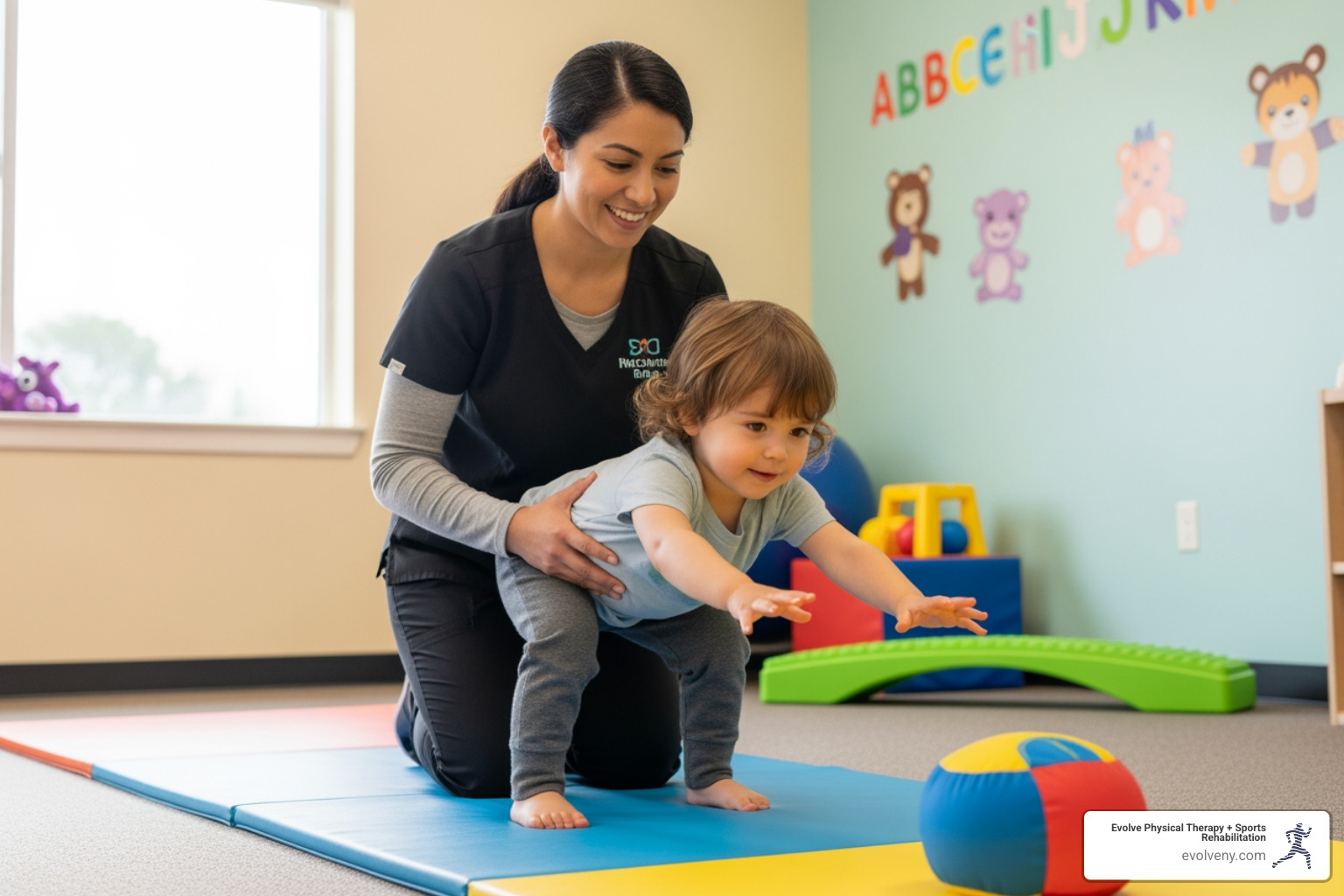
Pediatric physical therapy assistant jobs offer a unique opportunity to make a meaningful difference in children's lives while building a stable, rewarding career. If you're searching for positions, here's what you need to know:
Quick Facts About Pediatric PTA Jobs:
- Job Outlook: Strong demand with 231+ positions listed in regions like York, PA alone
- Salary Range: National average of $1,549/week ($80,500+/year), with some states like Virginia averaging 1% higher
- Experience Level: Abundant entry-level positions (209 listings in some markets)
- Work Settings: Hospitals, outpatient clinics, schools, early intervention programs, and home health
- Requirements: Associate's degree from CAPTE-accredited program, state licensure via NPTE-PTA exam
- Job Types: Full-time (most common), part-time, PRN, and travel contracts available
The role involves implementing treatment plans under a licensed physical therapist's supervision, using modalities like exercise, neuromuscular reeducation, mobilization, and play-based therapy to help children from infancy through adolescence overcome developmental delays, injuries, and medical conditions.
As Lou Ezrick, founder of Evolve Physical Therapy + Sports Rehabilitation, I've seen how crucial skilled assistants are in delivering comprehensive care. Pediatric physical therapy assistant jobs are some of the most fulfilling opportunities in our field. Whether you're starting your career or specializing, this growing field offers stability and the chance to celebrate genuine milestones with young patients and their families.
1. The Role: What a Pediatric PTA Actually Does
A career in pediatric physical therapy assistant jobs is dynamic and fulfilling. The core of the role is helping children, from infants to teens, reach their full physical potential. You might help a toddler take their first steps, assist a middle schooler recovering from a sports injury, or support a teen with a chronic condition.
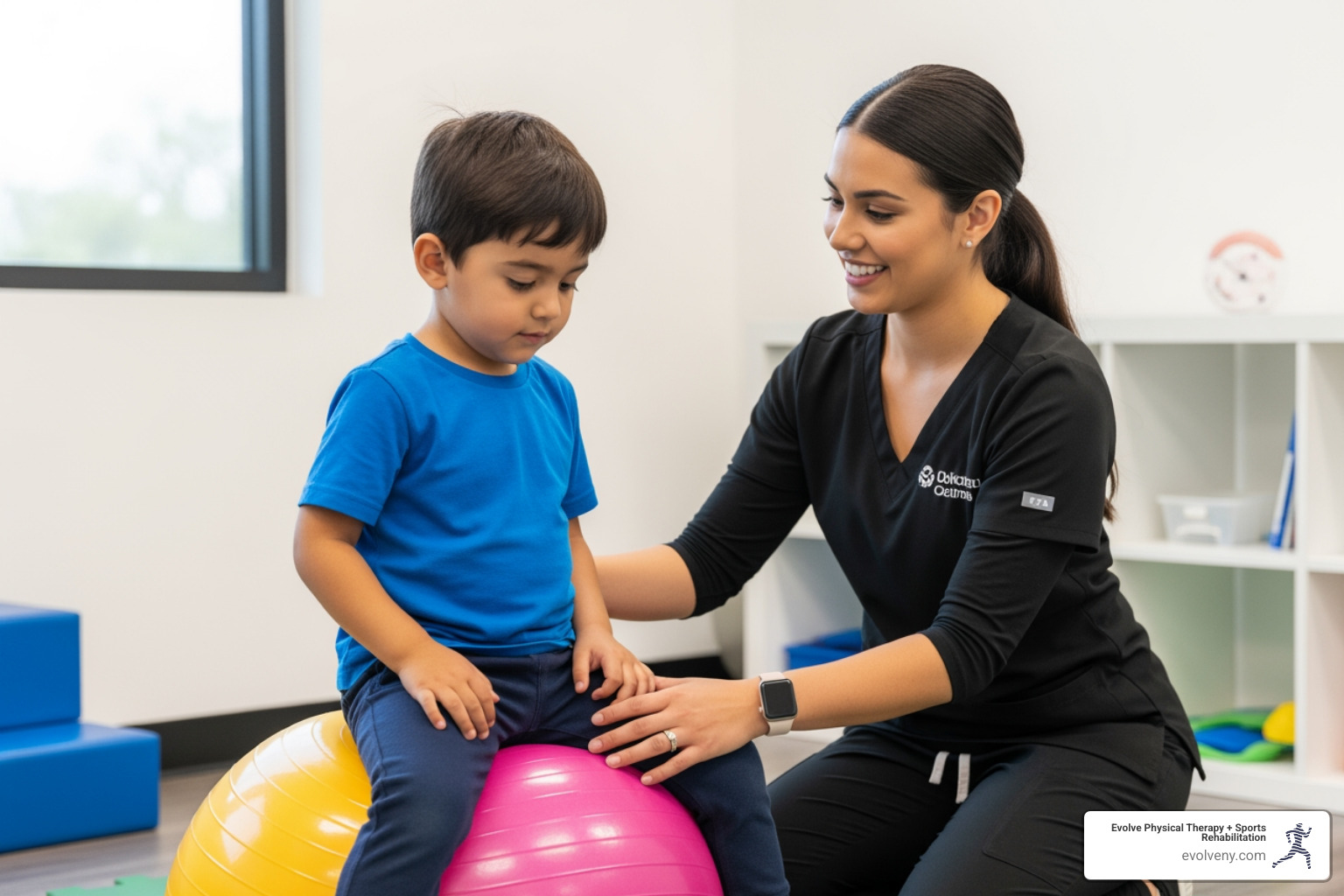
As a pediatric PTA, you implement treatment plans created by licensed physical therapists. You work directly with children, guiding them through therapeutic exercises, using play-based therapy to make movements fun, and applying specialized techniques like neuromuscular reeducation to help them regain motor control. Your toolkit is varied and includes therapeutic exercise, heat or cold therapy, mobilization techniques, taping, and modalities like electrical stimulation and ultrasound. Each intervention is chosen to match the child's specific needs.
A huge part of the role involves patient education and family communication. You partner with the entire family, teaching parents and caregivers home exercises and how to use adaptive equipment. This family-centered approach is key to making progress carry over from the clinic to everyday life. You'll work with children with a wide range of conditions, including neurological disorders like cerebral palsy, sensorimotor delays, musculoskeletal conditions like scoliosis, complex medical conditions, and trauma-related injuries.
What makes this work special is adapting everything to be age-appropriate, which requires creativity and patience. A session with a three-year-old is very different from one with a thirteen-year-old. Learn more about this individualized approach in our insights on Pediatric Physical Therapy.
The Rewards and Challenges
The rewards of this job are profound. You'll witness life-changing milestones, like a child's first independent steps or a teen returning to their favorite sport. You build genuine, trusting relationships with patients and their families, becoming a consistent source of support. Celebrating every small bit of progress makes the work deeply meaningful.
Of course, the job has challenges. It requires emotional resilience for children with significant health issues, and there are physical demands like lifting and assisting children. Creative problem-solving is essential to keep kids engaged. But for those in this field, the rewards far outweigh the challenges.
Collaboration in Care
As a PTA, you work in partnership with a supervising physical therapist (PT). The PT evaluates patients and creates the plan of care, while you implement it. This requires regular communication to review progress and make adjustments. You're also part of a larger interdisciplinary team, collaborating with occupational therapists, speech pathologists, and doctors. In schools, you'll partner with educators to integrate therapy goals into the academic day.
Documenting progress is also essential. Detailed records of sessions, responses, and changes in ability are crucial for team communication, continuity of care, and meeting regulatory standards. This collaborative environment is one of the best parts of the job, as you're surrounded by professionals who share your commitment to helping children thrive.
2. The Requirements: Your Path to Becoming a Pediatric PTA
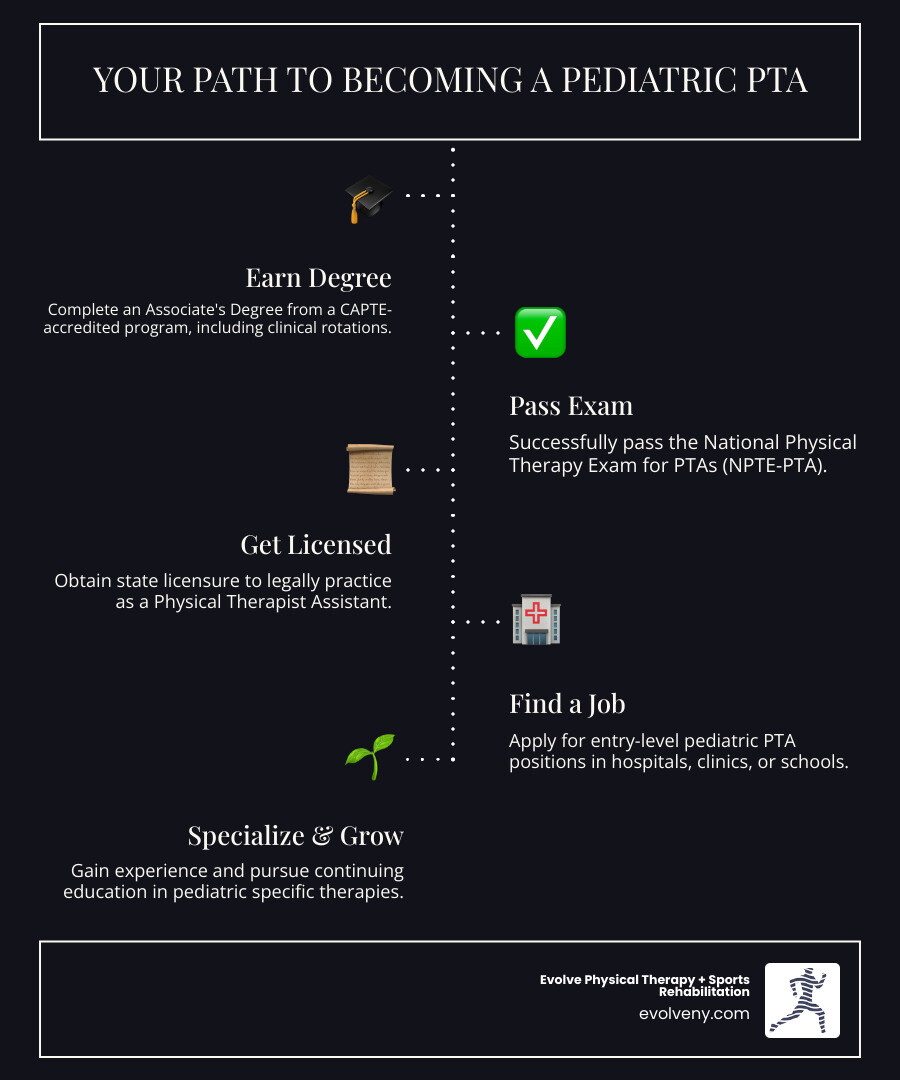
If you're serious about pursuing pediatric physical therapy assistant jobs, you'll need to follow a clear path of education, training, and certification. This well-established pathway is designed to prepare you for the rewarding work ahead.
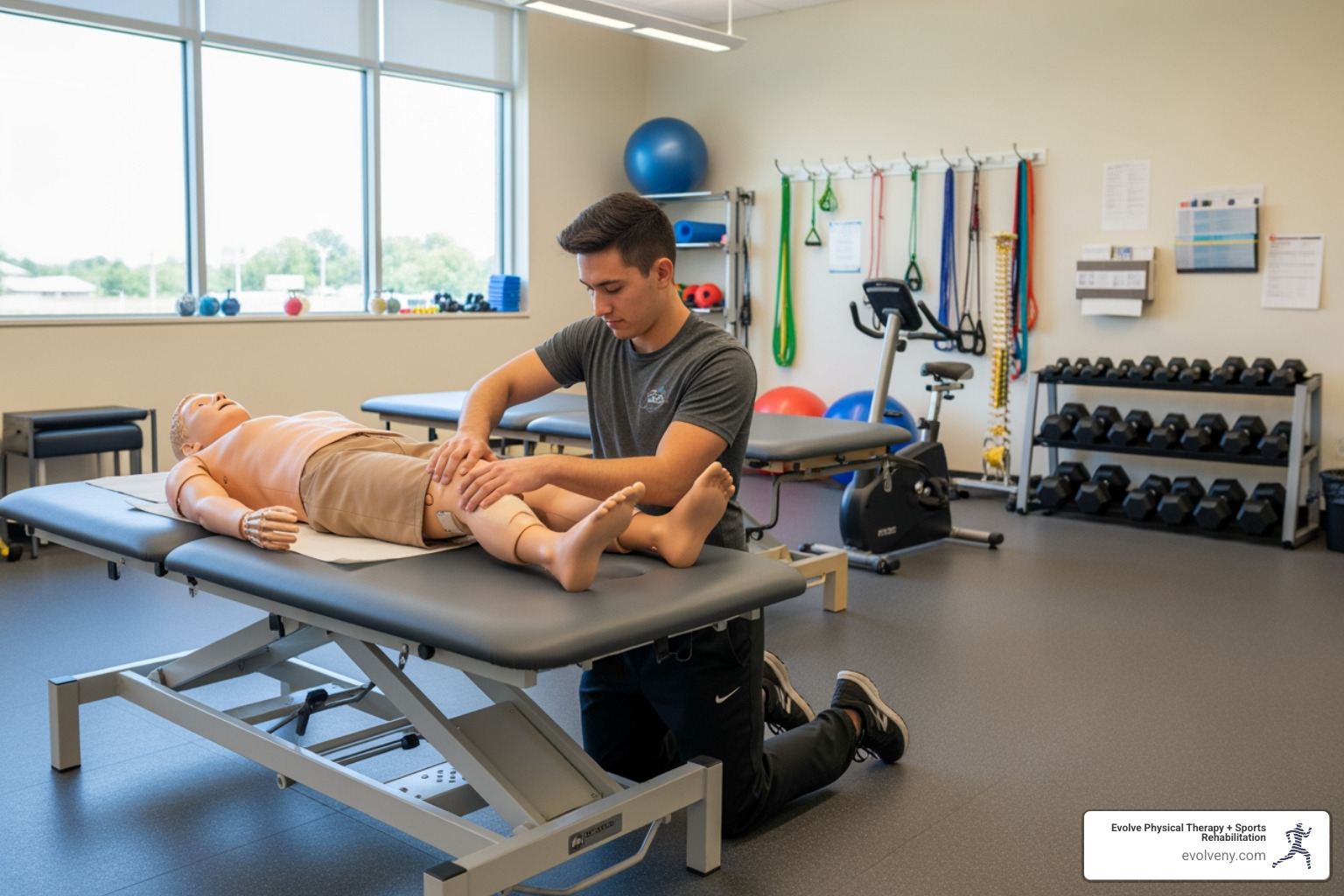
Your journey begins with an Associate's degree from a program accredited by the Commission on Accreditation in Physical Therapy Education (CAPTE). This ensures your program meets national standards. These two-year programs blend classroom learning with essential hands-on clinical experience through rotations, where you'll work directly with patients under supervision. Many programs offer pediatric rotations, which are invaluable for applying classroom knowledge.
After your degree, you must pass the National Physical Therapy Examination for Physical Therapist Assistants (NPTE-PTA). This comprehensive exam is the key to professional practice. Passing it allows you to obtain your state licensure. Each state has specific licensing requirements, so check them early. The American Physical Therapy Association (APTA) is an excellent resource for national and state-specific regulations.
Essential Skills for Success
Beyond exams, success as a pediatric PTA requires a special set of personal qualities.
- Patience: Children progress at their own pace. Your ability to remain patient and encouraging through repetition is key.
- Creativity: This turns therapy into an adventure. Making exercises into games is essential, as children learn best when having fun.
- Strong communication skills: You must explain exercises to a child, discuss progress with parents, and collaborate clearly with other healthcare professionals.
- Empathy: This allows you to connect with the child and their family, understanding their frustrations and worries.
- Physical stamina: It's an active job that involves being on your feet, demonstrating exercises, and assisting or lifting children.
- Adaptability: You must be ready to adjust your plan based on a child's mood or unexpected progress.
- Observation skills: These are needed to notice small changes that signal progress or problems, helping you modify treatment and inform the supervising PT.
These skills are vital in specialized areas like pediatric sports rehabilitation. At Evolve Physical Therapy + Sports Rehabilitation, we know these qualities create exceptional care, as discussed in Pediatric Sports PT Just What the Coach Ordered.
The combination of formal education, proper licensing, and these essential personal skills creates the foundation for a fulfilling career in pediatric physical therapy assistant jobs.
3. The Market: Exploring Pediatric Physical Therapy Assistant Jobs
The job market for pediatric PTAs is thriving. The Bureau of Labor Statistics projects strong growth for all PTAs, with pediatric physical therapy assistant jobs being no exception. This demand is driven by increased awareness of early intervention, more diagnoses requiring PT, and recognition of specialized pediatric care's value.
Excitingly, there are abundant entry-level positions. This means you can break into the field with the right education, licensure, and passion, without years of prior experience. The variety of positions is also impressive, including full-time, part-time, per diem (PRN), and travel PTA contracts. Travel positions offer competitive pay and diverse experiences, allowing you to find a job that accommodates your lifestyle. You can see how rewarding this work is in our approach to Pediatric Physical Therapy for Kids.
Salary Expectations for pediatric physical therapy assistant jobs
Fair compensation is important, and the salary outlook for pediatric physical therapy assistant jobs is encouraging. The national average is around $1,549 per week (over $80,500 annually), providing a solid income, often with excellent benefits. Salaries vary by region; for instance, PTAs in Virginia earn slightly above the national average. Hourly rates can range widely, from $29.81 to $42.89 in some markets, reflecting factors like experience and specialized skills.
Your experience level is crucial for earning potential. While entry-level salaries are competitive, your compensation increases with experience and specialized skills. The work setting (e.g., hospital vs. school) also affects compensation, though each offers unique non-monetary rewards.
Where to Find pediatric physical therapy assistant jobs
Finding the right job is easier than ever with numerous resources available.
Online job boards like Indeed, Glassdoor, and LinkedIn are a great starting point. A targeted LinkedIn job search can reveal many opportunities. Also, check healthcare-specific sites like Vivian.com and AMN Healthcare for permanent and travel roles.
Check hospital career pages directly. Major children's hospitals and practices like ours in Brooklyn often post openings on their websites first, giving you a competitive edge.
Professional networks are also invaluable. Connect with peers through the American Physical Therapy Association, conferences, or local chapters to find unlisted opportunities. Many positions are filled through referrals. Our team at Evolve Physical Therapy + Sports Rehabilitation has grown this way, through colleagues who share our commitment to patient-centered care.
4. The Workplaces: Diverse Settings for a Rewarding Career
One of the most exciting things about pursuing pediatric physical therapy assistant jobs is the variety of places you can practice. This diversity means you can find a setting that resonates with your personality and professional goals.

Outpatient clinics, like our practice at Evolve Physical Therapy + Sports Rehabilitation in Brooklyn, are a common setting. Here, you build long-term relationships with families, helping children with sports injuries, chronic conditions, or developmental delays.
Children's hospitals offer a , specialized environment. You'll work with children with acute medical needs or those recovering from surgery as part of a large, collaborative team of specialists.
Inpatient rehabilitation facilities provide intensive therapy for children needing concentrated care after a major illness or injury. With multiple daily sessions, you'll help children regain the skills needed to return home.
School systems are another rewarding setting. You'll help children with disabilities participate fully in their education, collaborating with teachers and staff to align therapy with educational goals.
Early intervention programs focus on infants and toddlers (birth to age three). You'll often provide therapy in the child's natural environment, like their home or daycare, teaching parents to incorporate therapeutic activities into daily routines.
Home health services bring therapy to families who face travel challenges. Working in a child's home provides valuable insights for practical recommendations.
The beauty of this career is its flexibility. You aren't locked into one setting and can transition as your interests evolve, allowing you to shape a career that matches your professional and personal goals. Our approach to Pediatric Physical Therapy NYC accepts this diversity, serving communities across Brooklyn, including Marine Park, Gravesend, and Park Slope, and recognizing each family's unique needs.
Frequently Asked Questions about Pediatric PTA Careers
Navigating a career path in pediatric physical therapy can bring up many questions. Here, we address some of the most common inquiries about pediatric physical therapy assistant jobs.
What is the main difference between a pediatric physical therapist (PT) and a physical therapist assistant (PTA)?
Understanding the distinction between these two roles is essential.
Physical Therapists (PTs) hold a Doctor of Physical Therapy (DPT) degree. They are the diagnosticians who evaluate patients, diagnose movement dysfunctions, and create the comprehensive plan of care. PTs set goals, determine interventions, modify plans, and supervise PTAs.
Physical Therapist Assistants (PTAs) earn a two-year Associate's degree from a CAPTE-accredited program. Working under PT supervision, they are essential for implementing the care plan. PTAs spend the most direct time with children, carrying out treatments, monitoring progress, and educating families.
In short, the PT designs the roadmap, and the PTA guides the child on the journey. Both roles are crucial for successful outcomes, with the PT overseeing the child's overall progress. The difference in education level reflects their different scopes of practice, but both share a passion for helping children.
Do I need a special certification to work in pediatrics as a PTA?
The short answer is no, a special pediatric certification is not universally required. Your state license, earned by passing the NPTE-PTA exam after completing an accredited associate's degree, is the legal requirement to practice.
However, specialized knowledge is highly valuable and preferred by employers. Many PTAs deepen their expertise through continuing education in areas like pediatric development and play-based therapy. The APTA Advanced Proficiency Pathway is another option that recognizes PTAs with advanced pediatric knowledge and skill.
Most employers, including Evolve Physical Therapy + Sports Rehabilitation, also provide employer-specific training. This on-the-job training is invaluable for learning the specific protocols of your workplace. Gaining actual pediatric experience is what truly builds your competence and confidence, and many entry-level jobs exist to provide this opportunity under mentorship.
What does a typical day look like for a pediatric PTA?
There's no truly "typical" day, which is part of the appeal. Every child and session is different, offering new challenges and opportunities to witness progress. However, a day has a certain rhythm.
Your day will likely include reviewing patient charts, preparing treatment areas with age-appropriate equipment, and then executing therapy sessions. The heart of the day is spent working directly with a diverse group of children, requiring constant adaptation, creativity, and patience to keep them motivated.
After each session, documenting progress notes is crucial for continuity of care and regulatory compliance. Throughout the day, you'll also be collaborating with the supervising PT and educating families on home exercises and progress. In multidisciplinary settings like ours at Evolve, you'll also coordinate with other specialists like occupational or speech therapists. Every day is a dynamic blend of clinical skill, creativity, and compassionate interaction.
Conclusion
If you've made it this far, you're likely drawn to pediatric physical therapy assistant jobs for good reason. This career path offers the chance to wake up each day knowing your work directly impacts a child's ability to play, learn, and thrive.
This guide has shown what it means to be a pediatric PTA: implementing creative treatment plans, collaborating with families and teams, and celebrating every small victory. We've covered the straightforward educational path, the strong job market with competitive salaries, and the diverse work settings available to you.
At Evolve Physical Therapy + Sports Rehabilitation, we know skilled and compassionate PTAs are essential for our holistic, hands-on care. Our practice was built on treating the whole person, which for children means engaging them through play and supporting their families.
This career offers purpose. While challenging, the moments of joy make it worthwhile. The children we serve in Brooklyn and beyond deserve dedicated professionals with both skill and heart.
If this sounds like the career you've been searching for, we'd love to see you become part of this rewarding field. Take a moment to explore a career in pediatric physical therapy in Brooklyn and find how you can make a genuine difference in the lives of children and their families. The journey starts with a single step—and we're here to support you along the way.
