

How Much Do Pediatric Physical Therapy Assistants Really Make?
Understanding the National Pediatric Physical Therapy Assistant Salary

Becoming a Pediatric Physical Therapy Assistant (PTA) offers a rewarding career helping children improve their movement, balance, and coordination. For those considering this path, understanding the financial landscape is a crucial first step. This guide explores the earning potential for this specialized role, from average salaries to the factors that influence your income.
If you're wondering about the pediatric physical therapy assistant salary in the United States, here’s a quick overview:
- Average Salary: Approximately $66,064 per year
- Salary Range: From $59,406 to $72,361 annually
- Highest Paying States: District of Columbia ($73,146), California ($72,868), and New Jersey ($71,606).
Louis Ezrick, founder of Evolve Physical Therapy, has nearly two decades of experience in chronic pain management and movement optimization. His patient-first approach informs his understanding of what makes a physical therapy career, including that of a pediatric PTA, both rewarding and well-compensated.
On average, a Pediatric Physical Therapy Assistant in the United States earns approximately $66,064 per year, which translates to roughly $29.17 per hour, according to 2025 data. This respectable wage reflects the specialized skills and dedication required for the role.
The Typical Pediatric Physical Therapy Assistant Salary Range
While the average provides a good overview, the full salary range gives a more complete picture. For a Pediatric PTA, salaries typically range from $59,406 to $72,361 per year. This highlights that factors like experience, location, and specific responsibilities play a significant role in determining earnings.
At the lower end, a Pediatric PTA might earn around $42,244 annually (10th percentile). At the higher end, earnings can reach about $81,328 (90th percentile). This broad spectrum shows substantial room for growth as your career progresses.
Average Pediatric Physical Therapy Assistant Salary vs. General PTA
Aspiring PTAs often wonder if specializing in pediatrics impacts earning potential. The average pediatric physical therapy assistant salary of $66,064 per year is slightly higher than the median for general physical therapist assistants, which was $65,510 in May 2024 according to the U.S. Bureau of Labor Statistics. This subtle difference suggests that the specialized knowledge and unique demands of working with children can command slightly higher compensation.
This isn't surprising, as the demand for pediatric PTAs is rising due to advancements in medical technology that expand treatment options for children with physical disabilities. At Evolve Physical Therapy, we deeply appreciate the specialized care required for pediatric patients. This expertise often translates into a competitive edge in the job market, potentially leading to better compensation and more fulfilling career opportunities.
Key Factors That Influence Your Earning Potential
Your pediatric physical therapy assistant salary isn't a fixed number; it grows and changes throughout your career. Several key factors come into play, and understanding them can help you maximize what you earn. Let's explore what moves the needle on your paycheck.
Location: Highest and Lowest Paying States and Cities
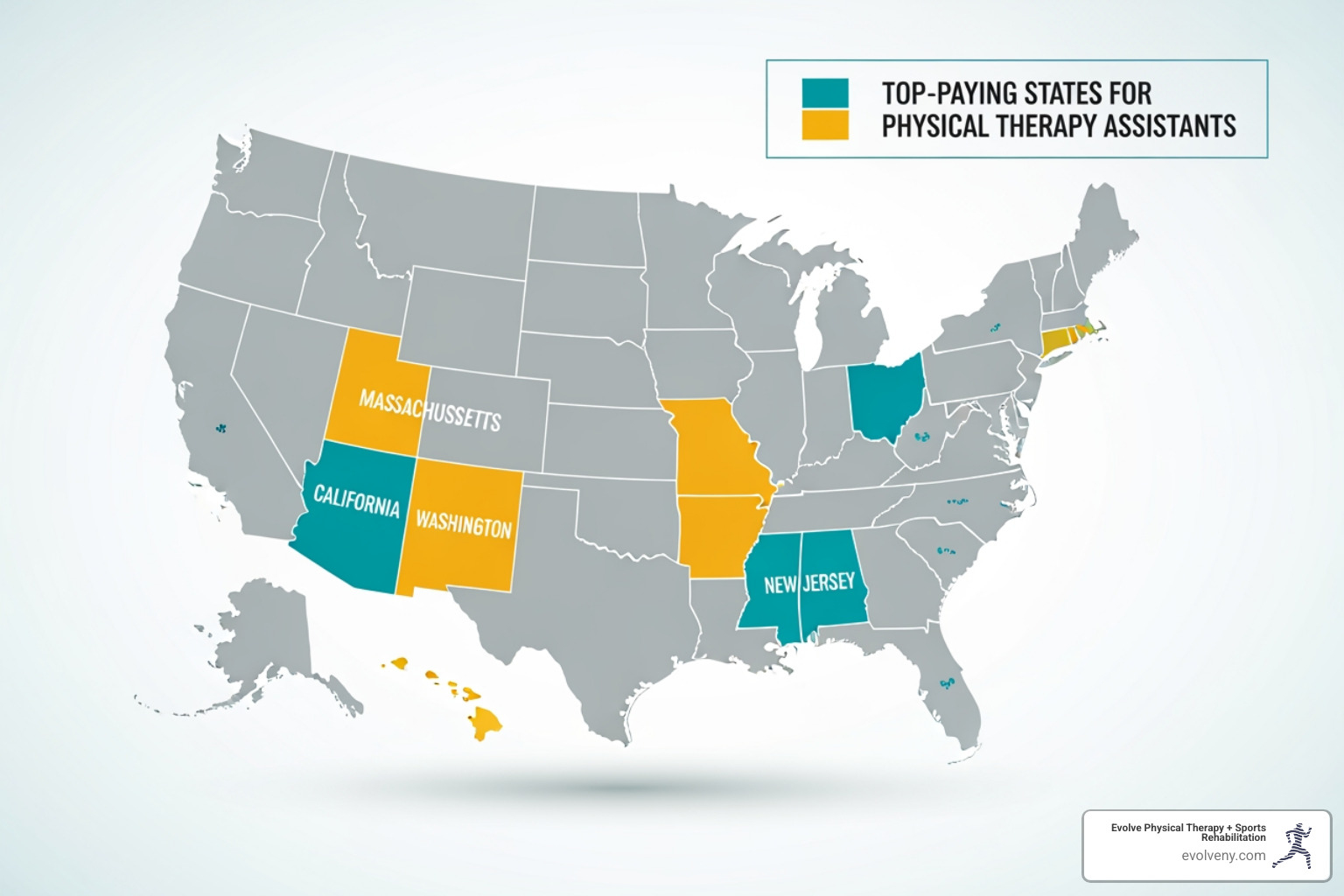
Geography can dramatically swing your salary. The highest paying states often have higher costs of living and robust healthcare systems. The District of Columbia leads at $73,146 annually, followed by California ($72,868), Massachusetts ($71,897), Washington ($71,633), and New Jersey ($71,606). These figures reflect regional economics and demand for specialized pediatric care.
Zooming in on cities, San Jose, California, is the highest paying city for Pediatric PTAs, with an average salary of $83,326 per year. This is well above the national average, though it comes with a higher cost of living.
In the New York area—particularly in Brooklyn neighborhoods like Marine Park, Gravesend, and Park Slope—the salary landscape is competitive. Physical Therapist Assistants in New York earn an average of $72,698 annually, reflecting high demand in metropolitan areas. While the cost of living is higher, so is the compensation.
On the other end, states like Mississippi ($59,062) and Arkansas ($59,830) have lower salary averages, which is often balanced by a lower cost of living. The choice between a higher salary in an expensive city and a more affordable area depends on your personal priorities.
Experience Level
As in most professions, experience pays. An entry-level Pediatric PTA with less than a year of experience can expect to earn about 13% below the median while building foundational skills. As you gain experience over your first few years, your earnings will climb toward the national average.
Mid-career PTAs (five to nine years) typically reach or exceed the median salary, reflecting their growing expertise and independence. Experienced professionals with over a decade of practice are highly valued for their deep knowledge and mentorship capabilities, with those in their late career (20+ years) earning as much as 14% above the median.
This progression highlights the financial rewards of dedication and continuing education. Pursuing opportunities like APTA's Advanced Proficiency Pathways can accelerate this growth and boost your earning potential.
Work Setting
The environment where you practice also affects your paycheck. Different settings come with different demands and pay scales.
Home healthcare services top the salary charts at $77,540 annually, reflecting the autonomy and travel involved. Nursing care facilities follow at $75,800, due to the complexity of patient needs. Other common settings include:
- Hospitals: Median salary of $66,300, aligning with the national average.
- Offices of physicians: Around $62,170.
- Offices of physical, occupational, and speech therapists: Average of $61,620.
Pediatric PTAs may also work in children's hospitals, specialized rehabilitation centers, or private clinics like ours at Evolve Physical Therapy. School-based physical therapy is another significant and rewarding setting, where you help children participate fully in their education. You can explore more about the diverse environments where kids physical therapy takes place and how each setting brings its own rewards.
The Role and Responsibilities of a Pediatric PTA
Working as a Pediatric Physical Therapy Assistant means helping patients from infancy through adolescence. It requires not just technical skills but a deep understanding of child development. As a Pediatric PTA, you work under a licensed physical therapist to bring their treatment plan to life, guiding children through therapeutic exercises designed to improve strength, balance, and mobility. A key part of the role is making therapy feel like play, so children are healing while having fun.
Your responsibilities extend beyond direct therapy. You will carefully document patient progress, providing crucial feedback to the supervising physical therapist to refine the care plan. You also act as a coach for families, teaching them how to continue exercises at home to support their child's development between sessions. This collaboration is vital for a child's success. To learn more about how this therapy transforms young lives, see our guide on Pediatric and Adolescent Physical Therapy.
Primary Duties and Work Environment
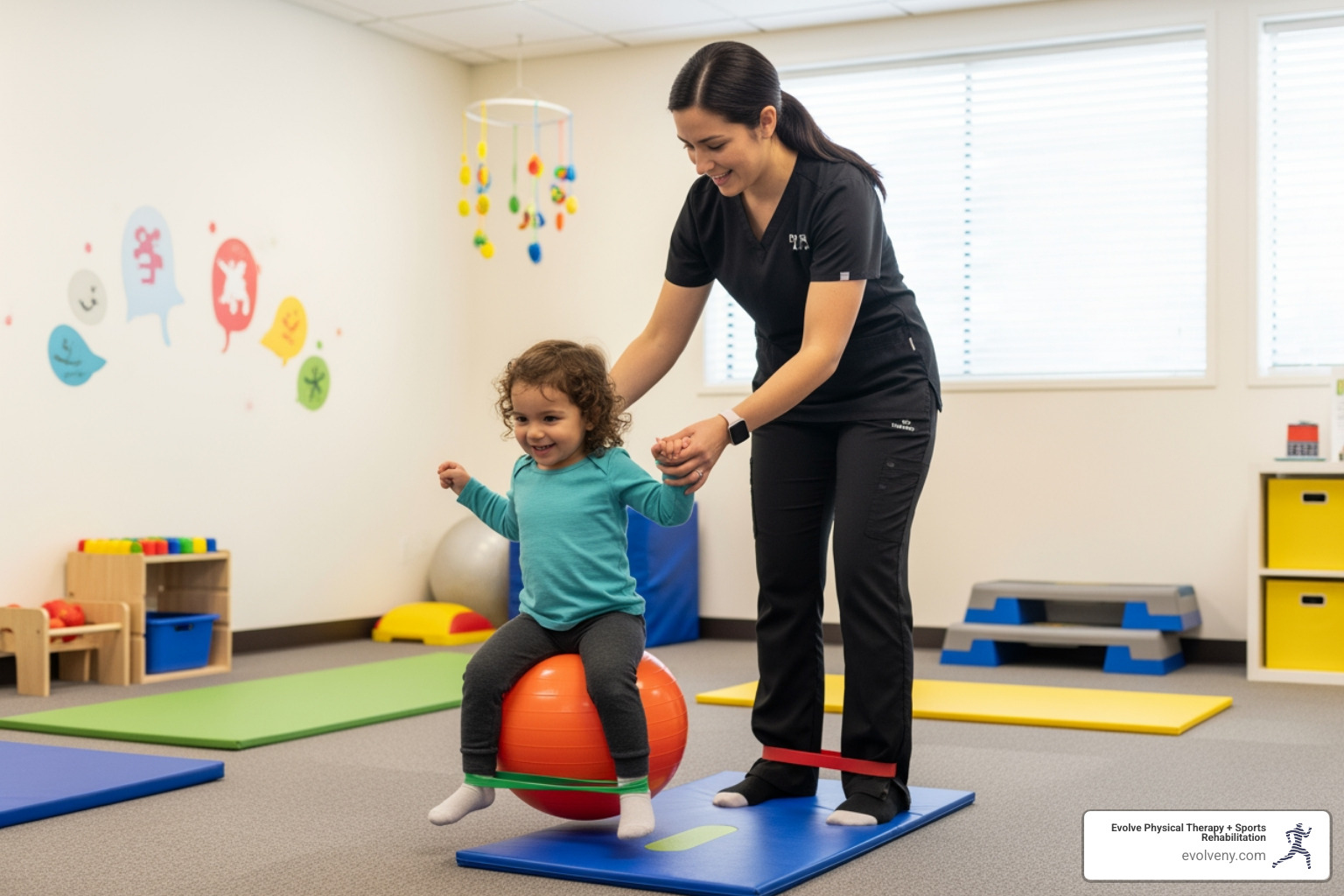
No two days are the same for a Pediatric PTA. Your hands-on work includes massage, stretching, and guiding children through exercises disguised as fun activities—like turning balance beam walks into adventure games. You'll use specialized equipment like balance balls, adaptive bikes, and resistance bands to help children achieve treatment goals while staying motivated.
Throughout each session, you'll assess the child's response, noting improvements in coordination, balance, and strength. This ongoing observation provides the physical therapist with detailed feedback to shape the treatment plan. Strong communication is woven into everything you do, from updating the supervising PT to educating families on injury prevention and home exercises.
Your work setting—whether an outpatient clinic like Evolve Physical Therapy, a hospital, a school, or a home health environment—shapes your daily experience. Regardless of the setting, expect to be active, spending most of your day on your feet. The physical demands are real, but so are the rewards. Explore our collection on kids physical therapy settings to see these diverse environments.
Essential Skills and Qualities
Technical training is the foundation, but certain personal qualities are essential for success as a Pediatric PTA. Thriving in this role requires a unique blend of traits.
Compassion is at the heart of the job, helping you connect with children and families during challenging times. Patience is vital, as progress happens at each child's own pace. The role demands physical stamina for active, often floor-based, therapy sessions. Strong interpersonal skills are needed to build trust with children, communicate clearly with parents, and collaborate with other healthcare professionals. Finally, attention to detail ensures accurate progress tracking, while the ability to communicate with children through play and simple instructions makes therapy effective and engaging. These qualities, combined with your training, allow you to make a real difference while building a career with a solid pediatric physical therapy assistant salary.
How to Become a Pediatric PTA and Increase Your Salary
Starting on a career as a Pediatric Physical Therapy Assistant is a well-defined journey that blends a passion for helping children with a rewarding profession. Once you're licensed, numerous opportunities exist for growth and a higher salary.
Educational and Licensure Requirements
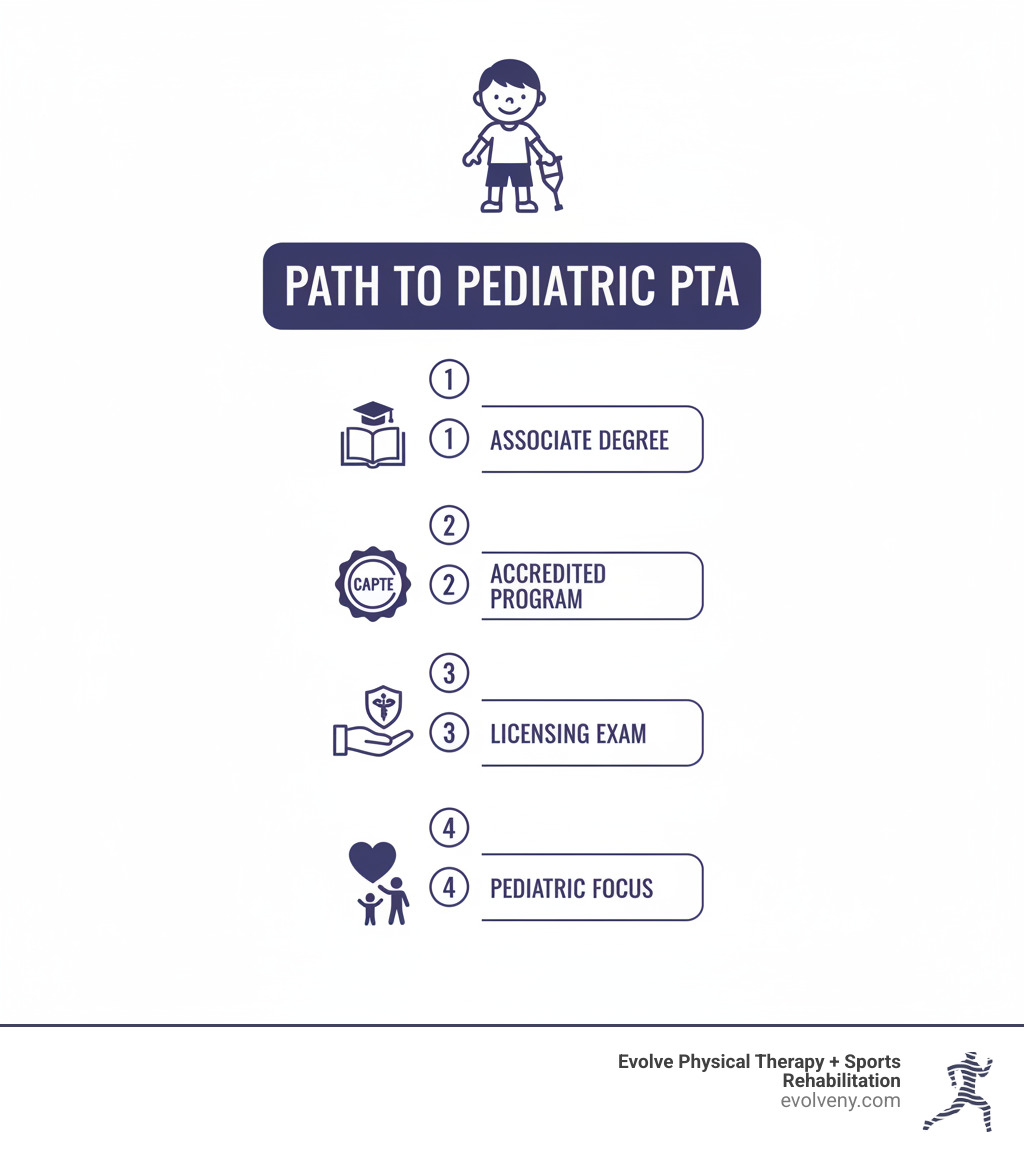
The path to becoming a licensed Physical Therapy Assistant (PTA) is designed to ensure you are fully prepared to provide excellent care. The process involves several key steps:
- Complete an associate degree. You'll need to graduate from a two-year PTA program. It's crucial that the program is accredited by the Commission on Accreditation in Physical Therapy Education (CAPTE). You can find a list of accredited programs on the CAPTE online website.
- Pass the national exam. After earning your degree, you must pass the National Physical Therapy Exam (NPTE), a comprehensive test of your knowledge and skills. More information is available here: NPTE details.
- Obtain state licensure. All states require PTAs to be licensed or certified. This final step typically involves a background check and may include an exam on state-specific laws.
- Pursue continuing education. To maintain your license and keep your skills sharp, most states require ongoing continuing education throughout your career.
How to Increase Your Earning Potential
Once you are a licensed Pediatric PTA, you can take several strategic steps to boost your pediatric physical therapy assistant salary and advance your career.
- Pursue advanced proficiency. The American Physical Therapy Association (APTA) offers Advanced Proficiency Pathways in areas like pediatrics. Earning this recognition requires significant work experience and demonstrates a high level of skill, which can lead to better-paying jobs.
- Gain experience in high-paying settings. As noted earlier, settings like home healthcare and nursing care facilities often offer higher salaries. Gaining experience in these environments can boost your overall earning potential.
- Consider travel PTA roles. If you are flexible, working as a travel PTA can lead to significantly higher earnings, sometimes over $105,140 a year, often with added perks like housing stipends.
- Master salary negotiation. Researching local salary benchmarks—including in competitive markets like our Brooklyn neighborhoods—and confidently articulating your value can often result in a better starting offer.
- Earn additional certifications. Obtaining certifications in areas like CPR, Basic Life Support (BLS), or specialized pediatric techniques makes you a more desirable candidate and can translate to a higher salary.
Job Outlook and Typical Benefits for a Pediatric PTA
If you're considering a career as a Pediatric PTA, the future is bright. The field offers exceptional growth and stability, making it a secure professional choice.
Employment for physical therapist assistants is projected to grow by 22% from 2024 to 2034, much faster than the average for all occupations, according to the U.S. Bureau of Labor Statistics. This translates to approximately 26,400 job openings each year, creating abundant opportunities for qualified professionals.
This remarkable growth is driven by several factors. While an aging population increases overall demand for physical therapy, the pediatric specialty is uniquely fueled by advancements in medical technology. These innovations help children with complex physical disabilities and developmental challenges thrive, creating a strong need for skilled Pediatric PTAs. This robust outlook means strong job security and a wide variety of career options, whether in a clinic like Evolve Physical Therapy, a hospital, or a school system.
Common Benefits Offered
Your total compensation is more than just your salary. The benefits you receive significantly improve your financial well-being and quality of life. Most full-time employers offer comprehensive packages to attract and retain talented PTAs.
When evaluating job offers, look beyond the pediatric physical therapy assistant salary at the complete benefits package. Common offerings include:
- Healthcare Coverage: Medical, dental, and vision insurance for you and your family.
- Retirement Plans: 401(k) plans, often with employer matching contributions, or pension plans to help you save for the future.
- Paid Time Off (PTO): Vacation days, sick leave, and paid holidays to support a healthy work-life balance.
- Disability Insurance: Short-term and long-term coverage provides a financial safety net in case of illness or injury.
- Continuing Education Reimbursement: Many employers help cover the cost of courses and certifications required to maintain your license and advance your skills.
A slightly lower base salary with exceptional benefits may offer better overall value than a higher salary with minimal perks. Calculating the true worth of these benefits is key to making the best career decision.
Conclusion
Choosing to become a Pediatric Physical Therapy Assistant is a rewarding decision, blending meaningful work with a strong financial outlook. The pediatric physical therapy assistant salary is competitive, averaging around $66,064 annually, with a projected job growth of 22% ensuring long-term career stability.
Your earning potential is not static; it can be maximized by choosing a strategic location, gaining experience, and pursuing specializations. Paired with comprehensive benefits, this career offers a complete and satisfying professional life.
At Evolve Physical Therapy + Sports Rehabilitation, our holistic philosophy values the dedicated professionals who make a real difference in children's lives. We understand the expertise and compassion required to help young patients move better, grow stronger, and thrive. If you're seeking expert pediatric care in a supportive environment, we invite you to explore our pediatric physical therapy services in Brooklyn. Whether you're a family needing support or a professional exploring this path, we're here to help you move forward.
