

Injury Recovery Unlocked: Your Guide to Physical Therapy
Why Physical Therapy for Injuries Is Essential for Full Recovery

Physical therapy for injuries helps you recover faster, reduce pain, and prevent future problems through a structured, evidence-based approach. Here's what you need to know:
Key Benefits of Physical Therapy:
- Faster Recovery - Patients regain strength up to 40% faster than those who skip rehabilitation
- Pain Relief - Non-invasive, drug-free treatment that reduces inflammation and discomfort
- Injury Prevention - Reduces re-injury risk by 50% through strengthening and movement education
- Improved Function - Restores mobility, flexibility, and joint function within 12 weeks of structured treatment
- Personalized Care - Customized treatment plans based on your specific injury and goals
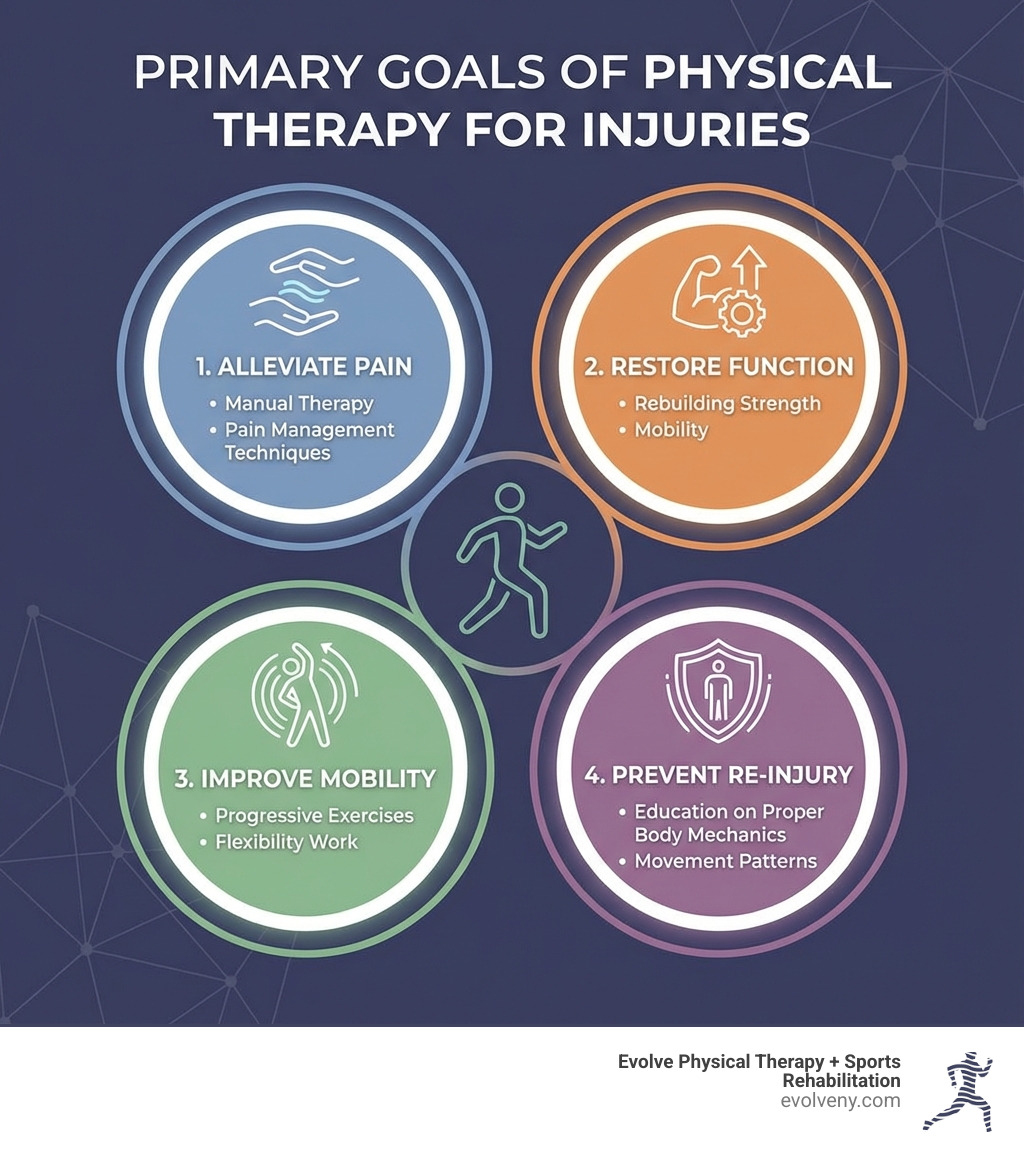
Physical therapy is a holistic healthcare approach that uses therapeutic exercises, manual therapy, and specialized techniques to help you recover from injuries that affect your bones, joints, muscles, ligaments, and tendons. Whether you're dealing with a sprained ankle, torn ACL, rotator cuff injury, or chronic back pain, physical therapy focuses on three core goals: alleviating pain, restoring physical function, and preventing further injury.
Too often, people think they can just rest and handle rehabilitation on their own. The reality? Without proper physical therapy, you risk lingering pain, weakness, and even permanent mobility issues. As one expert puts it, those who commit to proper rehabilitation almost always recover faster and stronger.
I'm Lou Ezrick, founder of Evolve Physical Therapy in Brooklyn, and I've spent nearly two decades specializing in physical therapy for injuries, from complex chronic pain cases to post-surgical rehabilitation and sports injuries. My approach focuses on hands-on treatment and addressing the root cause of dysfunction, not just masking symptoms.
Understanding Orthopedic Physical Therapy and Its Role in Healing
Orthopedic injuries are those that affect your musculoskeletal system—your bones, joints, muscles, ligaments, and tendons. These can range from a sudden sprain on the basketball court to persistent pain from a chronic condition. When these injuries strike, they can significantly impact your mobility and quality of life, making everyday tasks feel like monumental challenges. That's where orthopedic physical therapy steps in.
Physical therapy for injuries is a non-invasive and drug-free approach designed to help you recover, regain function, and prevent future issues. It's not just about addressing the pain; it's about understanding the mechanics of your body and creating a personalized treatment plan that targets the root cause of your discomfort. We develop these plans to restore your physical function, reduce pain, and ultimately improve your mobility, allowing you to return to the activities you love.
How Physical Therapy Helps with Orthopedic Injuries
When you suffer an orthopedic injury, your body's natural response can include pain, swelling, and reduced function. Our physical therapists are highly trained professionals who work to counteract these effects and promote healing through a variety of techniques.
First, we focus on pain management and inflammation reduction. Through gentle techniques and modalities, we help alleviate discomfort and calm irritated tissues. As one study highlights, physical therapy can improve joint function significantly within 12 weeks of structured treatment, directly addressing the pain and stiffness that often accompany injuries.
Next, we work to improve circulation. Increased blood flow to the injured area is vital for healing, as it delivers essential nutrients and removes waste products. This stimulation of natural healing processes can lead to faster recovery times.
Then comes the crucial work of muscle strengthening and increased flexibility. Injuries can lead to muscle weakness and stiffness as your body tries to protect the injured area. Our custom exercise programs gradually rebuild strength in weakened muscles and improve the flexibility of tight tissues. This not only aids recovery but also improves physical performance and reduces the risk of future injuries. We help you restore your full range of motion, ensuring that your joints can move freely and without restriction, which is fundamental for everyday tasks and athletic endeavors.
Who Are the Ideal Candidates for Physical Therapy?
If you're experiencing pain, limited mobility, or recovering from an orthopedic injury or surgery, you're likely an ideal candidate for physical therapy for injuries. We see a wide range of individuals at Evolve Physical Therapy in Brooklyn, including:
- Post-surgery patients: Whether you've undergone a joint replacement, ligament repair, or spinal surgery, physical therapy is a critical component of your rehabilitation. We guide you through the healing process, prevent complications, and help you regain optimal function.
- Athletes with sports injuries: From sprains and strains to more severe issues like ACL tears and rotator cuff injuries, athletes often require specialized rehabilitation. We help restore performance, prevent future injuries, and optimize movement for peak athletic performance. This specialized rehab for athletes is called sports physical therapy, an area where we excel.
- Individuals with chronic pain: Conditions like arthritis, fibromyalgia, or persistent back pain can significantly impact your life. We use therapeutic exercises and manual techniques to alleviate pain and improve your ability to manage daily activities.
- People with joint issues: Whether it's a frozen shoulder, knee instability, or hip discomfort, physical therapy can improve joint function, reduce pain, and increase your mobility.
- Patients with sprains and strains: These common injuries, often dismissed as minor, can lead to chronic issues if not properly treated. We ensure proper healing and provide strategies to prevent re-injury.
Essentially, if you're looking to recover from an injury, reduce pain, improve your physical function, or prevent future problems, we're here to help you get back on your feet and back to living your life to the fullest.
The Road to Recovery: A Step-by-Step Guide to the Stages of Physical Therapy
Recovering from an injury isn't a straight line; it's a journey with distinct stages, each building upon the last. At Evolve Physical Therapy, we guide you through a structured rehabilitation process, ensuring progressive healing and lasting results. This phased approach, from initial assessment to full recovery, is designed to meet your body where it is and safely advance you toward your goals. We also empower you with patient education and home exercise programs so you can take an active role in your recovery.
Stage 1: The Acute Phase (Protection and Pain Relief)
This is the immediate aftermath of an injury, characterized by pain, swelling, and often limited movement. Our primary goals in this phase are to protect the injured area, manage pain, and control inflammation.
- Initial Assessment: Your journey begins with a thorough evaluation. We'll assess the extent of your injury, your range of motion, strength, and identify any contributing factors. This helps us create your personalized treatment plan.
- Pain and Inflammation Control: We often use the R.I.C.E. method (Rest, Ice, Compression, Elevation) to reduce swelling and discomfort. Gentle manual therapy techniques and modalities like cold therapy can also be employed to soothe the area.
- Gentle Movement and Preventing Stiffness: While rest is important, complete immobilization can cause stiffness and muscle atrophy. We introduce gentle, pain-free movements to maintain joint mobility and prevent complications, protecting the injured area while encouraging initial healing.
Stage 2: The Intermediate Phase (Restoring Mobility and Strength)
Once acute pain and swelling have subsided, we transition into rebuilding your body's capabilities. This phase focuses on safely increasing your activity levels.
- Gradual Exercise Progression: We introduce therapeutic exercises that progressively challenge your muscles and joints. These exercises are carefully selected to improve strength, flexibility, and endurance without re-aggravating your injury.
- Restoring Range of Motion: We work on regaining the full, pain-free movement of your affected joints through targeted stretches and mobilization techniques.
- Light Strengthening Exercises: These exercises focus on activating and strengthening the muscles surrounding the injured area, providing crucial support and stability.
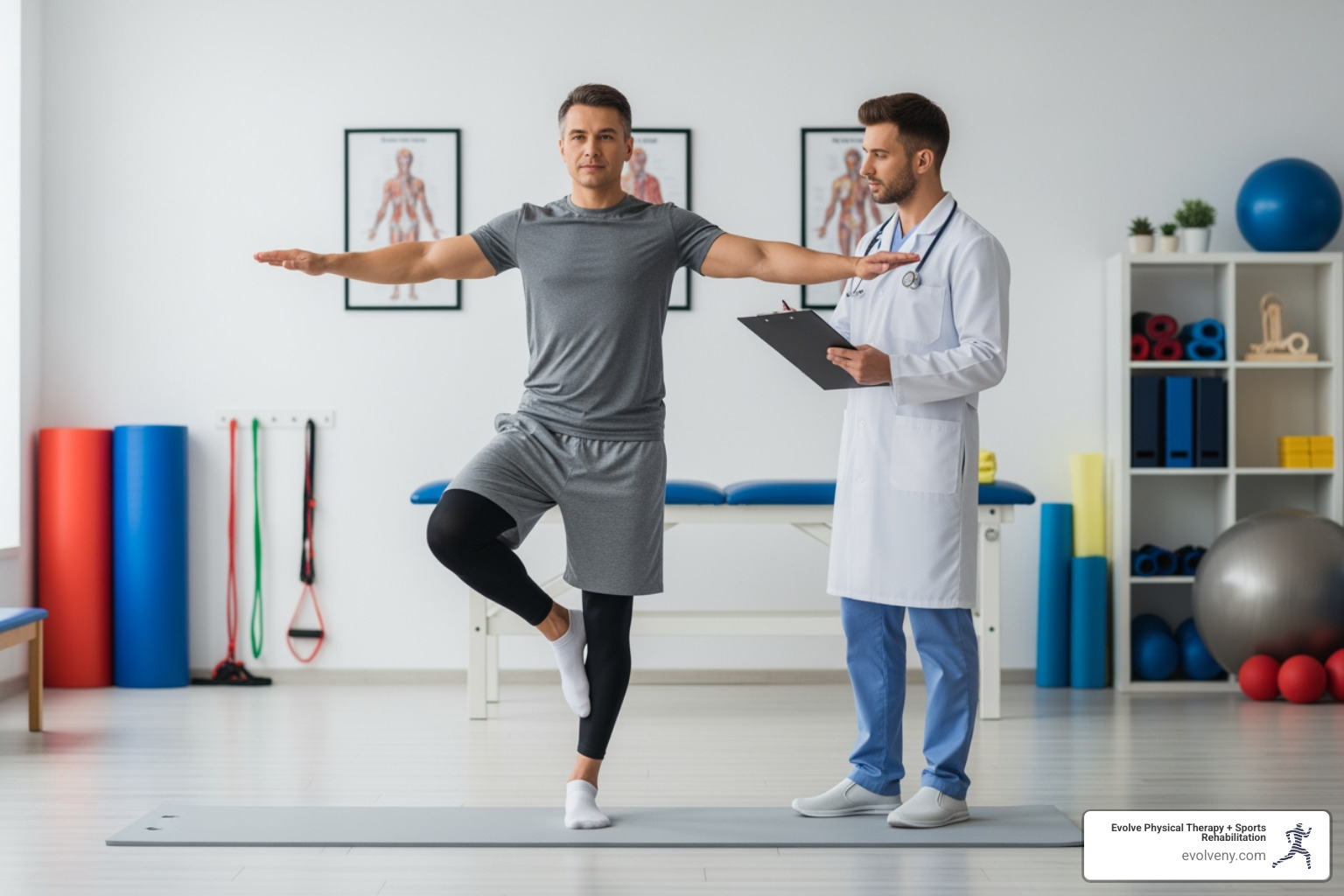
- Balance and Stability Training: Crucial for lower body injuries, balance exercises retrain proprioception (your body's spatial awareness) and improve stability, reducing the risk of falls or re-injury.
- Improving Coordination: As your strength and balance improve, we incorporate exercises that improve coordination, crucial for fluid, natural movement.
Stage 3: The Advanced Phase (Return to Full Function)
This is where we fine-tune your recovery, preparing you to return to your desired activities, whether that's daily life, work, or competitive sports.
- Advanced Strengthening: We progress to more challenging resistance exercises, building significant strength, power, and muscular endurance. This phase ensures your body is robust enough to handle the demands of your activities.
- Sport-Specific Drills: For athletes, this involves incorporating movements and drills that mimic the demands of their sport. This might include jumping, cutting, pivoting, and agility training.
- Functional Capacity Testing: We perform assessments to objectively measure your readiness to return to full activity. This helps ensure you're not only strong but also capable of performing complex movements safely and efficiently.
- Endurance Training: Building cardiovascular and muscular endurance is key to preventing fatigue-related injuries and sustaining performance over time.
- Injury Prevention Strategies: We educate you on proper body mechanics, warm-up routines, and stretching techniques to minimize the risk of future injuries. This includes identifying and correcting any movement patterns that might have contributed to your initial injury.
- Mental Readiness: A significant injury can be mentally challenging. We help you build confidence and overcome apprehension about returning to your activities.
Throughout these stages, your progress is continuously monitored, and your treatment plan is adjusted to ensure you're always moving forward safely and effectively.
Common Conditions and Key Techniques in Physical Therapy for Injuries
At Evolve Physical Therapy, we encounter a wide array of orthopedic injuries in our Brooklyn clinics. Our approach is always patient-centered, meaning we tailor our techniques to your specific needs and the nature of your injury.

Common Conditions That Require Physical Therapy for Injuries
Many common orthopedic issues benefit significantly from physical therapy for injuries. Here’s a list of conditions we frequently treat:
- Sprains and strains: These are among the most common injuries, affecting ligaments (sprains) or muscles/tendons (strains). Without proper care, they can lead to chronic instability or weakness. For instance, a sprained ankle often involves a sudden twist that tears ligaments. Early intervention with physical therapy, including the RICE method (Rest, Ice, Compression, Elevation), gentle movements, and progressive strengthening, is crucial. You can find more information about the diagnosis and treatment for a sprained ankle.
- ACL tears: An anterior cruciate ligament (ACL) tear in the knee is a common and serious sports injury. It often results from the knee extending beyond its normal range of motion or twisting sharply. Physical therapy is vital for both non-surgical management and post-surgical rehabilitation, focusing on pain control, swelling management, gait training, range of motion, strengthening, balance, and quadriceps contraction. ACL injuries rarely heal naturally without treatment and can have negative long-term effects. We can help you with rehabilitation for an ACL injury.
- Rotator cuff tendinopathy: This condition affects the tendons around your shoulder joint, causing pain and limiting arm movement. Our approach involves assessment, prognosis, and nonsurgical management to restore shoulder function. There are clinical practice guidelines that provide evidence-based recommendations for this condition.
- Fractures: After a bone fracture, physical therapy is essential to restore strength, range of motion, and function once the bone has healed. We help reduce stiffness, rebuild muscle, and guide you safely back to activity.
- Chronic back pain: Low back pain is a pervasive issue. Physical therapists are experts in using exercise training interventions, including specific trunk muscle activation, strengthening, and endurance exercises, to reduce pain and disability, even for those with leg pain.
- Knee injuries: Beyond ACL tears, we address various knee issues, including meniscus tears, patellar tendinitis, and general knee instability. We focus on strengthening the surrounding muscles and improving joint mechanics.
- Concussions/Mild Traumatic Brain Injury: While not strictly orthopedic, physical therapy plays a crucial role in managing post-concussion symptoms, such as balance issues, dizziness, and headaches. There are specific clinical practice guidelines for physical therapist management of concussive events.
Key Techniques Used in Rehabilitation
Our physical therapists employ a diverse toolkit of approaches and techniques to facilitate your recovery:
- Manual therapy: This hands-on approach involves skilled techniques such as massage, mobilization, and manipulation to reduce pain, improve joint movement, and decrease muscle tension. We use our hands to assess and treat soft tissues and joints, restoring natural movement patterns.
- Therapeutic exercise: This is the cornerstone of physical therapy. We prescribe specific exercises custom to your injury and goals, focusing on strengthening weakened muscles, improving flexibility, enhancing endurance, and restoring coordination. These exercises are progressed gradually to ensure safety and effectiveness.
- Neuromuscular re-education: This technique helps re-establish the communication between your brain and muscles, which can be disrupted after an injury. It involves exercises that improve balance, coordination, and proprioception, essential for stable and efficient movement.
- Gait training: If your injury affects your ability to walk, we provide specialized training to help you regain a normal and efficient walking pattern. This might involve using assistive devices initially and progressing to independent walking on various terrains.
- Modalities: We may use various physical agents, such as heat, cold, and electrical stimulation, to complement your treatment. Heat therapy can relax muscles and increase blood flow, cold therapy can reduce inflammation and pain, and electrical stimulation can help reduce pain and promote muscle activation.
The Critical Role of Early Intervention
We cannot stress enough why early intervention is crucial in orthopedic injury rehabilitation. When an injury occurs, delaying treatment can lead to a cascade of negative consequences that make recovery longer and more challenging.
- Preventing Chronic Pain: Without timely intervention, acute pain can become chronic, leading to long-term discomfort and reduced quality of life. Early physical therapy helps address the pain mechanisms before they become deeply ingrained.
- Avoiding Muscle Weakness and Atrophy: Immobilization or disuse after an injury quickly leads to muscle weakness. Early, gentle exercises help maintain muscle mass and function, making it easier to rebuild strength later.
- Reducing Complications: Early physical therapy can prevent complications such as excessive scar tissue formation, joint stiffness, and compensatory movement patterns that can strain other parts of your body.
- Promoting Faster Healing: By improving circulation and guiding the healing tissues through appropriate stress, early intervention can stimulate natural healing processes, leading to a quicker and more complete recovery.
- Minimizing Scar Tissue: Controlled movement and specific techniques applied early can help organize collagen fibers during the healing process, leading to less restrictive and more functional scar tissue.
- Ensuring Optimal Recovery: Overall, starting physical therapy soon after an injury optimizes your body's healing potential, leading to a more complete restoration of function and a reduced risk of re-injury. Patients who engage in post-injury rehabilitation regain strength up to 40% faster than those who don’t. This statistic alone underscores the immense value of timely care.
The Proven Benefits and Overall Impact of Physical Therapy
The decision to commit to physical therapy for injuries is an investment in your long-term health and well-being. The benefits extend far beyond immediate pain relief, impacting your physical capabilities, mental resilience, and overall quality of life.
Measurable Improvements and Long-Term Gains
The impact of physical therapy on orthopedic injury recovery is profound, backed by clear evidence and tangible results:
- Faster Recovery: As we've mentioned, patients who engage in post-injury rehabilitation regain strength up to 40% faster than those who don’t. This means less downtime and a quicker return to your daily routines and favorite activities.
- Reduced Re-Injury Risk: One of the most significant long-term benefits is the prevention of future injuries. Physical therapy can reduce the risk of re-injury by 50%. We achieve this by strengthening supporting muscles, improving balance and coordination, and educating you on proper body mechanics.
- Improved Joint Function: Many orthopedic injuries affect joint mobility. Through structured treatment, physical therapy can improve joint function significantly within just 12 weeks. This translates to smoother, pain-free movement and greater flexibility.
- Improved Quality of Life: By alleviating pain, restoring function, and increasing your independence, physical therapy directly improves your overall quality of life. Imagine being able to walk, run, lift, or play with your kids without discomfort – that's the goal.
- Long-Term Pain Management: For those with chronic conditions, physical therapy provides tools and strategies for sustained pain management, often reducing reliance on medication and avoiding more invasive treatments like surgery.
The Holistic Approach of Physical Therapy for Injuries
At Evolve Physical Therapy, we believe in a holistic approach to care. This means looking beyond the injured area and considering your entire body and lifestyle.
- Body Mechanics Education: We teach you how your body moves and how to perform daily activities, work tasks, or sports movements in a way that minimizes stress on your joints and muscles. Understanding proper posture and movement patterns is key to preventing future problems.
- Injury Prevention Strategies: Beyond just recovering from your current injury, we equip you with the knowledge and exercises to prevent similar issues from occurring. This includes custom warm-up routines, stretching protocols, and strengthening exercises specific to your activities.
- Empowering Patients: We view you as an active partner in your recovery. By educating you about your condition and providing you with home exercise programs, we empower you to take control of your health and maintain your gains long after your therapy sessions conclude.
- Improving Overall Wellness: Physical activity is a cornerstone of good health. By helping you regain comfortable movement, we encourage an active lifestyle that contributes to your overall physical and mental wellness.
- Creating Sustainable Health Habits: Our goal is to help you build habits that support long-term health, strength, and resilience, reducing the likelihood of future injuries and promoting a vibrant, active life.
Building Your Recovery Team: Orthopedist vs. Physical Therapist
When you're dealing with an orthopedic injury, it's natural to wonder who to see first: an orthopedist or a physical therapist? Both play crucial, often complementary, roles in your recovery journey. Understanding their distinct functions can help you make an informed decision.
| Feature | Orthopedist | Physical Therapist |
|---|---|---|
| Primary Role | Diagnose and treat musculoskeletal conditions (medical/surgical) | Rehabilitate and restore physical function and movement |
| Focus | Medical diagnosis, surgical intervention, medication management | Non-surgical treatment, exercise, manual therapy, education |
| When to Consult | Severe injuries, suspected fractures, persistent pain, surgical needs | Rehabilitation, regaining strength/mobility, chronic pain management, improving movement |
| Intervention | X-rays, MRI, surgery, injections, prescriptions | Therapeutic exercises, manual therapy, modalities, home programs |
| Training | Medical doctor (MD) with specialized surgical residency | Doctor of Physical Therapy (DPT) or licensed physical therapist |
When to See an Orthopedist
An orthopedist is a medical doctor who specializes in the diagnosis and treatment of conditions affecting the musculoskeletal system. You should typically consult an orthopedist if you experience:
- Severe injuries: This includes traumatic injuries where you suspect a fracture, dislocation, or a significant tear (e.g., a complete ACL tear). An orthopedist can order imaging like X-rays, MRI, or CT scans to accurately diagnose the extent of the damage.
- Persistent pain: If you've had pain that doesn't improve with rest or initial self-care, an orthopedist can investigate underlying causes that might require medical intervention.
- Diagnostic imaging: If you need advanced diagnostic imaging to understand the nature of your injury, an orthopedist is the appropriate specialist to consult.
- Surgical consultation: If your injury is severe or hasn't responded to conservative treatments, an orthopedist can discuss surgical options and perform necessary procedures.
- Initial diagnosis: For complex or unclear orthopedic problems, an orthopedist can provide a definitive diagnosis and refer you to the most appropriate course of treatment, which often includes physical therapy.
When to See a Physical Therapist
A physical therapist is a movement expert who focuses on restoring function, reducing pain, and preventing disability. You can often see a physical therapist directly (known as direct access) or with a referral from an orthopedist or other doctor. You should consult a physical therapist for:
- Rehabilitation post-injury or surgery: This is our bread and butter! Whether you're recovering from a sprain, strain, fracture, or surgery, we design and oversee your rehabilitation program to safely guide you back to full function.
- Regaining strength and mobility: If you're experiencing weakness, stiffness, or reduced range of motion after an injury or due to a chronic condition, we'll help you rebuild strength and flexibility.
- Managing chronic pain: For conditions like chronic back pain, neck pain, or arthritis, physical therapy offers non-pharmacological strategies to alleviate discomfort and improve your ability to perform daily activities.
- Improving movement patterns: We identify and correct inefficient or harmful movement patterns that contribute to pain or injury risk, teaching you how to move more safely and effectively.
- Non-surgical treatment: For many orthopedic conditions, physical therapy is the first line of defense, often helping you avoid the need for surgery. We focus on conservative management to achieve optimal outcomes.
Often, an orthopedist and a physical therapist will work together as a team, especially for more complex injuries or post-surgical cases. The orthopedist provides the medical diagnosis and any surgical intervention, while the physical therapist manages the rehabilitative process. This collaborative care ensures you receive comprehensive and integrated treatment.
Conclusion: Take the First Step Towards Your Recovery
We hope this guide has illuminated the vital role that physical therapy for injuries plays in achieving a full, lasting recovery. From managing acute pain and inflammation to restoring strength and preventing future issues, physical therapy offers a structured, evidence-based path back to an active and pain-free life. Patients who engage in rehabilitation regain strength faster and significantly reduce their risk of re-injury.
At Evolve Physical Therapy + Sports Rehabilitation in Brooklyn, we are dedicated to helping you open up your recovery potential. Our hands-on approach, personalized treatment plans, and commitment to patient education ensure that you receive the highest quality of care, custom to your unique needs and goals. We believe in empowering you to take control of your health, building not just strength, but also confidence and sustainable health habits.
Don't let an injury hold you back. Taking the first step towards rehabilitation is a proactive choice for your health and well-being. If you're in Brooklyn, Marine Park, Gravesend, Midwood, Park Slope, or Mill Basin, we invite you to experience the difference that expert, compassionate physical therapy can make.
Ready to reclaim your movement and get back to living your life to the fullest? Start your physical therapy journey in Brooklyn
