

Brooklyn Physical Therapy News- Evolve NY
Scraping Past Injury With the Graston® Technique
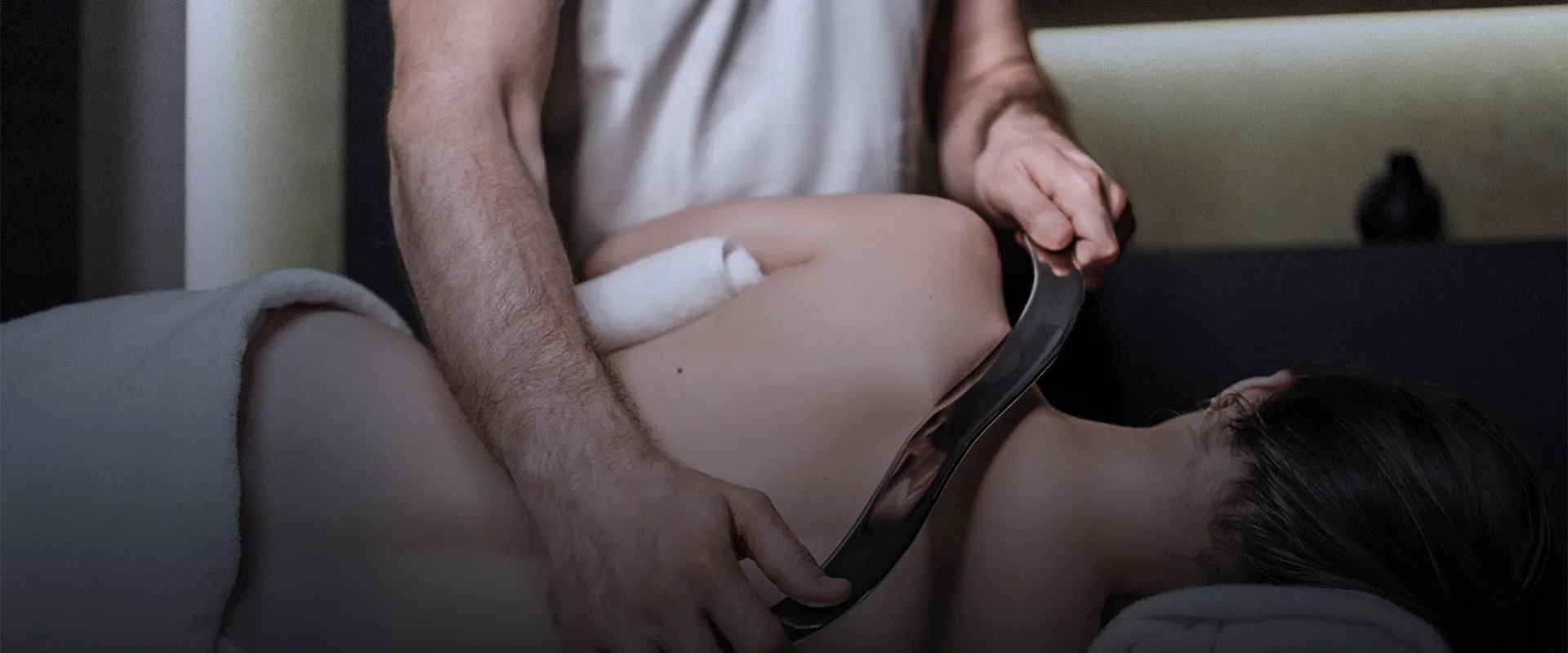
Physical Therapy and the Graston® Technique-Have you ever noticed a physical therapist using a small silver tool to scrape along a patient’s skin and wondered, “what the heck is that for?” It’s likely that you witnessed the therapist using a technique called the Graston® Technique.
Physical Therapy and the Graston® Technique

Have you ever noticed a physical therapist using a small silver tool to scrape along a patient’s skin and wondered, “what the heck is that for?” It’s likely that you witnessed the therapist using a technique called the Graston® Technique. Graston is a type of instrument assisted soft tissue mobilization (IASTM) that therapists can use to promote healing and sensory changes in chronically or acutely injured or irritated tissues. This is just one tool that therapists have in their toolbox to address musculoskeletal injuries and in this article you will learn more about the technique, why it is used and the proposed effects.
GET YOUR GRASTON® HERE
Like many great inventions, the Graston Technique evolved out of the desire to solve a problem.
This technique was first imagined by an amateur athlete who designed a set of tools to help him heal a knee injury. After having success treating his own injury, this athlete sought the help of medical and research professionals at Ball Memorial Hospital and Ball State University in Muncie to create a set of tools that would be adopted by the technique. In 1994 a clinic was opened in Indianapolis where clinicians gathered data on the success of these tools on a wide variety of acute and chronic injuries and five years later began offering training and education to outside clinicians on how to use these tools effectively in their own practices.
Now that you know where it came from let’s talk about what it is. Graston tools are made of stainless steel and designed with special edges and bevels to maximize their contours and effectiveness. Each instrument fits in the hand of a clinician and is used to mobilize soft tissues, ie., instrument assisted soft tissue mobilization. These tools were designed to address restrictions in the fascia and lesions in soft tissue that may be contributing to musculoskeletal injury or dysfunction. Through deep pressure and a scraping motion along the tissue, researchers at Graston Technique state that empirical and anecdotal evidence exists for several physiologic changes in the tissues. According to their website, the use of the Graston Technique can:
Separate and break down collagen cross links
Splay and stretch connective tissue & muscle fibers
Inhibit abnormal muscle tone and guarding which can lead to pain reduction
Increase the rate and amount of blood flow to/from the area
Increase cellular activity in the area
These effects can all contribute to a reduction in pain, a normalization of tissue alignment and an inflammatory response that can result in a completed healing cycle. The goal in using this technique is to combine it with individually prescribed therapeutic exercises to help reduce pain, restore normal range of motion and improve function.
Only clinicians trained by Graston instructors can claim to be using the Graston Technique. At this time there are other brands of IASTM tools that may train their clinicians differently, however, in this article we are focusing only on Graston. Graston Technique trained clinicians have made a considerable contribution of their time and finances to gain their credentialing and a sound knowledge of the safe application of the technique.
WHO CAN BENEFIT FROM THE GRASTON® TECHNIQUE?
As noted above, this technique has been historically used to treat a wide variety of acute and chronic injuries. Soft tissues are the primary focus of the Graston technique and these include tissue layers such as fascia, tendons and ligaments. Fascia is a thin casing of connective tissue that courses through the body and encapsulates every organ, muscle, nerve, blood vessel and fiber. Inflammation and trauma can affect the fascia causing pain and impeding movement both locally and further away in the body.
Injuries can lead to scar tissue, facial restrictions and soft tissue impairments which can restrict movement but also have larger effects on the nervous system. They alter sensory perception in the tissue which can induce a cycle of centralized pain in the body. In many of these cases the presence of pain does not actually signal the presence of injury but the nervous system becomes stuck in a cycle of perceived pain which then alters the body's movement and motor output. The use of the Graston instruments are intended to alter the abnormal sensory input and interrupt the pain cycle to allow the person to restore normal movement.
A simple example of how deep pressure or scraping can alter sensory input is to think of a time when you bumped your elbow hard against something. Pain quickly explodes in the area and you immediately place your hand over that spot and apply pressure. Because the nerves that carry pressure information transmit faster than the pain-carrying nerves, the pressure alters the sensory input and lessens the pain.
While Graston Techniques are not always indicated or needed, your therapist may opt to use the Graston instruments where they feel the soft tissue or fascia is affected or restricted. Tendonitis or tendinopathy, for example tennis elbow or achilles tendonitis, might benefit from the use of the tools on the involved tendon. Plantar fasciitis is another condition that may respond well to these techniques. Treating scar tissue after a surgery, low back or neck pain, patellofemoral disorders or even myofascial pain syndromes like Fibromyalgia are all examples of times when the Graston Technique may be applied.
Though Graston is a great tool, don’t worry if your therapist is not trained in this technique. There are many different ways to reduce pain, improve range of motion and function and our team of therapists at Evolve Physical Therapy have been trained in many effective treatment techniques. If you are dealing with an acute or chronic injury, however, it’s time to call the experts. We are here to help you get on the road to healing. Call to schedule an evaluation today.
Click here to find out more information about physical therapy and the Graston Technique
About EvolveNY-

Brooklyn's Premier Holistic Physical Therapy Clinics- There’s physical therapy, there’s training, and then there’s EVOLVE. We use the science of biomechanics merged with fitness to help our patients get better and stay better!
First we evaluate, then we heal, then we strengthen our clients so they can reach their goals, feel better, and live happier lives. We do so by utilizing a range of core techniques and specialized treatments to reduce pain, improve mobility, enhance physical strength and deal with the underlying issues, not just the pain itself.
Multiple Brooklyn Physical Therapy Clinic Locations!
https://EvolveNY.com

Are You Comfortable in Your Workplace?
Combat Workplace Injury with Ergonomics: If you are like many Americans, you spend thirty to fifty hours a week working at your job. Many individuals have tightly defined work duties and spend much of those hours repeating similar tasks or maintaining similar positions. Repeating any posture or activity for a long period of time increases your risk of developing a musculoskeletal injury.
Combat Workplace Injury with Ergonomics

If you are like many Americans, you spend thirty to fifty hours a week working at your job. Many individuals have tightly defined work duties and spend much of those hours repeating similar tasks or maintaining similar positions. Repeating any posture or activity for a long period of time increases your risk of developing a musculoskeletal injury. To combat this risk, an entire industry called ergonomics was created. According to the U.S. Fire Administration, “The coining of the term ‘ergonomics,’ derived from the Greek words “ergon” meaning work and “nomos” meaning natural law, was officially accepted in Britain in 1950. Later in 1952, Britain formed The Ergonomic Society. The United States followed shortly thereafter, forming The Human Factors Society in 1957.” Ergonomic principles were initially developed during the time following World War II when efforts were made to enhance the efficiency, safety and effectiveness of human and machine interactions. Eventually, ergonomics became what it is today, the process of designing or arranging a workplace, its products or systems to fit the users who engage with them in order to lessen the risk of workplace-related musculoskeletal disorders.
OSHA, the Occupational Safety and Health Administration defines several ergonomic risk factors that employers should consider when designing a workplace: forceful exertions, heavy lifting, pushing or pulling, carrying, gripping, awkward or prolonged postures, repetitive activities, overhead work, contact stress and vibration. These are considered risk factors as the prolonged or repetitive engagement with these situations or activities can lead to musculoskeletal injury. Just imagine how your neck feels after a couple days of painting your ceiling or how your back feels after a marathon day of sitting at your desk. Even seemingly benign activities, when performed repetitively or with suboptimal positioning or mechanics, can lead to an injury or musculoskeletal symptoms.
HOW DO PHYSICAL THERAPISTS FIT IN?
If ergonomics is all about the workplace, you may be wondering how physical therapists fit in the picture. Aside from the most obvious, which is that physical therapists frequently help their clients heal from work-related pain or injuries, some physical therapists go a step further to obtain training in how to perform ergonomic assessments. As part of an ergonomic assessment the therapist will select from a variety of well-respected outcome measures and ergonomics assessment tools available to them that can help them gather objective data about the workspace and its effects on the worker. The information gathered from the assessment allows them to advise employers and their employees on how to optimize the workplace to lower injury risk.
Strategies to optimize the workplace in order to lower injury risk is individualized to a given industry, however, in line with OSHA’s recommendations, there are three large categories of changes that employers (or if you are self-employed, you!) can make.
Engineering improvements is the first category. These changes involve modifying the tools, equipment, workstations, parts, packaging or products an employee uses. These things may need to be replaced by better options, rearranged, or even redesigned to lessen the impact that working in these spaces and with this equipment has on the musculoskeletal system.
Administration improvements can also be important. These changes happen at the administrative level and include adjusting work practices and workflow. Some examples of administrative improvements include adjusting workers schedules and the pace or productivity requirements, allowing recovery and rest time during the workday and allowing employees to have more variety in their work duties.
Finally, personal protective equipment is very important and an easy change that employers can make to lessen the risk for injury when their employees are at work.
ARE YOU CONSIDERING THE ERGONOMICS OF YOUR JOB?
If you are employed and working on site, you should talk to your employer if you feel your work duties are causing any musculoskeletal symptoms like pain, strain or injury. Hopefully they are quick to recommend some changes in line with ergonomic principles, but if not, you now have some information with which you can educate them.
If you are self-employed or work remotely at a desk, for example, you are in charge of your workspace. While space, finances and time can be a limiting factor to how you perform your job, it is worth it to be aware of any musculoskeletal symptoms that you are experiencing due to your work. By examining your workstation and work practices you can identify the ergonomic risks in your workflow and seek out help to ameliorate them. Changes such as ordering a standing desk that allows you to change position throughout the day can be enough to reduce symptoms associated with a desk job. Ordering knee pads so that you can kneel while you work instead of squatting or bending can reduce strain on the joints. Even planning regular, brief stops to get out of your car and walk around could make a world of difference for someone who spends their day in a truck.
If a quick adjustment to your workstation or tools doesn’t do the trick, it's time to call our team at Evolve Physical Therapy. As physical therapists, we are highly trained in the assessment and treatment of musculoskeletal injuries and commonly work with clients whose jobs have caused or are contributing to their symptoms. In these situations we can offer help in two ways. First, we will create a comprehensive rehabilitation program to address your symptoms. Second we will discuss with you about the aspects of your workday that may be contributing to your symptoms and suggest changes to reduce your risk of future musculoskeletal injury. If you are ready to get some help with your ergonomics, call Evolve Physical Therapy today to schedule an evaluation.
Click here to find out more information about ergonomics and physical therapy
About EvolveNY-
Brooklyn's Premier Holistic Physical Therapy Clinics- There’s physical therapy, there’s training, and then there’s EVOLVE. We use the science of biomechanics merged with fitness to help our patients get better and stay better!
First we evaluate, then we heal, then we strengthen our clients so they can reach their goals, feel better, and live happier lives. We do so by utilizing a range of core techniques and specialized treatments to reduce pain, improve mobility, enhance physical strength and deal with the underlying issues, not just the pain itself.
Multiple Brooklyn Physical Therapy Locations!
https://EvolveNY.com

Tennis Injuries Are No Match For PT
Physical Therapy for Tennis Players: Does Your Tennis Game Need PT? Tennis is a great sport that offers opportunities for players of all levels to get involved. For those who play at a competitive level, they enjoy the thrill of fast-paced competition and the opportunities to see their hard work and practice pay off…
Physical Therapy for Tennis Players

Does Your Tennis Game Need PT?
Tennis is a great sport that offers opportunities for players of all levels to get involved. For those who play at a competitive level, they enjoy the thrill of fast-paced competition and the opportunities to see their hard work and practice pay off. For those who play more casually, they have just as much fun playing with friends and engaging in local tournaments. Tennis, like all sports, places a certain amount of stress on the body’s tissues. The more you play, the higher the load on those tissues and the higher the risk for a tennis injury to occur or for an unrelated physical impairment to interfere with your game. So whether you are a player experiencing an injury or someone looking to improve their physical function or get back into the sport, professionals like physical therapists have just what you need.
POINTING OUT THE DEMANDS OF TENNIS
Tennis is a dynamic sport and one that uses the whole body. Let’s take the tennis swing or serve as an example. Serves, overheads, volleys, forehands and backhands utilize certain muscle groups over and over. If you think about how many shots you take in an hour’s worth of continuous play, you get a sense of how much the upper body works during a tennis match or practice. As a player progresses through the levels of tennis they will begin to put more spin and more speed on their shots which can increase the load on tissues in the shoulder, elbow, forearm and wrist even more. Additionally, the effects of poor body mechanics or errors in form become exacerbated.
In addition to the work the upper body performs while playing tennis, anyone returning to tennis after a break from exercise will quickly remember that anaerobic fitness, speed and stamina are necessary to play tennis successfully. Explosive movements to reach a shot can wear a player out if they are not used to them and a lack of speed will leave them missing returns that they could have otherwise gotten.
Balance and dynamic footwork round out the demands of tennis. The ability to change directions quickly, move forward, backwards, sideways and diagonally with speed and precision takes both balance and coordination. This is most evident on the single’s court but even those playing doubles will find their competitive edge dull when they can’t move quickly and with good balance on the court.
MATCHING YOU WITH A PHYSICAL THERAPIST
Depending on the needs you have, a sports or orthopedic physical therapist or even a neurologic physical therapist can help you address many different concerns related to tennis. Let’s explore some of the ways physical therapist help their patients who play tennis:
Improving form and technique: While a tennis coach is the primary resource for learning the skill and technique of tennis, sometimes the body feels restricted or presents with an impairment that prevents you from carrying forth the good techniques taught by your coaches. For example, if you have trouble reaching overhead, your serve might suffer. If your trunk is stiff and it is hard for you to rotate through your spine or hips, you may notice the speed and power of your shots diminish. In these cases, while the player is not injured, physical impairments are leading to limitations in their activities and a physical therapist can assess these impairments and create a plan to address them which is specific to your goals of improving in tennis.
Addressing pain or injuries: As noted above, injuries happen on and off the tennis court. Whether you have an old injury that is bothering you, a new injury that happened off the court or an injury that occurred during play, working with a physical therapist can help you return to tennis. Taking a full break from play is not always necessary and physical therapy can show you more effective and active sports rehabilitation and recovery strategies than simply taking repeated breaks from the game in hopes the discomfort resolves. Because tennis requires repeated, moderate to high load forces, your body’s tissues need to be ready to withstand this. Your PT will examine any injured areas as well as other areas important to playing tennis and with a good plan in place can help you recover from injury and reduce the likelihood of experiencing injury in the future.
Improving mobility: Illness, injury and deconditioning can all be precursors to a reduction in mobility. In tennis, when a player is experiencing reduced mobility they may have trouble being on their feet long enough to finish a game, they may have trouble moving around the court or they may feel off balance and worry about falling. All of these issues will impact a player’s ability to play and possibly even enjoy the game of tennis but physical therapists are trained to address impairments in mobility and to make it specific to the types of activities in which you want to improve.
TENNIS IS LOVED BY MANY
Tennis is a game that is loved by many and as physical therapists we want to see our clients and patients enjoy the sport they love for as long as possible. If you have noticed a physical impairment is affecting your game or would like to address any concerns so that you can get back to playing, don’t wait. Our team of physical therapists at Evolve Physical Therapy would love to help you be your best out on the court.
Click here to find out more information about physical therapy for tennis players
About EvolveNY-
Brooklyn's Premier Holistic Physical Therapy Clinics- There’s physical therapy, there’s training, and then there’s EVOLVE. We use the science of biomechanics merged with fitness to help our patients get better and stay better!
First we evaluate, then we heal, then we strengthen our clients so they can reach their goals, feel better, and live happier lives. We do so by utilizing a range of core techniques and specialized treatments to reduce pain, improve mobility, enhance physical strength and deal with the underlying issues, not just the pain itself.
Multiple Brooklyn Physical Therapy Locations!
https://EvolveNY.com
Do I Need Electrical Stimulation To Heal?
Electrical Stimulation in Physical Therapy: If you have ever been in a physical therapy clinic or worked with a physical therapist before, you probably realize that physical therapists use a variety of tools in their practice. Some of these tools are meant to reduce symptoms, some to promote healing, some to help bodies learn. Amongst the various tools in a physical therapist’s toolbox, is electrical stimulation.
Electrical Stimulation in Physical Therapy

Treatment Toolbox: Electrical Stimulation
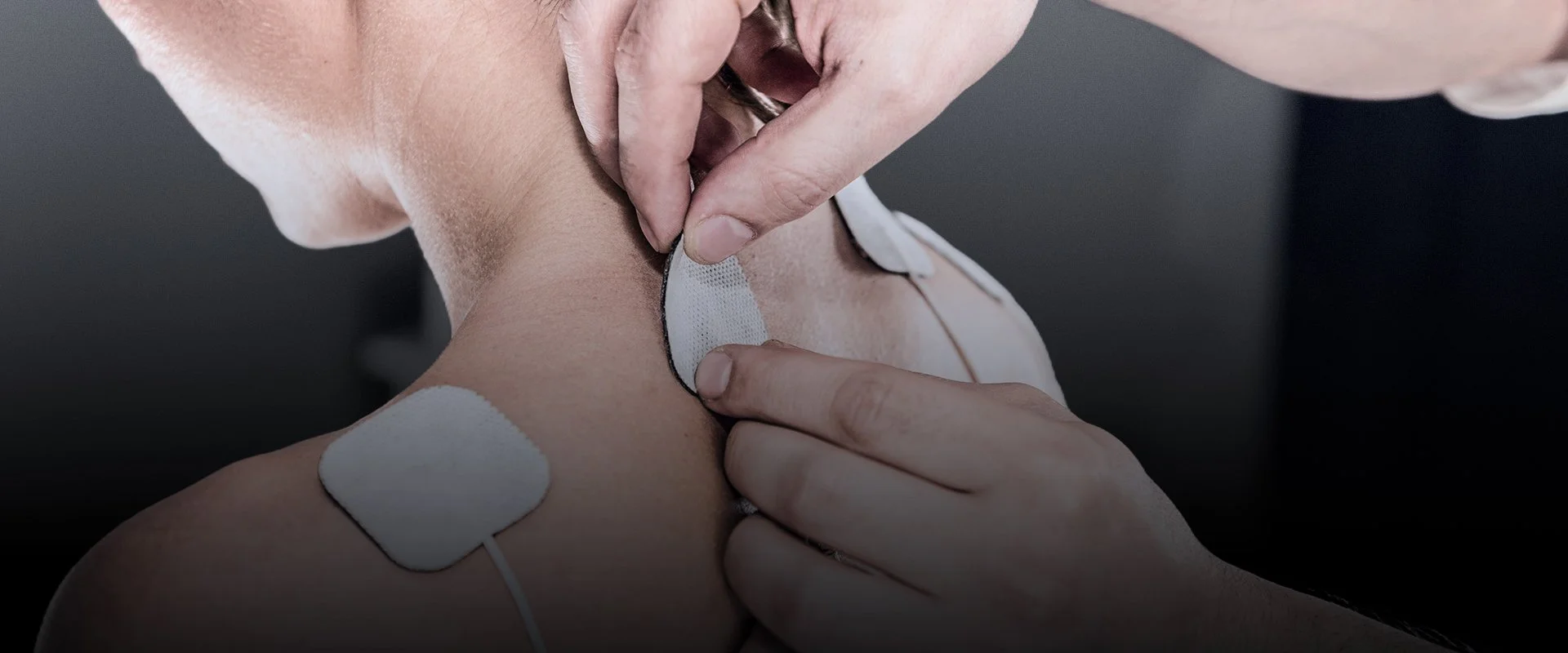
If you have ever been in a physical therapy clinic or worked with a physical therapist before, you probably realize that physical therapists use a variety of tools in their practice. Some of these tools are meant to reduce symptoms, some to promote healing, some to help bodies learn. Amongst the various tools in a physical therapist’s toolbox, is electrical stimulation. Electrical stimulation is a modality that sends a carefully controlled electrical current into tissues to achieve a desired effect such as pain modulation or muscle activation. This modality is not always indicated but as you may see this during your treatment session, it is helpful to understand how it works and why your therapist might prescribe it.
HOW DOES ELECTRICAL STIMULATION WORK?
Though it may sound kind of scary, when used correctly, electrical stimulation is quite safe and is used by many rehabilitation professionals. Occupational therapists often use it to help re-educate muscles in the upper extremity, speech therapists may use it to activate the muscles for swallowing and physical therapists use it to achieve several therapeutic outcomes.
Most individuals are familiar with the type of electrical stimulation that is delivered through sticky electrodes which are placed on the skin. It can also be delivered through very thin, solid needles that are inserted into the target muscle or tissue. Unlike massage or myofascial work that is applied superficially across the skin, electrical stimulation allows the treatment to permeate through layers of tissue in order to target deeper layers more directly.
When electrodes or needles are utilized to deliver electrical stimulation, they are applied in pairs. Each pair creates a circuit for the electrical current to travel from the device through the tissues and back to the device. In the clinic you may see therapists use small, hand held devices that can travel easily as you move about or larger devices that tend to reside permanently on a cart. These devices can sometimes supply electrical stimulation to more than one person, individually.
While the devices might look fairly uniform, there are many different types of electrical stimulation and each one aims to affect the nerves or tissues in its own way. The wave form, amplitude, pulse width and duration of the electrical impulse is different in each type of electrical stimulation. This is why it is important to know what the goal of treatment is in order to select the correct type of electrical stimulation and therefore the right device.
HOW DOES Electrical Stimulation FEEL?
If you’ve heard someone describe electrical stimulation you may have heard them describe it as “ants crawling on the skin.” This is a pretty accurate description of many types of electrical stimulation. After your therapist applies the electrodes or needles (don’t worry, this type of electrical stimulation is only used if you have consented to dry needling treatment ahead of time and after a thorough discussion with your therapist), they will set the desired parameters on the electrical stimulation device. Next, they will slowly turn up the stimulation until you let them know you are beginning to feel the tingling. Depending on the type of electrical stimulation, a comfortable tingle may be the goal and at this point you get to rest and relax until the treatment is over. You will likely feel a pattern of slightly changing stimulation happening throughout the treatment but oftentimes it is continuous.
Other types of electrical stimulation are used to externally stimulate a muscle and your therapist will continue to turn up the stimulation until the muscle is contracting noticeably. Typically, this type of stimulation is used to activate muscles. The stimulation will turn on to contract the muscle for a short period and then turn off to allow the muscle to rest. You will likely be asked to try and actively contract the muscle each time the electrical stimulation turns on.
Electrical stimulation should not be painful. While it is true that the sensory-level stimulation that usually leads to a brief nap tends to be more comfortable that the motor-level stimulation that helps contract a muscle, there are ways your therapist can modify the parameters of the electrical stimulation to help make you more comfortable.
WHY IS IT USED?
Because there are different types of electrical stimulation there are several ways it can be utilized. Some patients benefit from the use of electrical stimulation to decrease sensations of pain. Interferential current or IFC is often used to manage acute, chronic pain, post-surgical and post-traumatic pain. TENS or transcutaneous electrical nerve stimulation is also used commonly in the management of pain and is often prescribed to those with chronic pain.
Several types of electrical stimulation are also utilized to activate muscles, promote neuromuscular re-education and neuroplasticity for motor recovery. The electrical stimulation used most commonly for these goals are Russian protocol stimulation, NMES (neuromuscular electrical stimulation) and FES (functional electrical stimulation). These forms of electrical stimulation bypass the brain and spinal cord and stimulate the muscle externally. This type of therapy is most effective when patients act as an active participant and try to actively contract the target muscle along with the stimulation. The goal here is to restore the brain to muscle connection so that the body can activate the muscle independently and effectively. This type of electrical stimulation may be used on a quadriceps muscle inhibited after an ACL repair or on the ankle muscles of a patient recovering from a stroke.
Iontophoresis is a less common and more specialized type of electrical current that helps transport medications through the skin. These medications are prescribed by your doctor and applied to specialized electrodes and placed over the affected area. The type of drug utilized will determine the effect of the treatment but iontophoresis may be used to decrease inflammation, decrease pain, manage scar tissue or reduce calcium deposits.
In addition to the benefits described above, electrical stimulation is sometimes used to promote healing, increase range of motion, improve circulation, decrease edema and inflammation, decrease spasticity and improve overall function.
SHOULD EVERY PATIENT HAVE ELECTRICAL STIMULATION?
While there may be a positive effect of electrical stimulation in many situations, it is not a magic bullet nor a stand-alone treatment. Electrical stimulation is not necessary or indicated for all patients and tends to be utilized earlier on in a patient’s treatment and then replaced by more active exercises and modalities that more closely mimic daily life.
Electrical stimulation is contraindicated in the presence of certain medical conditions, implants and devices and could pose a serious danger in these circumstances. Be sure to tell your physical therapist your entire medical history so that they can decide if electrical stimulation is a safe option for you.
At Evolve Physical Therapy we aim to heal. If you would like to discuss if electrical stimulation is a beneficial and appropriate adjunct to your treatment plan we would love to discuss this with you. To learn more about the full toolbox of treatments and interventions we have to help you feel better, call to schedule and evaluation today.
Click here to find out more information about electrical stimulation physical therapy services
About EvolveNY-
Brooklyn's Premier Holistic Physical Therapy Clinics- There’s physical therapy, there’s training, and then there’s EVOLVE. We use the science of biomechanics merged with fitness to help our patients get better and stay better!
First we evaluate, then we heal, then we strengthen our clients so they can reach their goals, feel better, and live happier lives. We do so by utilizing a range of core techniques and specialized treatments to reduce pain, improve mobility, enhance physical strength and deal with the underlying issues, not just the pain itself.
Multiple Brooklyn Physical Therapy Locations!
https://EvolveNY.com

Physical Therapy for Extreme Athletes
Extreme Athletes: Crushing Injuries While Crushing Records- For those who spend their lives pushing their bodies to the extreme, pain and injury are almost unavoidable, but an athlete that hopes for a long career needs to have a great team of professionals on hand, a physical therapist being one of them.
Extreme Athletes: Crushing Injuries While Crushing Records

Physical Therapy for Extreme Athletes
You only have to spend a few minutes on YouTube, TikTok or Pay Per View to realize that Americans love extreme sports. From UFC to heliskiing, obstacle course racing and ultra distance running, Crossfit to rock climbing, for many, the adrenaline rush is worth the risk. For every individual participating in an extreme sport there are even more who love to spectate. While success at extreme sports can bring all the glory, the road to success does not come without risk. For those who spend their lives pushing their bodies to the extreme, pain and injury are almost unavoidable, but an athlete that hopes for a long career needs to have a great team of professionals on hand, a physical therapist being one of them.
If you are unfamiliar with the sport of ultra distance running, you may not know that a beloved female ultra athlete achieved a feat in the summer of 2023 that is unlikely to be repeated in our lifetime. Courtney Dauwalter ran and won three of the toughest and most competitive ultra races on the planet in the same summer–the Western States 100 miler (June, 2023), the Hardrock 100 miler (July, 2023) and the Ultra Trail Du Mont Blanc (UTMB) 106 miler (August, 2023). She also set course records in the first two races. Even if you are not a fan of trail running, it doesn’t take much to imagine how difficult it would be to race as hard as you can over 300 miles across three races with barely a month’s time to recover in between. This my friends, is an extreme athlete’s dream and the type of feat for which they rigorously train their bodies.
HAVING A PHYSICAL THERAPIST ON THE TEAM
An extreme athlete will typically have a team of professionals that help them stay healthy and succeed in their sport. Trainers, sports psychologists, physicians, massage therapists and physical therapists work to optimize an athlete’s physical and mental health. Because of the high volume of training most of these athletes participate in and the extreme forces many of their bodies undergo, having a rehabilitation professional experienced in treating these kinds of athletes is essential. Physical therapists support extreme athletes in a few different capacities.
Injury prevention: Injuries happen. It is almost inevitable if you are riding a bike off a huge jump, scaling five hundred foot walls or running hundreds of miles. So while not every injury can be prevented, there is a lot physical therapists can do to minimize the frequency and severity of injuries. The off-season, for example, is an important time to put in hard work in the training room that builds a base from which you can compete. This is also a great time to visit your physical therapist. At this time your PT can perform testing and screens to evaluate any losses in muscle performance, strength, flexibility, etc that have occurred throughout the season and look for any impairments that may predispose you to future injury. They can review your past season and performance, identify and past injuries and with this information craft an even better exercise plan to get you through the next year.
Address the niggles: A niggle is that annoying little pain or discomfort that crops up during training or competition. It is not severe enough to stop you from training but it doesn’t seem to be resolving on its own either. It’s also pretty easy to ignore but ignore the niggle too long and it can suddenly transform into a full-blown injury. When you have a good physical therapist on your team you can visit them as soon as these symptoms arise. Your physical therapist can assess your training plan and make suggestions if needed. For example, you may need to modify your warm up or recovery routine. You may benefit from incorporating some different exercises into your weekly training. When necessary your PT can also apply manual therapy interventions to promote tissue healing and manage discomfort.
Recover from the injuries: Given the nature of the activities in which many extreme athletes are involved, the types of injuries incurred are highly variable. Injuries may occur due to accidents while performing their sport or as a result of training in the gym, for example. Along with post surgical rehab, physical therapists often treat muscle contusions, tendinopathies, strains and sprains, fractured bones, concussions and head injuries, joint pain, back and neck pain and much more, in extreme athletes.
EXTREMELY SKILLED REHAB FOR EXTREME ATHLETES
When injuries do strike, it’s time to hit the rehab room. If you have been working with your PT for a while, they already know your body and your sport and understand how demanding your extreme sport is. Because of the stresses and forces applied to the body when performing extreme sports, you want to work with a PT that understands how to get your body back to the level that it can withstand these stresses. Applying evidence-based treatment protocols and return-to-sport guidelines helps reduce the risk of reinjury.
Here at Evolve Physical Therapy our sports PTs love our extreme athletes. Many of us grew up athletes and value the dedication and commitment it takes to succeed in these types of endeavors. So whether you are injured now or looking to add a skilled PT to your team, call Evolve Physical Therapy today to learn how we can help make you a better athlete.
Click here for more information about physical therapy for extreme athletes
About EvolveNY-
Brooklyn's Premier Holistic Physical Therapy Clinics- There’s physical therapy, there’s training, and then there’s EVOLVE.
We use the science of biomechanics merged with fitness to help our patients get better and stay better! First we evaluate, then we heal, then we strengthen our clients so they can reach their goals, feel better, and live happier lives. We do so by utilizing a range of core techniques and specialized treatments to reduce pain, improve mobility, enhance physical strength and deal with the underlying issues, not just the pain itself.
Multiple Brooklyn Physical Therapy Locations!
https://EvolveNY.com

Physical Therapy for Golf Players
For those who golf regularly or would like to get into the sport, they will notice that despite its relaxing pace, golf swings place quite a demand on the body and pain or injury can leave you spending the day in the cart rather than swinging for a hole-in-one. If this sounds like you, there is more you can do than just wait for things to improve…
Golf Physical Therapy- Take a Swing at PT for Golfers

Physical Therapy for Golfers
If you are a regular golfer, you probably love tee times with friends, refreshments at the clubhouse afterwards, traveling to visit different courses and the challenge of improving at a technical sport. While golf may not be as fast-paced as a sport like football, it requires just as much practice, precision and technique to be a great player. Plus, if you have the means to do so and a driving range or golf course nearby, there is a fairly low barrier to entry. Will you be great when you first start, no way, but can you have fun with friends and learn to be a better player over time? Absolutely!
For those who golf regularly or would like to get into the sport, they will notice that despite its relaxing pace, golf swings place quite a demand on the body and pain or injury can leave you spending the day in the cart rather than swinging for a hole-in-one. If this sounds like you, there is more you can do than just wait for things to improve. Physical therapists work with golfers who are recovering from golf-related injuries, experiencing bothersome discomfort when they golf or have an unrelated injury or condition that is interfering with their game. If you would like to learn more about this topic keep reading to learn how golf physical therapy can help you get back onto the green.
WHAT’S IN A GOLF SWING?
Anyone who has tried to swing a golf club for the first time, or let’s face it, the first fifty times, has probably felt how challenging this motion can be. Maybe you realized your back doesn’t like to rotate that well, you have trouble shifting your weight onto one leg or your shoulders can’t seem to lift high enough. Perhaps you realized how much trouble you are having balancing as the club arcs through the air or how hard it is to reach down and place or pick up the ball. Any one of these problems can interfere with your enjoyment and success in golf and they are all situations that could benefit from physical therapy.
TAKING A SWING AT PHYSICAL THERAPY
Physical therapists work with golfers in several capacities. There is no one-size-fits all approach to golf rehab because every individual has a unique impairment they want to address. This is why a physical therapist will always spend time getting to know your goals, what brings you into physical therapy and much more in order to individualize a treatment plan. Let’s look at a few scenarios in which a PT can help improve a golfer’s game and hopefully, how much they enjoy themselves while playing:
Addressing injuries: If you think about how many strokes an average player takes per hole on an 18 hole golf course, you get a sense of how repetitive the motions of golf can be. Add to that time spent practicing at the driving range and any errors in your swing technique, irritated tissues or previous injuries and you can see how a golfer may begin to experience discomfort or injury. When this happens, it is smart to take a pause and seek out a professional like a physical therapist. Addressing pain and discomfort early on may allow you to continue playing, albeit possibly with some modifications, while you work with your therapist to address the underlying causes. If you ignore your symptoms and play through them you could put yourself at risk of developing an injury that will leave you watching from the cart for a while.
Injury prevention and form optimization: A golfer without any injury may still benefit from working with a physical therapist. As we discussed above, golf requires a great deal of range of motion, strength, power and control at the lower legs, hips, spine, shoulders and arms. Whenever there is a limitation in these areas, it will change or hamper how you play golf. Your physical therapist can assess your range of motion and strength, look at your joint mobility and spinal and motor control and create a plan to address any limitations in these areas. Additionally, during situations where impairments can not be changed, your therapist can help you compensate for and work around these impairments. Addressing these impairments early can improve your game and prevent the likelihood of injury in the future.
Improve balance and mobility: In addition to the mechanics of swinging a golf club, playing golf requires balance while you swing the club, balance while you reach down to the ground for the ball and balance while you walk across uneven grass. It also requires a certain amount of standing tolerance and stamina for walking. If you are pain free but find negotiating a golf course or holding your balance is what keeps you from playing the game or enjoying the game you are in luck. Physical therapy can also help you improve in these areas.
WHAT ARE YOU WAITING FOR?
If you have made it this far there is a good chance you read something in this article that resonated with you. If that is the case, what are you waiting for? Physical therapy is a great option to address injury, improve performance and mobility on the golf course and our team of therapists would love to be the ones to help you do that. If you are ready, call the team at Evolve Physical Therapy today and schedule an evaluation.
Click here for more information about physical therapy for golf players
About EvolveNY-
Brooklyn's Premier Holistic Physical Therapy Clinics- There’s physical therapy, there’s training, and then there’s EVOLVE. We use the science of biomechanics merged with fitness to help our patients get better and stay better!
First we evaluate, then we heal, then we strengthen our clients so they can reach their goals, feel better, and live happier lives. We do so by utilizing a range of core techniques and specialized treatments to reduce pain, improve mobility, enhance physical strength and deal with the underlying issues, not just the pain itself.
Multiple Brooklyn Physical Therapy Locations!
https://EvolveNY.com

Sports physical therapy is a home run for softball players!
Performance Enhancement & Injury Prevention for Softball Players . Don’t let the term “soft” ball fool you. Softball players are anything but soft and to be successful at a game that requires speed, skill, power and teamwork, softball players dedicate hours to improving their performance…
Physical Therapy for Softball Players

Performance Enhancement & Injury Prevention for Softball Players
Don’t let the term “soft” ball fool you. Softball players are anything but soft and to be successful at a game that requires speed, skill, power and teamwork, softball players dedicate hours to improving their performance. Working with a coach is a great way to build more skill and become a competitive player but having a great sports or orthopedic physical therapist on your team is another way to help boost performance and prevent and recover from injuries that may bench you unexpectedly.
STRIKING OUT AGAINST INJURIES
Despite best laid plans, softball players get injured sometimes. Contact injuries can happen when two players collide or contact one another unexpectedly. Non contact injuries can occur due to the dynamic and ballistic movements of players, the surface they play on or uncontrollable incidents like getting hit by a pitch. While a variety of injuries are possible when training, practicing or playing games, these are some of the most common softball-related injuries that physical therapists encounter:
Muscle contusions
Shoulder labral tears
Shoulder instability
Knee and ankle ligament injuries
Wrist sprains or tendonitis
Fractures
Concussions
Overuse injuries
When an injury strikes, it is important to take the right next steps. Resuming activity too early can worsen the injury and delay recovery while resting for too long can actually prolong recovery. How do you know when to rest completely, when to continue practice and play with modifications and when to return to normal levels of activity? The answer to this question is complicated but lucky for you, physical therapists are trained to advise you on this topic.
If you are playing softball regularly or competitively, it is a good idea to establish care with a physical therapist before you get injured. This allows you to reach out to a professional you trust as soon as you get injured so that you take the best actions right away. Additionally, you have someone available to help you address small aches and pains that can become full-blown, season-interrupting injuries if not addressed.
Each type of injury has a unique timeline for recovery and protocol for rehabilitation. The type of rehabilitation needed to return to low impact activity like most daily activities is quite different from that needed to prepare an athlete to return to high level athletics. Working with a physical therapist that understands softball will help them tailor your rehabilitation plan of care to support return to sport and help you prevent recurrence of injury in the future.
PREPARING THE BODY FOR SOFTBALL
Softball, like all sports, imposes unique physical demands on the body. Being in “good shape” is not necessarily enough to prepare the body to withstand the stresses it experiences during practice, game play and training. Failing to prepare the body adequately increases the risk of injury significantly and negatively impacts performance. Physical therapists use their understanding of the unique physiological and anatomical demands of a sport like softball to train and rehabilitate their athletes. Athlete screens can be performed by physical therapists to identify impairments in muscle performance, functional movements, joint mobility, and more, that may increase an athlete's risk of injury..
When a therapist observes that an athlete lacks strength in their rotator cuff, stability around their knee joints or stiffness in their spine, for example, they can create a plan to address these impairments. Interventions and exercises prescribed by a PT may look different depending on whether the athlete is in pre-season, off-season or in season but are aimed at optimizing the player’s muscle performance and movement capabilities to limit injury risk. By taking this proactive step you can get ahead of potential injuries and you may even see your performance improve.
Softball requires many motions and components of muscle performance. Let’s take a look at the components of fitness and movement that are important for softball players to maximize performance and decrease injury risk:
Strength: Muscle strength refers to the amount of force a muscle can develop, the amount of force or pressure it can withstand or the amount it can move. Whole body strength allows players to run, jump, sprint and so forth but it also helps increase the resilience of muscles against injury.
Power: Power is a component of muscle performance in which strength or muscle force is developed rapidly in order to perform ballistic movements like throwing or pitching a ball or sprinting between bases. A player that is strong but slow will be at a disadvantage in many situations.
Flexibility: Appropriate muscle flexibility is essential for players to move through their full ranges of motion without straining muscles. Lack of appropriate muscle flexibility can increase the risk of injuries.
Joint Mobility: Joint mobility is important for the execution of movements requiring more extreme ranges of motions like pitching a ball.
Joint Stability: The ability to control joint position while rapidly changing directions or during unexpected contact from another player, for example, is important to help prevent sprains and strains.
Proprioception and Coordination: Joint proprioception and neuromuscular coordination are important components of the skills required to be a great player and to minimize injury risk.
Muscle Endurance: Strong muscles with poor endurance will have difficulty performing at a high level for the duration of practice or game play and injury risk increases as muscles fatigue.
CHOOSE EVOLVE PHYSICAL THERAPY
At Evolve PT we want to get you strong and healthy so that you can get back to playing the game you love. We apply an individualized approach to athlete assessment and rehabilitation and our goals are to help you become the best player you can be. If you are a softball player recovering from an injury or wondering if there are steps you can take to prevent one in the future, call Evolve PT today.
Click here to find out more information about physical therapy for softball players
About EvolveNY-
Brooklyn's Premier Holistic Physical Therapy Clinics- There’s physical therapy, there’s training, and then there’s EVOLVE. We use the science of biomechanics merged with fitness to help our patients get better and stay better!
First we evaluate, then we heal, then we strengthen our clients so they can reach their goals, feel better, and live happier lives. We do so by utilizing a range of core techniques and specialized treatments to reduce pain, improve mobility, enhance physical strength and deal with the underlying issues, not just the pain itself.
Multiple Brooklyn Physical Therapy Locations!
https://EvolveNY.com
Pass On Injury & Level Up Your Soccer Performance
Tackle Soccer Injuries and Performance with PT- Soccer is a favorite sport among kids, teenagers and adults, worldwide. Hitting the pitch to play a casual game with friends or lining up to start a professional or college match, soccer requires both fitness and skill…
Scoring Against Injuries: PT for Soccer Players

Tackle Soccer Injuries and Performance with Sports PT
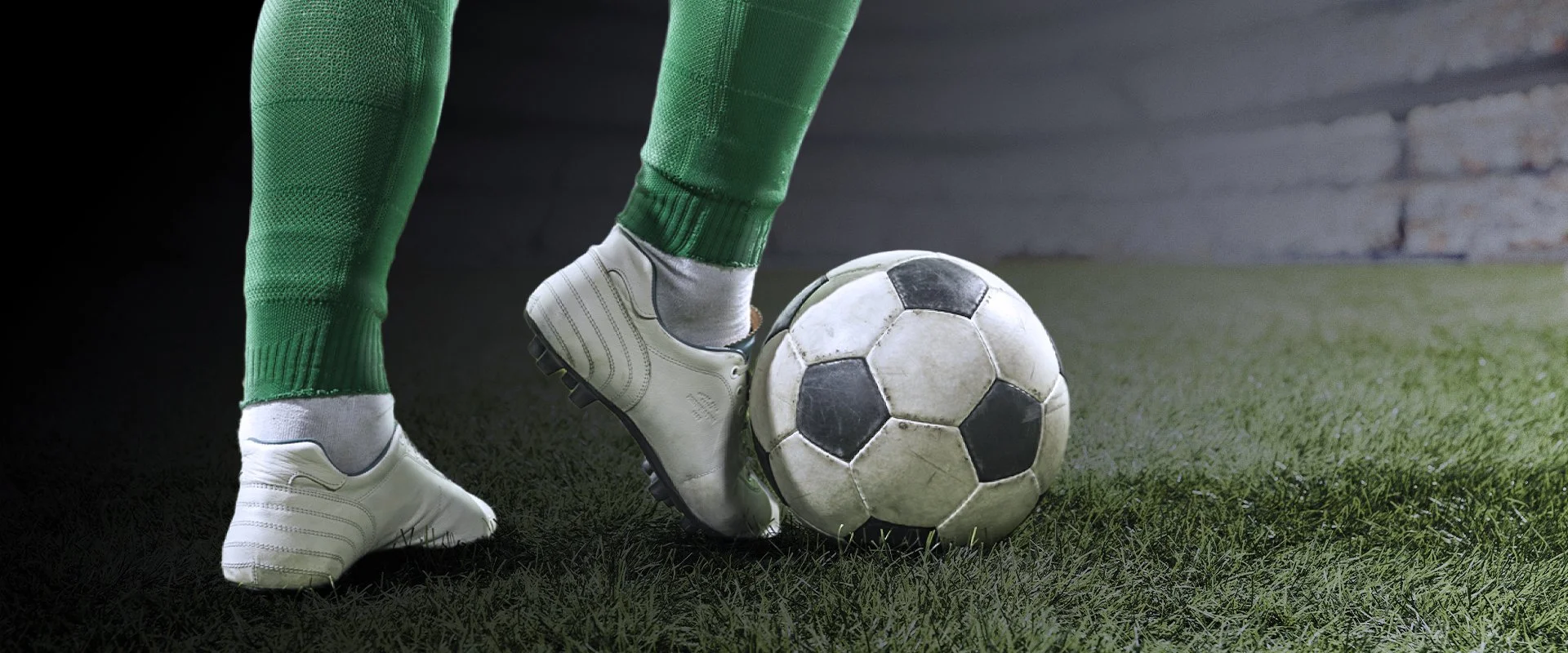
Soccer is a favorite sport among kids, teenagers and adults, worldwide. Hitting the pitch to play a casual game with friends or lining up to start a professional or college match, soccer requires both fitness and skill. Working with a coach is a great way to build more skill and become a competitive player but having a great sports or orthopedic physical therapist on your team is another way to help boost performance and prevent and recover from injuries that can strike without warning.
RECOVER AND REHABILITATE THE RIGHT WAY
Even the best players experience injuries. Unlike a sport like running where you don’t contact other runners much, soccer players face injury risk due to the dynamic and ballistic movements they perform, the surface of the field and the unpredictable behaviors of other players. One of the most important roles that physical therapists play in the management of soccer athletes is helping them recover from injury. Recovering in the right way can make all the difference between returning to full play and sitting out on the sidelines. While soccer players can experience many different types of injuries, some of the most common soccer-related injuries that physical therapists encounter are as follows:
Ligament sprains–ankles, knees, wrist, shoulder, etc
Muscle contusions
Meniscus injuries
Concussions
Turf Toe
Getting immediate advice and intervention is an important strategy for optimal recovery from an injury. Establishing care with a great PT before a big injury strikes will allow you to take action right away. Many players ignore small but recurring aches and pains until they become full-blown injuries but having a PT on your team already means you can bring this to their attention early on. By addressing these small injuries and irritations you reduce the likelihood they will become season-interrupting problems later on.
When injury does occur, you need to make the right choice as to whether you can continue to play, continue to play with modifications or need to cease playing altogether. Through education, training and practice your PT is an excellent resource to guide you through this decision-making process and to advise you on when consulting with a physician or getting imaging is needed. Each type of injury has a unique timeline for recovery and protocol for rehabilitation. The type of rehabilitation needed to return to low impact activity like most daily activities is quite different from that needed to prepare an athlete to return to high level athletics. Working with a physical therapist that understands soccer will help them tailor your rehabilitation plan of care to support return to sport.
TRAINING FOR A SOCCER BODY
There is no doubt that players like Cristiano Ronaldo and Mia Hamm have spent thousands of hours practicing the skills needed to dominate the sport, but their level of fitness and conditioning played an essential role in their ability to play competitively for so long. Soccer, like all sports, imposes unique physical demands on the body. Failing to train the body to withstand the stresses it experiences during practice, game play and training increases the risk of injury significantly and impacts performance.
Physical therapists use their understanding of the unique physiological and anatomical demands of a sport like soccer to train and rehabilitate their athletes. Let’s take a look at the components of fitness and movement that are important for soccer players to maximize performance and decrease injury risk:
Strength: Muscle strength refers to the amount of force a muscle can develop, the amount of force or pressure it can withstand or the amount it can move. Whole body strength is important for soccer players who need to run, jump, change directions quickly and kick a ball powerfully.
Power: Power is a component of muscle performance in which strength or muscle force is developed rapidly in order to perform ballistic movements like passing a ball to another player sprinting down the field or diving across the goal to block the ball. A player that is strong but slow will be at a disadvantage in many situations.
Flexibility: Appropriate muscle flexibility is essential for players to move through their full ranges of motion without straining muscles. Lack of appropriate muscle flexibility can increase the risk of injuries like hamstring and adductor strains.
Joint Mobility: Joint mobility is important for the execution of movements requiring more extreme ranges of motions.
Joint Stability: The ability to control joint position while rapidly changing directions or during unexpected contact from another player, for example, is important to help prevent sprains and strains.
Proprioception and Coordination: Joint proprioception and neuromuscular coordination are important components of the skills required to be a great player and to minimize injury risk.
Muscle Endurance: Strong muscles with poor endurance will have difficulty performing at a high level for the duration of practice or game play and injury risk increases as muscles fatigue.
As important as rehabilitation from an injury is, preventing injuries in the first place is equally as important. Physical therapists use their knowledge of components of movement and fitness that were outlined above to screen athletes and identify impairments that increase their risk for injuries and may be compromising performance. This type of athlete screen allows for a proactive approach to injury prevention and athlete development. Once they have identified these impairments your physical therapist can prescribe a series of treatments and exercises that you can implement in off-season, pre-season and/or during the regular season to support performance and minimize injury risk. By taking this proactive step you can get ahead of potential injuries and you may even see your performance improve.
CHOOSE EVOLVE PHYSICAL THERAPY
At Evolve PT we want to get you strong and healthy so that you can get back to playing the game you love. We apply an individualized approach to athlete assessment and rehabilitation and our goals are to help you become the best player you can be. If you are a soccer player recovering from an injury or wondering if there are steps you can take to prevent one in the future, call Evolve PT today.
Click here to find out more information about physical therapy for soccer players
About EvolveNY-
Brooklyn's Premier Holistic Physical Therapy Clinics- There’s physical therapy, there’s training, and then there’s EVOLVE. We use the science of biomechanics merged with fitness to help our patients get better and stay better!
First we evaluate, then we heal, then we strengthen our clients so they can reach their goals, feel better, and live happier lives. We do so by utilizing a range of core techniques and specialized treatments to reduce pain, improve mobility, enhance physical strength and deal with the underlying issues, not just the pain itself.
Multiple Brooklyn Physical Therapy Locations!
https://EvolveNY.com

Don’t jump through hoops to find a great basketball PT
Physical Therapy for Basketball Players; Playing Offense Against Injuries- Most basketball players are looking to gain a competitive edge and many hope to be able to play the game for years. Some even have aspirations of playing professionally. One important aspect of longevity in basketball is high quality injury rehabilitation and injury prevention programs.
Physical Therapy for Basketball Players
Playing Offense Against Injuries

Basketball is a popular sport amongst kids, teenagers and adults. A great way to socialize with friends and teammates, stoke the competitive fire and get some exercise, playing basketball has many benefits. Most players are looking to gain a competitive edge and many hope to be able to play the game for years. Some even have aspirations of playing professionally. One important aspect of longevity in basketball is high quality injury rehabilitation and prevention programs. To get the most out of these programs, working with a sports or orthopedic physical therapist familiar with the sport of basketball is a smart choice.
SUCCESS IN BASKETBALL
You don’t get to be Kobe Bryant or Michael Jordan without thousands of hours practicing basketball drills and skills on top of time spent in the fitness room. No matter what level you participate in a sport, preparing your body physically for the demands of that sport is an important way to minimize injury risk, promote longevity and improve performance. Physical therapists use their understanding of the unique physiological and anatomical demands of a sport like basketball to train and rehabilitate their athletes. Let’s take a look at the components of fitness and movement that are important for basketball players to maximize performance and decrease injury risk:
Strength: Muscle strength refers to the amount of force a muscle can develop, the amount of force or pressure it can withstand or the amount it can move. Whole body strength is important for basketball players who need to run, jump, change directions and shoot a ball.
Power: Power is a component of muscle performance in which strength or muscle force is developed rapidly in order to perform ballistic movements like passing a ball to another player or taking a jump shot. A player that is strong but slow will be at a disadvantage in many situations.
Flexibility: Appropriate muscle flexibility is essential for players to move through their full ranges of motion without straining muscles.
Joint Mobility: Joint mobility is important for the execution of movements requiring more extreme ranges of motion like shooting a ball overhead.
Joint Stability: The ability to control joint position while rapidly changing directions or while landing from a jump, for example, is important to help prevent sprains and strains.
Proprioception and Coordination: Joint proprioception and neuromuscular coordination are important components of the skills required to be a great player.
Muscle Endurance: Strong muscles with poor endurance will have difficulty performing at a high level for the duration of practice or game play and injury risk increases as muscles fatigue.
HOW PHYSICAL THERAPISTS CAN HELP
Having a great physical therapist on your team is a huge benefit. PT’s have two main roles when it comes to athlete management. First, they use their knowledge of components of movement and fitness that were outlined above to screen athletes and identify impairments that increase their risk for injuries and may be compromising performance. This type of athlete screen allows for a proactive approach to injury prevention and athlete development. Some of the components of a screen that your physical therapist may select to use are isolated muscle strength, length and power assessments, joint range of motion measurements, muscle coordination and control tests and functional movement screens.
You may feel confident about the training and work you are doing on certain body segments like your legs, but physical therapists know that the body is connected from head to toe and are able to identify impairments throughout the body that can have a negative impact on your performance. Once they have identified these impairments your physical therapist can prescribe a series of treatments and exercises that you can implement in off-season, pre-season and/or during the regular season to support performance and minimize injury risk. By taking this proactive step you can get ahead of potential injuries and you may even see your performance improve.
The second role that physical therapists play in the management of basketball players is injury rehabilitation. Despite a good training program and injury prevention program, injuries can still occur and proper rehabilitation can make the difference between returning to sport at full capacity and sitting on the bench. If you play regularly or competitively, finding a good physical therapist that you trust before you get injured gives you the opportunity to get support as soon as a problem arises. For example, it is common to ignore small, recurring aches and pains until they become a bigger problem. When you are working with a physical therapist, you should alert them to these symptoms right away so they can advise you on how to address them before they become season-interrupting injuries.
When an injury strikes, the steps you take early on are just as important as the steps you take later in the recovery process. Knowing when to rest completely, when to modify activity and when to continue playing is an important skill that physical therapists have developed based on their education and practice. Basketball-related injuries can occur during practice, during games and even in the training room. Some examples of injuries that physical therapists often treat in basketball players are as follows:
Achilles tendon tears
Achilles tendinopathy
Muscle contusions
Concussions
Calf injuries
Each of these injuries has a unique timeline for recovery and protocol for rehabilitation and working with a physical therapist that understands basketball will help them tailor your rehabilitation plan of care to support return to sport. Injuries are never fun and sometimes taking a break from sport is necessary to allow for optimal healing, but teaming up with a physical therapist you trust will help make the recovery process that much easier.
CHOOSE EVOLVE PHYSICAL THERAPY
At Evolve PT we want to get you strong and healthy so that you can get back to playing the game you love. We apply an individualized approach to athlete assessment and rehabilitation and our goals are to help you become the best player you can be. If you are a basketball player recovering from an injury or wondering if there are steps you can take to prevent one in the future, call Evolve PT today.
Click here to find out more information about physical therapy for basketball players
About EvolveNY-
Brooklyn's Premier Holistic Physical Therapy Clinics-
There’s physical therapy, there’s training, and then there’s EVOLVE. We use the science of biomechanics merged with fitness to help our patients get better and stay better!
First we evaluate, then we heal, then we strengthen our clients so they can reach their goals, feel better, and live happier lives. We do so by utilizing a range of core techniques and specialized treatments to reduce pain, improve mobility, enhance physical strength and deal with the underlying issues, not just the pain itself.
Multiple Brooklyn Physical Therapy Locations!
https://EvolveNY.com

Physical Therapy for Baseball Players
Whether playing baseball in a recreational league, for the big leagues or even in little league, players can benefit from having a good physical therapist on the roster. Baseball is a fun sport but even recreational play can stress a players’ bones, joints, tendons, ligaments and muscles as they run the bases, throw the ball and slide into bases.
Baseball Physical Therapy
Hitting Home Runs with PT!
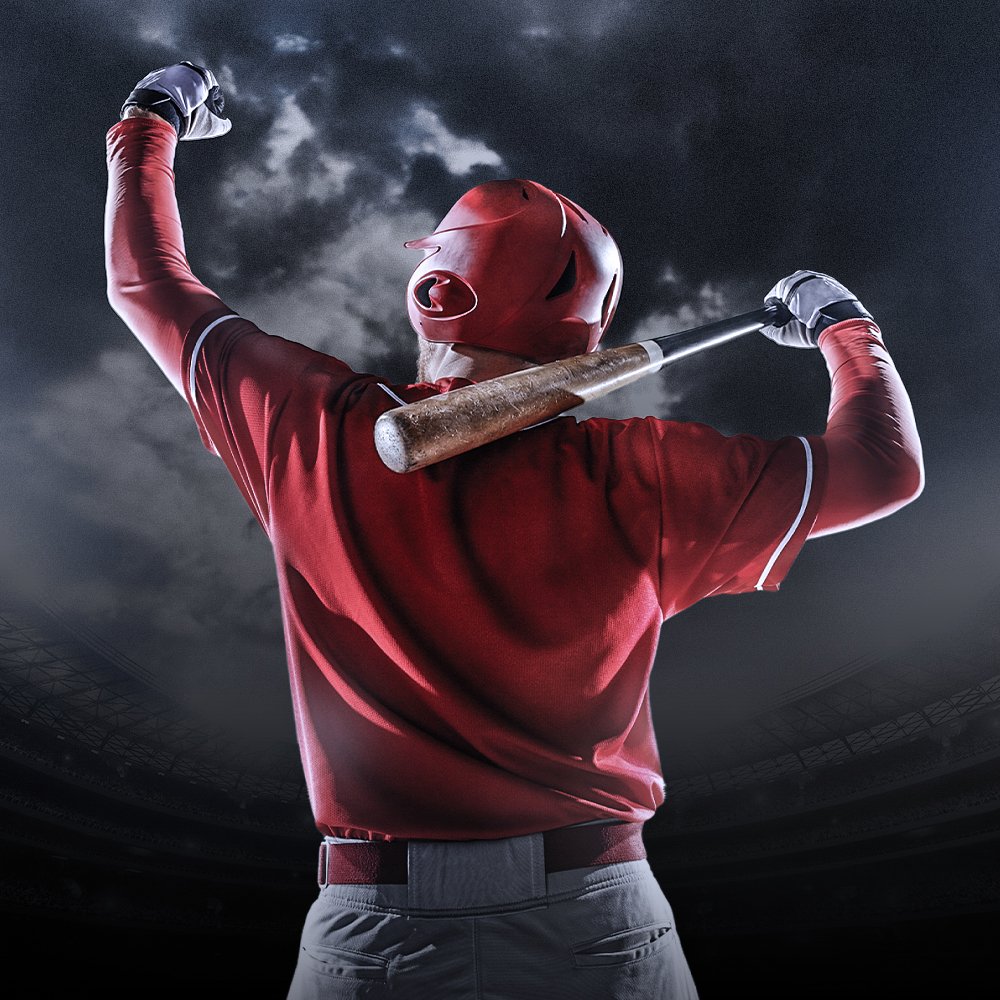
Whether playing baseball in a recreational league, for the big leagues or even in little league, players can benefit from having a good physical therapist on the roster. Baseball is a fun sport but even recreational play can stress a players’ bones, joints, tendons, ligaments and muscles as they run the bases, throw the ball and slide into bases.
Understanding the demands a player’s body undergoes during training, practice and play as well as learning about injuries common in baseball players, is an important aspect of a long career in baseball. Whether looking to rehabilitate from an injury or simply prevent one in the first place, working with a sports or orthopedic physical therapist can be a great way to play your best each game.
PREPARING THE BODY FOR BASEBALL
Baseball, like most sports, demands a lot of the body. Understanding the components of movement and exercise necessary to be a successful player and minimize injury risk is important. Each position on the field requires different skills, motions and types of muscle performance. Below is a list of components of fitness and movement that are important for baseball players to develop as a strategy to maximize performance and decrease injury risk:
Strength: Muscle strength refers to the amount of force a muscle can develop, the amount of force or pressure it can withstand or the amount it can move. Whole body strength is important for a baseball player in that it helps with throwing, running, jumping and more.
Power: Power is a component of muscle performance in which strength or muscle force is developed rapidly in order to perform ballistic movements like throwing a ball across the field or sprinting to catch a fly ball. A player that is strong but slow will be at a disadvantage in many situations.
Flexibility: Baseball players move their limbs through large ranges of motion when extending a leg to reach the base, throwing a ball, etc. Appropriate muscle flexibility is essential for players to move through their full ranges of motion without straining muscles.
Joint Mobility: Joint mobility is important for the execution of movements requiring more extreme ranges of motion like externally rotating the shoulder to prepare for a pitch or for a catcher squatting low to the ground.
Proprioception and Coordination: Joint proprioception and neuromuscular coordination are important components of the skills required to be a great ball player.
Muscle Endurance: Strong muscles with poor endurance will have difficulty performing at a high level for the duration of practice or game play and injury risk increases as muscles fatigue.
SCREENING BASEBALL PLAYERS FOR INJURY RISK
Now that you understand how many different components of fitness, movement and muscle performance baseball players need, you may be wondering how to identify impairments that may compromise your success as a player or put you at risk for injury. One role that physical therapists play in the care of baseball players is injury prevention and prehabilitation. Waiting for an injury to occur before you begin looking for potential weak links in the kinetic chain is not the best approach. Good news, however, because physical therapists are movement experts with tools to identify areas you should address if you want to prevent injuries and improve performance.
As part of a comprehensive assessment or screening process, a physical therapist can assess joint range of motion, muscle strength, power and endurance, speed, stability, neuromuscular control, coordination, flexibility and joint mobility and compare your results with values deemed ideal or beneficial for baseball players.
With this information your physical therapist can prescribe a series of treatments and exercises that you can implement in off-season, pre-season and/or during the regular season to support performance and minimize injury risk. By taking this proactive step you can get ahead of potential injuries and you may even see your performance improve.
INJURIES HAPPEN
Despite a good training program and attempts at minimizing the risk for injury, injuries still happen in baseball. Having a good sports and orthopedic physical therapist on hand that you can turn to quickly is an important step to beginning injury rehabilitation on the right foot. Knowing when to rest completely, when to modify activity and when to continue playing is an important skill that physical therapists have developed based on their education and practice. Making the right choices early after an injury can make a big difference in how you recover.
Baseball-related injuries can occur during practice, during games and even in the training room. Some examples of injuries that physical therapists often treat in baseball players are as follows:
Muscle contusions
Shoulder labral tears
Ulnar Collateral Ligament injuries (and post-Tommy John Surgery)
Shoulder instability
Knee and ankle ligament injuries
Wrist sprains or tendonitis
Each of these injuries has a unique timeline for recovery and protocol for rehabilitation and working with a physical therapist that understands baseball will help them tailor your rehabilitation plan of care to support return to sport. Injuries are never fun and sometimes taking a break from sport is necessary to allow for optimal healing, but teaming up with a physical therapist you trust will help make the recovery process that much easier.
CHOOSE EVOLVE PHYSICAL THERAPY
At Evolve PT we want to get you strong and healthy so that you can get back to playing the game you love. We apply an individualized approach to athlete assessment and rehabilitation and our goals are to help you become the best player you can be. If you are a baseball player recovering from an injury or wondering if there are steps you can take to prevent one in the future, call Evolve PT today.
Click here for more information about physical therapy for baseball players
About EvolveNY-
Brooklyn's Premier Holistic Physical Therapy Clinics- There’s physical therapy, there’s training, and then there’s EVOLVE. We use the science of biomechanics merged with fitness to help our patients get better and stay better!
First we evaluate, then we heal, then we strengthen our clients so they can reach their goals, feel better, and live happier lives. We do so by utilizing a range of core techniques and specialized treatments to reduce pain, improve mobility, enhance physical strength and deal with the underlying issues, not just the pain itself.
Multiple Brooklyn Physical Therapy Locations!
https://EvolveNY.com
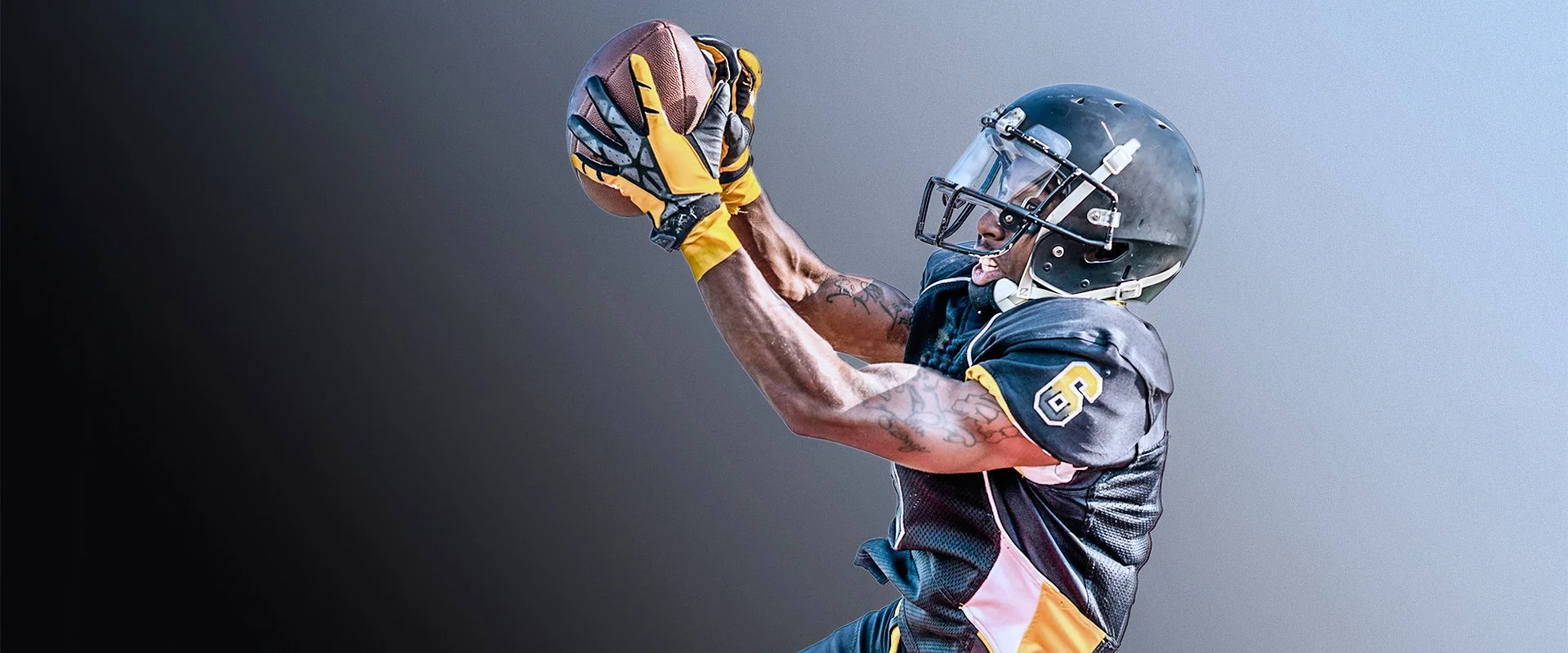
Physical Therapists are a Football Player’s Friend
Physical Therapists are a Football Player’s Friend. Any athlete who wants to play at a competitive level can benefit from having a great physical therapist in their corner. Football players are no exception. Just like coaches and trainers, physical therapists play an important role in keeping players in top physical condition for practice and game day.
Football Physical Therapy
Intercept and Tackle Football Injuries

Any athlete who wants to play at a competitive level can benefit from having a great physical therapist in their corner. Football players are no exception. Just like coaches and trainers, physical therapists play an important role in keeping players in top physical condition for practice and game day. From injury recovery to injury prevention, you want a skilled physical therapist on the team.
Don’t Fumble Your Injury Recovery
The most well-known role that physical therapists play in the world of football is helping with injury recovery. Though football is often thought to be associated with high rates of injury, the majority of youth level players will not experience an injury that restricts their participation. Injuries tend to become more common and more severe as athletes age and the forces they are able to create become larger. The majority of football-related injuries affect the musculoskeletal system and occur to the legs including the hips, knees and ankles. The most common types of injuries include:
Ligament sprains/tears (ankle sprains, ACL/MCL tears, etc,)
Muscle contusions
Concussions
Ligament sprains, contusions and concussions are three of the most common football-related injuries. Concussions are an injury that has garnered a lot more attention in the media as of late, due to the concern for long-term repercussions associated with repeated concussions. Football remains near the top as far as concussion rates among high school athletics. The NFL has been tracking the rate of concussions among players during preseason and regular season play since 2015, with the total number of concussions ranging from 172 to 281 concussions per year.
Injuries can happen when two players contact each other such as during a tackle. Noncontact injuries can also occur such as when a player plants his foot in the grass and tries to pivot, injuring a ligament or rolling their ankle. Some injuries may take just a day or two to recover from but any injury that forces a player to modify how they are walking or how they normally move should be evaluated by a physical therapist. This includes concussions.
STAGES OF RECOVERY
The ultimate goal of physical therapy following a football-related injury is to ensure that the injured tissues are ready to undergo the forces experienced during a high impact sport like football. In the case of concussions, sustaining another concussion before the brain has healed from the first one, a condition called second-impact syndrome, can have devastating consequences. In some cases modifying practice or training for a short period of time is enough to allow for full healing and other times full rest from practice and play is needed. It can be difficult at times to know which is the right choice, which is why you have a knowledgeable physical therapist who is trained to help you make these calls. When it comes to recovering from an injury, your PT will help guide you through the stages of healing. Doing too much too soon can impede and prolong the healing process while doing too little at the right time can also under-prepare the injured area for return to play.
When an injury is new, the primary goal is to protect the newly-healing tissue. In this very early phase your physical therapy treatment will focus on reducing inflammation and pain, and maintaining strength in unaffected areas above and below the injury. To achieve these goals your physical therapy treatment may consist of the application of ice or light soft tissue work to mobilize any edema. Modalities such as electrical stimulation or ultrasound physical therapy may be applied to increase circulation, decrease inflammation and control pain. You may need to briefly use a brace, crutches or a sling. In the case of a concussion it often includes full rest from play along with a reduction in screen time, noise and even some schoolwork.
As the healing tissues become stronger, inflammation subsides and pain is reduced, it is time to move on to the next phase of rehab. If your injury is in one of the joints of the leg, ankle or foot, it is important that you are able to walk with a normal gait pattern without any assistive devices before you start adding too much stress to the area. Your PT will help you know when you have reached these milestones and you may begin to perform gentle pain-free stretching and range of motion exercises to restore mobility to the injured area. It is also important in this phase to start performing light resistance training to the muscles around the affected ligament to start activating muscles and restoring neuromuscular control.
Finally, in the later stages of healing your physical therapy treatment will focus on exercises and activities that prepare the injured area to withstand the stress and strain of football practice, play and training. In this stage you may begin more sport-specific exercises and activities to restore power, agility and speed. Optimizing biomechanics and muscle strength and motor control is essential to support the previously-injured joint and reduce the likelihood of experiencing an injury in the future.
Most players will heal from a concussion within a few weeks if an appropriate return-to-play protocol is followed. In the case of protracted recovery, a condition called postconcussion syndrome, working with a physical therapist knowledgeable in concussion rehab is very important to facilitate full recovery in a timely fashion.
IDENTIFY THE CAUSE OF AN INJURY
Some injuries are unavoidable but whenever there is a chance to increase injury resilience in a player, it is worthwhile to do so. Physical therapists are interested in identifying the factors that may have predisposed a player to the injury in the first place, so they can make a plan to address them. Some of the factors that a PT will look for are imbalances in muscle strength, power, endurance and neuromuscular control as well as limitations in muscle and joint flexibility/mobility. They will consider sleep and nutrition habits, a player’s training schedule, their history of prior injury and the physical demands of their role on the team.
These considerations will be a part of an injury rehabilitation program but a player does not need to wait until they are injured to consult with a PT about injury prevention. Off-season training, preseason training and regular season training are all appropriate times to consult a physical therapist about injury prevention and they can help you implement a training protocol to address these risk factors.
DON’T WAIT TO MEET YOUR PT
If you are going to be playing football it is important to have a good PT on your roster. Our team of therapists at Evolve are here to help you recover from injury and be the best player you can be. If you are recovering from an injury or looking for ways to prevent one, call Evolve today to schedule an evaluation.
Click here for more information about football physical therapy
About EvolveNY-
Brooklyn's Premier Holistic Physical Therapy Clinics- There’s physical therapy, there’s training, and then there’s EVOLVE. We use the science of biomechanics merged with fitness to help our patients get better and stay better! First we evaluate, then we heal, then we strengthen our clients so they can reach their goals, feel better, and live happier lives. We do so by utilizing a range of core techniques and specialized treatments to reduce pain, improve mobility, enhance physical strength and deal with the underlying issues, not just the pain itself.
Multiple Brooklyn Physical Therapy Locations!
https://EvolveNY.com
Physical Therapy for Athletes
Enhance Sport Performance with PT- Whether you are a weekend warrior or a pro-level athlete, working with a good physical therapist can enhance your performance and reduce your risk of injury. In 2021, 3.2 million people were treated in emergency departments for injuries involving sports and recreational equipment.
Elevate Your Game with a Great Physical therapist

Enhance Sport Performance with PT
Whether you are a weekend warrior or a pro-level athlete, working with a good physical therapist can enhance your performance and reduce your risk of injury. In 2021, 3.2 million people were treated in emergency departments for injuries involving sports and recreational equipment. The activities most frequently associated with injuries are exercise, cycling, and basketball. Amongst the roughly 30 million teens and children who participate in some kind of organized sport here in the United States, more than 3.5 million injuries occur each year which lead to some loss of time participating in the sport.
If you are an athlete or the parent of an athlete, you likely understand the roles of coaches and trainers in sport performance, but do you know how physical therapists can support an athlete?
IT STARTS BEFORE THE INJURY
Most people are familiar with the important role that physical therapists play in injury rehabilitation, but in many cases an athlete can work with a PT well before an injury happens. Here is why you should consider this:
Identification of injury risk factors: working with a physical therapist familiar with your sport can allow you to identify potential injury risk factors well before the injury. This can give you the opportunity to address them. Risk factors that a physical therapist will look for may include imbalances in muscle strength or flexibility, movement coordination, biomechanics, endurance, soft tissue mobility and so forth.
Examine your training plan: While a trainer or coach will likely set up a training plan for an athlete, physical therapists can examine your training plan within the context of your history of past injury, your unique body morphology and any impairments that you currently have. With this information they may make suggestions on what to modify or incorporate into your training to reduce injury and enhance performance. Here are some additional suggestions your PT might make:
Warm-up routine: just like workouts, an individualized warm-up routine will help prepare your body for the forces involved in playing your sport
Cool down routine: cooling down is just as important as warming up and while it can be tempting to skip this part, your PT will help you create a cool down routine that helps you recover faster
Recovery strategies: Stretching, foam rolling, mobility routines are just some of the examples of recovery routines that may help you prevent injury and recover for your next big event
Cross-training: while some people’s bodies can handle high volume of the same activity with minimal injury, other people need to incorporate more cross-training into their training cycle.
Optimize movement patterns: Physical therapists are movement experts and a sport-oriented physical therapist can help you optimize your movement patterns during both training exercises and actual sport performance in order to derive both a performance benefit and an injury-prevention effect. Evaluating run form on a treadmill or jumping mechanics are two examples of how PTs assess movement quality.
Address the niggles right away: Many athletes wait until they have a full-blown injury before working with a physical therapist but there is a great deal of benefit to consulting a PT when they are experiencing the small aches, pains or niggles that usually develop first. Any symptom that is persisting during your training needs to be addressed–the earlier, the better.
Now that you understand many of the benefits to working with physical therapy aside from rehabilitating injuries, you may be wondering when is the best time to consult a PT? The true answer is anytime, but depending on your training cycle and sport seasons throughout the year, a PT may play different roles at different times. An athlete that has a competitive season will also have an off-season.
If you are running races or playing games multiple times a month or even a week, your focus is going to be on maintaining fitness, perfecting sport-specific skills and recovery. During this time a PT can intervene to address minor injuries or niggles, advise you on how to maximize recovery and help optimize movement patterns. During the off-season, athletes should focus on strength, power, speed, and endurance development when accumulated stress and fatigue do not increase the risk for injury or decrease your performance during a game or competition. This is an optimal time to work with a PT on all of the factors listed above so that as you build toward your competitive season or event, you are in the best place possible.
INJURIES DO HAPPEN
Despite best-laid plans, injuries in athletes still occur and working with a physical therapist to heal the injury and minimize the risk for recurrence is a good idea. The goal of injury rehabilitation is to ensure that the injured tissues are ready to withstand the stresses of your sport. These tissues undergo three stages of healing from an acute phase to a chronic phase with each phase having important physiologic processes for healing. Doing too much too soon can re-injure healing tissues and prolong recovery. On the other hand, doing too little at the right time during recovery can also hinder recovery and may predispose the tissues to another injury. It can be tough for an athlete to know how to support an injury through this process but that is why physical therapists exist!
Our team of physical therapists at Evolve will help guide you through the injury recovery process from the earliest moments where protecting the injury is the number one goal, to the late stages where you are performing sport-specific drills and getting back into your prior activity levels. Don’t leave injury rehabilitation and prevention up to chance, let the experts at Evolve help you be a healthier and more resilient athlete!
Click here for more information about physical therapy for athletes
About EvolveNY-
Brooklyn's Premier Holistic Physical Therapy Clinics- There’s physical therapy, there’s training, and then there’s EVOLVE. We use the science of biomechanics merged with fitness to help our patients get better and stay better!
First we evaluate, then we heal, then we strengthen our clients so they can reach their goals, feel better, and live happier lives. We do so by utilizing a range of core techniques and specialized treatments to reduce pain, improve mobility, enhance physical strength and deal with the underlying issues, not just the pain itself.
Multiple Brooklyn Physical Therapy Locations!
https://EvolveNY.com

You’re Too Busy to Feel Dizzy!
The Many Faces of Vestibular Dysfunction- While all humans have a vestibular system, most will never know it is there unless they develop a vestibular system disorder. The vestibular system, like most of our body systems, typically hums along in the background doing its job without much notice and no active participation from its owner.
Vestibular Physical Therapy

The Many Faces of Vestibular Dysfunction
While all humans have a vestibular system, most will never know it is there unless they develop a vestibular system disorder. The vestibular system, like most of our body systems, typically hums along in the background doing its job without much notice and no active participation from its owner. This system does play a very important role in normal human movement, however, and when it is not operating optimally can cause significant symptoms like dizziness and imbalance. Physical therapists are healthcare providers that can help treat the symptoms of a vestibular disorder and improve overall patient function.
THE WHO, WHAT AND WHERE OF THE VESTIBULAR SYSTEM
Deep inside the inner ear lie what are called the vestibular organs. These organs are part of the vestibular system that gathers sensory information about the position and movement of the head and plays an important role in balance and gaze stability. Inside each inner ear lie 5 small organs–3 semicircular canals that provide information about angular acceleration (head rotation) and 2 otolith organs that are sensitive to linear (straight line) acceleration.
When the head and body move, these organs send information via the vestibular nerve into the brain to update the nervous system about how the body is moving so it can fire the proper muscles to keep you balanced and stable. Typically, the signals in each ear balance one another. Certain medical conditions can cause a sudden imbalance in vestibular input between the ears or a reduction in function in both ears. When this system is not functioning optimally symptoms like vertigo, dizziness, and unsteadiness result.
THE MANY FACES OF VESTIBULAR DYSFUNCTION
Dysfunction and disorder of the vestibular system comes in many forms. Sometimes our patients will come to the clinic with a diagnosis of a vestibular condition and other times they come to the clinic with symptoms of a vestibular disorder but no diagnosis. In either case, physical therapy can often help to identify the cause (when needed) and treat the symptoms. Symptoms that can indicate a vestibular disorder include:
Feeling off balance or unsteady when you turn your head, change position, walk or are in a space with a lot of visual stimuli like a grocery store or busy airport
Feeling like the environment around you or words on a page are bouncing up and down or oscillating back and forth
Room-spinning vertigo that occurs in response to a position change such as rolling over in bed or bending down to clean out the dishwasher
Feeling of unsteadiness in low light conditions or on uneven terrain
Dizziness when turning your head or changing position
Dizziness or vertigo when bearing down
Nystagmus (abnormal movements of the eye)
Some common vestibular disorders encountered by physical therapists include:
Meniere’s Disease
Vestibular Neuritis
Vestibular hypofunction
Concussion
Labyrinthitis
Cervicogenic Dizziness
Persistent Postural Perceptual Dizziness
Vestibular migraine
In addition to symptoms like imbalance or dizziness, vestibular disorders can be accompanied by other symptoms such as neck pain or stiffness, loss of or changes in hearing, tinnitus, nausea/vomiting and hearing your own heartbeat or footsteps more loudly than usual. Symptoms can develop following a concussion or brain injury or a recent upper respiratory, gastrointestinal or other viral infection.
It is important to recognize that many of these symptoms can overlap with other serious medical conditions and seeking treatment from a medical provider is always recommended. If you are experiencing symptoms of a vestibular problem along with any of these other symptoms it is essential to seek urgent medical care:
Weakness, especially on one side of the body or face
Loss of coordination
Changes in vision
Severe headache
Changes in sensation
Abnormal eye movements
Confusion
Changes in speech
Vomiting
Chest pain or pressure
Unrelenting vertigo or dizziness
At the onset of new symptoms your doctor may recommend imaging studies such as MRIs or CT scans to rule out some of these more serious causes of dizziness and imbalance. In some cases you may be referred to an ENT or audiologist for specialized testing of the vestibular system. Some medications can also be damaging to the vestibular nerve or vestibular organs so it is important to discuss your medications with your doctors as well.
VESTIBULAR EVALUATION
The vestibular evaluation is intended to identify an underlying cause for your symptoms, determine if physical therapy is indicated and if a referral to another provider like an ENT or Neurologist is needed. During this evaluation your physical therapist will be looking closely at how your eyes move as they are closely linked to the vestibular system through several reflexes. In some cases they may ask you to wear a set of special goggles called Frenzel lenses that allow the therapist to see your eyes magnified on a screen, watch a playback of eye movements and even briefly occlude your vision with a goggle screen cover. They will observe your eyes under several conditions such as:
Following a moving object
Looking back and forth between two points
Following an object as it approaches your nose
Maintaining gaze on a stable target while turning your head back and forth
Gazing in different directions
Moving your head quickly one direction or another while looking at a fixed point
Changing positions
Your therapist will be observing for things like gaze stabilization, nystagmus, convergence of the eyes, and so forth while asking you about the presence of symptoms like double vision, blurry vision, dizziness, vertigo, nausea, imbalance, etc. The vestibular evaluation also often includes an assessment of balance, gait, strength and coordination and possibly other assessments depending on the exam findings.
VESTIBULAR PHYSICAL THERAPY CAN HELP
While vestibular physical therapy is not indicated for every single vestibular condition, in many cases it can be very helpful to reduce and sometimes eliminate symptoms and improve overall function. How do physical therapists treat the vestibular system? Well, it depends on the cause of the symptoms. In the case of BPPV the use of canalith repositioning maneuvers like the Epley Maneuver are used to remove calcium carbonate crystals from the semicircular canals. In the case of other vestibular conditions, vestibular therapy often focuses on facilitating adaptation of the vestibular system or helping the body compensate for a loss of vestibular function. Reducing motion sensitivity, addressing any neck-related conditions, improving balance and walking ability are all aspects of vestibular physical therapy that can help patients immensely. Educating patients on how to manage their conditions is another important role of physical therapy.
As you can see there are many ways that physical therapists can help individuals experiencing vestibular-related symptoms and it starts with scheduling an initial evaluation. Call Evolve Physical Therapy today to schedule an appointment with one of our vestibular physical therapists today.
Click here to find out more about vestibular physical therapy
About EvolveNY-
Brooklyn's Premier Holistic Physical Therapy Clinics- There’s physical therapy, there’s training, and then there’s EVOLVE. We use the science of biomechanics merged with fitness to help our patients get better and stay better!
First we evaluate, then we heal, then we strengthen our clients so they can reach their goals, feel better, and live happier lives. We do so by utilizing a range of core techniques and specialized treatments to reduce pain, improve mobility, enhance physical strength and deal with the underlying issues, not just the pain itself.
Multiple Brooklyn Locations!
https://EvolveNY.com
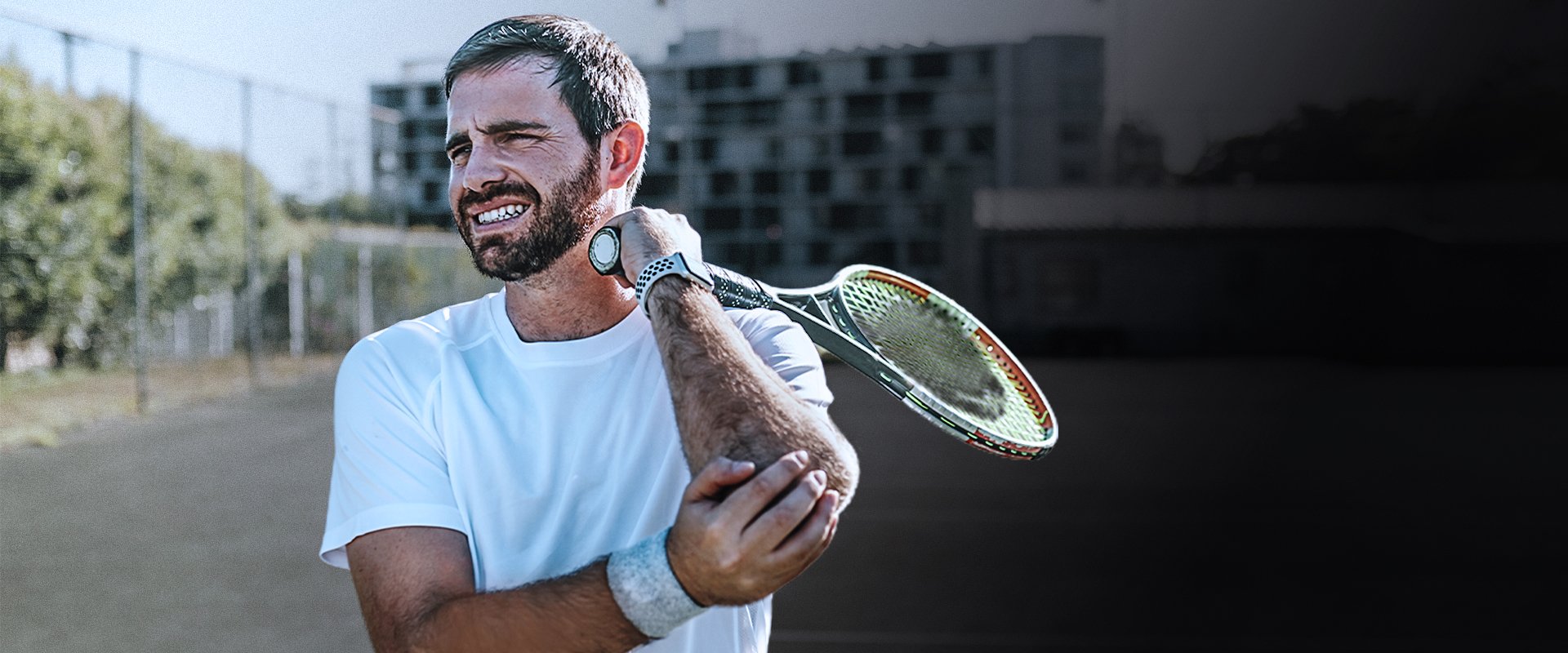
Physical Therapy for Tennis Elbow
Tennis Elbow? If you are experiencing pain on the outer elbow or forearm with wrist, hand or elbow movements, you may have a condition called tennis elbow. Known formally as lateral epicondylitis, tennis elbow is a condition in which the tendons on the outside of the elbow become inflamed, irritated, and painful resulting in the symptoms noted above. Not a tennis player? While this condition…
Physical Therapy for Tennis Elbow

We’ve Got No Love for Tennis Elbow
If you are experiencing pain on the outer elbow or forearm with wrist, hand or elbow movements, you may have a condition called tennis elbow. Known formally as lateral epicondylitis, tennis elbow is a condition in which the tendons on the outside of the elbow become inflamed, irritated, and painful resulting in the symptoms noted above. Not a tennis player? While this condition was named due to the stressing of these tendons during an improper tennis swing, this condition is not limited only to tennis players.
Let’s dive deeper into this condition and how physical therapy can be used to treat it.
ANATOMY OF TENNIS ELBOW
If you lay your forearm out on the table in front of you, palm up, the bony area on the outside of the elbow is known as the lateral epicondyle. A sheath housing several tendons attaches to the bone here and acts as an anchor point for muscles that extend the wrist and hand. Repetition of these movements can stress the tendons at their attachment points under certain conditions. When this happens, the irritated or inflamed tendons cause pain, burning or aching at the lateral (outside) of the elbow and sometimes extending down toward the wrist.
Symptoms may initially be present only during activities requiring repetitive wrist extension such as during a game of tennis, but can eventually become symptomatic even at rest. In more severe cases you may experience stiffness in the elbow and even weakness in the forearm and hand with gripping can occur over time. Pain may occur at night.
WHAT CAUSES THIS CONDITION?
Tendons are built to withstand a lot of force but repetitive stress which exceeds the tolerance of the tendon can lead to injury. The overloading of the tendon may be caused by ramping up the volume of a new activity too quickly, due to muscle strength or length impairments, movement pattern inefficiencies or biomechanical errors in and around the wrist and elbow.
While this condition is termed “tennis elbow” due to its prevalence among racket sport athletes such as tennis and racquetball players, any activity that requires repeated wrist extension can lead to tennis elbow. Painters, plumbers and carpenters, for example, are prone to developing this condition because of the tools they use and the movements they perform for their jobs. Butchers, cooks and workers in the automobile industry are similarly at risk.
Initially, the symptoms of pain and soreness may be caused by localized inflammation–known as tendonitis ( “itis” = inflammation ). In this case anti-inflammatory medications and other treatments aimed at reducing inflammation are often effective as long as the tendon is allowed to rest.
Oftentimes, however, ongoing symptoms are not caused by persisting inflammation which is why anti-inflammatory medications and ice, for example, may lose effectiveness over time. In this case the tendon is likely not inflamed but has undergone some degeneration leading to chronic symptoms. This is called tendinopathy and likely accounts for ongoing symptoms in many chronic tendon injuries. Why does this matter? This matters because while rest may be helpful for an inflamed tendon, it is not the best treatment for tendinopathy. In fact, it may have the opposite effect.
PHYSICAL THERAPY CAN HELP
Tennis elbow can often be diagnosed through a careful history and examination. During an initial evaluation, your physical therapist will ask you about when the symptoms started and if you started any new activities or increased the time or intensity of these activities before the symptoms began. They may also ask you about how long your symptoms take to resolve and what you can do, if anything, to help reduce them.
Examining the arm will help your physical therapist to determine the most likely cause of your symptoms and to identify contributing factors such as strength asymmetries, range of motion deficits, tissue mobility problems or biomechanical errors in the arm. This will help your therapist to develop a comprehensive elbow physical therapy treatment plan.
If your therapist suspects your symptoms are caused by tendonitis, you can expect your treatment may initially include modalities such as ice, ultrasound physical therapy, or electrical stimulation to manage pain and swelling, and education on your injury including any necessary activity modifications. They may also apply gentle manual techniques such as passive range of motion and possibly taping or bracing to protect the injured area and allow the body’s healing process to proceed.
If your therapist suspects your symptoms are no longer inflammation-based and more likely a tendinopathy, there will likely be less emphasis on passive modalities that would normally be used to calm inflammation, and more emphasis on interventions that will help remodel the structure of the tendon. The goal of treatment for tendinopathy is to apply graded stress to the tendon and increase its stiffness so that it becomes more resilient to the repetitive forces of your work tasks and favorite sports. Resting the tendon will not contribute to this process and will predispose you to experience recurrence of these symptoms when you resume your previous level of activities. To do this correctly, your PT will guide you on appropriate dosing of specific activities and may also utilize tools such as ASTYM or Graston to encourage collagen production and remodeling.
Whether your physical therapy program will emphasize calming inflammation or remodeling the tendons you can be sure that addressing other contributing factors such as muscle weakness, flexibility impairments and poor biomechanics is also important to prevent injury recurrence. This is another example of how working with a physical therapist can get you faster and more long-lasting results. With their expertise they can individualize your program to treat the factors that are causing your specific case of tennis elbow.
So if you have been experiencing pain or tenderness along the outside of your elbow and forearm, grip weakness or elbow stiffness, call and set up an appointment with a physical therapist at Evolve. Our therapists do not just treat symptoms, but we get to the root of the problem. We strive to enable our patients to live pain free, continue doing the activities they love, and prevent the recurrence of related issues.
Click here for more information about physical therapy for tennis elbow
About EvolveNY-
Brooklyn's Premier Holistic Physical Therapy Clinics- There’s physical therapy, there’s training, and then there’s EVOLVE. We use the science of biomechanics merged with fitness to help our patients get better and stay better!
First we evaluate, then we heal, then we strengthen our clients so they can reach their goals, feel better, and live happier lives. We do so by utilizing a range of core techniques and specialized treatments to reduce pain, improve mobility, enhance physical strength and deal with the underlying issues, not just the pain itself.
Multiple Brooklyn Physical Therapy Office Locations!

Rehabbing Not Resting Painful Tendons
IT’S NOT ALL ABOUT THE MUSCLES: Muscles get most of the attention when it comes to strength and conditioning. We work hard to build those muscles up so that we can lift heavier objects, run faster, jump higher, and look good while doing it. But while our muscles display all of our hard work, our tendons are in the background working just as diligently with little of the glory.
Physical Therapy for Tendonitis
Tackling Tendon Pain Once and For all

Muscles get most of the attention when it comes to strength and conditioning. We work hard to build those muscles up so that we can lift heavier objects, run faster, jump higher, and look good while doing it. But while our muscles display all of our hard work, our tendons are in the background working just as diligently with little of the glory. Tendons are a type of fibrous connective tissue that connect muscles to bones. Far from simply fasteners of muscle to bone, tendons play a pivotal role in the effects that muscles have on the skeleton. First, tendons help to move our bones and amplify the effect of muscle contractions . Second, they play an important role in attenuating and absorbing shock that is transmitted from bone into muscle.
Tendons are strong but they are not designed to stretch or deform easily. They can also become weaker or stronger/stiffer in response to a training stimulus. Depending on the training and the activity, a tendon can become more prone to or more resilient against injury. Tendons are built to withstand a lot of force but repetitive stress which exceeds the tolerance of the tendon can lead to injury. The overloading of the tendon may be caused by ramping up the volume of a new activity too quickly, or due to muscle strength or length impairments, movement pattern inefficiencies and biomechanical errors in and around the involved tendon.
One type of tendon injury that can affect tendons throughout the body is tendonitis. This condition is commonly treated by physical therapists. While other joint conditions can mimic tendonitis, signs and symptoms suggestive of tendonitis include:
Pain over the involved tendon when the muscle is contracted
Pain over the involved tendon when the muscle/tendon is stretched
Swelling or inflammation over the injured tendon
Stiffness when moving the joint near the involved tendon
A feeling of weakness when contracting the involved muscle
Technically any tendon in the body could experience tendonitis, however, certain tendons seem to be more susceptible to this condition than others. Common types of tendonitis include:
Patellar tendonitis (aka jumper’s knee)
Rotator cuff tendonitis
Lateral epicondylitis (aka tennis elbow)
Medial epicondylitis (aka golfer’s elbow)
Achilles tendonitis
Thumb tendonitis (aka De Quervain's tenosynovitis)
Hip flexor tendonitis
Posterior tibialis tendonitis
Hamstring tendonitis
A CASE OF MISTAKEN IDENTITY?
The term “tendonitis” is commonly used to describe pain and irritation of a tendon, but are we using this term incorrectly? It turns out, in many cases, yes. The suffix “itis” denotes the presence of inflammation. In the case of tendonitis, the term suggests the tendon is inflamed, and in the early stages of tendon injury, inflammation is likely present. Except in mild cases of tendonitis which heal quickly, however, the symptoms of a chronic or prolonged case of tendonitis likely have little to do with inflammation and more to do with degeneration that can develop in an injured tendon. This is why it is often more appropriate to refer to a case of persistent tendonitis as a tendinopathy which means “disease or disorder of the tendon.”
Are we splitting hairs here? It may seem that way but understanding what is happening at the level of the injured tissue helps us to select the appropriate treatment interventions. A tendon that is inflamed benefits from treatments aimed at reducing inflammation. A tendon that is degenerating needs a different type of treatment. This is why a tendon that is allowed to rest and treated with ice or anti-inflammatories may recover quickly if caught early. These treatments, however, become less effective over time, and a case of persistent tendinopathy is much more responsive to treatments that improve the stiffness and strength of the tendon rather than simply trying to manage symptoms by reducing inflammation. Similarly, reducing the offending activity can be a good choice early on to allow inflammation to subside and the body’s natural healing process to take over, but prolonged rest may do more harm than good.
Hopefully by now you understand a bit more about the pathophysiology of tendonitis/tendinopathy but you may be wondering how you would know which treatment approach to take. The good news is, you don’t have to figure that out on your own. Physical therapists are experts at musculoskeletal injuries like the one we are describing and are there to tell you which type of treatment or exercise you need. If they believe your tendon injury is in the inflammatory stage they will teach you how to rest and protect the tendon while applying interventions to minimize pain and inflammation. When the tendon has moved beyond the inflammatory stage, your therapist will prescribe treatments and exercises to help increase the stiffness of the tendon so that it becomes more resilient to the repetitive forces of your work tasks and favorite sports. Resting the tendon will not contribute to this process and will predispose you to experience recurrence of these symptoms when you resume your previous level of activities. There is a right way and a wrong way to go about this process of applying graded stress to the tendon and it is a good idea to work with a PT who can help you progress without setbacks.
Tendonitis can seem like a big hurdle to overcome, but with the right treatment plan and the keen eye of a skilled physical therapist, you can get long lasting results that will allow you to return to the activities you love and need to do without worrying that your symptoms will come back as soon as you do. If you are experiencing tendonitis or tendinopathy, let our team of physical therapists at Evolve show you how to recover more quickly and completely.
Click here for more information about physical therapy for tendonitis
About EvolveNY-
Brooklyn's Premier Holistic Physical Therapy Clinics- There’s physical therapy, there’s training, and then there’s EVOLVE. We use the science of biomechanics merged with fitness to help our patients get better and stay better! First we evaluate, then we heal, then we strengthen our clients so they can reach their goals, feel better, and live happier lives. We do so by utilizing a range of core techniques and specialized treatments to reduce pain, improve mobility, enhance physical strength and deal with the underlying issues, not just the pain itself.
Multiple Brooklyn Physical Therapy Locations!
https://EvolveNY.com

Don’t Run Away from Shin Splints
Get Help Healing from Shin Splints for Good- If you are running, jumping and sprinting at high volumes and begin to experience pain along the inside of the shin bone, you may be developing shin splints. While it is tempting to ignore the discomfort and push through your training, shin splints is a condition to be taken seriously and a physical therapist trained in sports and orthopedic injuries can help you recover fully.
Shin Splint Physical Therapy

If you are running, jumping and sprinting at high volumes and begin to experience pain along the inside of the shin bone, you may be developing shin splints. While it is tempting to ignore the discomfort and push through your training, shin splints is a condition to be taken seriously and a physical therapist trained in sports and orthopedic injuries can help you recover fully. Read on to learn more about this condition and why you want a physical therapist in your treatment corner.
MEDIAL TIBIAL STRESS SYNDROME
The medical term for shin splints is medial tibial stress syndrome. This longer name helps explain exactly what is happening when shin splints develop. “Medial tibial” refers to the inner side or medial side of the tibia/lower leg bone which is often referred to as the shin bone. The muscles and tendons involved in shin splints attach along the middle or lower part of the inside of the tibial bone. The term “stress syndrome” denotes that shin splints are an overuse syndrome caused by repeated stress to the tendons and bone in that area.
Shin splints are not the only cause of pain along the inside of the lower leg but should be considered by healthcare providers when a patient presents with complaints of pain along the middle or bottom third of the inside of the tibia. Sharp pain may be felt when their PT or doctor presses along the affected area and a deep ache in that area may be experienced during activity. In the early stages of shin splints the discomfort is present at the beginning of exercise and usually lessens or disappears as an athlete warms up. As it progresses though, symptoms will persist during activity and eventually can become bothersome even at rest.
Unlike a traumatic injury to the tibia like falling and breaking or hitting the bone, medial tibial stress syndrome is considered an overuse injury that usually develops in athletes, military personnel or active persons who run, jump, or sprint at high volumes. Dancers, runners, tennis players and basketball players are some of the athletes at highest risk for developing shin splints. They may notice the onset of these symptoms after increasing the volume or time spent performing these activities.
SHIN SPLINTS ARE MORE THAN A MUSCLE PROBLEM
So what is happening to the lower leg in the case of shin splints? Shin splints are the result of microdamage that accumulates along the attachment point of several lower leg muscles. Repeated contractions of these muscles, such as that which occurs in a runner training for a marathon or a dancer rehearsing for a show, pull on the outer layer of the tibial bone causing microdamage and inflammation of the bone. Without sufficient time for the bone to recover between bouts of activity, this microdamage can accumulate leading to the development of medial tibial stress syndrome or shin splints. Most commonly the posterior tibialis, soleus and flexor digitorum longus muscles are implicated in this condition.
Many athletes will try to push through the discomfort of injuries and conditions like shin splints but we want to help you understand why you should take treating this condition seriously. Unlike other muscle or tendon conditions like a muscle strain or tendonitis, medial tibial stress syndrome is considered to be an early bone stress syndrome. The repetitive pulling of the muscles involved in shin splints along their attachments to the medial tibia bone can begin to cause a stress reaction in the bone. This means that without appropriate modification to activity or technique, shin splints can progress to a bone stress injury or stress fracture.
Bone stress injuries occur in response to repetitive submaximal loading without sufficient recovery time. This repetitive stress to the medial tibia exceeds the bone’s elastic resistance causing structural fatigue and eventually what we know as a stress fracture. Early stress fracture symptoms mimic early shin splint symptoms quite well and it can be extremely difficult to tell how seriously the bone is affected with shin splints. If left untreated, a bone stress injury will worsen and become a significant disruption to your life. Casting or splinting, modified weight bearing and even surgery may be required to promote healing of a stress fracture.
IT’S TIME TO TURN TO YOUR PHYSICAL THERAPIST
Long term healing from shin splints can be tough if you don’t understand what caused the condition to develop in the first place. A physical therapist experienced in orthopedic injuries, however, is a great resource to help you recover from this condition and prevent its return later on. Resting from activity can help reduce the likelihood of shin splints progressing into a full blown bone stress injury but it does nothing to ameliorate the likelihood of symptoms recurring once you return to your previous level of activity.
A physical therapist will ask you about your symptoms, your injury history, your activities and your training schedule to try and identify aspects of your lifestyle or training that may be predisposing you to developing shin splints. They will also perform a physical examination to identify impairments that may be contributing to this condition. For example, the presence of a flattened arch or excessive hip motion during activity can predispose someone to developing shin splints. Limited range of motion in the hip and ankle can also contribute as does the presence of a higher BMI in athletes.
Activity modification, meaning reduction in load bearing activities, is a very important part of allowing the microtrauma involved in shin splints to heal. Stopping all activity, however, is not necessary and may lengthen the time needed to return to full activity. Your PT can guide you through an exercise program to minimize losses in fitness and performance while allowing the bone and tendons to heal. They may utilize modalities like ultrasound or dry needling to promote local healing. While this area is healing your PT will create a treatment plan to improve strength, range or motion, motor control or coordination deficits that may be contributing to the extra stress on your tibia during activity and can recommend a return to activity program that will help you resume activity without reinjury. Dealing with shin splints can be frustrating but with the guidance of a great physical therapist you can feel confident you are taking the best course of action. Call to schedule an evaluation with one of our physical therapists today to learn how you can recover from shin splints for good.
Click here for more information about physical therapy for shin splints
About EvolveNY-
Brooklyn's Premier Holistic Physical Therapy Clinics-
There’s physical therapy, there’s training, and then there’s EVOLVE. We use the science of biomechanics merged with fitness to help our patients get better and stay better! First we evaluate, then we heal, then we strengthen our clients so they can reach their goals, feel better, and live happier lives. We do so by utilizing a range of core techniques and specialized treatments to reduce pain, improve mobility, enhance physical strength and deal with the underlying issues, not just the pain itself.
Multiple Brooklyn Physical Therapy Locations!
https://EvolveNY.com

Physical Therapy for Rotator Cuff
Physical Therapists Tackle Rotator Cuff Tears- Over 2 million people a year in the United States will visit their doctor because of a rotator cuff tear, according to the American Academy of Orthopedic Surgeons. Injuries to the rotator cuff of the shoulder can affect your ability to perform daily tasks like washing your hair, picking up your kids and even sleeping comfortably.
Reviving the Rotator Cuff: Rehab for Rotator Cuff Injuries

Over 2 million people a year in the United States will visit their doctor because of a rotator cuff tear, according to the American Academy of Orthopedic Surgeons. Injuries to the rotator cuff of the shoulder can affect your ability to perform daily tasks like washing your hair, picking up your kids and even sleeping comfortably. The rotator cuff consists of four muscles that play an important role in the function of the shoulder and require different treatment depending on the severity of the tear. In many cases, conservative treatment like physical therapy can be very helpful in managing the symptoms of a rotator cuff tear. If you have a rotator cuff tear or think you may have one, read on to learn more about this injury and how physical therapy can help.
GET TO KNOW THE ROTATOR CUFF
The rotator cuff is a group of four muscles located at the shoulder. The shoulder joint consists of the humerus bone of the upper arm where it meets the glenoid cavity created by the scapula or shoulder blade. The shoulder, or glenohumeral joint as it is anatomically known, is a ball-and-socket joint that allows for a high degree of movement of the arm. The four muscles of the rotator cuff are the supraspinatus, the infraspinatus, the teres minor and the subscapularis. Let’s take a brief look at each muscle and the role that it plays in the shoulder joint.
The subscapularis muscle is located at the top of the shoulder joint. Its muscle belly originates in a hollow area at the top of the scapula or shoulder blade called the supraspinous fossa. Its tendon connects to the upper part of the humerus bone near the shoulder. This muscle aids in lifting the arm up at the side, a movement called “abduction”
Next is the infraspinatus who’s muscle belly lies just below that of the supraspinatus. Its tendon wraps around the outside of the humerus and aids in rotating the arm outward, a movement called “external rotation”.
Just below that muscle, on the scapula, lies the teres minor. This muscle follows the path of the infraspinatus and aids in rotating the arm outward, a movement called “external rotation”.
Finally, the subscapularis muscle actually lies on the underside of the scapula closest to the ribcage. The tendon of this muscle travels through the axilla or underarm to attach near the front of the humerus and aids in rotating the arm inward, a movement called “internal rotation”
As you can see, the muscles of the rotator cuff are essential to many of the movements performed by the shoulder. Not only a mover of the arm, however, the rotator cuff also provides stability to the shoulder joint by helping to keep the head of the humerus centered in the glenoid cavity throughout movement. This is necessary to generate the range of motion and force normally available at the shoulder.
WHEN THE ROTATOR CUFF TEARS
Rotator cuff tears or strains are not uncommon but can present differently depending on the severity of the injury and the location. Any of the four muscles can be injured. Oftentimes rotator cuff tears are the result of progressive wear of the muscle and tendon over time such as with repetitive overhead lifting or work, but it can also result from a single incident such as a fall or accident. A tear can range from minor to severe and may involve the muscle, the tendon or the musculotendinous junction. The presence of pain, swelling and weakness can indicate the severity of the injury. With rotator cuff injuries it is common to experience pain in the shoulder area and pain or weakness when trying to raise the arm to the side, rotate it inward or outward.
Grade I strain (mild): very few muscle fibers are injured. Pain typically occurs the next day but no swelling or bruising is observed. Pain may be felt when the affected muscle is strongly contracted or stretched at its end range.
Grade II strain (moderate): many (but not all) fibers are injured resulting in stiffness, loss of flexibility and loss of strength. Pain is felt both during contraction of the muscle and during stretching. Swelling and bruising over the injured area is common.
Grade III strain (severe): all fibers of the muscle are completely torn or the muscle belly has detached from its tendon. Severe pain is often felt upon injury and heavy swelling and bruising will develop. Range of motion may be either significantly reduced due to pain or excessive because the muscle is no longer limiting it. This muscle will generally be unable to produce any force due to the severe disruption in the fibers.
In the case of a severe strain or tear, a surgical approach may be recommended to restore function to the muscle. Age, functional level and the presence of other surgical risk factors all play a role in the decision to repair a severely torn rotator cuff surgically. In many cases, conservative treatment like physical therapy is recommended to promote healing of injured tissues, reduce pain and inflammation and restore function to the shoulder.
WHAT DOES PHYSICAL THERAPY FOR A ROTATOR CUFF INJURY LOOK LIKE?
During the acute phase of healing which typically refers to the 5-7 days immediately post-injury, the goal of physical therapy will be to protect the site of injury. During this phase, the body will begin to repair the injured tissue but at this point those repairs are very delicate. Any stretching or strong contraction of the injured muscle could re-tear the healing tissue causing the healing process to regress or begin again.Splinting or bracing may be recommended to limit excessive movement or stretching of the muscle and help reduce pain. Application of ice or other modalities like ultrasound or electrical stimulation may be used to reduce pain and promote healing. Passive range of motion performed by your therapist may also be introduced during this time.
As the muscle tear begins to heal your PT may begin to apply very gentle stretching to help maintain tissue flexibility and later on more intensely to restore muscle length. You will begin to perform exercises to restore the motor control and coordination of the muscle initially and the strength and power of the muscle later on. Your physical therapist will help educate you on signs that your muscle is ready to progress to the next stage of rehab and signs that you have overstressed the tissues, such as increased swelling or prolonged pain, and advise you on how to care for it. In later stages of rehabilitation your treatment plan will focus on helping you return to the activities you need to do for life, sports and work.
If you had surgery to repair a severely torn muscle, your physical therapist will help to progress you through your post-surgical protocol with the same goals of managing pain, decreasing swelling, improving flexibility and restoring strength and coordination.
Whether you are an athlete wanting to get back out onto the field or an injured worker trying to get back to your job, working with a skilled physical therapist will help you heal more thoroughly. If you have injured your shoulder, call Evolve PT today to schedule an evaluation with one of our experienced physical therapists.
Click here to find out more information about rotator cuff physical therapy
About EvolveNY-
Brooklyn's Premier Holistic Physical Therapy Clinics- There’s physical therapy, there’s training, and then there’s EVOLVE. We use the science of biomechanics merged with fitness to help our patients get better and stay better!
First we evaluate, then we heal, then we strengthen our clients so they can reach their goals, feel better, and live happier lives. We do so by utilizing a range of core techniques and specialized treatments to reduce pain, improve mobility, enhance physical strength and deal with the underlying issues, not just the pain itself.
Multiple Brooklyn Physical Therapy Locations!
https://EvolveNY.com

Getting to the Bottom of Plantar Fasciitis
Could Your Heel Pain be Plantar Fasciitis? Plantar fasciitis is the most common cause of heel pain in an outpatient setting and can be difficult to treat without the help of a knowledgeable practitioner like a physical therapist.
Could Your Heel Pain be Plantar Fasciitis?

Plantar fasciitis is the most common cause of heel pain in an outpatient setting and can be difficult to treat without the help of a knowledgeable practitioner like a physical therapist. Developing plantar fasciitis can be a bit scary for those experiencing the pain and discomfort of this condition, but after reading this article, not only will you have a better understanding of what is happening when pain in the plantar fascia develops, but also how physical therapy can help you to heal.
GETTING TO KNOW YOUR PLANTAR FASCIA
While most people know about the bones that create the shape of their feet and the muscles that move them, they may be surprised to learn that a third structure, the fascia, plays a pivotal role in how their feet function. The term “plantar” refers to the underside of the foot. The term “fascia” is used to describe a layer of connective tissue made up of closely packed collagen fibers. Fascia is found throughout the body and it envelops muscles, muscle groups, blood vessels, organs and even nerves. Fascia is responsible for holding some structures together while in other places allows for structures to slide and glide along one another. It is flexible but incredibly strong, and can resist tensile forces placed upon it. It also is rich in sensory nerve endings and helps our body know how it is moving and where it is in space.
The plantar fascia originates near the heel on the bottom of the foot and extends all the way to the bones at the ball of the foot. The flexibility and tensile strength of this band of fascia helps to maintain the arch of the foot when you put weight through it. There are three parts to the plantar fascia. The medial component runs along the inside of the foot near the arch. The central component makes up the center of the fascial band and the lateral band runs along the outermost part. There are also some connections between the plantar fascia and the achilles tendon at the base of the calf muscle which also inserts at the heel.
During walking, the plantar fascia stretches some as weight is transferred into the foot. As the heel lifts and weight is transferred over the big toe, the plantar fascia tightens, a process called the windlass mechanism, which helps shorten the foot and possibly conserves energy for forward propulsion. It also acts as a shock absorber for the foot. As you can see, the plantar fascia plays an important role in normal walking mechanics and experiences a great deal of strain and load with each step you take. The role of the plantar fascia in foot mechanics makes it unsurprising that people who spend a lot of time on their feet are more susceptible to developing plantar fasciitis.
PAIN IN THE PLANTAR FASCIA
Now that you know how hard the plantar fascia works to keep you walking, running and jumping, let’s explore what can happen when the plantar fascia becomes injured, a condition known as plantar fasciitis. The suffix “itis” is used to denote the presence of inflammation. Since the condition is called plantar fasciitis, it would be reasonable to think that inflammation of the plantar fascia is the underlying cause of this condition but it turns out inflammation is not the main culprit. Plantar fasciitis is considered to be a mechanical overuse syndrome. Rather than inflammation, the reason for the pain and discomfort experienced with this condition is actually repeated microtrauma or microtears of the fascial fibers. Remember, fascia is highly innervated with sensory receptors which means trauma to those fibers can be quite uncomfortable.
The area of the plantar fascia most susceptible to this microtrauma is near the heel bone which is why your therapist may suspect plantar fasciitis if you present to them with heel pain. Symptoms of plantar fasciitis include pain along the bottom of the heel that is worse in the morning or during the first steps after a prolonged rest. Initially the pain may improve as you warm up but overtime can persist throughout activities. Pain near the heel with prolonged standing or during high impact activities like running, jumping or climbing stairs is also an indicator of plantar fasciitis. It is also often felt while walking barefoot or in shoes with poor support and tenderness may be present along the medial heel.
Pain from plantar fasciitis can range from mild to severe and can impact one’s ability to walk and take part in work, exercise and recreational activities. While we can’t necessarily predict who will develop plantar fasciitis, certain factors can increase one’s risk of developing this condition. Anyone who takes part in prolonged impact activities like distance running or even prolonged standing are more likely to develop this condition than those who spend a lot of time sitting. The presence of certain foot conditions like a high arch (pes cavus) or fallen arch (pes planus) or excessive pronation during gait may also elevate one’s risk. Limitation in ankle or big toe joint dorsiflexion and tightness or weakness in the calf muscle can also be risk factors. Similarly, the presence of a subcalcaneal heel spur, higher BMI (in a nonathletic population) and the presence of Diabetes Mellitus may increase the likelihood of developing plantar fasciitis.
WHAT CAN BE DONE TO ADDRESS PLANTAR FASCIITIS
Like all conditions, getting to the root of the problem is an important step to healing from plantar fasciitis and the earlier you can seek treatment the better. Conservative measures including physical therapy are the first line treatment for plantar fasciitis and can be very effective. Reducing the offending weight bearing activity until symptoms improve is often an important step. Your doctor may recommend the use of NSAIDs or ice to alleviate some pain but your physical therapist will take a multimodal approach to improving your symptoms, allowing the plantar fascia to heal and reducing the likelihood of symptoms recurring. Physical therapy for plantar fasciitis often includes:
Stretching
Dry needling
Strengthening
Night splints or orthotics
Optimizing lower extremity biomechanics during activities like running, jumping and walking
Recommendations for footwear
Manual therapy to the plantar fascia, foot, and ankle
Other modalities to promote tissue healing
More invasive treatments like corticosteroid injections, platelet rich plasma (PRP) injections, and surgical interventions are saved as a last resort for cases that do not respond to conservative treatment. If you are experiencing heel pain or have been diagnosed with plantar fasciitis, you will want to start your recovery off on the right foot. Call Evolve Physical Therapy to schedule an evaluation with one of our experienced physical therapists today.
Click here for more information about physical therapy for plantar fasciitis
About EvolveNY-
Brooklyn's Premier Holistic Physical Therapy Clinics- There’s physical therapy, there’s training, and then there’s EVOLVE. We use the science of biomechanics merged with fitness to help our patients get better and stay better!
First we evaluate, then we heal, then we strengthen our clients so they can reach their goals, feel better, and live happier lives. We do so by utilizing a range of core techniques and specialized treatments to reduce pain, improve mobility, enhance physical strength and deal with the underlying issues, not just the pain itself.
Multiple Brooklyn Physical Therapy Locations!
https://EvolveNY.com

Physical Therapy for Heel Pain
Get Help for Painful Heels! As many as 1 in 10 people will experience pain in their heel or heels at some point in their life. That is to say, heel pain is fairly common but that doesn’t mean you will welcome its presence. In fact, heel pain can range from mildly annoying to quite painful and given that many of us walk as our primary form of mobility, it can be quite disruptive to our lives.
Stop Tip-Toeing Around Heel Pain

Get Help for Painful Heels!
As many as 1 in 10 people will experience pain in their heel or heels at some point in their life. That is to say, heel pain is fairly common but that doesn’t mean you will welcome its presence. In fact, heel pain can range from mildly annoying to quite painful and given that many of us walk as our primary form of mobility, it can be quite disruptive to our lives. If you are dealing with heel pain you are probably wondering what may be the cause. Let’s look a little deeper at the heel itself and discuss some of the common causes of heel pain treated by physical therapists.
ANATOMY OF THE HEEL
The heel refers to the back part of the foot. From a bony standpoint it is composed of the calcaneus bone. The calcaneus sits below the talus, the bone that articulates with the two lower leg bones to form the ankle joint. In front of the calcaneus are the tarsal bones which then connect to the long bones in our foot. The calcaneus is a sturdy bone that supports the weight of our leg and body and plays an important role in walking or gait. It acts as a short lever for our calf muscles to point the foot and bend the knee during walking, running and jumping activities.
The calcaneus provides an insertion point for several muscles and ligaments as it is the largest and broadest of all the foot bones. As mentioned above, the calf muscles (gastrocnemius and soleus) insert along the posterior aspect of the calcaneus via the achilles tendon. Other muscles that attach there are the abductor hallucis (flexes and moves the big toe outward), flexor digitorum brevis (flexes the outer four toes), quadratus plantae (supports the arch and helps flex the toes), abductor digiti minimi (moves the little toe outward) and extensor digitorum and hallucis brevis (extend the toes upward).
Several ligaments that stabilize the foot and ankle attach to the calcaneus on either side and from beneath the foot. The plantar fascia, a thick fibrous band of tissue that runs longitudinally along the bottom of the foot from the base of the heel up toward the toes is also an important structure when it comes to heel pain. It plays an important role in the biomechanics of the foot during walking and standing and in shock absorption. As you can see, there are quite a few places where heel pain can develop.
AM I AT RISK FOR HEEL PAIN?
While heel pain is a fairly common complaint many people will never experience this condition. Certain factors and activities, though, can increase one’s risk for developing heel pain. Lifestyle factors like participating in activities that involve a lot of running or jumping may increase the chance of heel pain or discomfort developing. Similarly, spending a lot of time on your feet, especially on concrete floors or while wearing unsupportive or uncushioned footwear may increase the risk. Finally, intrinsic risk factors like being overweight or having foot arthritis or flat feet may also increase the risk for heel pain. Having any one or several of these factors does not guarantee you will develop heel pain but identifying the risk factors can help provide targets for treatment or prevention.
WHAT MIGHT BE CAUSING YOUR HEEL PAIN?
While there are many potential sources of heel pain, here are some of the more common causes:
Heel spurs: Heel spurs are bone spurs or osteophytes that form on the calcaneal (heel) bone of the foot. These areas of excess bone can cause pain, inflammation, tenderness and joint stiffness in the area.
Sever’s Disease: The most common cause of heel pain in growing children, Sever’s Disease occurs when the growth plate at the back of the heel becomes inflamed and painful.
Plantar fasciitis: When inflamed or irritated pain can be felt in the bottom of the heel, along the arch or at the ball of the foot.
Achilles tendinitis: Achilles tendinitis is one of the most common causes of heel pain felt along the back of the heel. Injury or irritation at the attachment site or distal end of the achilles tendon which connects the calf muscle to the calcaneus is a hallmark sign.
Tarsal Tunnel Syndrome: Entrapment of the tibial nerve where it runs beneath a band of ligaments along the inner ankle can cause pain, numbness, tingling or burning along the sole of the foot, including the heel.
Stress fracture: Calcaneal stress fractures can occur in persons participating in high volumes of weight bearing activities like running or marching.
IDENTIFYING THE CAUSE OF HEEL PAIN
Identifying the cause of heel pain is helpful in developing an effective treatment plan. There are several tools that physical therapists and other medical professionals use to pinpoint the possible causes of heel pain. Some of these tools include:
Subjective interview: Don’t underestimate the importance of describing your symptoms to your healthcare provider. Providing information like where the pain is located, when it started, what provokes and relieves the pain and the characteristics of the pain can be very helpful to healthcare professionals in developing a list of possible causes.
Movement analysis: Watching the way your foot, ankle, knee and hip move while you stand, walk, jump and run can give clues as to what may be provoking your pain. Problems with form and biomechanics during repetitive movements can lead to pain or discomfort in areas that are experiencing higher levels of stress or strain than normal.
Palpation: Gently palpating or pressing along the heel can help your provider locate the exact location of your pain. By identifying the location they can more easily identify the anatomical structures that may be involved in your symptoms.
Imaging: When necessary, imaging studies such as X-rays, MRIs or CT scans may be warranted to look for structural issues and injuries like bone spurs, fractures, ligament tears, tendon inflammation and so forth. It is important to know that while imaging can sometimes be very helpful in locating the source of your pain, other times imaging may reveal what we would consider to be “abnormal” findings that don’t actually cause any symptoms at all. They may be a red herring, so to speak.
While living with heel pain can be quite frustrating, you don’t have to figure it out on your own. Our physical therapists can help you identify the underlying cause of your pain and develop a plan to reduce your discomfort and minimize the risk of recurrence in the future.
Click here for more information about physical therapy for heel pain
About EvolveNY-
Brooklyn's Premier Holistic Physical Therapy Clinics- There’s physical therapy, there’s training, and then there’s EVOLVE. We use the science of biomechanics merged with fitness to help our patients get better and stay better!
First we evaluate, then we heal, then we strengthen our clients so they can reach their goals, feel better, and live happier lives. We do so by utilizing a range of core techniques and specialized treatments to reduce pain, improve mobility, enhance physical strength and deal with the underlying issues, not just the pain itself.
Multiple Brooklyn Physical Therapy Locations!
https://EvolveNY.com

Physical Therapy for Heel Spurs
Physical Therapy for Heel Spurs- If you have been dealing with pain, inflammation or warmth over your heel, you could have a condition called a heel spur. This condition affects up to 1 in 10 adults though many individuals may not even realize they have a heel spur.. The likelihood of finding them on imaging increases with age. For those experiencing discomfort due to the presence of a heel spur, let’s learn more about the condition and how PT can help.
Save the Heel Spurs for Cowboys!
Get Help for Painful Heel Spurs!

If you have been dealing with pain, inflammation or warmth over your heel, you could have a condition called a heel spur. This condition affects up to 1 in 10 adults though many individuals may not even realize they have a heel spur.. The likelihood of finding them on imaging increases with age. For those experiencing discomfort due to the presence of a heel spur, let’s learn more about the condition and how PT can help.
TWO TYPES OF HEEL SPURS
Heel spurs are a type of bone spur named for their location along the calcaneus or heel bone.
They can develop in two different locations along the calcaneal bone. When a bone spur forms along the bottom of the heel on the sole of the foot, it is called bone spur syndrome. Alternatively, a bone spur that forms on the back of the calcaneus where the achilles tendon inserts is called insertional achilles tendonitis. In some cases a bony protuberance can be felt under the skin in these areas.
The medical term for bone spur is osteophyte. The prefix “osteo” means related to bones while the suffix “phyte” refers to pathologic outgrowth. Taken together, the term osteophyte refers to an outgrowth of bone. The body most commonly develops bone spurs in an attempt to repair or address an injury. It does so by producing excess bone and calcium where there has been trauma to the joint, repeated tendonitis, breakdown of the cartilage or repeated overuse of a joint. Does anyone else in your family have bone spurs? Research suggests it may also have a genetic cause
Bone spurs are most common in adults over the age of sixty and usually grow in areas where osteoarthritis–breakdown of the cartilage from wear and tear–has formed in a joint. Bone spurs can grow from any bone but are most common in the foot (especially the heel, big toe and ankle), the hands and fingers, hips, neck and spine, knees and shoulders. In the heel, repeated stretching of the plantar fascia or tearing of the membrane that covers the heel bone can lead to heel spur formation. Runners that run on hard surfaces, those wearing improper or unsupportive footwear when on their feet for long periods and those who are overweight or obese are also at a higher risk for developing heel spurs.
NOT ALL HEEL SPURS CAUSE SYMPTOMS
Oftentimes the presence of a heel spur is an incidental finding when looking for something else. It is important to rule out other causes for foot or heel pain as the presence of a heel spur is not necessarily associated with having symptoms. In the case of heel spur syndrome it is important to differentiate between a case of plantar fasciitis and a symptomatic heel spur. So while some heel spurs are asymptomatic, bone spurs located in an area that can irritate tissue or impede range of motion can cause symptoms. If you are experiencing any of the following symptoms, you may have a heel spur:
Sharp pain or intense ache in the heel that is often worse first thing in the morning or after a longer period of rest
Inflammation or swelling over the heel
Tenderness when touching or applying pressure to the area
Warmth over the area
A palpable bony protrusion in the heel
CONSERVATIVE MANAGEMENT CAN HELP MANAGE HEEL SPURS
Conservative, non-surgical management like physical therapy results in symptom improvement in the majority of patients. By making some of these changes you can help improve the long-term success of your rehabilitation program:
Avoid long periods of time on your feet. Take breaks regularly, especially in the beginning of your treatment when you are more symptomatic
Wear well-fitting shoes with proper arch support when you will be standing or walking for extended periods
Wear slippers or cushioned shoes for walking on tile or hardwood floors at home
Run or walk on softer surfaces outdoors like grass rather than only on hard surfaces like concrete or asphalt.
Heel pads or shoe inserts may be beneficial to help distribute pressure more evenly across the heel
Physical therapy can be a great tool for managing symptomatic heel spurs. While it is true that physical therapy will not eliminate the heel spur, it can help reduce the irritation and inflammation around the spur that is causing your symptoms. As mentioned earlier, many people have heel spurs without any symptoms and we’d like you to be one of those people. Physical therapy aims to reduce inflammation, improve foot and ankle motion, address muscle and soft tissue impairments and improve the quality of movement to minimize heel spur symptoms.
Let's take a look at some exercises that can help manage the symptoms of a heel spur that your PT may prescribe. Please note, it is important to check with your doctor before starting a new exercise plan. Also, these exercises are meant to be only examples of what you may encounter while working with your physical therapist. Your PT will provide you with a customized physical therapy exercise program to treat your heel pain.
Calf stretching: Stand with your hands against the wall in a lunge position. With the back foot pointed straight ahead and knee straight, lunge forward over the front foot until you feel a moderate stretch in the back calf muscle. Hold for 20-30s and perform 2-3 repetitions to help stretch the calf muscle.
Big toe stretch: While seated, grasp your big toe on the symptomatic side and gently pull it back toward you until a gentle stretch is felt along the bottom of your foot. Hold this for 20-30s and perform 2-3 repetitions at a time to help mobilize the big toe and stretch the plantar fascia.
Massage: If your heel spur is on the sole of the heel, massaging the plantar fascia and bottom of the foot may help. Place a massage ball or frozen water bottle under your foot and roll your foot back and forth across the ball or bottle spending extra time in spots that feel tender.
Arch strengthening: Start by sitting with your feet flat on the floor. Place a pen under the arch of your affected foot. Without raising the foot off the ground, use your intrinsic foot muscles to try and lift the arch up and off the pen, holding for a few seconds at the top before lowering back down. Perform 15-20 reps for 1-2 sets to help re-educate and strengthen the muscles that support the arch. Progress to standing when you are ready for a greater challenge.
While in some cases surgery may be necessary to remove heel spurs, a physical therapist at Evolve can help you to reduce pain and swelling, improve your joint mobility and optimize your movement patterns. Give us a call today to schedule an evaluation and learn more about how we can help you manage the symptoms of a heel spur. Call: 1-718-258-3300
Click here for more information about physical therapy for heel spurs
About EvolveNY-
Brooklyn's Premier Physical Therapy Clinics-
There’s physical therapy, there’s training, and then there’s EVOLVE. We use the science of biomechanics merged with fitness to help our patients get better and stay better!
First we evaluate, then we heal, then we strengthen our clients so they can reach their goals, feel better, and live happier lives. We do so by utilizing a range of core techniques and specialized treatments to reduce pain, improve mobility, enhance physical strength and deal with the underlying issues, not just the pain itself.
Multiple Brooklyn Physical Therapy Locations!
https://EvolveNY.com
