

Brooklyn Physical Therapy News- Evolve NY

Why Every Athlete Needs a Sports Mental Coach
Why Mental Training is the Missing Piece in Your Athletic Performance

A sports mental coach is a specialized professional who helps athletes develop psychological skills like focus, confidence, and resilience to achieve consistent peak performance. Unlike sports psychologists who treat mental health issues, mental coaches work proactively to strengthen the mental game through techniques like visualization, goal-setting, and stress management.
Quick Reference: Sports Mental Coach Role
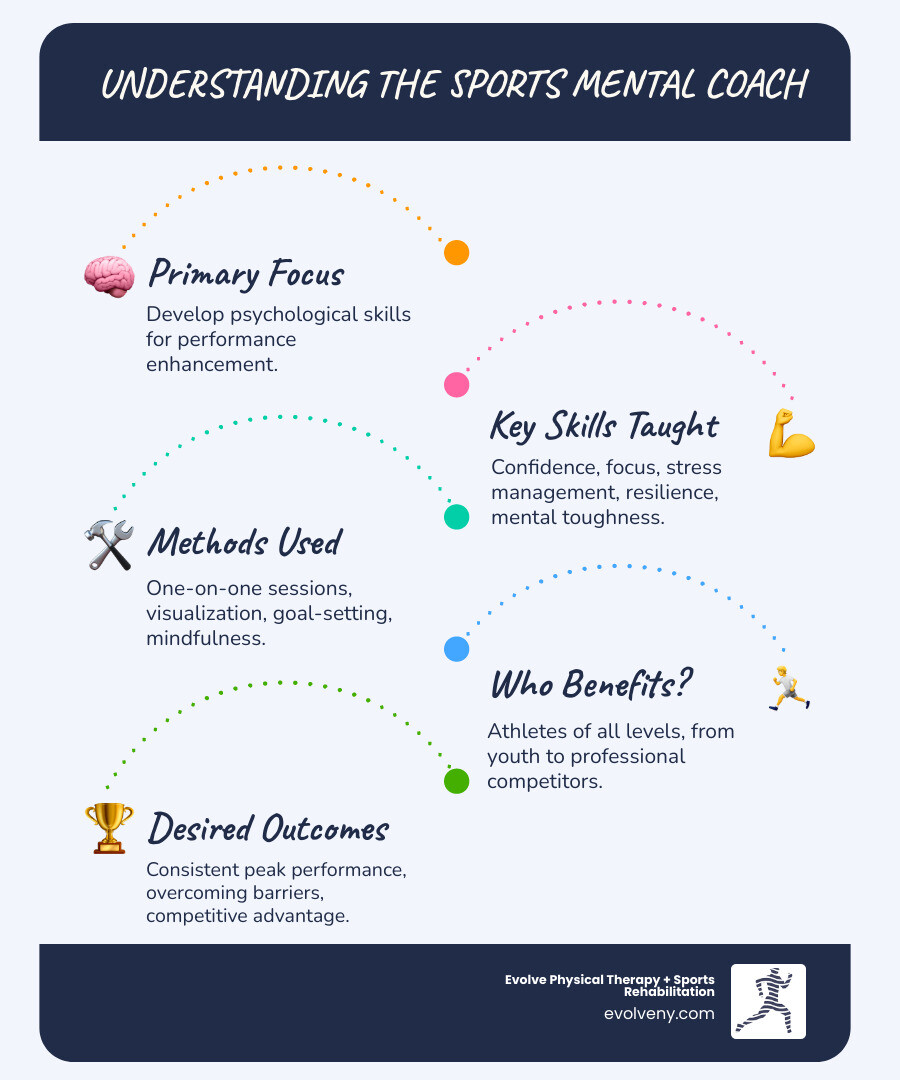
- Primary Focus: Mental skills training for performance improvement
- Key Skills Taught: Confidence, focus, stress management, mental toughness
- Target Audience: Athletes of all levels seeking competitive advantage
- Methods: One-on-one coaching, team workshops, visualization techniques
- Outcome: Consistent performance and overcoming mental barriers
Ask any elite performer, and they'll say the game is at least 90% mental. Yet most athletes spend countless hours on physical skills while neglecting their mental game. The line between winning and losing often comes down to mental preparation. Athletes invest in physical training but rarely develop the psychological tools to perform under pressure.
Mental performance coaches provide techniques to improve focus, goal setting, motivation, stress management, mental toughness, and confidence. This isn't just about overcoming problems—it's about gaining a competitive edge that separates good athletes from great ones.
I'm Lou Ezrick, founder of Evolve Physical Therapy. With nearly two decades of experience, I've seen how the mind-body connection impacts performance. While a sports mental coach hones psychological skills, integrating mental training with physical rehabilitation creates complete athletes who excel on and off the field.
What is a Sports Mental Coach and What Do They Do?
When game time arrives and pressure mounts, an athlete's mind can become their biggest opponent. A sports mental coach steps in not to fix what's broken, but to build an unshakeable mental foundation that matches your physical prowess.
Defining the Role: Your Mental Game Strategist
A sports mental coach is a personal trainer for your brain. While a regular coach perfects technique, a mental coach works on the space between your ears, where championships are won or lost. They are performance architects, proactively helping you build mental skills like confidence, focus, stress management, and resilience.
These are the tools that separate athletes who crumble under pressure from those who thrive. For example, a basketball player who struggles with free throws in games despite nailing them in practice can learn techniques to manage their racing heartbeat and trust their muscle memory. This proactive approach builds mental muscle, develops composure under pressure, and helps you bounce back from mistakes faster. At Evolve Physical Therapy, we've seen how this mind-body connection transforms athletes.

What a Sports Mental Coach is Not: The Difference from a Sports Psychologist
Many people confuse a sports mental coach with a sports psychologist. Understanding the key differences is crucial for getting the help you need. A mental coach focuses on performance improvement for mentally healthy athletes, upgrading their mental software for peak efficiency. Sports psychologists are licensed professionals who diagnose and treat mental health conditions like depression or anxiety that affect performance.
Mental coaches are proactive, building skills before they're needed. Sports psychologists are often reactive, addressing existing clinical issues.
| Feature | Sports Mental Coach | Sports Psychologist |
|---|---|---|
| Primary Focus | Performance improvement, mental skills training | Mental health diagnosis & treatment, clinical therapy |
| Qualifications | Specialized certifications (CMPC, MGCP), coaching experience | Licensed psychologist (Ph.D. or Psy.D.), clinical training |
| Methods | Goal-setting, visualization, focus training, confidence building | Psychotherapy, cognitive-behavioral therapy, counseling |
In short: if you want to perform better, choose a mental coach. If you're struggling with mental health issues, start with a sports psychologist. For certified professionals, look for credentials like CMPC (Certified Mental Performance Consultant). You can learn more at More info on CMPC certification.
Tools of the Trade: How Coaches Build Mental Muscle
A sports mental coach uses a diverse toolkit custom to your needs.
- One-on-one coaching forms the backbone, offering personalized sessions to address unique challenges and strengths.
- Team workshops build collective mental toughness, improving communication and resilience for entire squads.
- Visualization techniques help you mentally rehearse success until it feels like second nature.
- Goal-setting strategies break down big dreams into manageable daily actions that build momentum.
- Mindfulness and relaxation skills teach you to stay present and calm under pressure.
- Cognitive behavioral principles help you reframe negative thought patterns into empowering ones.
- Focus and concentration drills train your attention like a muscle, a superpower in our distraction-filled world.
These skills transfer beyond sports, improving confidence and resilience in all areas of life. For additional resources, programs like Mental training Audio programs can reinforce key concepts.
The Winning Mindset: Key Skills and Benefits of Mental Training
The difference between a good athlete and a great one often lies in their mental game. A sports mental coach helps build this winning mindset by developing key psychological skills for a lasting competitive advantage.
Core Mental Skills for a Competitive Edge
Mental skills, like muscles, need consistent training. A sports mental coach helps develop these essential tools:
- Confidence building: Developing genuine, deep-rooted belief in your abilities that remains steady under pressure.
- Focus and concentration: Maintaining laser focus during competition, refocusing after errors, and blocking out distractions.
- Stress management: Channeling pre-game jitters and pressure into productive energy using techniques like controlled breathing.
- Resilience and mental toughness: Bouncing back stronger from setbacks, viewing challenges as opportunities for growth.
- Motivation and goal setting: Finding your deep "why" and setting meaningful goals that create momentum and direction.
- Composure under pressure: Learning to thrive in high-stakes moments rather than fear them.
- Overcoming fear of failure: Playing with courage and creativity by not being paralyzed by what might go wrong.
Who Benefits? From Youth Leagues to the Pros
Mental performance training benefits athletes at every level.
- Youth athletes learn to manage nerves and bounce back from mistakes, making sports more enjoyable and preventing burnout.
- Student-athletes get help balancing demanding academic and athletic schedules, reducing stress and improving focus in both areas.
- Collegiate performers adapt to higher levels of competition and pressure, learning to thrive in demanding environments.
- Amateur competitors improve performance and enjoyment in their chosen sport, helping them reach personal goals.
- Professional athletes gain the ultimate differentiator, fine-tuning focus and consistency to handle the pressures of elite competition.
At Evolve Physical Therapy, we see athletes from all levels across Brooklyn who need this mental edge. Our Physical Therapy for Athletes services show how powerful this combination can be.
Beyond the Game: Holistic Well-being and Academic Success
The skills learned from a sports mental coach become life superpowers.
- Overall well-being improves as athletes learn to manage stress, set goals, and maintain emotional balance.
- Life skills like goal-setting, stress management, and focus translate directly to career advancement and personal challenges.
- Injury recovery is more manageable, as mental training helps athletes stay motivated, manage frustration, and overcome the fear of returning to play.
- Academic excellence is a direct result for student-athletes, as focus and stress management skills improve study habits and test-taking.
- Balancing priorities becomes easier with improved time management and stress reduction techniques.
Our Athletic Performance Training programs complement mental coaching by building physical resilience, creating a complete foundation for success.
Success Stories: Mental Coaching in Action
The proof of mental coaching's power is in the results. Olympic medalists and world champions consistently credit mental training for their success.
- A collegiate swimmer, facing a career-ending injury, used mental coaching to rebuild confidence and manage frustration during rehab. He returned mentally stronger, achieving personal bests.
- A high school soccer team resolved internal conflicts and turned a losing season around by improving communication and building a supportive team culture through mental coaching.
- A professional beach volleyball player used mental coaching to develop unshakeable focus and pressure management skills for the Tokyo Olympics.
These stories show that investing in the mental game allows physical talent to translate into real-world success.

Finding Your Coach: Qualifications and the Selection Process
Choosing a sports mental coach is a critical decision that can transform your athletic journey. Just as you'd vet a physical therapist, selecting a mental coach requires careful consideration to find the right match.
What to Look for in a Sports Mental Coach
When hiring a coach to train your mind, prioritize these factors:
- Certifications: Look for top credentials like Certified Mental Performance Consultant® (CMPC) from the Association for Applied Sport Psychology (AASP) or Mental Game Coaching Professional (MGCP). These signify extensive training and experience. You can learn about the MGCP certification.
- Experience: Seek a coach with a proven track record of helping athletes at your level, whether high school, college, or professional. Decades of experience can be invaluable.
- Sport-specific knowledge: While many skills are universal, a coach who understands the unique pressures of your sport can offer more relevant insights.
- Coaching philosophy: Find a coach whose approach aligns with your needs, whether it's proactive skill-building, problem-solving, or a blend of both.
- Testimonials: A confident coach should be able to share success stories (while respecting confidentiality) that demonstrate their effectiveness.
How to Choose the Right Coach for You
Finding a qualified coach is half the battle; finding the right personal fit is the other.
- Use initial consultations: Most reputable coaches offer a free introductory session. Use this to assess their communication style and your comfort level.
- Ask key questions: Inquire about their typical approach, realistic results, and how they track progress. Ask how they bridge the gap between practice and game-day performance.
- Assess personality fit: This is crucial. You need to feel heard, understood, and inspired. The chemistry between you and your coach can make or break the experience.
- Be clear about your goals: Define what you want to achieve—whether it's overcoming choking, improving focus, or bouncing back from mistakes—to ensure the coach is a good fit.
- Understand the process: Clarify the meeting schedule, supplementary materials, and how they structure their program.

Finding the right sports mental coach is about finding a partner for your mental performance journey. At Evolve Physical Therapy, we know that peak performance requires both physical and mental strength, and a great coach can be the key to open uping your potential.
Frequently Asked Questions about Sports Mental Coaching
Athletes and parents often have questions about mental performance coaching. Here are clear, concise answers to the most common ones.
What is the main goal of working with a mental coach?
The primary goal is to achieve consistent elite performance by open uping your full athletic potential. A sports mental coach helps you develop the psychological skills to perform reliably under pressure, get into "the Zone" more often, and increase your overall enjoyment of your sport. It's a strategic investment for any athlete who wants to excel.
Is mental coaching only for athletes who are struggling?
No, this is a common misconception. While mental coaching helps with slumps and anxiety, it's also a proactive training strategy for athletes who want to go from good to great. Just as you train your body consistently to get stronger, mental training sharpens your psychological skills to gain a competitive edge. It's for any athlete serious about maximizing their potential.
How is mental coaching different from regular sports coaching?
They are complementary partners. A regular sports coach focuses on the physical and tactical training of your sport—the "how-to" skills like shooting mechanics or strategic plays. A sports mental coach focuses exclusively on psychological skills and mindset. They teach you how to manage pressure, maintain focus, and build confidence so you can use your physical skills effectively when it matters most. At Evolve Physical Therapy, we see how this integration of mind and body creates complete athletes.
Conclusion: Build Your Complete Athletic Profile
In any championship game, the winner is often the one who stays calm under pressure, bounces back from mistakes, and believes in themselves. Talent matters, but mental strength is frequently the deciding factor.
Mental strength isn't a nice-to-have—it's essential. When coaches say "90% of the game is mental," they're highlighting a critical truth. Athletes who consistently perform their best have trained their minds as deliberately as their bodies. Working with a sports mental coach provides the psychological tools to handle pressure, stay focused, and build resilience. These benefits extend beyond the game, enhancing schoolwork, relationships, and all of life's challenges.
Integrate Your Mind and Body for Peak Performance
At Evolve Physical Therapy, we see this mind-body connection every day. Your mindset during rehabilitation is just as crucial as the physical work. Our holistic approach addresses you as a complete person, integrating the mental and physical aspects of your athletic journey, whether you're at our Marine Park location or in Park Slope.
The most successful athletes treat mind and body as partners. Combining expert mental coaching with quality physical care builds a foundation for consistent excellence. Your mental game deserves the same attention as your physical training. When you're ready to take the next step in your physical development, we're here to support you. Start your journey with Sports Rehab Physical Therapy in Brooklyn and let's build your complete athletic profile together.
Remember: champions aren't just physically strong—they're mentally unshakeable.
Parkinson's Gait Training: Putting Your Best Foot Forward
Understanding the Challenges of Parkinsonian Gait
Gait training for parkinsons is a specialized form of physical therapy that helps people with Parkinson's disease improve their walking patterns, reduce fall risk, and maintain independence. Research shows this targeted approach can significantly improve walking speed, stride length, and overall mobility.
Key Gait Training Methods for Parkinson's:
- External cueing - Using visual lines, auditory beats, or tactile cues to improve step timing
- Treadmill training - Body-weight supported walking to practice normal gait patterns
- Dual-task training - Combining cognitive tasks with walking to improve real-world function
- Dance and movement therapy - Rhythmic activities that improve balance and coordination
- Strength and flexibility exercises - Building the physical foundation for better walking
Studies show a sobering 59% of people with Parkinson's experience falls within a six-month period, highlighting why gait training is essential. These challenges, including shuffling steps and stooped posture, stem from dopamine deficiency in the brain, which disrupts movement control.
The good news is that gait training works. Research shows participants can increase walking speed from 1.28 to 1.45 m/s—a change that significantly impacts real-world safety and independence. A change like that can mean the difference between crossing a street safely or not.
At Evolve Physical Therapy, we specialize in individualized gait training for parkinsons. Our hands-on approach helps patients regain mobility and confidence, proving that with the right techniques and consistent practice, people with Parkinson's can maintain their independence and quality of life.
The "Why" Behind Gait Issues: Causes and Medical Interventions
Walking challenges in Parkinson's disease aren't about weak muscles alone. They stem from a complex neurological issue where the brain's movement control center isn't getting the right signals. When we talk about gait training for parkinsons, we must first understand this root cause.
Defining Characteristics of Parkinsonian Gait
Parkinsonian gait has several distinct patterns:
- Stooped posture: A forward-leaning posture is a primary characteristic, throwing off balance.
- Shuffling and reduced stride length: This is often paired with shuffling, where feet drag instead of lifting, and a shorter stride length, which slows walking speed.
- Decreased arm swing: The natural arm swing that aids balance also diminishes or becomes uneven.
- Festination: Steps can become uncontrollably shorter and faster, as if the person is chasing their own center of gravity.
- Freezing of gait (FOG): This is a temporary, sudden inability to move, as if the feet are glued to the floor. It often occurs in doorways or during turns and is a major cause of falls.
- Difficulty turning: Turning is also difficult, often requiring multiple small, rigid steps instead of a smooth pivot.
These changes represent a loss of the automatic walking pattern most of us take for granted. For deeper insights, researchers have documented detailed gait dynamics that help us understand what's happening.
Underlying Neurological Causes
These gait issues are rooted in a shortage of dopamine, a key brain chemical for movement, caused by the breakdown of dopamine-producing cells in the substantia nigra. This deficiency impairs the basal ganglia, the brain's movement control center.
Without enough dopamine, the basal ganglia can't send clear instructions to the muscles. This results in motor control impairment—not due to muscle weakness, but faulty signals from the brain. As this neurodegeneration progresses, symptoms worsen, which is why gait training for parkinsons focuses on teaching the brain new strategies to compensate for these damaged circuits.
Understanding these causes explains why simply being told to "walk more" isn't enough. Specialized approaches are needed to bypass these neurological challenges. The Michael J. Fox Foundation offers more information on how these symptoms develop.
How Medication and DBS Address Gait
Medical treatments are a key part of management, though they have limitations.
Levodopa, a dopamine replacement therapy, is the gold standard medication and can improve walking speed and step length. However, it often fails to fully address freezing or balance issues and can sometimes lead to unpredictable freezing as the disease progresses.
Dopamine agonists, which mimic dopamine, have a similarly inconsistent impact on complex gait problems. Some people see improvements, while others notice little change.
Deep Brain Stimulation (DBS), a surgical procedure involving implanted electrodes, can be very effective for tremor and stiffness. Its effect on gait is mixed; some patients see improvements in speed, while others see little change in freezing or balance. It is not a cure-all for walking challenges, as detailed by The Michael J. Fox Foundation.
This gap is precisely why comprehensive physical therapy is crucial, combining medical management with specialized rehabilitation to improve function and quality of life.
The Core of Gait Training for Parkinson's: Physical Therapy and Exercise
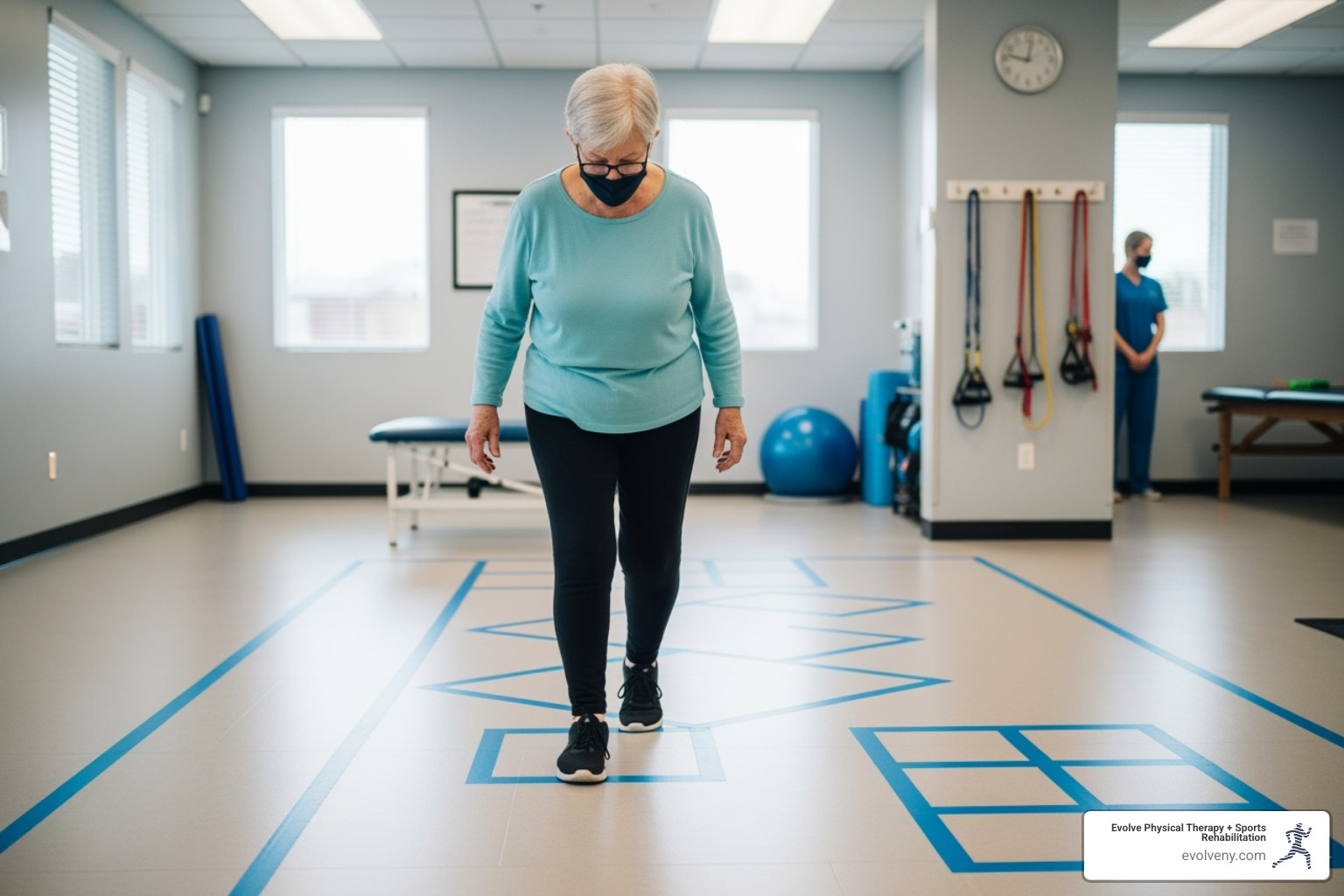
Gait training for parkinsons through physical therapy is about teaching your brain and body to work together in new ways, effectively rewiring the connections that Parkinson's has disrupted. People who participate see remarkable improvements: faster walking speeds, longer strides, and fewer falls.
Key Physical Therapy Strategies
- Movement strategy training is foundational. Instead of relying on the brain's damaged 'autopilot,' we break walking into conscious parts, using specific cues like "take a big step." This is adapted for all stages of Parkinson's.
- Balance exercises are crucial to reduce fall risk. We use varied surfaces and even fun tools like the Nintendo Wii Fit to challenge and improve stability in a controlled way.
- Strength training in the legs and core, through exercises like squats and lunges, provides the physical power needed for better walking and daily movements like standing from a chair.
- Flexibility work, including targeted stretching, counteracts the rigidity that restricts movement, especially in the trunk.
- Postural correction exercises help you stand taller, which immediately improves balance and movement.
Every person's program is different. Our goal is to give you back control over your movement. This evidence-based review provides excellent insights into what works.
The Role of External Cues in Gait Training for Parkinson's
External cues act like a guide for the brain, bypassing damaged circuits to improve walking.
- Auditory cues, like a metronome's beat or music, are highly effective. The rhythm provides an external signal that helps regulate pace and step length, leading to faster, longer steps.
- Visual cues, such as tape lines on the floor or a laser pointer, give the brain a concrete target to aim for. This is especially helpful for overcoming freezing.
- Somatosensory cues, like vibrating insoles, offer another tactile signal to guide movement.
Rhythmic cueing provides the steady beat the brain's internal rhythm generator can no longer supply.
The Power of Treadmill Training
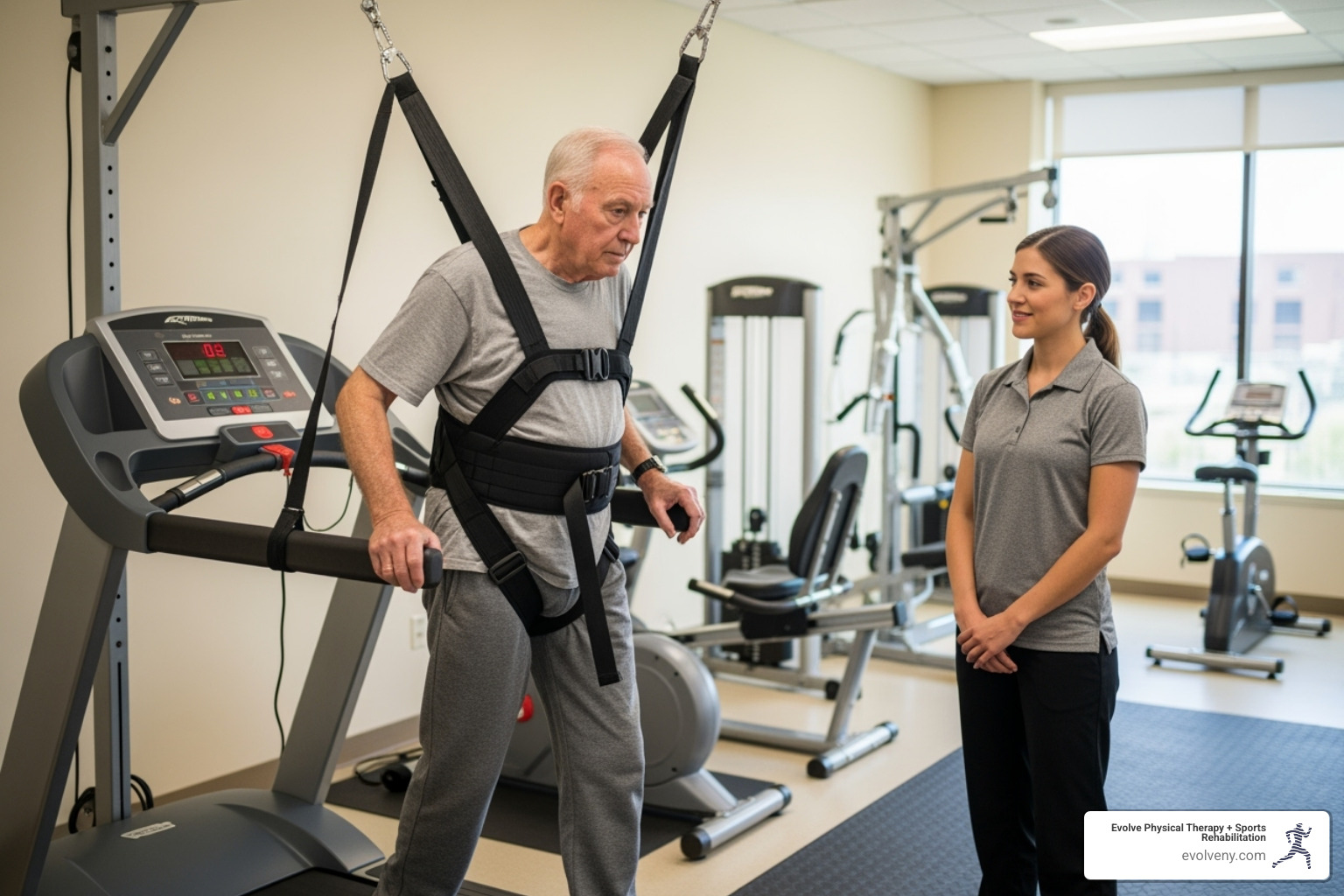
Treadmill training for gait training for parkinsons offers a safe, controlled environment to practice walking without fear of falling. Body-weight supported treadmill training (BWSTT) is especially effective. A harness system supports some of your weight, allowing you to practice larger, more normal steps safely.
The results are measurable. One study showed treadmill trainees improved their walking speed from 1.28 to 1.45 m/s, while a control group saw almost no change. Trainees also took longer steps, reducing shuffling. The treadmill also allows for practice with starts and stops, preparing you for real-world scenarios.
Dual-Task Gait Training for Parkinson's: Engaging Mind and Body
In real life, we walk while doing other things. For people with Parkinson's, this 'dual-tasking' can be dangerous. That's where dual-task training becomes essential. We practice walking while performing cognitive tasks (like counting backward) or motor tasks (like carrying objects).
This trains the brain to divide attention, making you less likely to stumble when distracted. Research confirms that dual-task training improves step length and rhythm, building confidence for handling the complexities of daily life, as shown in case studies. The goal is to make everyday life easier by training your brain to multitask effectively while staying safe.
A Spectrum of Effective Exercises and Therapies
Effective gait training for parkinsons offers a variety of options to suit individual preferences and goals. Finding an activity you enjoy, from dance to boxing, is key to staying motivated and improving.
| Therapy Type | Primary Gait Benefits | Additional Quality of Life Benefits |
|---|---|---|
| Dance | Improves gait velocity and step length. Stimulates neuroplasticity, improves coordination, balance, and quality of life. | Improves balance, coordination, spatial awareness, musicality, and motor control. |
| Tai Chi | Improves balance and reduces fall risk. Improves posture alignment and stability. | Promotes mindfulness, reduces stress, and builds confidence in movement. |
| Boxing Programs | Increases agility, coordination, and motor function. Improves balance and reaction time. | Builds strength, boosts mood, and creates a strong sense of empowerment and community. |
Dance, Tai Chi, and Yoga
Dance therapy combines music and movement to produce remarkable gait improvements. Research on dance therapy benefits shows styles like Tango can improve gait velocity and step length, as the rhythm provides an external guide for the brain.
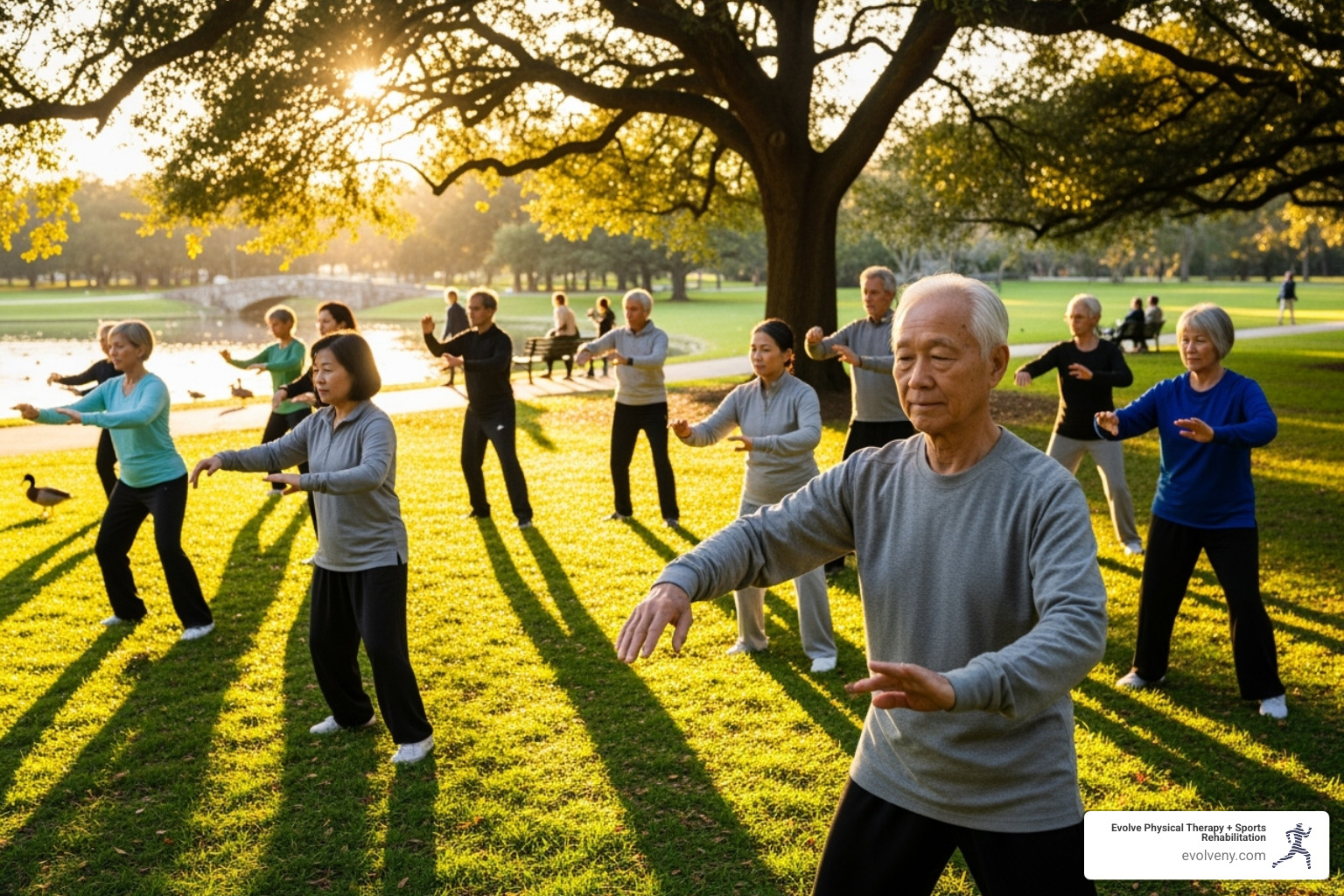
Tai Chi uses slow, flowing movements to improve balance, posture, and stability. This gentle practice builds confidence and has been shown to reduce fall risk. Yoga improves flexibility, strength, and body awareness. By lengthening tight muscles and promoting mindfulness, it can help make walking more fluid and manage anxiety that may trigger freezing.
Strength, Aerobic, and Boxing Programs
Vigorous exercise programs build the physical foundation for better walking and function.
- Resistance training builds muscle strength essential for improved walking and balance.
- Cycling is a great low-impact aerobic option for building leg strength and endurance, which can improve motor performance.
- Running, for some, with a proper heel-toe strike pattern may even help re-establish more normal gait mechanics.
Non-contact boxing programs, like Rock Steady Boxing, are particularly exciting. These high-intensity, full-body workouts are adapted for people with Parkinson's. Participants see improved balance, coordination, and motor function. Beyond the physical gains, these programs are incredibly empowering, building both strength and community.
Emerging Technologies: Robotics and Adaptive Footwear
New technologies are offering innovative ways to improve traditional therapy.
- Robotic-Assisted Gait Training (RAGT) uses devices like the Lokomat to guide a patient's legs through normal movement patterns. This high-intensity practice can improve gait speed, stride length, and reduce freezing.
- Wearable sensors, like Heel2Toe, provide real-time auditory feedback on gait quality, helping to correct walking patterns instantly.
- Future technologies like smart glasses may project visual cues directly into a user's field of vision to help initiate steps and prevent freezing.
- Adaptive footwear with features like special soles for stability can also make a significant difference, reducing shuffling and improving confidence.
Creating Your Plan: Management, Mindset, and Future Directions
A successful journey with Parkinson's requires a comprehensive plan. The best gait training for parkinsons programs are custom to the individual's physical needs, goals, and emotional well-being.
How to Choose the Right Program
Finding the right program involves building a support team and setting clear goals.
- Consult a neurologist to manage medications and monitor your progression, ensuring a coordinated care plan with your physical therapist.
- Work with a physical therapist specializing in neurological conditions. They will conduct a thorough evaluation to understand your specific challenges, from shuffling to freezing.
- Consider your disease stage. Early stages may focus on high-intensity exercise, while later stages emphasize safety and maintaining independence.
- Acknowledge personal preference. Whether you prefer group classes like Rock Steady Boxing or one-on-one sessions, the right fit boosts motivation and success.
- Set personal goals. Maybe you want to walk to the mailbox or play with grandchildren. We tailor your program to help you achieve what matters most to you.
The Impact of Anxiety on Freezing of Gait
Freezing of gait (FOG) is often triggered by specific situations, and anxiety can be a major factor. Feeling rushed, stressed, or worried about falling can make freezing episodes more frequent and severe. This stress response interferes with movement control, and the fear of falling can create a vicious cycle where worry about freezing makes it more likely to happen.
Stress management is a powerful tool. Simple deep breathing exercises or taking a moment to pause and reset can help break the anxiety-freeze cycle. Mindfulness is also a practical strategy. Focusing on your feet or humming a tune can help the brain bypass stuck pathways. As research shows, addressing anxiety is an essential part of effective FOG treatment.
Long-Term Outlook and Future Research
The future of gait training for parkinsons is bright, with our understanding of how to manage symptoms evolving rapidly. Maintaining gains requires making exercise a consistent part of your routine. Regular "booster sessions" with a physical therapist can help adapt your program as your needs change.
Exciting research suggests vigorous exercise may have neuroprotective effects, potentially slowing disease progression. Furthermore, advancements like wearable sensors and virtual reality are making rehabilitation more engaging and effective by providing real-time feedback on your walking patterns.
Future research aims to determine the optimal "dose" of exercise and integrate cognitive training. The goal remains to help you maintain independence, confidence, and quality of life for as long as possible.
Conclusion: Take the Next Step Towards Better Mobility
Understanding the challenges of Parkinson's is the first step. As we've explored, targeted physical therapy and gait training for parkinsons can transform daily life. The right intervention at the right time makes a clear difference.
Gait training works by addressing both the physical and confidence issues of movement difficulties. Measurable improvements in walking speed mean safer street crossings and greater independence. Modern gait training offers a variety of options, from dance and Tai Chi to Rock Steady Boxing. New technologies like robotics and smart sensors are making therapy more precise and engaging, ensuring there's an approach that fits you.
What matters most is taking that first step. Research clearly shows that regular, targeted gait training leads to meaningful improvements in mobility, balance, and quality of life. These aren't just statistics—they represent real people walking more confidently and falling less often.
At Evolve Physical Therapy + Sports Rehabilitation, we provide personalized, hands-on care. Our specialized approach to gait training for parkinsons, including our innovative Rock Steady Boxing program, empowers people to reclaim their mobility and take control of their future.
It's never too late to start. Prioritizing your mobility is a choice you can make today, leveraging your brain's remarkable ability to adapt and learn.
Ready to see what gait training for parkinsons can do for you? Learn more about our specialized Parkinson's programs and take the first step toward better mobility today. A more confident, mobile future is waiting.
Primal Movement Mobility – Unleash Your Inner Animal
Refind How Your Body Was Designed to Move
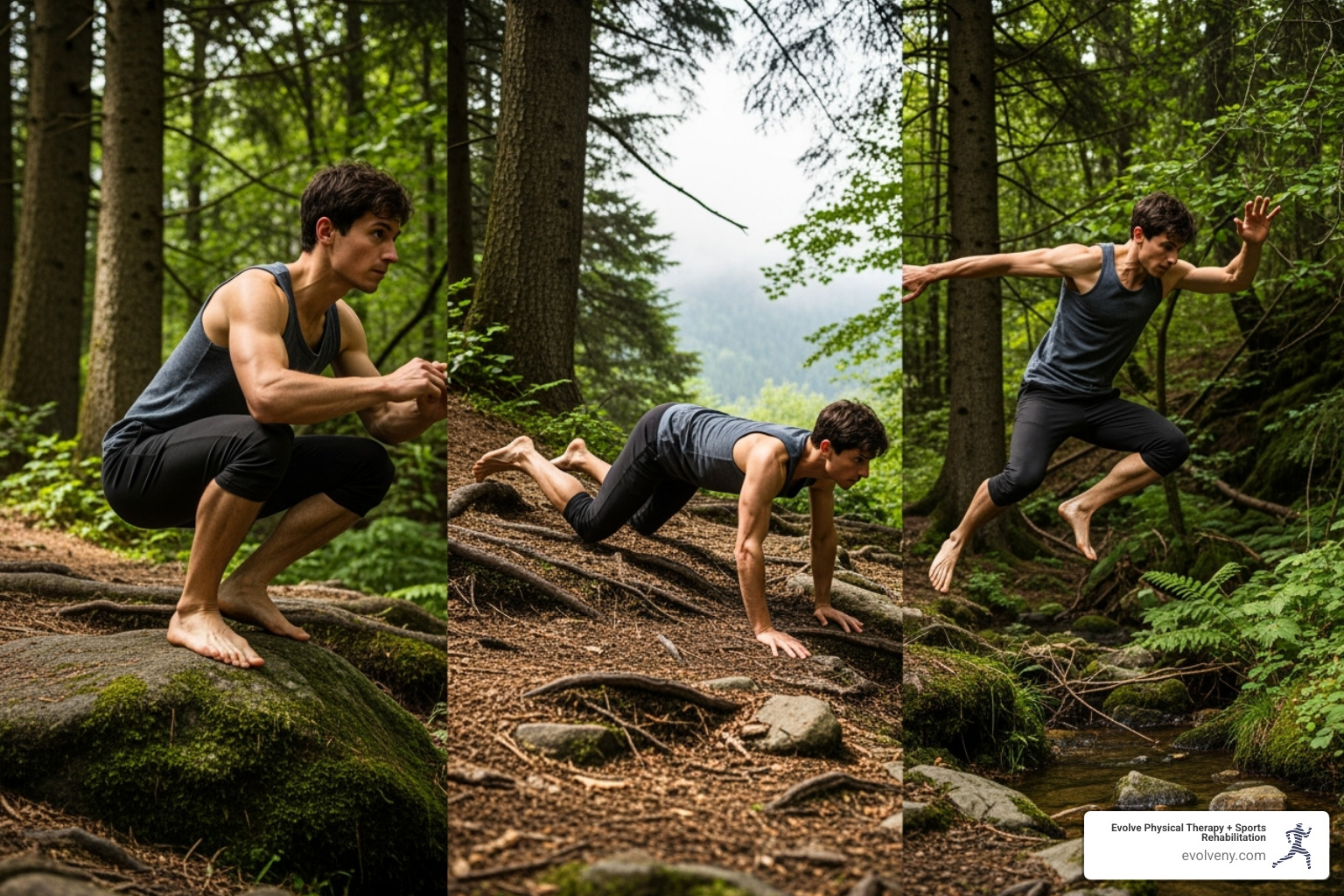
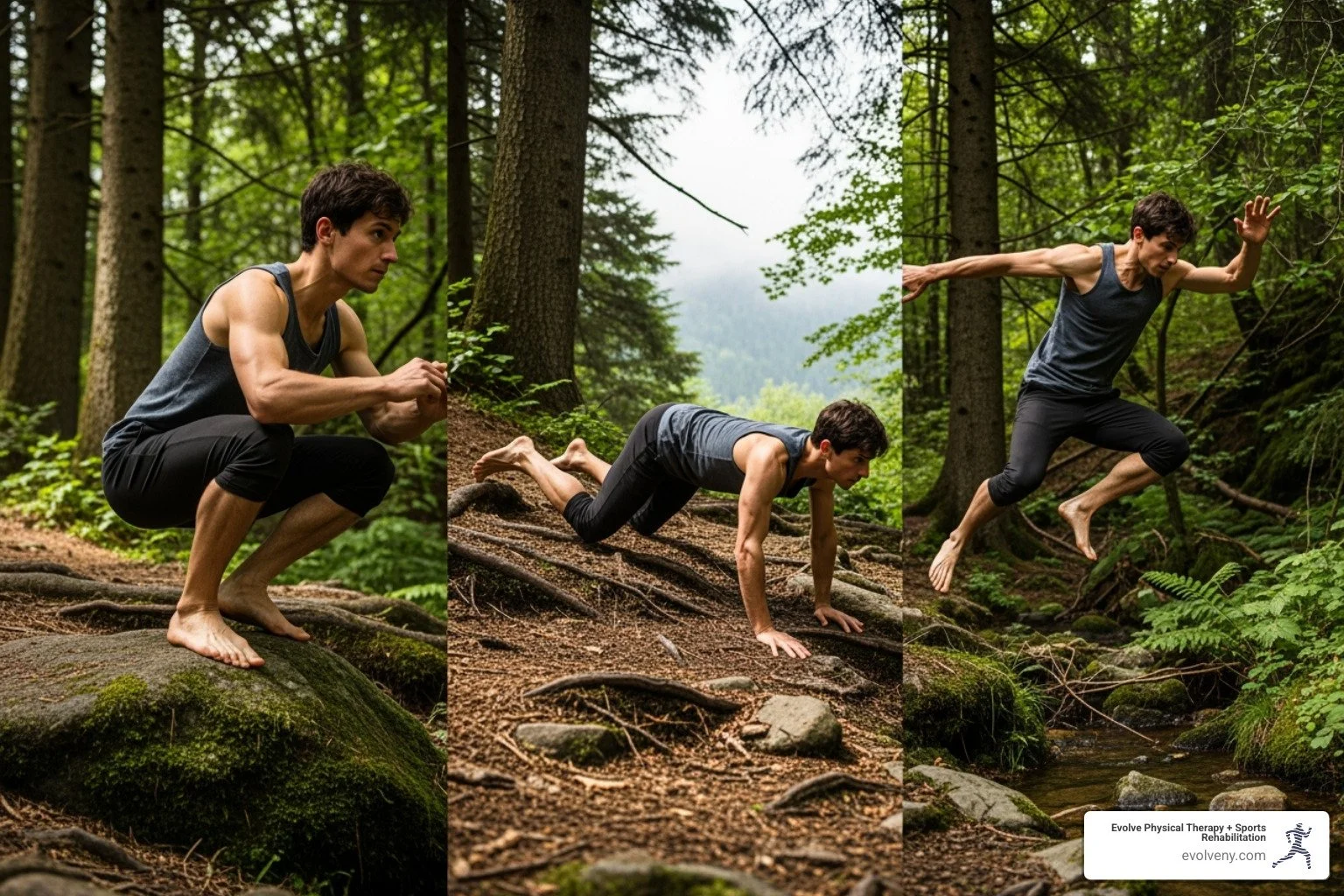
Primal movement mobility is a return to the fundamental patterns that defined human survival: squatting, crawling, jumping, pushing, pulling, and carrying. These movements are the foundation of how our bodies are designed to function.
What is primal movement mobility?
- Mimics our ancestors' daily activities
- Works multiple muscle groups simultaneously
- Prepares your body for real-world activities
- Restores your full range of motion
- Emphasizes body awareness over repetitive isolation
Modern sedentary lifestyles have disconnected us from these instinctive capabilities. As one movement expert puts it: "Modern science is finally catching up to what our ancestors knew intuitively: movement is medicine."
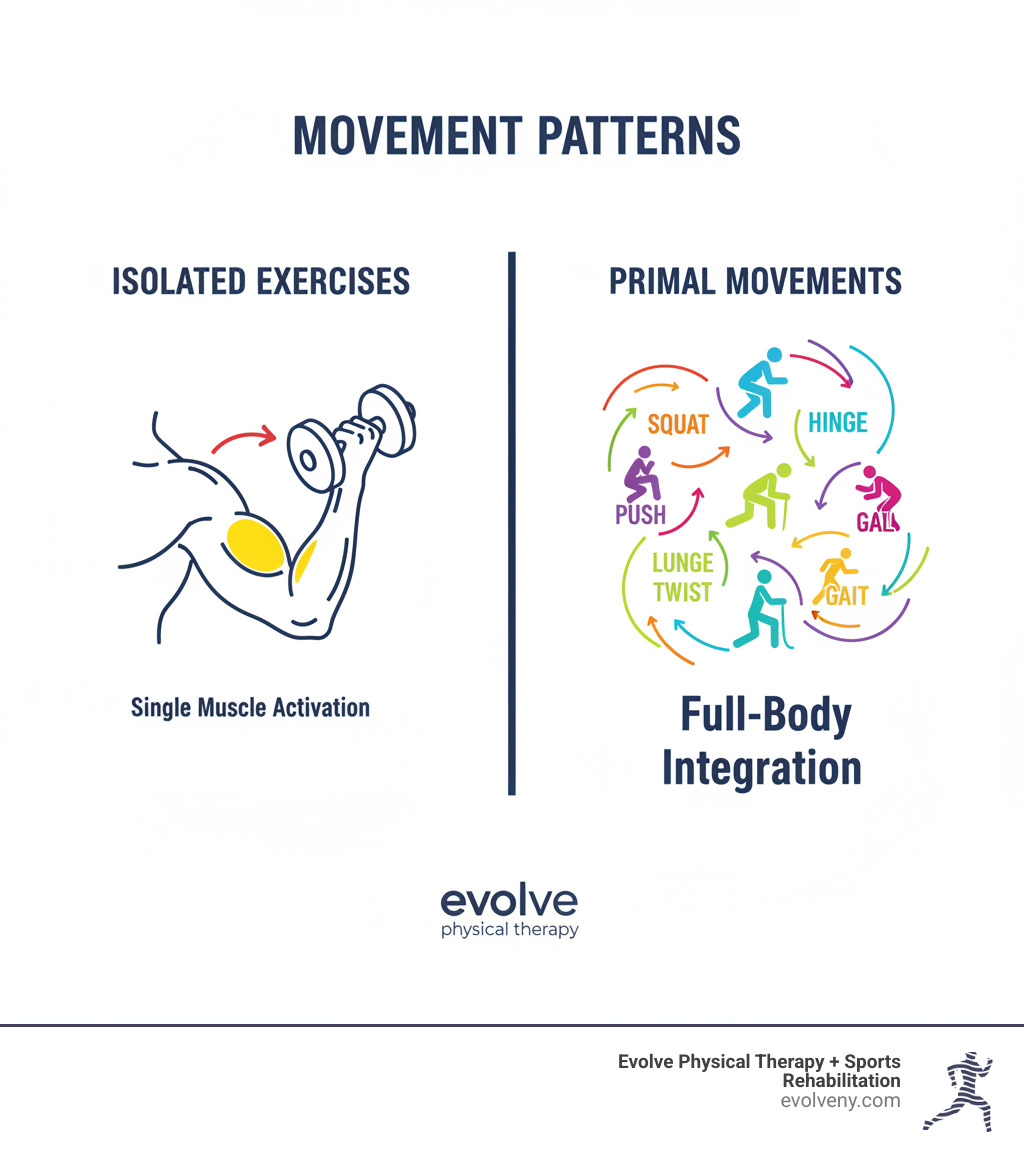
Unlike traditional gym workouts that isolate muscles, primal movement trains your body as an integrated system. This approach restores the natural mobility and coordination that keep you pain-free and moving efficiently.
The benefits extend beyond the gym. Research shows grip strength predicts overall mortality, and balance issues are a leading cause of injury-related death in people over 65. Primal movement addresses both by developing functional strength and neuromuscular control.
I'm Lou Ezrick, a physical therapist with nearly two decades of experience. At Evolve Physical Therapy, I've seen how primal movement mobility transforms lives by reconnecting people with their body's innate capabilities.
What is Primal Movement and Why Does it Matter?
Our ancestors' survival depended on natural movement patterns like crawling, climbing, squatting, and carrying. This is the essence of primal movement mobility: reconnecting with how our bodies were designed to move.
The key difference from traditional exercise is its integrated approach. Most gym routines isolate single muscles, but primal movements are compound movements that engage the entire body. A deep squat, for example, works your legs, core, back, and ankles simultaneously. This builds functional strength for real-life tasks like lifting a child or moving furniture.
As physical therapists, we see daily how sedentary life leads to lost mobility and chronic pain. Primal movement mobility aims to restore these lost capabilities, reclaiming the efficiency and resilience of our ancestors. How physical therapy approaches movement explores this connection between natural patterns and healing.
The Mind-Body Connection
Primal movement is more than just physical. When we're always "in our heads," it offers an antidote with its philosophy of "think less, move more."
When you crawl, balance, or twist, your mind must focus on the present moment. This improved body awareness (proprioception) becomes a form of active meditation, forcing you out of mental chatter and into mindfulness in motion. The result is reduced distraction, better coordination, and a deeper connection with your physical self.
The Rise of a Fitness Trend
Primal movement mobility has recently grown in popularity as people seek a holistic fitness approach that improves daily function. Its beauty lies in its accessibility for all levels.
You don't need expensive equipment; your body is the primary tool. This minimal equipment appeal makes it perfect for home workouts or quick movement breaks. The trend reflects a broader shift toward functional fitness—movement that serves your life outside the gym.
The 7 Foundational Primal Movement Patterns
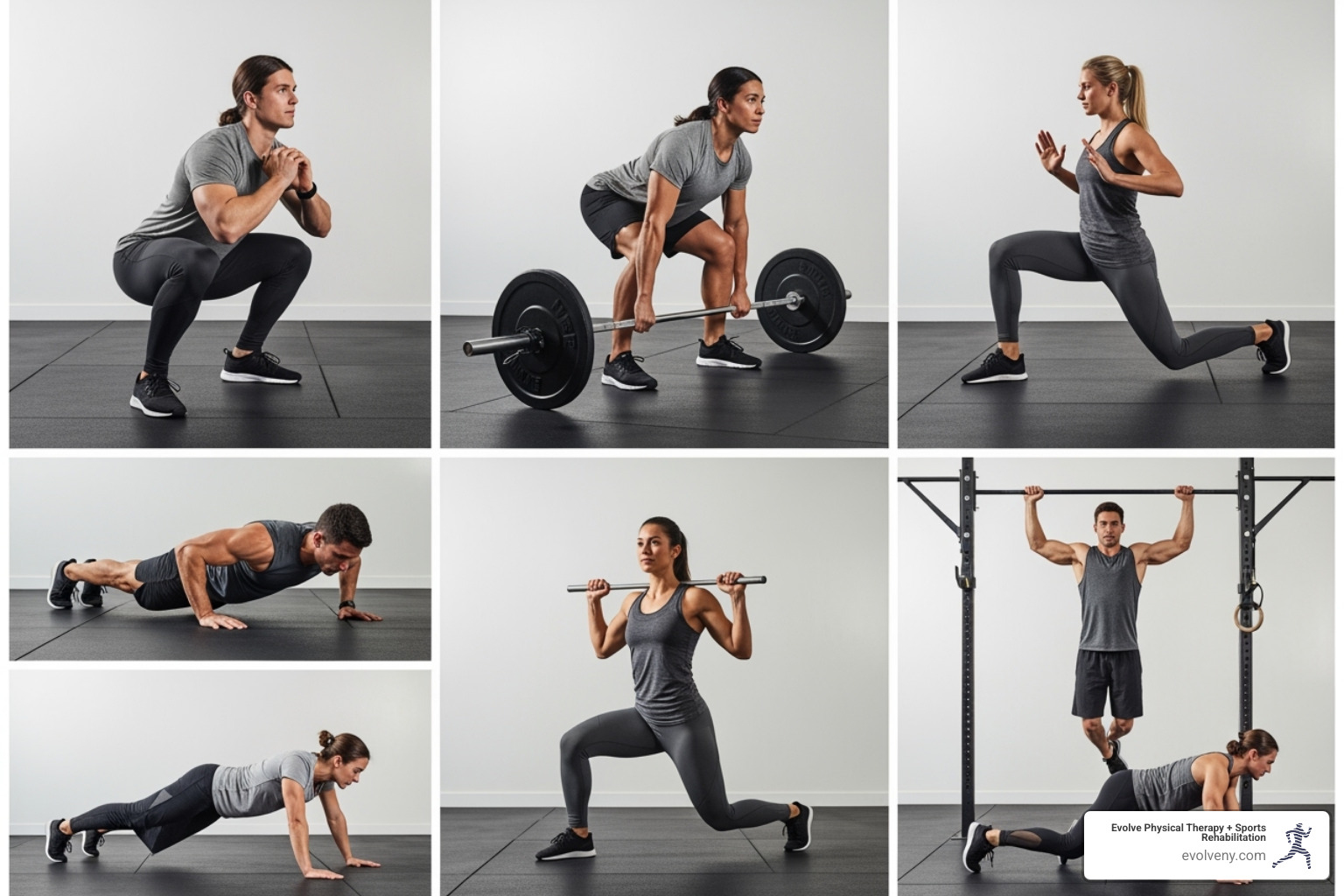
At the heart of primal movement mobility are seven foundational patterns. Mastering these movements is key to open uping your full physical potential.
Here are the seven patterns:
- Squat: Descending the hips below the knees.
- Hinge: Bending at the hips with a relatively straight back.
- Lunge: Stepping forward, backward, or sideways, dropping one knee towards the ground.
- Push: Moving an object or your body away from you.
- Pull: Moving an object or your body towards you.
- Twist (Rotation): Rotating your torso.
- Gait (Locomotion): Moving from one place to another (walking, crawling, running).
1. The Squat
The squat is a fundamental human movement, though this natural ability often diminishes with age. A deep squat requires hip and ankle mobility, plus lower body strength. It improves core stability, coordination, and is associated with a lower risk of falls.
Example: A bodyweight squat. For a modification, squat to a chair or bench.
2. The Hinge
The hinge pattern is essential for safe lifting and protecting your lower back. It involves bending at the hips with a neutral spine, engaging your glutes and hamstrings. Mastering the hinge teaches proper lifting mechanics for everyday tasks.
Example: The Glute bridge is a great starting point. Progress to a Romanian Deadlift (RDL) with a light weight to practice the full motion.
3. The Lunge
This single-leg movement challenges your balance, coordination, and strength. It's critical for walking and running. Lunges improve neuromuscular control and can address muscular imbalances, leading to more efficient movement.
Example: The walking lunge. Step forward, lowering your hips until both knees are bent at roughly a 90-degree angle, then push off into the next lunge.
4. The Push
Pushing movements are vital for upper body strength in tasks like pushing open a door or getting up from the ground. They engage the chest, shoulders, and triceps, while the core provides stability. Pushing exercises also improve bone density and shoulder health.
Example: The classic push-up, which can be modified from wall push-ups to full variations.
5. The Pull
Often overlooked, pulling movements are crucial for posture and spinal alignment by working your back muscles, biceps, and forearms. They are also excellent for developing grip strength, a proven predictor of overall mortality.
Example: A bodyweight row or a simple bar hang. Hanging from a pull-up bar is great for grip strength and spinal decompression.
6. The Twist (Rotation)
Rotational movements are essential for spinal mobility and core power. Neglecting this pattern can lead to stiffness and injury risk during daily activities like reaching or throwing. Twisting engages your obliques and keeps your spine healthy.
Example: The standing torso twist. Stand with feet shoulder-width apart and gently rotate your torso from side to side.
7. The Gait (Locomotion)
Gait includes all forms of moving from one place to another, such as walking, running, and crawling. This fundamental pattern improves cardiovascular health, cognitive performance, and emotional well-being, keeping the entire body integrated. To dive deeper into improving your balance and gait, we have a comprehensive guide available here.
Open uping the Longevity Benefits of Primal Movement Mobility

Primal movement mobility is key to functional aging—aging on your own terms. By practicing these movements, you build the strength, mobility, and coordination that will serve you for decades. Think of it as an investment in your future self, ensuring you can get up from a chair or play with grandchildren with ease.
At Evolve Physical Therapy, we see patients find new levels of vitality by embracing natural movement. This holistic approach is central to our philosophy of physical therapy and overall wellness.
Build Resilient Strength and Prevent Injury
Falls are the leading cause of injury-related death in people over 65, but most are preventable. Primal movement mobility builds resilient strength—the kind that protects you in real-world situations. It's your body's ability to coordinate, balance, and react instinctively.
- Joint stability: Movements like crawling and rotating teach your shoulders, hips, and spine to be stable through complex patterns.
- Core control: Your core learns to function as it should—bracing, stabilizing, and supporting your spine during real activities.
- Grip strength: Primal movements like hanging and carrying naturally develop grip strength, a surprising and powerful predictor of longevity.
Improve Mobility and Bone Health
Stiffness is often the result of not moving through a full range of motion. Primal movements combat this by taking your joints through their natural ranges in a functional way, creating lasting mobility.
- Joint health: Movement lubricates your joints with synovial fluid, keeping cartilage healthy and reducing inflammation.
- Bone health: Research shows that resistance exercise significantly improves bone density. Primal movements provide this load naturally.
- Hormonal homeostasis: The varied nature of these movements helps regulate your endocrine system, leading to better sleep, mood, and metabolism.
These movements restore confidence in your body, creating a positive cycle of activity and vitality.
How to Integrate Primal Movements into Your Routine
You can easily integrate primal movement mobility into your day without special equipment. The secret is to start small and stay consistent, as your body responds best to regular, gentle challenges.
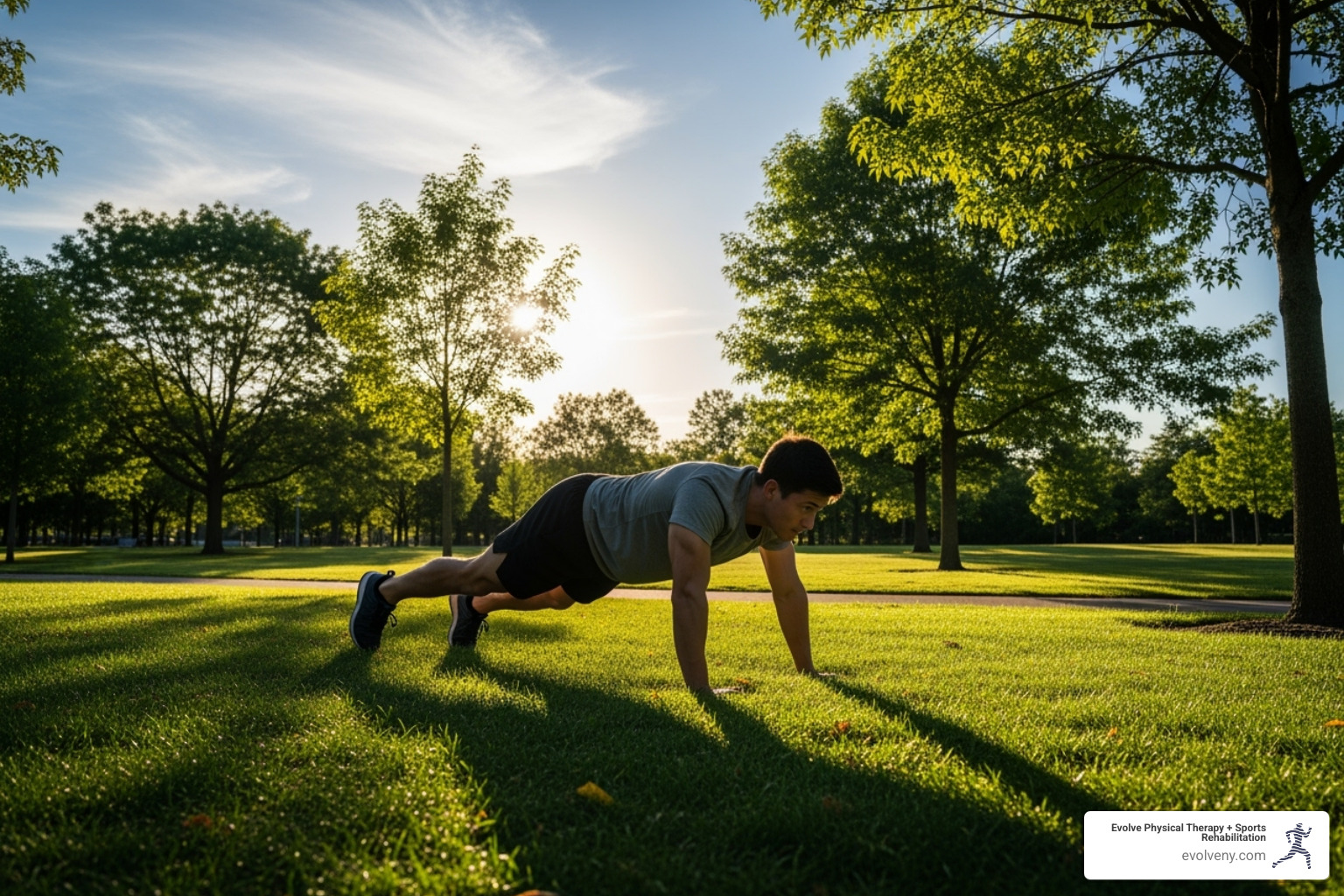
Starting Your Primal Movement Journey
Find natural entry points in your existing routine:
- Morning warm-ups: Spend 5-10 minutes waking up your body with squats, hip hinges, and arm circles.
- Microworkouts: Use two-minute breaks to do a deep squat while coffee brews or a bear crawl during a TV commercial.
- Dedicated primal sessions: Set aside 20-30 minutes weekly to play with different movement patterns without pressure.
- Combining with bodyweight training: Alternate between movements like push-ups, crawls, squats, and lunges for a more engaging workout.
Adapting for All Fitness Levels
Primal movements scale to your needs. Beginners can modify exercises: squat to a chair or do push-ups against a wall. The goal is progress, not perfection. Your bodyweight is the perfect starting weight.
As you get stronger, advanced progressions emerge. You can add a weighted vest, try pistol squats, or explore complex flows. Adding external load or increasing complexity keeps your mind and body challenged. Unilateral variations (single-side movements) are great for addressing imbalances.
Risks and Considerations for Primal Movement Mobility
While safe, smart preparation is key.
- Proper form matters more than intensity. Slow down and focus on quality movement.
- Listen to your body. Mild soreness is normal, but sharp pain is a signal to stop.
- If you have chronic pain or previous injuries, consult a professional. A physical therapist can create a customized plan that works for your body.
At Evolve Physical Therapy, we specialize in creating safe, effective programs. Learn more about our therapeutic exercise programs here – because movement should heal, not harm.
Frequently Asked Questions about Primal Movement Mobility
Here are answers to common questions about primal movement mobility.
Do I need special equipment for primal movements?
No, your body is the only equipment you truly need. The vast majority of primal movements are bodyweight exercises like squats, lunges, and crawls.
As you progress, simple tools can improve your practice. A pull-up bar is great for grip strength, while kettlebells or sandbags can add load to squats and hinges. Resistance bands can also provide assistance or help activate muscles. Don't let a lack of equipment be a barrier; start with your body.
How is this different from calisthenics?
There is overlap, as both use bodyweight exercises. However, calisthenics often focuses on mastering specific skills like handstands or muscle-ups.
Primal movement mobility takes a broader approach, focusing on the natural, integrated patterns our ancestors used. This includes more locomotion (crawling, rolling) and ground-based movements. While calisthenics is about achieving impressive feats, primal movement is about moving gracefully and powerfully through your environment. You can learn more about how calisthenics fits into the mobility picture in our detailed guide here.
Can primal movement help with my chronic back pain?
For many, yes. Much chronic back pain stems from a weak core, poor movement patterns, and lack of hip and spine mobility. Primal movements directly address these issues. The hinge pattern teaches safe lifting, while squats and crawls strengthen the core and glutes that support your spine.
However, chronic back pain needs a proper diagnosis first. While primal movement can be therapeutic, we always recommend consulting a physical therapist to understand the root cause of your pain. At Evolve Physical Therapy, we create customized programs to address the underlying dysfunction and build a more resilient body.
Reclaim Your Body's Potential
The freedom of movement you had as a child isn't gone—it's waiting to be refinded through primal movement mobility. By strengthening your body with natural squats, improving posture with pulls, and building resilience through functional patterns, you reconnect with your body's original blueprint.
The benefits impact every aspect of life:
- Better mobility to play on the floor with grandchildren.
- Improved strength to carry groceries without risk.
- Improved balance to move through your day with confidence.
Most importantly, primal movement fosters a genuine mind-body connection. It's about honoring the body you live in and giving it the movement it craves.
At Evolve Physical Therapy + Sports Rehabilitation, we help individuals refind their body's potential. Our experts guide you through a safe, progressive movement practice custom to your unique journey. Whether you're dealing with chronic pain, recovering from an injury, or just want to move better, we can help.
Desk Ergonomics 101: Stop Slouching, Start Thriving
Why Proper Desk Posture Ergonomics Can Transform Your Health
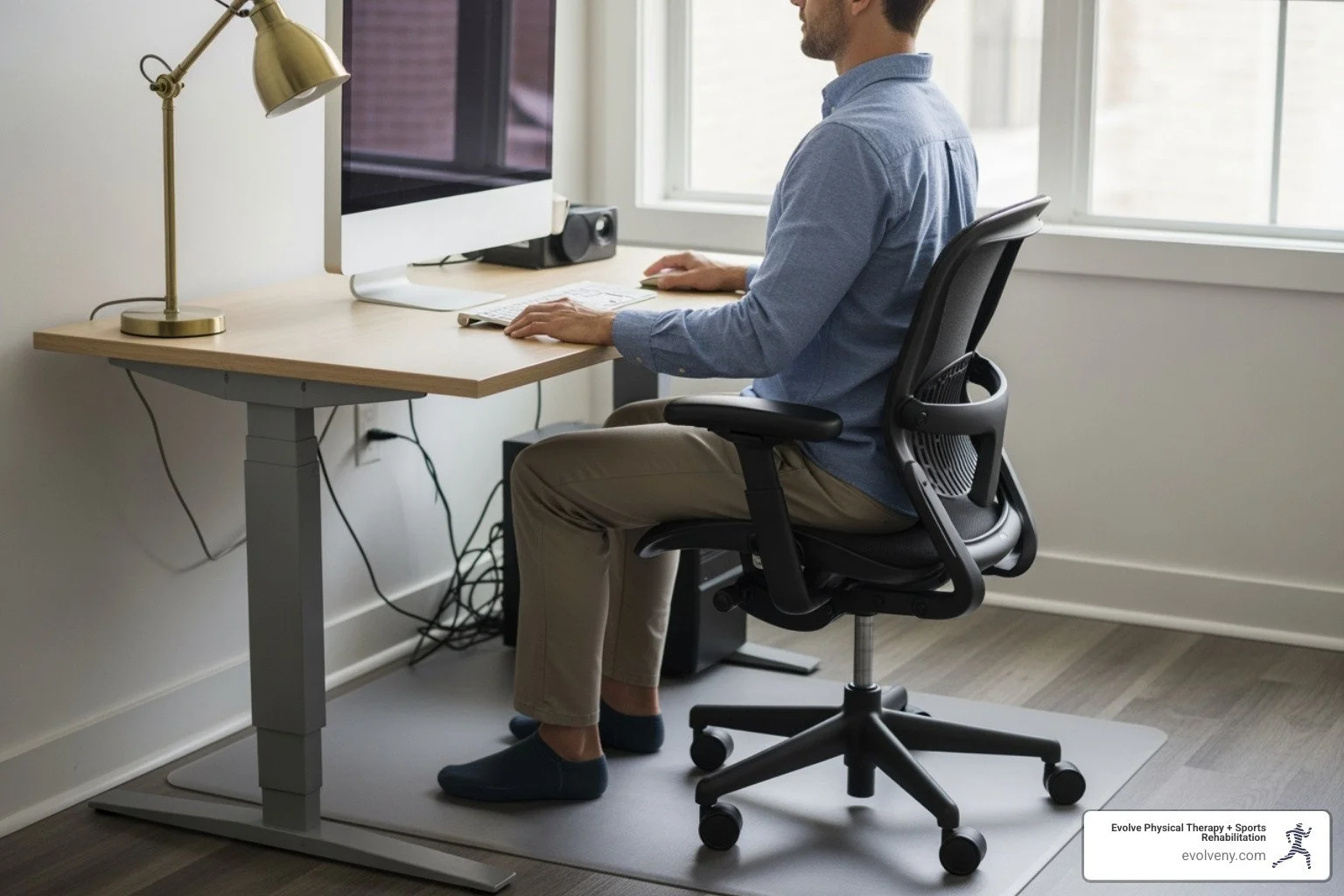
Desk posture ergonomics is the science of arranging your workspace to fit your body, reducing strain and preventing injury. If you experience back pain, neck stiffness, or fatigue from desk work, the solution often lies in optimizing how you sit, where you place your equipment, and how often you move.
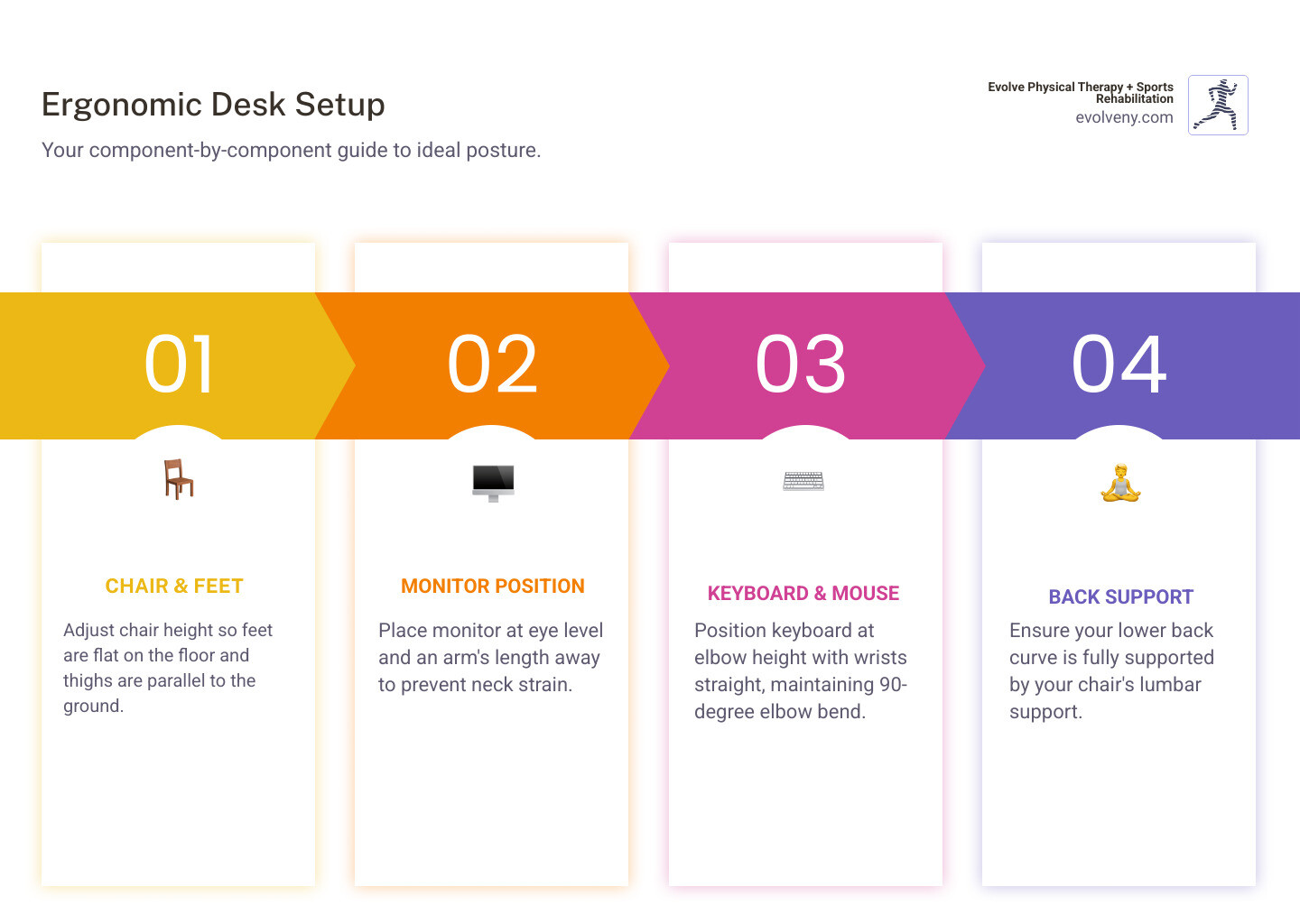
Essential Desk Posture Ergonomics Checklist:
- Chair height: Feet flat on the floor, thighs parallel to the ground
- Monitor position: Top of screen at or slightly below eye level, an arm's length away
- Keyboard placement: Elbows at 90 degrees, wrists straight
- Back support: The natural curve of your lower back is supported
- Movement: Take breaks every 50 minutes and stretch regularly
With many workers spending more than 50% of their workday seated, a modern epidemic of posture-related problems has emerged. For every inch your head moves forward from its proper alignment, an extra 10 pounds of weight is placed on your neck.
Poor desk ergonomics can lead to chronic pain, reduced lung capacity, and decreased productivity. The good news is that small adjustments to your workspace can deliver dramatic improvements.
As Lou Ezrick, founder of Evolve Physical Therapy, I've spent nearly two decades helping professionals overcome chronic pain caused by poor desk posture ergonomics. My experience shows that prevention through proper ergonomics is far more effective than treating problems after they develop.
The High Cost of Slouching: Health Risks of Poor Desk Posture
Poor desk posture ergonomics isn't just about appearances; it's about preventing a cascade of health problems. When you slouch, you put your body under chronic stress, and your spine will eventually protest.
Back pain is often the first complaint. Slouching places immense pressure on your spinal discs, potentially leading to degeneration or nerve compression. Neck strain follows as we crane our necks toward screens, causing tension and stiffness. This tension can also trigger debilitating headaches. If this is familiar, our approach to Physical Therapy for Headaches addresses these issues at their source.
Poor posture's effects are systemic. It can reduce your lung capacity by compressing your chest, leading to fatigue as less oxygen reaches your brain. Your digestive system is also affected; hunching over can cause acid reflux and bloating. The good news is that proper posture reverses these effects, leading to increased energy, improved focus, and a reduced risk of injury.
If you're already experiencing persistent back pain, our team specializes in Physical Therapy for Back Pain Brooklyn, helping people break the cycle of pain and poor posture.
The "Text Neck" Phenomenon at Your Desk
Here's a startling fact: for every inch your head moves forward from proper alignment, you add an extra 10 pounds of stress to your neck. A common three-inch forward lean means your neck muscles are supporting an extra 30 pounds.
This forward head posture, or "text neck," happens when we lean toward computer monitors. Your head, normally 10-12 pounds, suddenly feels like a bowling ball to your neck muscles. This creates constant tension and leads to muscle imbalances, where some muscles become tight and others weaken. Shoulder rounding often accompanies this, creating a hunched appearance that can become permanent.
The resulting spinal stress can contribute to everything from tension headaches to pinched nerves. Research, including studies on health risks of bad posture, confirms these are legitimate health concerns. If you're dealing with neck pain, our guide on Physical Therapy for Neck Pain and Neck Injuries offers valuable insights.
Beyond the Spine: System-Wide Effects
Poor posture affects more than just your back and neck by compressing your internal organs. Your digestive system is a primary casualty, as a compressed abdomen can slow digestion and cause acid reflux and bloating.
Your breathing capacity also suffers. Slouching compresses your chest cavity, making it difficult to take deep breaths. This reduces oxygen flow, contributing to chronic fatigue and brain fog. Poor circulation is another hidden consequence, leading to numbness and tingling in your limbs.
These factors create a storm of discomfort and reduced vitality. The good news is that with proper desk posture ergonomics, many of these issues can be prevented or reversed. For a deeper dive, see our post on Bad Office Posture.
The Blueprint for Comfort: Achieving Ideal Desk Posture
Proper desk posture ergonomics allows your body to feel supported and balanced, not like it's fighting gravity all day. The goal is to support your spine's natural curves while keeping your joints in a relaxed, neutral position.
The "90-90-90 rule" is a great starting point. It suggests keeping your hips, knees, and elbows bent at roughly 90-degree angles. This isn't about mathematical perfection but creating a foundation where your joints can rest comfortably without strain.
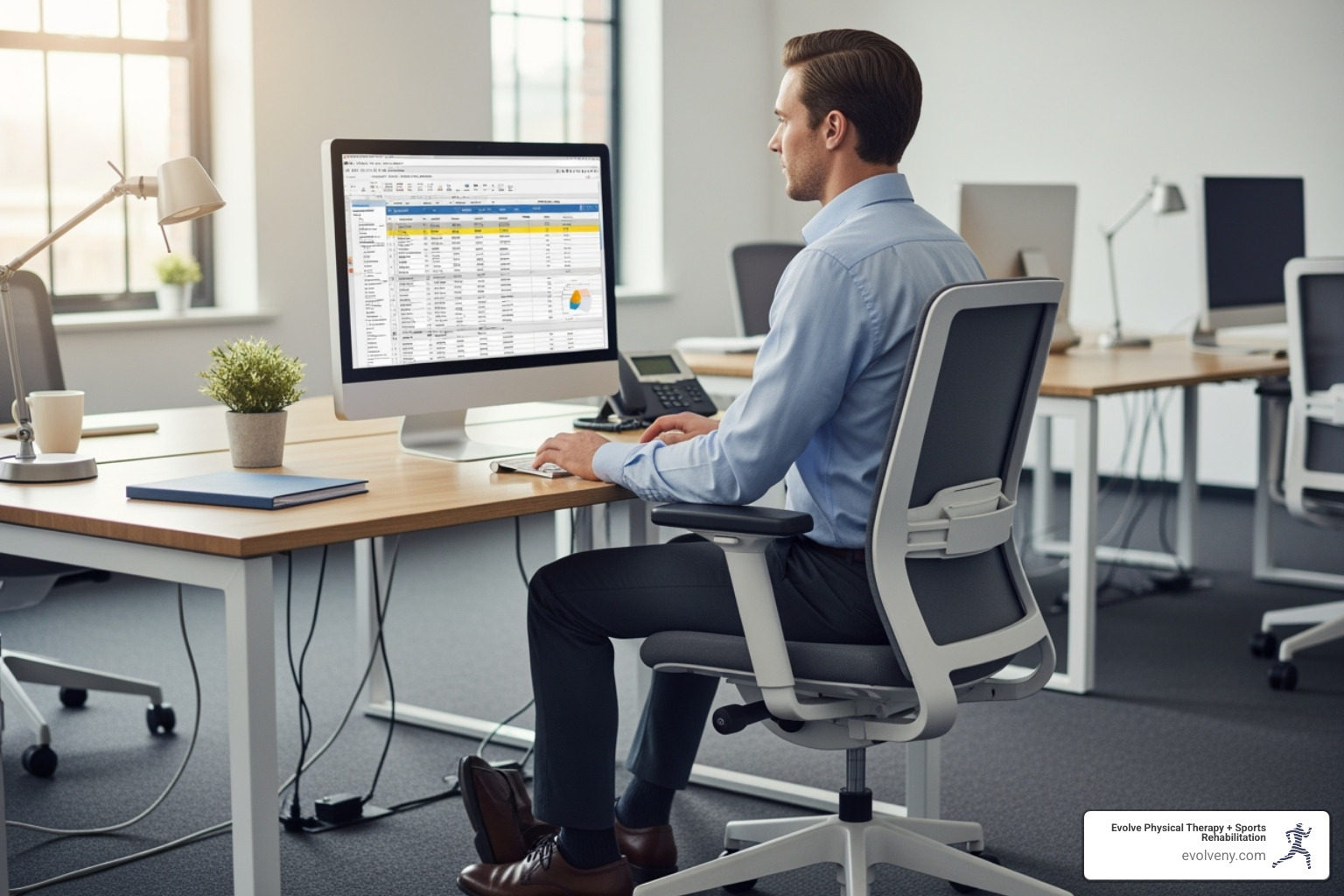
The real magic is maintaining your spine's natural S-curve. Slouching creates a C-shape that puts tremendous pressure on your discs and muscles. Your head should sit comfortably over your shoulders, and your shoulders should be relaxed and down. When everything aligns, your body works efficiently. For more guidance, see our guide on Ideal Computer Posture.
Head, Shoulders, Knees, and Toes: A Positional Checklist
Good desk posture ergonomics means getting every piece of the puzzle right. Here's a top-to-bottom checklist:
- Head alignment: Keep your ears directly over your shoulders with a slight chin tuck.
- Shoulders: Let them drop naturally, relaxed down and back.
- Elbows: Keep them close to your body, bent at about 90 degrees.
- Wrist position: Your wrists should be straight and neutral, as a natural extension of your forearms.
- Lower back: Use your chair's lumbar support to maintain its natural inward curve.
- Hips: Sit as far back in your chair as possible, with hips at about 90 degrees.
- Knees: Bend your knees at roughly 90 degrees, with two fingers' width of space between the back of your knees and the seat edge.
- Feet: Plant your feet flat on the floor. Use a footrest if they don't reach.
Following these guidelines will help you achieve the Best Posture for Desk Work for comfortable, productive days.
Your Ergonomic Toolkit: A Component-by-Component Setup Guide
Setting up your workspace correctly is the key to making good posture feel effortless. Your chair, monitor, keyboard, and mouse are the foundation of your daily comfort. Simple adjustments to what you already have can make a world of difference. For additional insights, the Mayo Clinic offers an excellent Office ergonomics guide from Mayo Clinic.
The Throne: Adjusting Your Chair
Your office chair is your primary support system. Getting its adjustments right is critical.
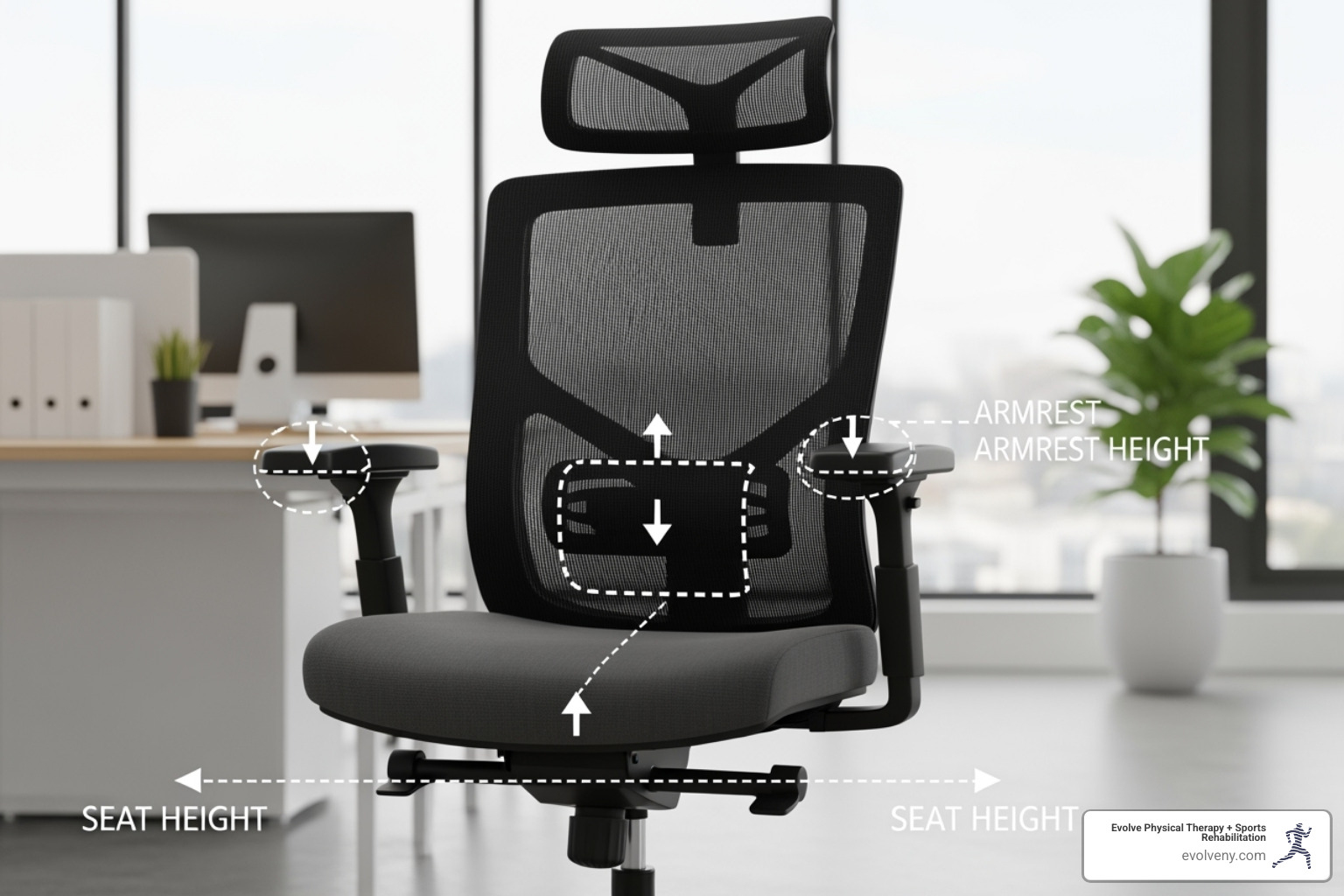
- Seat height: Adjust it so your feet are flat on the floor with your thighs roughly parallel to the ground.
- Seat depth: Sit all the way back, leaving two to four fingers' width of space between the seat edge and the back of your knees.
- Lumbar support: This should fit into the small of your back to maintain your spine's natural curve. A small pillow can work if your chair lacks support.
- Armrests: They should allow your arms to rest with relaxed shoulders. Adjust or remove them if they get in the way.
- Backrest angle: A slight recline of 100 to 110 degrees often feels better than a rigid 90-degree angle.
For more tips, explore our insights on the Best Ergonomic Way to Sit at Desk.
The Command Center: Positioning Your Monitor
Proper monitor placement can eliminate end-of-day neck stiffness.
- Monitor height: The top of your screen should be at or slightly below eye level. If you wear bifocals, you may need to lower it an extra inch or two.
- Distance: Position your monitor about an arm's length away. You should be able to read text clearly without leaning forward.
- Monitor angle: A slight backward tilt can reduce glare and create a more natural viewing angle. Position your screen perpendicular to windows to avoid glare.
These adjustments help prevent the forward head posture that leads to neck pain. For more tips, see our guide to Correct Computer Posture.
The Controls: Keyboard and Mouse Placement
Poor keyboard and mouse placement can cause wrist, elbow, and shoulder pain.
- Keyboard positioning: Center it directly in front of you. Your wrists should be straight, elbows bent at 90 degrees, and shoulders relaxed.
- Mouse placement: Keep it right next to your keyboard at the same height, within easy reach. Move your entire forearm, not just your wrist.
- Wrist rests: Use them for resting during pauses, not for active typing or mousing, to prevent nerve compression.
Proper setup is a fundamental part of desk posture ergonomics. Learn more about how physical therapy can help at Ergonomics and Physical Therapy.
Advanced Ergonomics: Common Mistakes and Special Considerations
Even with a good setup, subtle mistakes can undermine your desk posture ergonomics. Ergonomics isn't one-size-fits-all; your body and work are unique. Understanding these nuances is key, especially when creating a remote workspace. Our guide to Home Office Ergonomics offers specific strategies for this.
Top 5 Ergonomic Mistakes to Avoid
- Leaning forward: This causes "text neck" and back strain. Instead of leaning toward your work, bring your work to you.
- Dangling feet: This destabilizes your posture and strains your back. Use a footrest to ensure your feet are flat.
- Reaching for your mouse: Keep your mouse close enough to use with your elbow bent at 90 degrees.
- Crossing your legs: This twists your pelvis and can lead to hip imbalances and poor circulation. Keep both feet on the floor.
- Cradling your phone: This is a fast track to neck pain. Use a headset or speakerphone instead.
These simple fixes support your journey toward Good Posture for Office Workers.
Adapting Your Desk Posture Ergonomics for Laptops and Special Needs
Laptops are an ergonomic challenge because the screen and keyboard are attached. The solution is to treat it like a desktop: use a laptop stand to raise the screen to eye level and an external keyboard and mouse for neutral wrist positions.
Bifocal users should place their monitor 1-2 inches lower than the standard recommendation to avoid tilting their head back. For those with shorter legs, a footrest is essential equipment to maintain proper knee and thigh positioning when the chair is at the correct height for the desk.
The Truth About Alternative Seating and Other Desk Posture Ergonomics Myths
While some alternative seating options have benefits, many are not ideal for full-time use.
- Exercise balls: The lack of back support often leads to slumping and fatigue as your core tires. They are not recommended for all-day use.
- Kneeling chairs: These can relieve lower back pressure but may strain the shins and are best for short-term tasks.
- Standing desks: These are a promising alternative, but the key is to alternate between sitting and standing. Standing all day can cause its own set of problems.
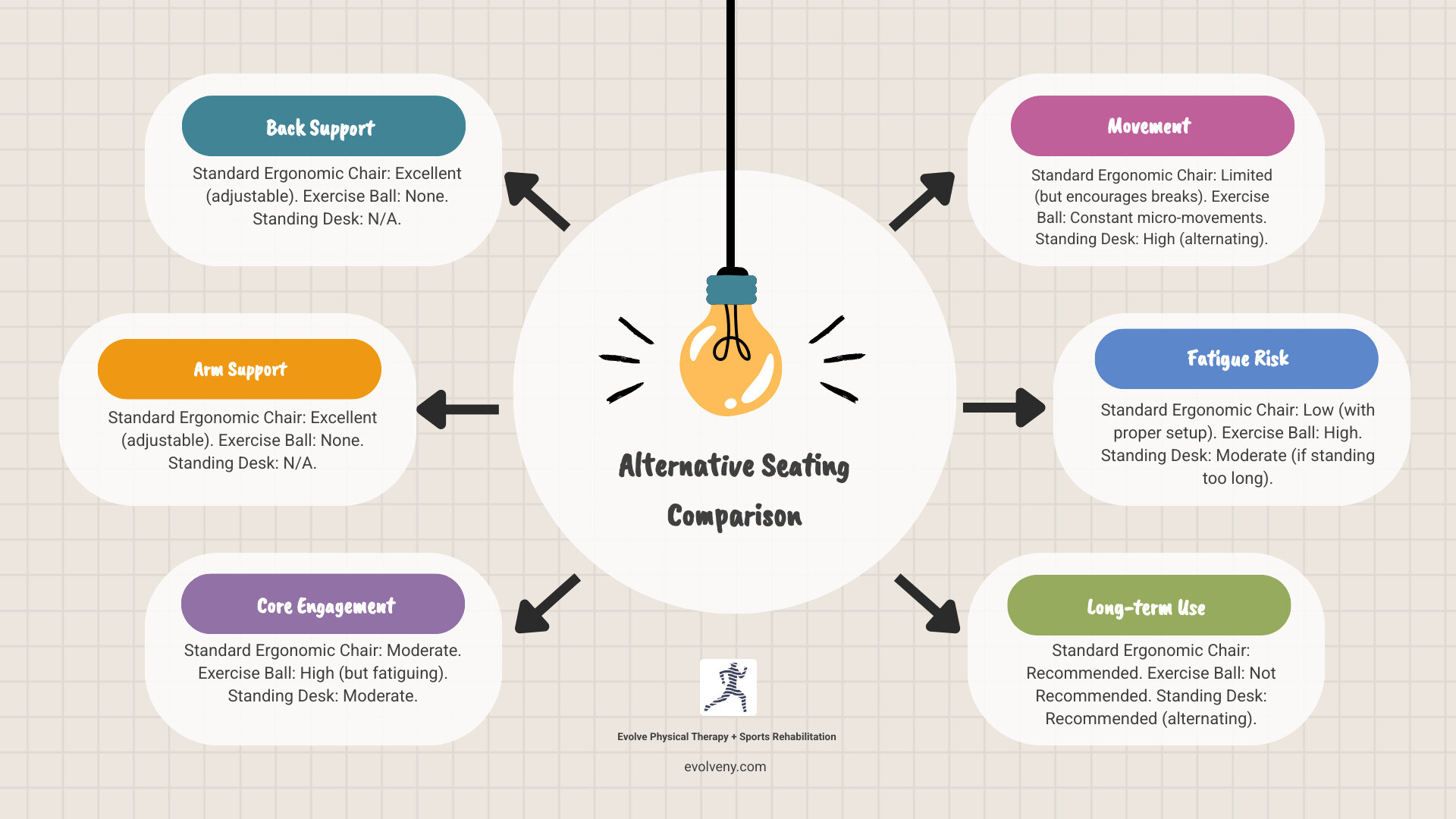
The most effective approach combines a properly adjusted ergonomic chair with regular movement and periods of standing.
The Active Desk: Why Movement is Your Best Medicine
Even with a perfect ergonomic setup, staying in one position for hours is harmful. Your body was designed for movement, not to hold a static pose. Just as you wake up stiff after sleeping in one position, you'll feel sore after sitting in one position all day.
The solution is the "active desk"—weaving movement into your workday. This means regular breaks, micro-stretches, and small bursts of activity. Movement boosts productivity by pumping fresh blood and oxygen to your brain.
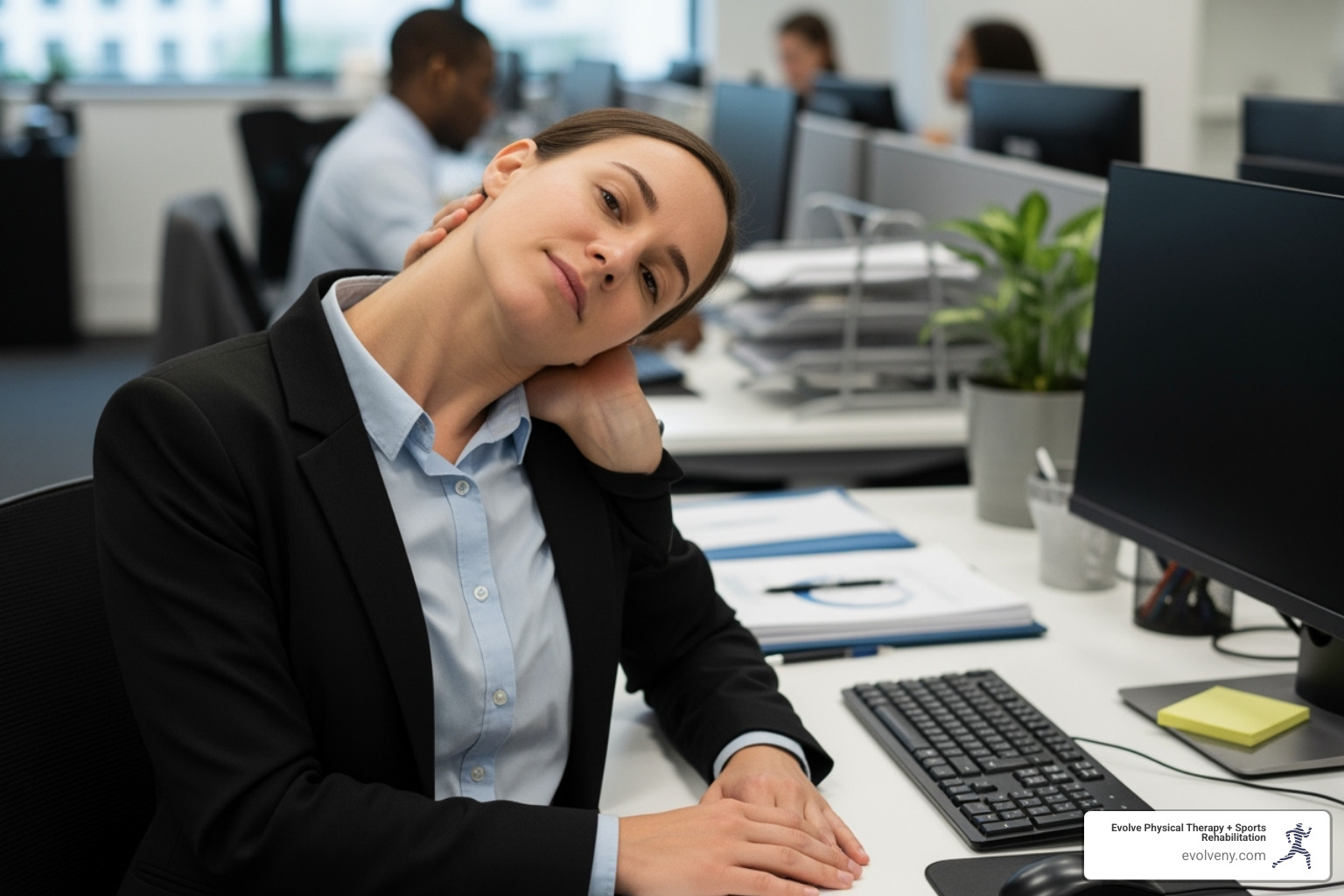
A good guideline is the 50-minute rule: for every 50 minutes of sitting, move for at least 10. Even micro-breaks of 30 seconds every 20-30 minutes can make a huge difference. Also, use the 20-20-20 rule for your eyes: every 20 minutes, look at something 20 feet away for 20 seconds to prevent eye strain.
As the NHS tips for sitting correctly emphasize, movement is as important as positioning.
Simple Stretches to Do at Your Desk
These simple stretches can be done right at your desk:
- Neck tilts: Gently bring your ear toward your shoulder, hold for 15-20 seconds, then switch sides.
- Shoulder rolls: Roll your shoulders forward and backward in slow circles to loosen knots.
- Overhead reaches: Lace your fingers, flip your palms up, and stretch toward the ceiling to wake up your torso.
- Torso twists: While seated, gently rotate your upper body to one side, using your chair for support.
- Wrist stretches: Extend one arm, palm up, and gently pull your fingers toward the floor. Repeat with the palm down.
- Chair squats: Stand up, then slowly lower yourself until you almost touch the seat. Hold, then stand back up. Repeat 5-10 times.
These movements are an essential part of smart desk posture ergonomics. Set a timer to make it a habit.
Frequently Asked Questions about Desk Posture Ergonomics
As a physical therapist, I frequently answer questions about workplace-related pain. Here are some of the most common ones we hear in our Brooklyn clinics.
How often should I take a break from sitting?
The key is to change positions regularly. Your body wasn't designed to stay in one pose for hours.
Follow the 50-minute rule: don't sit for more than 50 minutes without getting up to move for 5-10 minutes. Even better, incorporate micro-breaks. Every 20-30 minutes, take 30 seconds to stretch or shift your position.
Don't forget the 20-20-20 rule for your eyes: every 20 minutes, look at something 20 feet away for 20 seconds. This gives your eyes and neck a much-needed break.
Can physical therapy fix my bad posture from sitting?
Absolutely. By the time you're experiencing pain, you've likely developed muscle imbalances and joint stiffness that need professional attention.
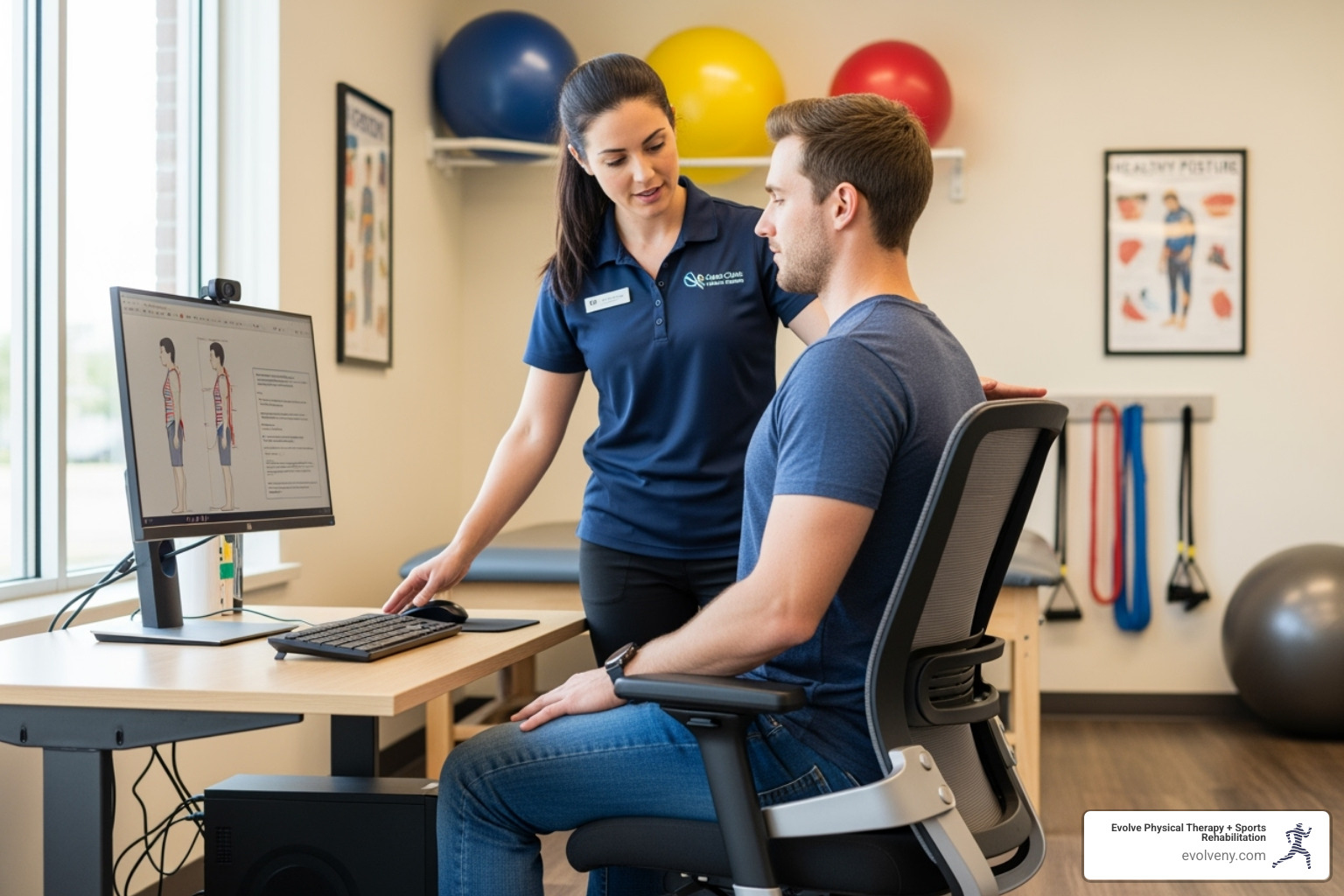
At Evolve Physical Therapy, we start with a thorough assessment to find the root cause of your issues. Our approach combines manual therapy to release tight muscles and restore joint mobility with targeted exercises to strengthen the muscles that support good posture.
Posture retraining is a key part of what we do, helping you develop body awareness for better alignment throughout your day. We can also help you optimize your desk posture ergonomics. Once you understand what your body needs, you'll have the tools to maintain healthy posture for life. Learn more about our Physical Therapy for Posture Training services.
What is the most important ergonomic adjustment I can make first?
If you're feeling overwhelmed, start with one thing: getting your feet flat on the floor.
Adjust your chair height so your feet rest completely flat on the floor (or a footrest). Your knees should be bent at roughly 90 degrees, with thighs parallel to the ground. This creates a stable base for your entire body.
When your foundation is solid, everything else becomes easier to correct. Think of it like building a house—you have to start with the foundation.
Conclusion: Take Control of Your Comfort and Health
Mastering desk posture ergonomics is an ongoing process. Every small adjustment you make is an investment in your long-term well-being. The beauty of ergonomics is its simplicity: support your natural spinal curves, keep joints neutral, position your equipment correctly, and most importantly, move regularly.
Small changes create big results. Raising your monitor might eliminate neck pain, while adjusting your chair could end afternoon back stiffness.
If simple adjustments aren't enough, don't ignore persistent pain. At Evolve Physical Therapy + Sports Rehabilitation, our hands-on approach addresses the root causes of your discomfort. We create personalized plans to help you find lasting relief from neck tension, headaches, or backaches.
We proudly serve families and professionals throughout Brooklyn, from Marine Park to Park Slope and Gravesend to Midwood. Our patients often find that addressing their workplace ergonomics is life-changing, improving their overall quality of life.
Your health is worth the investment. Take the first step today, whether it's adjusting your chair or reaching out for professional guidance. Learn more about our ergonomic physical therapy services in Brooklyn and find how we can help you evolve toward a pain-free future.
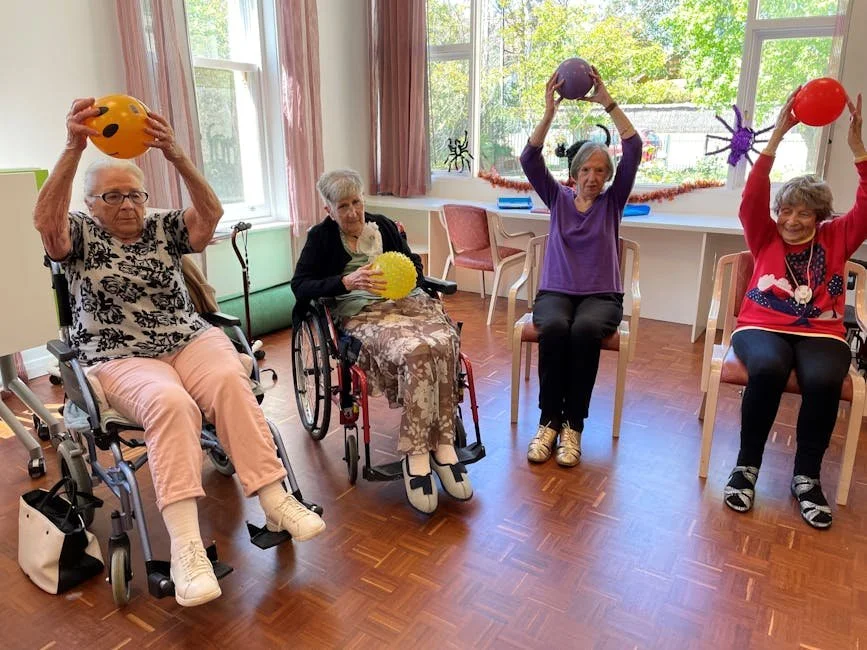
Step Up Your Game with Mobility Exercises for Seniors
Why Staying Mobile is Your Gateway to Independent Living

Elderly mobility exercises are specialized movements designed to improve strength, balance, flexibility, and endurance in older adults. These simple activities can dramatically reduce fall risk, ease daily tasks, and help you maintain the independence you value. As we age, our bodies naturally lose muscle mass and flexibility, but regular movement can slow or even reverse many of these changes.
Key Benefits of Elderly Mobility Exercises:
- Reduce fall risk by 35-45% through improved balance and coordination
- Maintain daily independence by making tasks like getting out of bed or climbing stairs easier
- Manage chronic conditions like arthritis through improved circulation and reduced stiffness
- Strengthen bones and muscles to combat age-related decline
- Boost mental health and cognitive function
Falls affect 35-45% of seniors annually, with over 800,000 requiring hospitalization. Most are preventable through targeted exercises that address declining strength, balance, and mobility.
I'm Lou Ezrick, a licensed physical therapist with nearly two decades of experience. At Evolve Physical Therapy, I've seen how the right elderly mobility exercises transform lives, helping seniors stay active, confident, and living on their own terms.
Why Mobility is Your Key to a Vibrant Life
Mobility is your personal freedom pass—the ability to move comfortably without pain. It's what lets you reach for a high shelf, tend your garden, or get out of bed with ease.
A major concern for older adults is falls, often caused by deconditioning from inactivity. The good news is that this is preventable. Elderly mobility exercises build a protective shield against falls by improving balance and coordination, giving you the confidence to move freely.
The benefits extend beyond fall prevention. Regular movement improves quality of life by making daily tasks easier and reducing joint stiffness, which is a great relief for those with arthritis. It also boosts improved cognitive function and provides the satisfaction of staying independent.
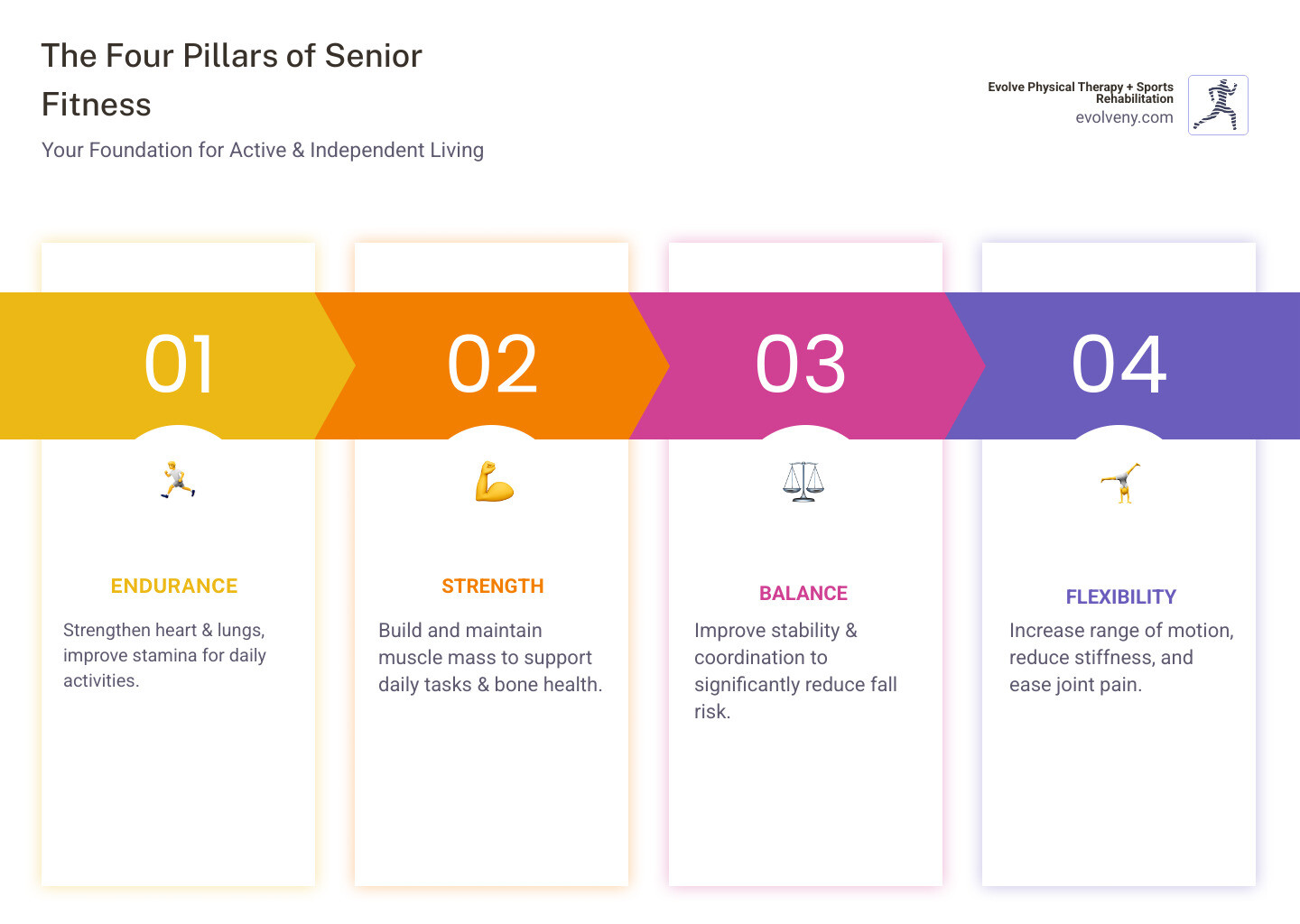
The Four Pillars of Senior Fitness
The CDC recommendations highlight four essential types of movement:
- Endurance: Keeps your heart and lungs strong for activities like walking or swimming.
- Strength: Fights age-related muscle mass loss, making it easier to carry groceries or stand up from a chair.
- Flexibility: Keeps joints moving freely, reduces stiffness, and helps lower the increased risk for osteoporosis.
- Balance: Your best defense against falls, improving stability with regular practice.
The CDC suggests 150 minutes of moderate activity weekly, plus strength and flexibility work twice a week. We'll show you how to make this manageable.
The Critical Link Between Balance and Flexibility
Balance and flexibility are interconnected. Good flexibility allows your body to adjust to uneven surfaces, preventing falls. A shoulder flexibility decline study shows we lose shoulder mobility each decade, but exercise can combat this. When your joints move freely, your body coordination and spatial awareness work together to keep you stable, building confidence in movement.
Getting Started: Safety First and Always

Before starting any elderly mobility exercises, the non-negotiable first step is consulting with your doctor or a licensed physical therapist. They can tailor a plan to your health history and needs, a step emphasized by the National Institute on Aging.
Once you have approval, set yourself up for success:
- Warm-up: Prepare your body with a few minutes of light cardio, like marching in place or arm circles.
- Cool-down: After exercising, help your heart rate return to normal and prevent stiffness with gentle stretches or slow walking.
- Proper clothing and hydration: Wear loose-fitting clothes and keep a water bottle handy.
- Listen to your body: Understand the difference between the mild discomfort of working muscles and sharp pain, which is a signal to stop immediately.
Exercises Seniors Should Approach with Caution or Avoid
While staying active is key, some exercises carry unnecessary risks. Be cautious with or avoid:
- High-impact exercises: Long-distance running or jumping can be hard on the joints.
- Heavy weightlifting: This includes deadlifts, full squats with heavy weights, and bench press exercises, which can strain the back, knees, and shoulders.
My golden rule is to stop any exercise causing sharp pain. Safer alternatives exist for nearly every risky exercise. For example, try wall push-ups instead of bench presses, and chair squats instead of weighted deep squats. The goal is to build strength and mobility without risking injury.
10 Foundational Elderly Mobility Exercises
Now, let's explore some of the most effective elderly mobility exercises to transform your daily life. These movements target key areas for maintaining independence. Think of them as your daily toolkit; you don't need to do them all every day. Start with a few and build your routine gradually, as consistency is more important than intensity.
Flexibility and Stretching: Your Foundation for Movement
These gentle stretches improve flexibility, helping you move with less stiffness. Hold each stretch for 10-30 seconds while breathing deeply.
Overhead Side Stretch: Ideal for improving reach. Stand or sit tall. Raise both arms overhead, clasping your hands. Gently lean to one side, feeling a stretch along your opposite side. Keep your shoulders relaxed. This improves flexibility in your shoulders, upper back, and torso.
Neck and Shoulder Stretches: These release common tension. Neck Turns: Gently look over one shoulder, hold, and repeat on the other side. Ear-to-Shoulder: Gently tilt your head, bringing your ear toward your shoulder. Shoulder Rolls: Roll shoulders forward, then backward. These movements improve posture and range of motion. For a visual guide, see this neck and shoulder mobility video.
Hamstring Stretch: Seated: Sit on a chair's edge with one leg extended, heel on the floor. Lean forward from your hips with a straight back until you feel a stretch. Standing: Place one heel on a low step, keep the leg straight, and lean forward from the hips. This stretch targets muscles that get tight from sitting, which helps walking and lower back health.
Ankle Rotations: Crucial for balance. Sit in a chair and lift one foot. Gently rotate your ankle in slow circles, clockwise then counter-clockwise. Repeat on the other foot. This improves ankle mobility, which is vital for stability and fall prevention.
Strength Training: Building a Resilient Body
Strength training makes daily tasks easier and keeps bones healthy. Aim for 8-12 repetitions, working up to 2-3 sets as you get stronger.
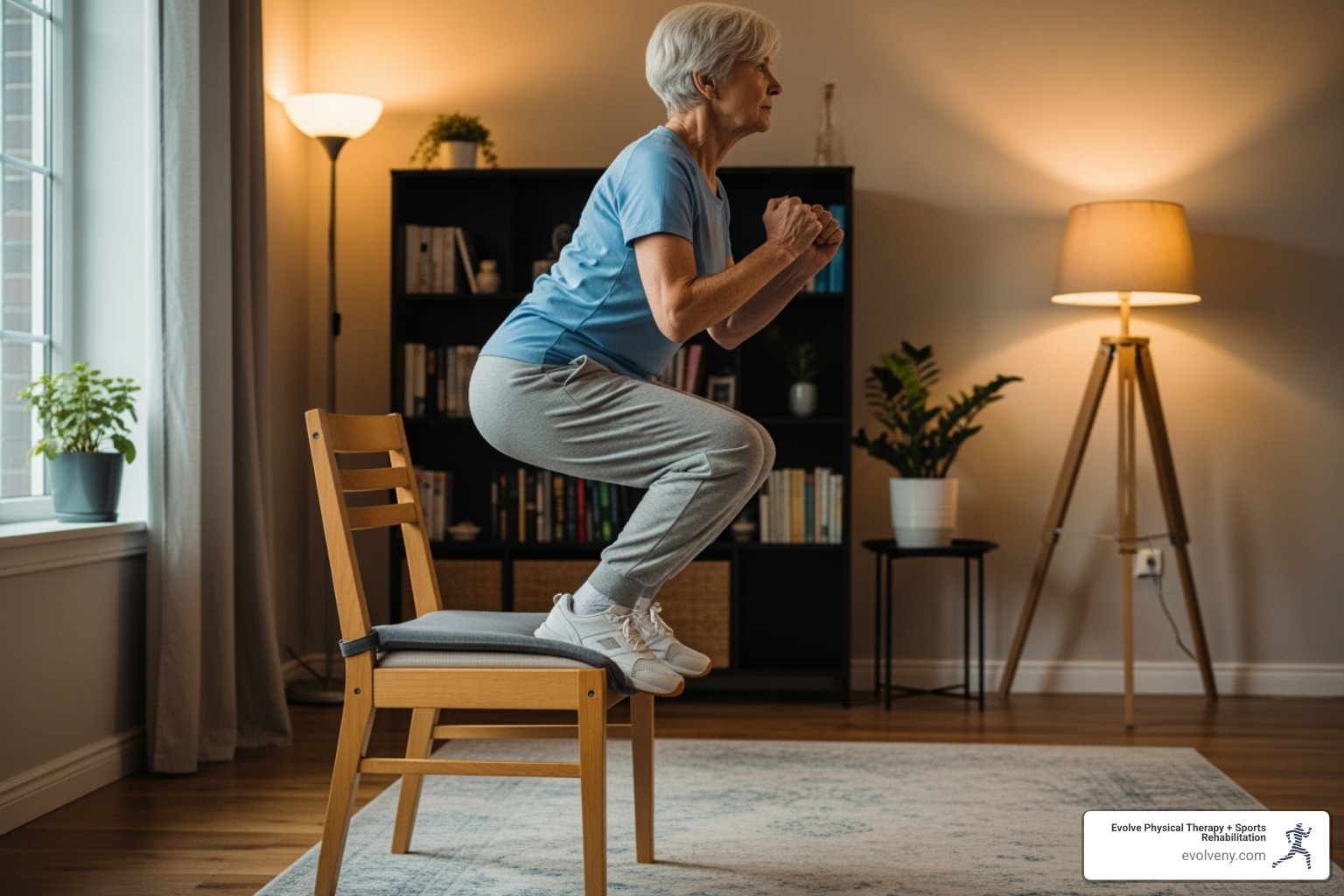
Chair Squats: A highly practical exercise. Sit on the edge of a sturdy chair, feet shoulder-width apart. Push through your heels to stand up, keeping your back straight. Slowly lower yourself back down. This strengthens your legs and glutes, making it easier to get out of chairs and cars. The sit to stand exercise benefits are significant for functional mobility.
Wall Push-ups: A joint-friendly alternative to traditional push-ups. Stand arm's length from a wall. Place hands on the wall, slightly wider than your shoulders. Lean in, bending your elbows while keeping your body straight. Push back to the start. This strengthens the chest, shoulders, and triceps for pushing and lifting.
Glute Bridges: Excellent for glutes and back health. Lie on your back, knees bent, feet flat on the floor. Lift your hips until your body is in a straight line from shoulders to knees. Hold, then slowly lower. This strengthens glutes and hamstrings, which are vital for walking and supporting the lower back.
Seated Row with Resistance Bands or Light Weights: Improves posture and pulling strength. Sit tall in a chair with a resistance band looped around your feet or holding light weights. Start with arms extended. Pull your elbows back, squeezing your shoulder blades together. Slowly return. This strengthens your upper back and biceps.
Balance Boosters: Essential Elderly Mobility Exercises for Fall Prevention
Balance improves with practice. These exercises challenge your stability. Always have a sturdy chair or wall nearby for support.
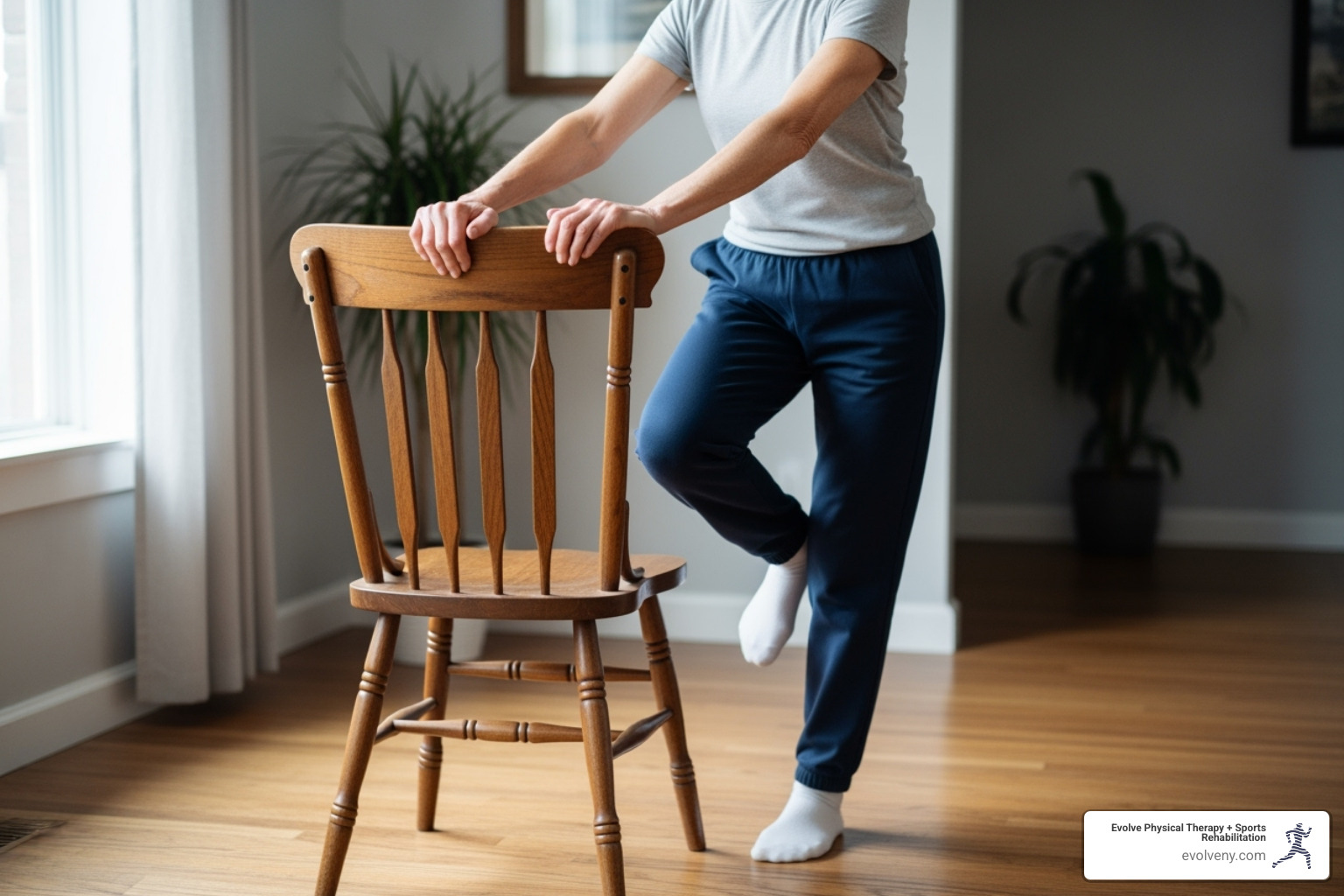
Single-Leg Stance: A highly effective balance exercise. Stand next to a sturdy chair for support. Slowly lift one foot, bending the knee, and hold for 10-30 seconds. Repeat on the other side. As you improve, rely less on the support. This strengthens thighs and key stabilizer muscles.
Heel-to-Toe Walk: Improves dynamic balance. In a clear space, walk by placing the heel of one foot directly in front of the other's toes. Gaze forward, not down. Take 10-15 steps, using a wall for support if needed. This is essential for steady walking.
Tree Pose with Chair Support: A gentle yoga pose for balance. Stand next to a chair for support. Shift your weight to one foot and place the sole of your other foot on your standing ankle or calf (avoid the knee). Focus on a spot in front of you. Hold for 10-30 seconds, then switch sides. This strengthens the standing leg.
Side Leg Raises: Targets key muscles for walking stability. Stand behind a chair for support. Slowly lift one leg straight out to the side, keeping your torso upright. Lift only as high as is comfortable and controlled. Lower slowly. Repeat 10-15 times, then switch sides. This strengthens hip abductor muscles to prevent wobbling.
Fun and Engaging Ways to Improve Mobility
Staying mobile doesn't have to feel like work. The most effective elderly mobility exercises are often the ones that bring joy into your day. When movement is enjoyable, consistency becomes effortless.
Consider these fun options:
- Gentle stretching or chair yoga classes: These are welcoming, non-intimidating spaces to move at your own pace, with the security of a chair for support.
- Group movement classes: Connecting with others adds motivation. Water aerobics is a great option, as the water supports achy joints while providing resistance.
- Light dancing: Put on your favorite music! Dancing is a fantastic way to improve coordination and balance while lifting your spirits.
- Walking groups: Turn a simple stroll into a social event, strengthening your legs and heart while you chat.
- Tai Chi-inspired movement: These slow, flowing movements are highly effective for improving balance and flexibility.
The most valuable guidance often comes from activities led or recommended by a physical therapist. At Evolve Physical Therapy, we see how personalized, enjoyable programs transform mobility and confidence.
Frequently Asked Questions about Elderly Mobility Exercises
Here are answers to some of the most common questions about elderly mobility exercises.
How often should a senior perform mobility exercises?
The CDC recommends 150 minutes of moderate activity per week for adults 65 and older. This can be broken into 30 minutes five days a week, or even shorter 10-15 minute sessions.
- Strength and flexibility: Aim for at least 2 days per week.
- Balance: Aim for 3 days per week to reduce fall risk.
Consistency beats intensity. Starting with 5-10 minutes of gentle movement daily is better than one long, infrequent workout. Start slow, gradually build up, and even light activities like gardening or stretching during TV time count.
Can these exercises help with arthritis pain?
Yes. Contrary to the belief that movement worsens arthritis, regular, gentle elderly mobility exercises are highly effective for managing symptoms.
- Improved circulation: Movement delivers nutrients to your joints and helps flush out inflammatory waste.
- Reduced stiffness: Gentle stretching prevents the stiffness that comes from inactivity and helps maintain range of motion.
- Stronger support: Strengthening the muscles around a joint provides better support and takes pressure off the joint itself.
Many of these exercises are low-impact (e.g., water aerobics, chair exercises), putting minimal stress on joints. Always listen to your body; mild discomfort is normal, but sharp pain is a signal to stop.
What if I use a walker or have very limited mobility?
Movement is beneficial regardless of your current mobility level.
- Chair exercises are powerful: You can do many strength, flexibility, and cardio exercises from a seated position, such as seated rows, ankle rotations, and shoulder stretches.
- Use your walker as a tool: A walker can provide stability for standing exercises like marches in place, side leg lifts, or calf raises. Ensure the brakes are locked if applicable.
Even small, controlled movements help prevent deconditioning (the weakening from inactivity). Consulting a professional is invaluable here. A physical therapist can create a safe, personalized program of elderly mobility exercises custom to your abilities. The goal is to maintain your quality of life, and every movement is a victory.
Conclusion: Your Path to Better Mobility Starts Now
You now have the tools—from foundational exercises to safety tips—to transform your daily life with elderly mobility exercises. The benefits are life-changing: reduced fall risk, less arthritis pain, stronger muscles, and the confidence that comes with independence.
Your body is adaptable at any age, and consistency is your secret weapon. Start with just five minutes a day; these small steps build lasting change. Think of movement as medicine. The right exercises can be more powerful than many medications, with only positive side effects.
At Evolve Physical Therapy + Sports Rehabilitation, we see these changes daily across our Brooklyn community, from Marine Park to Park Slope. Our hands-on, personalized approach helps seniors regain strength and confidence. Physical therapy isn't just for recovery; it's about preventing problems before they start. Our specialized programs, like the NBC News-featured Rock Steady Boxing for Parkinson's, show how targeted, enjoyable movement can make all the difference.
Your journey to better mobility and improved quality of life starts with the first step. Your future self—walking confidently and living independently—is waiting.
Learn more about physical therapy for seniors and find how personalized care can accelerate your progress toward better mobility and lasting independence.

How Seniors Can Strengthen Their Core and Confidence
Why Core Strength Matters More as You Age
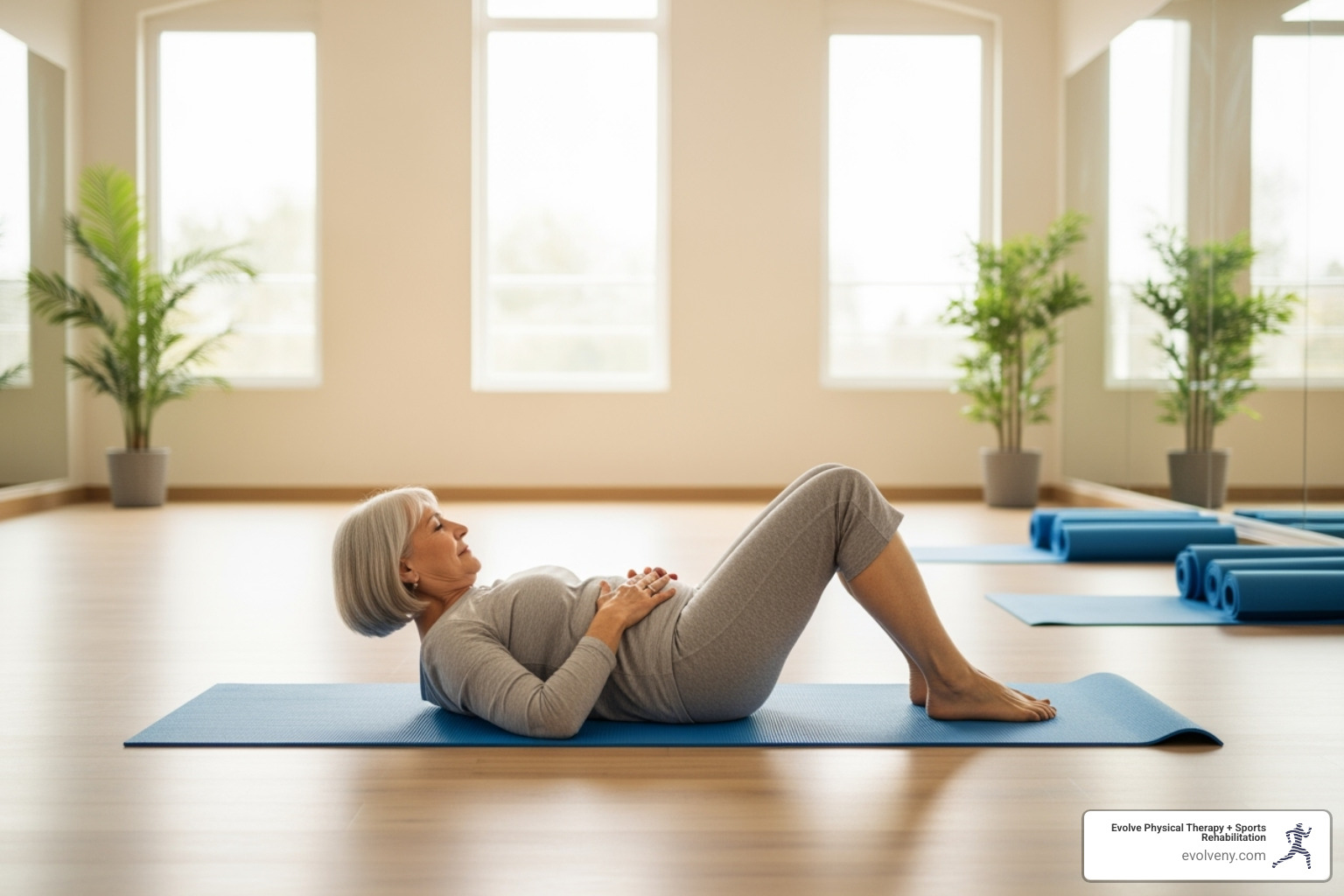
Core strength for seniors is not just about having a flat stomach; it's the bedrock of your ability to move safely, maintain balance, and live an independent, active life. As we age, preserving this strength becomes one of the most important things we can do for our overall health and well-being.
Quick Answer: The Best Approach to Core Strength for Seniors
- Start with seated exercises like belly breathing and pelvic tilts to build a foundational connection.
- Progress to standing movements using a chair or wall for support to improve balance.
- Practice 2-3 times per week, prioritizing proper form and control over speed or intensity.
- Focus on functional strength that directly translates to easier and safer daily tasks.
- Avoid high-risk movements like traditional sit-ups and crunches that can strain the neck and back.
The statistics on senior falls are alarming: in the United States, a senior falls every 12 seconds. This equates to one in four adults over 65 experiencing a fall each year. Tragically, about 20% of these falls result in serious injuries such as broken bones or head trauma, which can drastically alter one's quality of life. Beyond the physical injury, the fear of falling can lead to a cycle of inactivity, which further weakens muscles and increases fall risk.
However, there is powerful, proactive step you can take. Research has shown that regular core strengthening can reduce fall rates by up to 24% among older adults. This is where understanding your core becomes crucial.
Your core is far more than just your "abs." It's a sophisticated system of deep and superficial muscles that form a 360-degree support structure around your trunk. This includes:
- Abdominals (Rectus Abdominis, Transverse Abdominis): These muscles in the front help you bend forward and, more importantly, the deep transverse abdominis acts like a natural corset, stabilizing your spine.
- Obliques (Internal and External): Located on your sides, these are essential for twisting and side-bending movements.
- Lower Back Muscles (Erector Spinae, Multifidus): These run along your spine and are vital for maintaining an upright posture and controlling backward bending.
- Glutes (Gluteus Maximus, Medius, Minimus): Your buttock muscles are a powerhouse for hip extension and stabilization, which is critical for walking, climbing stairs, and getting up from a chair.
- Pelvic Floor: This sling of muscles at the base of your pelvis supports your organs and works in concert with your diaphragm and deep core muscles to regulate internal pressure and stabilize the spine from below.
Starting around age 30, we all begin to experience a natural decline in muscle mass, a condition known as sarcopenia. We can lose 3-8% of our muscle mass each decade, and this rate accelerates after age 60. The core muscles are particularly susceptible to this age-related weakening, which can lead to a cascade of problems: poor posture, chronic back pain, and a dangerous loss of balance.
A strong core counteracts this decline. It provides the stability to walk confidently on uneven sidewalks, improves your posture to alleviate backaches, and gives you the power to perform daily activities—like getting out of a chair or bending to tie your shoes—with ease and without fear. It is the fundamental component that empowers you to remain active and self-sufficient.
I'm Lou Ezrick, founder of Evolve Physical Therapy. With nearly two decades of experience in Brooklyn, I've dedicated my career to helping thousands of patients, especially seniors, reclaim their strength and confidence. At Evolve, we don't just give you a sheet of exercises. We use a hands-on, manual therapy approach to identify the root cause of your weakness or pain. We then build a personalized, progressive program focused on core strength for seniors that delivers sustainable, real-world results. Our goal is to move you beyond the clinic and back to a life of capability and independence.
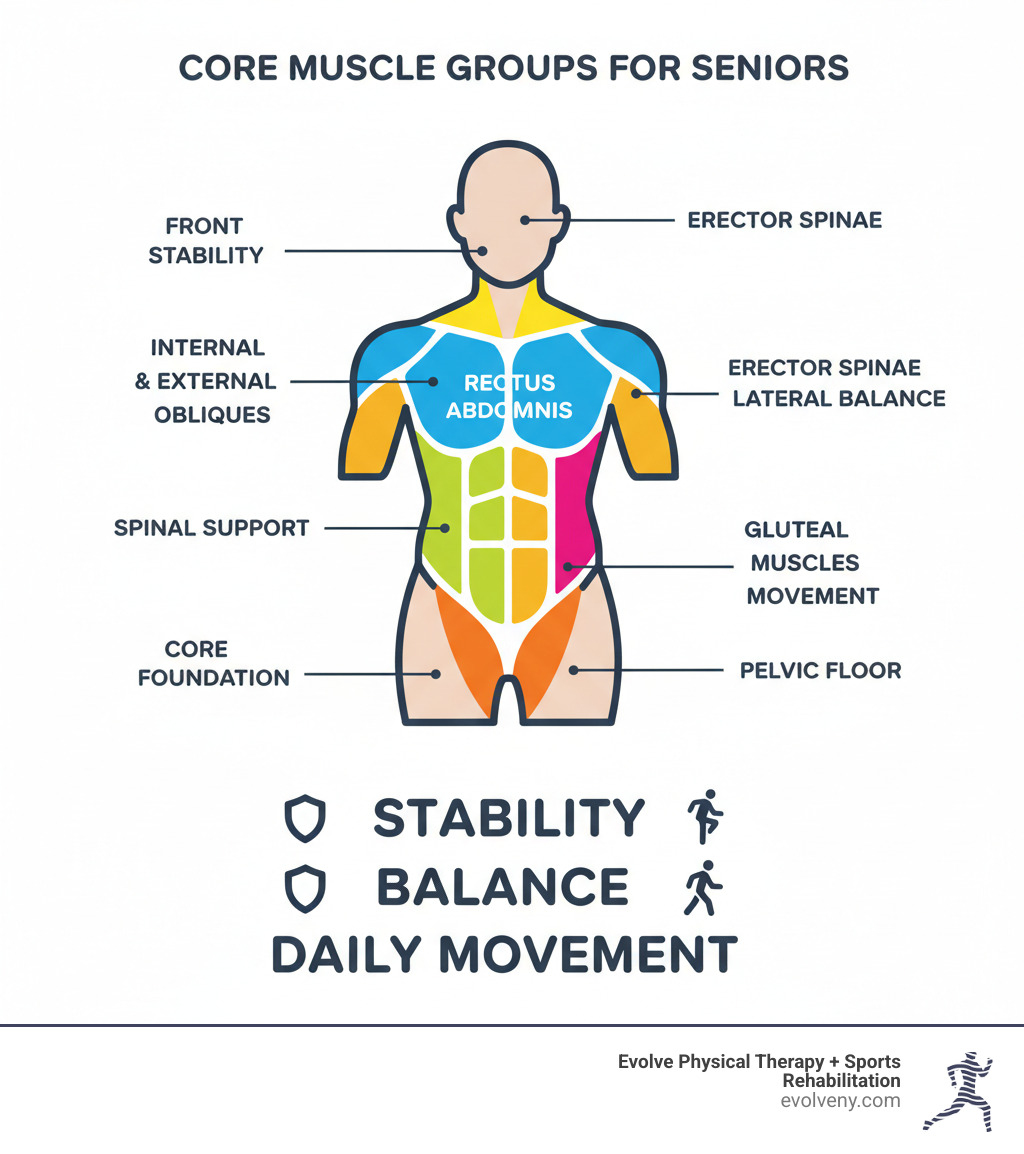
Why a Strong Core is Your Foundation for Healthy Aging
Think of your core as the central hub of your body, the foundation of a house. When that foundation is solid, the entire structure is more stable, resilient, and functional. For seniors, reinforcing this foundation is the key to aging with strength, grace, and independence.
The most immediate and life-changing benefit of building core strength for seniors is a dramatic improvement in balance and coordination. Your ability to stay upright is a complex dance between your muscles, your brain's sense of body position (proprioception), and your inner ear's vestibular system. A strong, engaged core provides a stable center of gravity, giving these systems a reliable platform to work from. Research confirms that core stability training significantly improves weight distribution and steadiness in older adults, which directly translates to better balance during both static (standing still) and dynamic (walking) activities.
This improved balance is your number one defense against falls. While the statistic that core exercises can reduce fall rates by up to 24% is impressive, the real-world impact is even more profound. A strong core allows you to make rapid, subconscious adjustments to catch yourself if you trip or lose your footing. It helps break the vicious cycle of fear-of-falling, where a fear of getting hurt leads to decreased activity, which in turn causes more muscle weakness and a higher actual risk of falling. For more in-depth strategies, our guide on physical therapy for fall prevention offers a comprehensive look at staying steady on your feet.
Beyond fall prevention, a strong core is a powerful antidote to chronic back pain. Many older adults suffer from back pain because weak abdominal muscles cause the pelvis to tilt forward, increasing the sway in the lower back and compressing the spinal joints. By strengthening your core muscles, you create a natural "internal corset" that supports your spine. This muscular brace offloads pressure from the vertebrae and discs, corrects postural imbalances that contribute to pain, and reduces the chronic strain on your back muscles. As noted by Harvard Health, strengthening your core is essential for providing this spinal support and combating the tendency to slouch.
Perhaps the most rewarding benefit is how a robust core makes everyday life easier and more enjoyable. These are not small feats; they are the cornerstones of independence. Consider the biomechanics:
- Getting out of a chair: A strong core engages first, stabilizing your trunk so your legs can powerfully and safely push you to a standing position without straining your back.
- Bending to tie shoes: Your core muscles hold your spine in a safe, neutral position, allowing you to bend from the hips and preventing painful disc or muscle strain.
- Carrying groceries: Your core acts as a rigid lever, transferring the load from your arms through your body and into your legs, protecting your spine from dangerous twisting or compression.
- Climbing stairs: A stable core provides the anchor point for your hip flexors and glutes to work efficiently, making each step smoother and less taxing.
These daily victories add up to something invaluable: the freedom to live life on your own terms. It's the confidence to play with your grandchildren, the ability to pursue hobbies like gardening, and the peace of mind that comes from moving through your day without pain or worry. At Evolve Physical Therapy, we see this change every day. When our senior patients commit to building their core strength, they aren't just doing exercises—they are rebuilding the foundation for a more active, engaged, and joyful life.
The Best and Safest Exercises for Core Strength for Seniors
When it comes to building core strength for seniors, the principle of "do no harm" is paramount. Not all exercises are created equal, and many popular core workouts designed for younger athletes can be ineffective or even dangerous for older adults. At Evolve Physical Therapy, our approach prioritizes safety and functional effectiveness, ensuring your efforts build you up without the risk of injury.
The key is to choose exercises that stabilize the spine rather than repeatedly flexing or twisting it under load. Let's compare some common exercise types to understand why certain movements are safer and more beneficial for seniors.
| Exercise Type | Safe for Seniors (Examples) | Risky for Seniors (Examples) | Why It's Risky for Seniors |
|---|---|---|---|
| Spinal Flexion | Seated Marches, Pelvic Tilts (Lying or Seated), Modified Plank | Full Sit-Ups, Double Leg Lifts, Abdominal Crunches | Puts significant strain on the neck muscles, causes excessive rounding (flexion) of the lumbar spine which can compress discs, and often over-activates the hip flexors instead of the deep core. |
| Spinal Rotation | Seated Trunk Twists (Gentle), Standing Unweighted Wood Chops | Weighted "Russian" Twists, Fast-Paced Twisting Crunches | Can create dangerous shearing forces on the vertebrae and spinal discs, especially for those with arthritis or degenerative disc disease. Rapid, uncontrolled twisting is a common mechanism for back injury. |
| Static Stability | Bird-Dog, Bridge, Wall Push-Ups, Modified Plank (on knees or forearms) | Advanced Plank Variations (e.g., with leg lifts), Exercises on Unstable Surfaces (initially) | These require a high level of foundational strength. Attempting them too early can lead to poor form, compensation with the wrong muscles (like the lower back), and potential strain or injury. |
The primary reason we advise against exercises like sit-ups and crunches is the high risk of neck and back strain. When you pull on your head to lift your shoulders off the floor, you place immense pressure on the delicate cervical spine. Furthermore, the repetitive forward-bending motion can exacerbate conditions like osteoporosis or spinal stenosis.
The goal of senior core training should be to create stability. Think of your core's job as preventing motion, not creating it. It needs to hold your spine steady while your arms and legs move. This principle—"proximal stability for distal mobility"—is the foundation of safe and functional movement. A stable core allows you to reach, lift, and walk with control and without putting your spine at risk.
This is why consulting a professional is so important. A physical therapist at Evolve Physical Therapy in Brooklyn can do much more than hand you a list of exercises. We conduct a thorough assessment to understand your unique physical condition, including any pre-existing issues like arthritis, osteoporosis, or past injuries. Based on this evaluation, we design a customized core strengthening program that is perfectly suited to your body and your goals. We provide hands-on guidance to ensure you are activating the correct muscles and using perfect form, which is the secret to getting results safely. We'll help you master the basics and then show you how to progress gradually, so you're always challenging yourself without ever putting yourself in harm's way.

What the Heck is a Performance Coach Anyway?
Why Performance Coaches Are Changing the Game

A performance coach is a trained professional who helps individuals and teams improve their skills, mindset, and effectiveness to achieve specific goals. They work across sports, business, and personal development to identify barriers, create action plans, and provide accountability for measurable results.
Quick Answer: What Does a Performance Coach Do?
- Helps set clear, achievable goals using structured frameworks
- Identifies performance barriers that hold you back
- Creates customized action plans for skill and mindset improvement
- Provides ongoing accountability through regular check-ins
- Measures progress with concrete metrics and feedback
- Works with diverse clients from athletes to executives to anyone seeking peak performance
If you feel stuck at a plateau in your fitness, career, or personal life, a performance coach can help. They zero in on specific, measurable improvements to bridge the gap between where you are and where you want to be—whether that's running a faster 5K, leading a team more effectively, or recovering from an injury.
The beauty of performance coaching is that it's not just about pushing harder; it's about working smarter. A coach provides objective guidance and proven strategies for growth, filling a critical support gap for high-achievers.
As Lou Ezrick, founder of Evolve Physical Therapy, I've seen how integrating a performance coach mindset into rehabilitation helps active individuals break through physical and mental barriers. Whether you're recovering from an injury or aiming for a personal best, the right coaching approach makes all the difference.
Defining Performance Coaching: More Than Just a Pep Talk
A performance coach does more than cheer from the sidelines; they provide structure, strategy, and accountability. At its heart, performance coaching is a collaborative, goal-oriented process. You and your coach work as partners to find what's holding you back and build a clear, action-oriented path forward.
Instead of dwelling on past mistakes, the focus is on the future: What do you want to accomplish, what's stopping you, and what will you do about it today? A coach helps improve both skills and mindset, addressing the technical and mental sides of performance. The goal is to help you function at your absolute best. You can learn more about how we integrate this approach with our Mental Performance Coaching services.
What a Performance Coach is NOT
It's easy to confuse a performance coach with other supportive roles, but the focus is different.
| Role | Primary Focus | Approach | Key Distinction |
|---|---|---|---|
| Performance Coach | Specific, measurable performance improvement | Goal-oriented, action-focused, accountability-driven, skill and mindset improvement for defined areas | Helps you achieve specific, tangible goals by optimizing performance. More about how you perform. |
| Life Coach | Overall personal development and well-being | Holistic, broader scope, focuses on balance, fulfillment, and personal growth across various life domains | Aims for overall life satisfaction and happiness. Broader, more general goals. |
| Mentor | Sharing knowledge, experience, and wisdom | Provides guidance and insights based on their own journey and expertise, often in the same field | Offers direct advice and shares their path. A coach helps you find your own path. |
| Therapist | Addressing past trauma, mental health, and emotional issues | Clinical focus on healing emotional wounds, managing mental health conditions, understanding root causes | Deals with psychological well-being, often looking at the past. Performance coaching is future and action-oriented, focusing on optimization, not pathology. |
A performance coach is an accountability partner who challenges your assumptions and helps you find solutions that work for your unique situation. They are not a therapist healing past wounds or a mentor telling you to follow their path. They stimulate action and keep you on track.
The Physical and Mental Connection
At Evolve Physical Therapy + Sports Rehabilitation, we know the mind-body connection is critical for results. Your body and mind aren't separate systems; they constantly influence each other.
Mental blocks can cause physical limitations, like muscles tensing before a big presentation. Likewise, physical discomfort from an injury can tank your mental focus and confidence. A performance coach recognizes these connections.
Mental resilience and focus are just as important as physical strength. That's why we integrate performance coaching with physical therapy. Our Mobility and Movement Training builds your physical foundation, while we help you develop the mental tools to leverage that strength. Addressing both sides together is where real breakthroughs happen. To perform at your best, you need both body and mind firing on all cylinders.
Who Benefits and Why: From the Boardroom to the Playing Field

Anyone who performs can benefit from a performance coach. The desire to improve is universal, whether you're an athlete, executive, artist, or student. The underlying drive is the same: I know I can do better, and I want to get there.
- Athletes use coaching to sharpen technique, strengthen their mental game, and prevent injuries. At Evolve, we integrate these principles into our Physical Therapy for Athletes services, understanding that recovery is both physical and mental.
- Executives and business leaders get objective guidance to refine leadership style, manage stress, and inspire teams.
- Entrepreneurs, students, and artists use coaching to make critical decisions, improve focus, handle pressure, and maintain motivation.
- Individuals in rehabilitation benefit from a coaching approach to set meaningful goals, stay motivated, and adhere to their rehab program. This holistic view is central to our work at Evolve.
Key Benefits for Individuals
Working with a performance coach leads to profound changes:
- Increased confidence: Learning new skills in a supportive environment builds self-belief. You identify strengths and learn to manage challenges. You can explore more about this in research on self-confidence and learning.
- Skill development and goal achievement: A coach provides a structured framework to turn vague aspirations into concrete, attainable goals.
- Stress management: You gain practical strategies to handle pressure and build mental and emotional strength.
- Improved focus and open uped potential: A coach helps you cut through distractions, clarify priorities, and access capabilities you didn't know you had.
The Impact on Teams and Leaders
When leaders improve, organizations transform. Roughly 60% of executives fail within 18 months of promotion, often due to a lack of support in their new role. This is where coaching becomes essential.
- Leadership growth: A coach provides the unbiased feedback senior leaders often miss, helping them sharpen skills and lead with more clarity.
- Team cohesion and engagement: Better-equipped leaders create healthier, more productive team dynamics where people feel valued.
- Reduced turnover: Investing in employee growth through coaching boosts satisfaction and loyalty.
- Improved communication: Coaching facilitates clearer communication, ensuring teams are aligned and understood.
The Performance Coach's Playbook: A Blueprint for Success

Working with a performance coach involves a structured process to identify barriers, create a clear path forward, and ensure accountability. This systematic approach is key to achieving results, whether you're recovering from an injury or training for a competition.
The Coaching Process Step-by-Step
- Findy Session: The process begins with a session to understand your current situation, frustrations, and goals. This is the foundation for mapping out what success looks like for you.
- Goal Setting: We move from vague wishes to SMART goals (Specific, Measurable, Achievable, Relevant, Time-bound) to create clarity and drive progress.
- Action Plan: We create a personalized roadmap with specific, trackable steps and milestones. For physical goals, this may integrate with a Customized Physical Therapy Training Program.
- Regular Check-ins: Ongoing sessions are used to review progress, troubleshoot challenges, and adjust the plan as needed.
- Feedback: You receive honest, constructive feedback throughout the process to celebrate wins, learn from setbacks, and refine your approach for lasting change.
Common Methodologies Used by a Performance Coach
A coach's toolkit includes proven methods like:
- The GROW Model: A framework for conversations focusing on Goals, Reality, Options, and Will (or Way Forward).
- Experiential Learning: Hands-on practice of new skills, which creates deeper understanding.
- Visualization Techniques: Mentally rehearsing success to build confidence and reduce anxiety in high-pressure situations.
- Mindset Work: Uncovering and replacing limiting beliefs with thoughts that serve your goals. This pairs well with our Therapeutic Exercise Programs.
- Data-Driven Strategies: Using objective data, like strength gains or productivity metrics, to track progress and inform the coaching strategy.
How a Performance Coach Measures Effectiveness
Success in coaching is measured in concrete ways, not just gut feelings.
- Performance Metrics (KPIs): Tracking objective numbers like sales figures for professionals or speed improvements for athletes.
- Client Feedback: Regular self-assessments on confidence, stress levels, and overall progress.
- Goal Attainment: Evaluating whether the initial objectives were met.
- Behavioral Changes: Observing shifts in habits, communication, and resilience that indicate real growth.
- Return on Investment (ROI): For organizations, this is seen in increased productivity, better team dynamics, and reduced turnover.
Finding Your Ideal Match: What to Look for in a Performance Coach

Finding the right performance coach is like finding a trusted partner. The "fit" is as important as credentials, so it's wise to interview several candidates. Trust and rapport are the foundation of effective coaching.
Essential Qualifications and Qualities
Look for these key attributes in a potential coach:
- Certifications: Credentials from reputable bodies like the International Coach Federation (ICF) signal a commitment to ethical standards. For mental performance, look for a Certified Mental Performance Coach.
- Relevant Experience: A background in your field can be helpful, but sometimes a coach without industry-specific experience can offer a fresh, unbiased perspective.
- Key Personal Qualities: A great coach has strong empathy, is an exceptional active listener, and maintains objectivity.
- Strong Communication Skills: They should ask powerful questions that encourage self-findy and provide clear, constructive feedback.
- Commitment to Learning: The best coaches are always refining their own skills.
Potential Challenges and How to Avoid Them
Be aware of common pitfalls to ensure a successful coaching relationship:
- Mismatched Expectations: A coach is a guide, not a problem-solver. Clear agreements from the start are essential. A coach helps you find your own answers.
- Lack of Commitment: Coaching is an active process. You must be ready to be open, vulnerable, and do the work between sessions to see results.
- Cost Concerns: Quality coaching is an investment in your future that can pay dividends in career advancement and personal well-being.
- Readiness for Change: Coaching is most effective when you are truly ready to make changes. Ask yourself if you're willing to prioritize the process, receive honest feedback, and be accountable for your own growth.
Taking the time to find the right match creates a powerful partnership that can help you achieve goals you might have thought were out of reach.
Frequently Asked Questions about Performance Coaching
Can performance coaching help with injury recovery?
Absolutely. Recovering from an injury is as much a mental challenge as a physical one. A performance coach mindset, integrated with physical therapy, can boost your rehabilitation.
While physical therapy restores biomechanics, coaching addresses the mental side. A coach helps you:
- Maintain a positive mindset by focusing on progress, not limitations.
- Set realistic recovery goals with clear milestones to stay motivated.
- Provide accountability to ensure you stick with your rehab program.
- Bridge the physical and mental gap to ensure you return to activity not just healed, but confident.
Our Sports Rehab Physical Therapy Brooklyn services are designed to help you recover and come back stronger than before.
How is performance coaching different from sports psychology?
While there is overlap, their focus is distinct. Sports psychology often comes from a clinical background, addressing underlying mental health concerns like anxiety or depression that affect performance. It can be more diagnostic and treatment-oriented.
A performance coach is more action-oriented and future-focused. Instead of digging into the root causes of performance anxiety, a coach provides practical strategies and routines to manage it in the moment. Think of it this way: a sports psychologist helps you understand the why, while a performance coach gives you the tools to overcome it now. They focus on skill acquisition, goal achievement, and accountability.
How long does a typical coaching engagement last?
The length of a coaching engagement depends on your goals.
- Short-term goals (e.g., preparing for a presentation) typically take 3 to 6 months.
- Broader objectives (e.g., leadership development) may require a longer commitment of a year or more.
Many high-performers maintain ongoing coaching relationships to stay sharp and accountable. The timeline is always custom to your specific needs and aspirations, as discussed during the initial findy phase.
Conclusion: Ready to Open up Your Full Potential?
Throughout this guide, we've explored how a performance coach can be a game-changer in your journey toward excellence. The principle is simple: work smarter, not just harder.
By setting clear goals, creating actionable plans, and maintaining accountability, you can achieve sustainable change. At Evolve Physical Therapy + Sports Rehabilitation, we see the power of integrating a performance coach mindset with physical rehabilitation. Our holistic approach addresses the deep connection between mind and body, helping you come back from injury stronger, both physically and mentally. A coach helps fill the support gap that can hold back athletes, executives, and anyone seeking to improve.
If you're willing to be open and committed to your own growth, coaching works. You don't have to figure it out alone. Our integrated approach combines physical expertise with mental strategies to help you perform at your peak.
Ready to bridge the gap between where you are and where you want to be? Get started with Physical Therapy for Athletes and experience how focused, personalized support can transform your performance. Your potential is waiting—let's open it up together.

Local Speed and Agility Coaches to Boost Your Game
Why Finding the Right Speed and Agility Coach Can Transform Your Performance

Whether you're an athlete or simply want to move better, a speed and agility coach near me can provide the specialized training to open up your potential. The right coach helps you move more efficiently, reduce injury risk, and build confidence.
Quick Answer: What to Look for in a Speed and Agility Coach:
- Certified professionals with credentials like NSCA or USATF certification
- Proven experience working with athletes in your sport or fitness level
- Personalized approach that addresses your specific goals and limitations
- Reasonable pricing typically ranging from $75-$120 per hour for private sessions
- Strong testimonials and a track record of client success
- Safe training environment with proper equipment and injury prevention focus
Research shows that speed and agility training improves reaction time, coordination, and injury prevention. As one expert notes, "Speed is a skill set that can be improved through specific training techniques, not solely based on genetics." These benefits extend to non-athletes, improving balance and functional movement for daily life.
As Lou Ezrick, founder of Evolve Physical Therapy, I've seen how the right coach transforms performance and injury resilience. The best coaches combine technical expertise with a deep understanding of movement mechanics and injury prevention.
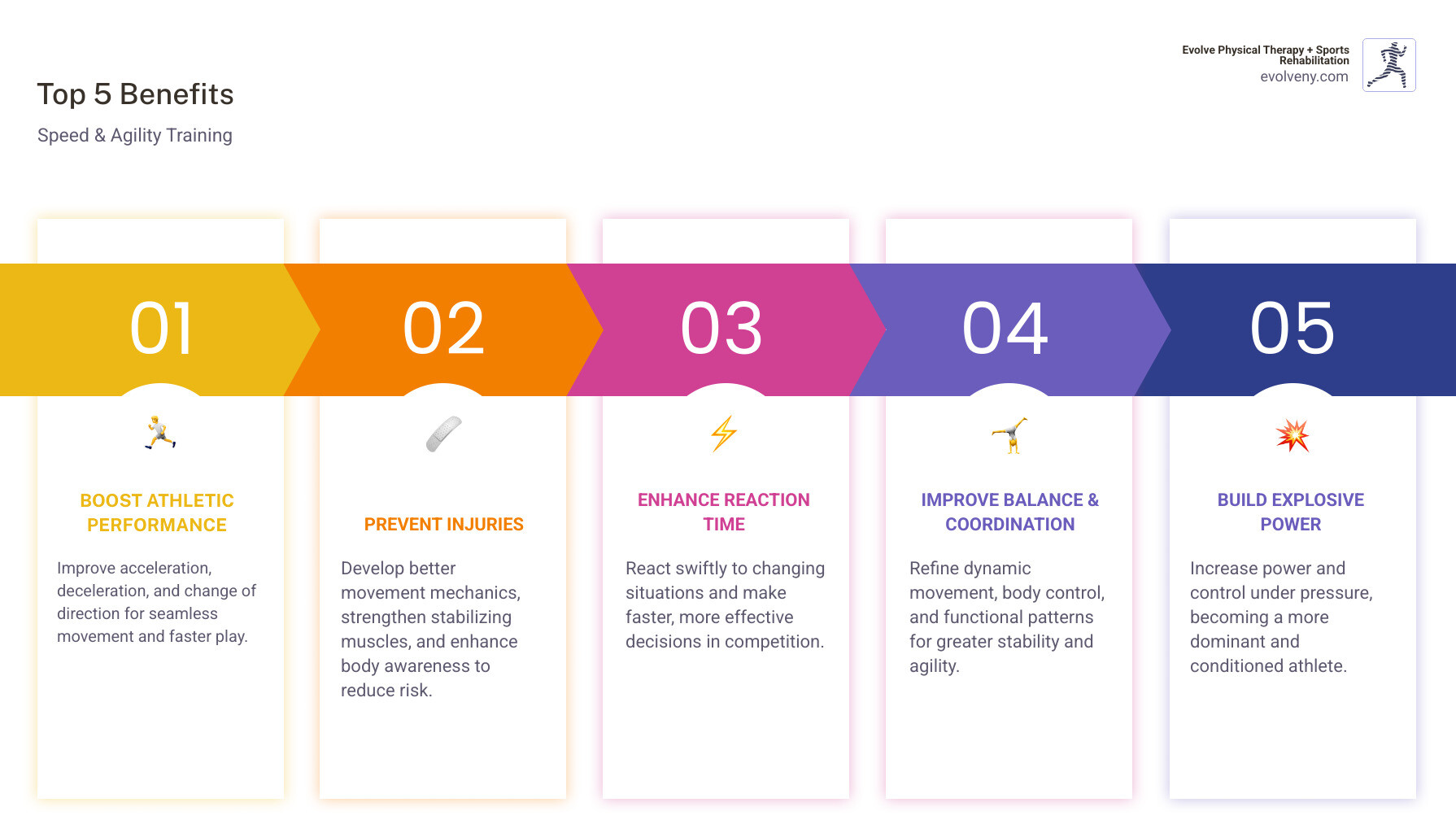
The Game-Changing Benefits of Speed and Agility Training
Speed and agility training is a holistic approach that sharpens your body's ability to move with power, react instantly, and stay in control. Whether you're an athlete or just navigating busy Brooklyn streets, this training makes you a more dynamic and resilient mover.
One of the biggest wins is improved athletic performance. Athletes see significant gains in acceleration, deceleration, and changing direction. It’s about moving smarter, not just faster, leading to more success and confidence.
Beyond performance, a crucial benefit is injury prevention. This training emphasizes proper movement mechanics, strengthens crucial stabilizing muscles, and boosts body awareness. A well-trained body is more resilient and less prone to injury.
This training also hones your improved reaction time. Targeted drills help athletes process visual cues faster and respond with immediate, precise movements—a critical cognitive skill in sports.
Finally, your balance and coordination get a major upgrade. These skills translate directly to daily life, improving stability and preventing falls. As physical therapists at Evolve Physical Therapy, we know that mastering posture, balance, and coordination is key to reaching your full potential.
Skills You'll Sharpen: From Acceleration to Footwork
Speed and agility training breaks down movement and rebuilds it with precision. Key skills you'll sharpen include:
- Linear speed: Straight-ahead sprinting, focusing on mechanics and acceleration.
- Change of direction: The ability to decelerate, stabilize, and quickly switch directions.
- Acceleration: Your initial burst of speed, crucial in most sports.
- Deceleration: The ability to slow down under control, key for injury prevention.
- Footwork: Quick, precise foot placement for efficiency and balance.
- Explosive Power: Generating maximum force in a short time, often developed with plyometrics.
- Body control: Maintaining balance and posture during dynamic movements.
More Than Just Fitness: How This Training Prevents Injuries
As physical therapists, we at Evolve Physical Therapy + Sports Rehabilitation know speed and agility training is a powerful tool for injury prevention. It's about moving smarter to handle the demands of sports and daily life.
The core of this is developing proper movement mechanics—learning to run, cut, and land correctly to minimize stress on joints. The training also strengthens stabilizing muscles around the knees, ankles, and hips, creating a more robust support system. Finally, it improves body awareness (proprioception), allowing you to instinctively adjust and avoid awkward movements that could lead to injury. Our hands-on approach complements this training, bridging the gap between rehabilitation and peak performance. To learn more, explore our physical therapy for athletes.
Tracking Your Gains: How to Measure Progress
Seeing your improvement is motivating! A speed and agility coach near me will use objective methods to track progress.
Performance testing is key, with benchmarks set at regular intervals. Common tests include:
- 40-yard dash: Measures linear speed.
- Pro-agility test (5-10-5): Measures change-of-direction ability.
- Vertical and broad jumps: Measure explosive power.
Beyond numbers, coach feedback provides qualitative insights on your technique. Many also use video analysis to break down movements frame by frame, helping you visualize corrections. This combination of quantitative and qualitative data clearly shows your progress and helps adjust your training plan.
What to Look for When Searching for a "Speed and Agility Coach Near Me"
Finding the right speed and agility coach near me in Brooklyn requires looking at their qualifications, coaching approach, experience, and reputation. You want someone who understands how to get the best out of you.
Look for coaches who are certified professionals. This means they have credentials from respected organizations like the National Strength and Conditioning Association (NSCA) or USA Track & Field (USATF). Beyond certifications, consider their coaching philosophy. Do they develop the whole athlete, focusing on mental toughness and safety? Experience with athletes at your skill level and positive testimonials are also crucial indicators of a great coach.
Evaluating a Local Coach: Credentials, Philosophy, and Fit
When evaluating coaches, start with credentials. Look for certifications like NSCA's Certified Strength and Conditioning Specialist (CSCS) or those from USATF, which show a professional standard. Also, ask about background checks for safety.
Next, assess their philosophy to ensure a good fit. A great coach offers personalized instruction, not a one-size-fits-all program. Ask how they motivate athletes and if they explain the why behind drills. A positive, holistic approach that builds character alongside athletic skill is ideal.
Finally, prioritize trust and safety. A good coach emphasizes proper movement over intensity and creates a safe training environment. Look for someone who shows accountability and genuinely cares about boosting your confidence through personalized guidance.
Program Options and Costs When You Find a speed and agility coach near me
You'll find various options to fit different needs and budgets.
- Private Coaching: The most personalized option, with programs custom to your goals. Rates typically range from $75 to $120 per hour.
- Group Sessions: A more affordable option that creates a fun, competitive atmosphere. Drop-in classes might be around $30, with multi-week programs costing more.
- Team Training: A cost-effective way to train an entire team, with the price per player decreasing with more participants.
Many coaches offer package deals that lower the per-session rate. Some also provide flexible memberships. Always ask about expiration policies on purchased sessions.
The Role of a speed and agility coach near me in Your Development
A speed and agility coach near me is a mentor and strategic partner. They help with goal setting, creating clear targets for your athletic journey. They provide customized plans, designing training around your unique needs to maximize results. A great coach knows how to push limits safely, challenging you while ensuring correct form to prevent injuries. Most importantly, they are crucial for building confidence and providing accountability, celebrating your wins and keeping you committed. This helps you develop a winner's mindset and grow as both an athlete and a person.
Common Training Methods and Drills Explained
When you team up with a speed and agility coach near me, you'll encounter a toolkit of smart training methods designed to boost your speed, quickness, and power. The goal is always to help you move more efficiently and with better control.
Sessions typically begin with a dynamic warm-up to prepare your body for action. You'll then dive into plyometrics—explosive exercises like box jumps and broad jumps that build power. Agility ladders and cone drills are used to sharpen footwork, coordination, and your ability to change direction. Resistance training builds functional strength, while advanced methods like overspeed training can reprogram your nervous system to move even faster. A good coach will always incorporate sport-specific movement patterns to ensure your training translates directly to your game.
Building Blocks: Foundational Drills for Speed and Agility
Mastering the basics is essential. A top speed and agility coach near me will ensure you perfect these foundational drills:
- A-Skips and B-Skips: Teach proper running form, rhythm, and coordination.
- High Knees: Build leg drive and strengthen hip flexors for powerful strides.
- Ladder Drills: Drills like the Ickey Shuffle improve footwork, coordination, and quickness.
- Box Jumps: A plyometric exercise to build vertical power and teach safe landing mechanics.
- Dot Drills: Improve foot speed, agility, and balance by moving between dots in set patterns.
These drills build the fundamental mechanics needed for advanced speed and agility work.
Advanced Techniques for a Competitive Edge
Once you've mastered the basics, your coach can introduce advanced techniques for a competitive edge.
- Resisted Sprints: Running against resistance, like pulling a weighted sled or parachute, builds strength and acceleration.
- Assisted Sprints (Overspeed): Running faster than your natural top speed (e.g., downhill) trains your nervous system to fire more rapidly.
- Reaction Ball Drills: Using an unpredictable bouncing ball improves reflexes and hand-eye coordination.
- Sport-Specific Movement Patterns: Drills are customized to mimic the exact movements of your sport, ensuring training directly translates to in-game performance.
These advanced methods, combined with smart recovery techniques available at places like Evolve Physical Therapy, create a holistic approach to your athletic development.
Frequently Asked Questions about Speed and Agility Training
It's natural to have questions when exploring how to optimize your body's performance. Here are some of the most common inquiries we address at Evolve Physical Therapy + Sports Rehabilitation:
How often should I do speed and agility training?
The ideal frequency depends on your fitness level, sport, and whether you're in-season or off-season. Generally, 1-3 times per week is a good target. During the off-season, you might train more (2-3 sessions) to build your foundation. During the in-season, the focus shifts to maintenance, so 1-2 shorter sessions per week is often enough to stay sharp without causing burnout. Quality over quantity is the golden rule. It's better to have two focused sessions than five fatigued ones. Rest and recovery are also critical, as your muscles and nervous system need time to adapt and grow stronger.
At what age can an athlete start speed and agility training?
Age-appropriate training can start much earlier than most people think, laying a foundation for lifelong movement skills.
- Ages 4-8: The focus is on fun and fundamental motor skills through play—running, jumping, and balancing.
- Ages 7-12: More structured training can be introduced, focusing on proper running mechanics and basic agility drills with an emphasis on technique over intensity.
- Ages 12 and up: Athletes are typically ready for more specialized and intense training. A skilled speed and agility coach near me will always tailor the program to the athlete's developmental stage, prioritizing safety and proper mechanics.
Can speed and agility training help non-athletes?
Absolutely! The benefits extend far beyond sports. For non-athletes, this training improves overall fitness, coordination, and balance, which are crucial for daily life. Think of reacting quickly to avoid a trip on a sidewalk or moving efficiently while carrying groceries. It's also a powerful tool for injury prevention in daily life, as it builds robust movement patterns that protect your joints from unexpected stresses. The core principles—improved reaction time, balance, and body control—improve your functional movement and overall quality of life, helping you move with greater freedom and confidence.
Conclusion: Take the Next Step in Your Athletic Journey
We've seen how speed and agility training is a powerful investment in yourself. It's not just about running faster; it's about moving smarter, reacting quicker, and building a more resilient body. Finding the right speed and agility coach near me is key—they are a mentor and motivator who will help you build confidence and safely push your limits.
Here at Evolve Physical Therapy + Sports Rehabilitation in Brooklyn, we understand the connection between moving well, performing your best, and staying healthy. Our hands-on physical therapy services are designed to complement your training. We help you heal from setbacks and strengthen your body to prevent future issues, ensuring you can sustain peak performance.
If you're ready to open up your full potential, take the next step with a qualified coach. And remember, we're here to support your athletic journey. To learn how our specialized sports rehabilitation can help you get the most out of your training, visit us here: Take your performance to the next level with sports rehabilitation.

Parkinson's Disease Support: What's Out There and How to Get It
Understanding the Support Landscape for Parkinson's Disease

What support is available for parkinson's disease encompasses medical care, therapies, financial aid, emotional counseling, and community programs. Here's a quick overview:
Core Support Categories:
- Medical Treatment: Neurologists, medications (levodopa), surgery (Deep Brain Stimulation)
- Therapeutic Services: Physical, occupational, and speech therapy; specialized exercise
- Financial Aid: Insurance navigation, copay assistance, grants, welfare benefits
- Emotional Support: Counseling, support groups, helplines
- Caregiver Resources: Respite care, dedicated support groups, educational programs
- National Organizations: Parkinson's Foundation (1-800-4PD-INFO), APDA (800-223-2732), Michael J. Fox Foundation
Parkinson's disease is a progressive neurological disorder affecting movement with symptoms like tremors and balance problems. However, about 50% of people with Parkinson's also face non-motor symptoms such as anxiety, depression, and pain.
The good news is you don't have to face it alone. A comprehensive support system exists to manage these challenges, from medication and surgery to specialized exercise like Rock Steady Boxing and financial aid. Accessing the right resources can dramatically improve quality of life.
I'm Lou Ezrick, a physical therapist at Evolve Physical Therapy in Brooklyn with experience in neurological rehabilitation. I've helped many individuals steer what support is available for parkinson's disease to regain function and independence. This guide will walk you through the major support avenues to help you build a comprehensive care plan.
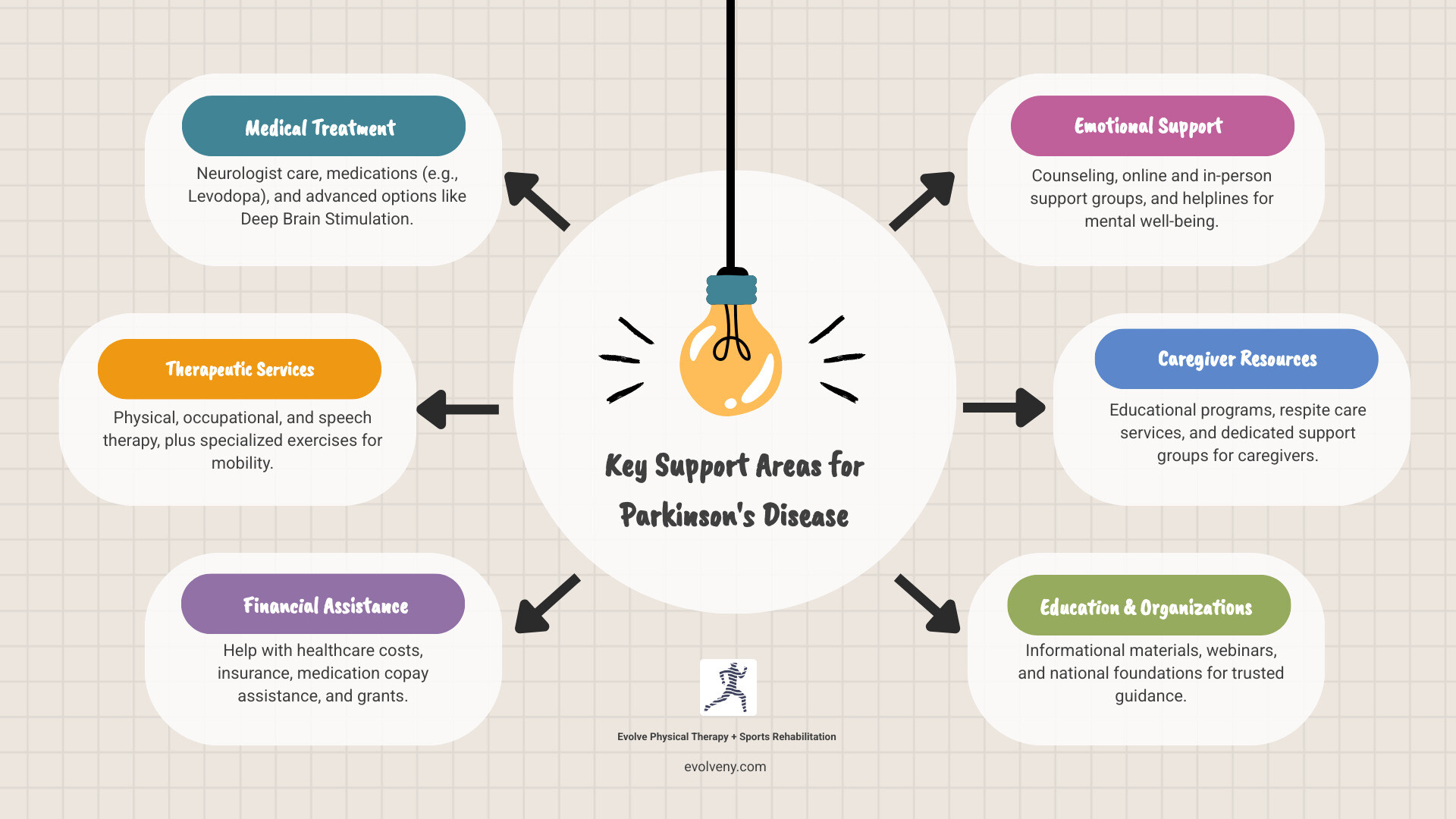
Medical and Therapeutic Support for Managing Symptoms
Proper medical care begins with a diagnosis from a neurologist. Since there's no single definitive test, a diagnosis is based on your medical history, symptoms, and a neurological exam. Your doctor may order blood tests or imaging like an MRI or a dopamine transporter (DAT) scan to rule out other conditions. A promising new development is the alpha-synuclein seed amplification assay, which accurately identified Parkinson's in 87.7% of cases using spinal fluid and may lead to a future blood test.
Once diagnosed, medication is the cornerstone of symptom management, working to increase or substitute for dopamine.
- Levodopa (often with Carbidopa) is the most effective medication, converted by the brain into dopamine. It can be taken as a pill, inhaled powder (Inbrija), or continuous infusion (Duopa).
- Dopamine agonists (e.g., Pramipexole) mimic dopamine's effects and are often used in earlier stages.
- MAO-B inhibitors (e.g., Selegiline) block an enzyme that breaks down dopamine, making it last longer.
- COMT inhibitors (e.g., Entacapone) are sometimes added to extend the effectiveness of levodopa.
When medications become less effective or cause side effects like dyskinesia (involuntary movements), surgical options can offer relief.
- Deep Brain Stimulation (DBS) involves implanting electrodes in the brain that send electrical pulses to reduce tremors and dyskinesia.
- MRI-guided focused ultrasound is a less invasive option that uses ultrasound waves to treat severe tremors. You can learn more about clinical trials for MRI-guided focused ultrasound for Parkinson's disease.
The Crucial Role of Supportive Therapies
Supportive therapies are essential for maintaining independence. Think of them as a coaching team to help you thrive.
- Physiotherapy addresses movement difficulties like stiffness and poor balance through targeted exercises. At Evolve Physical Therapy, our specialized Parkinson's Physical Therapy Brooklyn program uses a hands-on approach to help you move better.
- Occupational therapy helps you find safer ways to perform daily tasks like dressing and cooking, often recommending home modifications and assistive devices.
- Speech and language therapy strengthens your voice, improves articulation, and addresses swallowing difficulties to ensure you can eat and drink safely.
- Diet and nutrition advice from a dietitian can help manage issues like constipation and optimize medication absorption.
Engaging in these therapies is fundamental to effective disease management and is proven to maintain better function and quality of life, as emphasized by organizations like Parkinson's UK and their information on the role of therapies in Parkinson's care.
Specialized Exercise and Lifestyle Programs
Regular exercise is powerful medicine for Parkinson's, shown to slow motor decline and improve symptoms.
- Beneficial Activities: Aerobic exercises like walking and swimming, Tai Chi for balance, Yoga for flexibility, and dance for movement and mood are all excellent choices.
- Rock Steady Boxing: We are passionate about this non-contact, boxing-inspired fitness program created for people with Parkinson's. It improves balance, gait, agility, and strength in a supportive group setting. We're proud to offer it at Rock Steady Boxing Brooklyn NYC, and our program's transformative impact was even featured on NBC Nightly News Covers Rock Steady Boxing at Evolve Physical Therapy.
Fall prevention is critical. Simple strategies like using handrails, installing night-lights, and removing throw rugs make a big difference. A physical therapist can teach you safer walking techniques and recommend assistive devices.
Lifestyle adjustments like a high-fiber diet, adequate hydration, and good sleep also support overall health. Always discuss these changes with your healthcare team. Understanding what support is available for parkinson's disease means recognizing that medical treatment and therapeutic support work hand-in-hand.
What Support is Available for Parkinson's Disease: Financial and Practical Aid
The financial side of living with Parkinson's can be daunting, but what support is available for parkinson's disease includes significant financial and practical assistance.
Navigating insurance and healthcare costs is often overwhelming. A smart first step is a care and support needs assessment from your local authority. This assessment creates a personalized care plan and can open doors to practical help, such as home modifications and assistive devices. An occupational therapist can recommend items like grab bars or walking aids to improve safety and independence.
How can individuals access financial assistance for Parkinson's disease?
No one should have to skip medication due to cost. Several resources exist to provide financial relief.
The PAN Foundation offers grants and copay assistance programs to help people manage medication costs, removing financial barriers to treatment. You can learn more or contribute by visiting their page on giving now to help patients afford medication.
Additionally, local authority support and welfare benefits can offer broader financial aid. Many people are eligible for benefits they aren't claiming. National organizations are experts in this area. For example, Parkinson's UK provides detailed information on financial support, including welfare benefits, grants, and loans.
Don't hesitate to explore these options. These programs are designed to help you manage the costs of Parkinson's. Reaching out is a smart strategy for managing your condition effectively. Access to financial grants, home modifications, and assistive devices is a fundamental part of living well with Parkinson's.
Finding Emotional, Community, and Caregiver Support
Living with Parkinson's involves more than physical symptoms. The emotional impact is significant, with a 2022 study showing that roughly 50% of people with Parkinson's experience anxiety, depression, or pain. These feelings are valid, and addressing them is a critical part of your care.
Mental health professionals who specialize in chronic illness can provide crucial support. However, sometimes the most powerful help comes from connecting with peers who understand your journey. Sharing your story can be incredibly relieving. That's why we created spaces like our Parkinson's Disease Online Support Group, offering comfort and friendship from home.
Primary Organizations and Their Resources
Three major organizations serve as resource headquarters for the Parkinson's community.
- The Parkinson's Foundation is a lifeline for many. Their Helpline at 1-800-4PD-INFO offers support in English and Spanish. They also provide educational materials, webinars, local chapters, and the PD GENEration program for no-cost genetic testing. Explore their offerings at the Parkinson's Foundation.
- The American Parkinson Disease Association (APDA) provides support wherever you are. Their Helpline at 800-223-2732 offers assistance in English, Spanish, and Mandarin. They host free webinars, virtual fitness classes, and offer a vast Resource Library. Learn more at the American Parkinson Disease Association.
- The Michael J. Fox Foundation focuses on accelerating research but also provides extensive educational resources to keep you informed about the latest developments. Visit the Michael J. Fox Foundation to learn more.
How can caregivers receive support and education?
If you're a caregiver, you deserve support, too. Caregiving is a demanding role, and caregiver stress is real and common. It's okay to feel overwhelmed.
Education can empower you. Johns Hopkins Medicine offers practical guides for caregivers, and we've developed our own resources, including Caregiver Support for Parkinson's, to address your unique challenges.
Connecting with other caregivers is transformative. In a support group, you'll find people who understand the fatigue, guilt, and small victories. Our Parkinson's Caregiver Support Group provides a welcoming space for these connections.
Finally, consider respite care. Taking breaks is essential for your own well-being and allows you to continue providing loving support.
Where can I find local and specialized support groups?
Finding your community can change your entire experience with Parkinson's.
- Local chapters of organizations like the Parkinson's Foundation offer face-to-face meetings, exercise classes, and social events. You can find your local chapter to connect with people in your area.
- Online groups provide convenient connection, especially if you have mobility challenges or live in a rural area.
- For the newly diagnosed, targeted programs like Parkinson's UK's "First Steps" can help you make sense of your diagnosis and start living well from day one.
If you can't find a group that fits, consider starting one. We offer a guide on how to form a support group for Parkinson's to help you bring people together.
The Future of Parkinson's Care: Research and Advocacy
Parkinson's research is advancing rapidly, bringing hope for better treatments, earlier detection, and a cure.
A major breakthrough is the alpha-synuclein seed amplification assay, a test that can detect Parkinson's before symptoms begin, with work underway to develop it into a simple blood test. Clinical trials are the backbone of this progress, offering participants access to cutting-edge treatments while advancing science.
The Parkinson's Foundation's PD GENEration program provides no-cost genetic testing, contributing to a massive database that helps researchers identify genetic links to the disease. Meanwhile, care standards are continuously updated through resources like the NICE guidelines on Parkinson's disease, ensuring patients know what care to expect.
How to Get Involved and Make a Difference
You have the power to make a difference, even without a scientific background. Here’s how you can contribute:
- Participate in Research: Your experience is invaluable. Parkinson's UK makes it easy to get involved in research through trials, surveys, and other studies.
- Volunteer: Give your time to a local support group or fundraising event to make an immediate impact.
- Fundraise: Every dollar helps accelerate the search for a cure. You can donate to support research and know you're making a difference.
- Advocate: Use your voice to campaign for better care, fair benefits, and increased awareness.
- Spread Awareness: Talk openly about Parkinson's to correct misconceptions and build a more supportive community.
By getting involved, you can help change what it means to live with Parkinson's.
Frequently Asked Questions about Parkinson's Support
Here are answers to some common questions about what support is available for parkinson's disease.
What is the first step after a Parkinson's diagnosis?
After a diagnosis, focus on these key actions:
- Consult a movement disorder specialist: This neurologist has expert knowledge of Parkinson's treatments.
- Build your healthcare team: Include a physical therapist, occupational therapist, and speech therapist to help maintain your quality of life.
- Seek trusted information: Use resources from the Parkinson's Foundation and the American Parkinson Disease Association (APDA).
- Find a support group: Connecting with peers provides emotional comfort and practical advice.
Can exercise really help with Parkinson's symptoms?
Yes, absolutely. Exercise is one of the most powerful tools for managing Parkinson's. Research shows that regular, targeted exercise can improve balance, flexibility, and strength, and may even slow motor decline.
Programs like Rock Steady Boxing, which we offer at Evolve Physical Therapy, are specifically designed to combat symptoms like poor balance, gait issues, and rigidity. Other beneficial activities include Tai Chi, yoga, dance, and swimming. The key is consistency and finding an activity you enjoy.
Are there support options available in different languages?
Yes. Accessibility is a priority for major Parkinson's organizations.
- The American Parkinson Disease Association (APDA) helpline (800-223-2732) offers support in English, Spanish, and Mandarin.
- The Parkinson's Foundation helpline (1-800-4PD-INFO) provides assistance in English and Spanish.
Many organizations also offer educational materials and resources in multiple languages and accessible formats. If you need support in a specific language, contact these foundations directly for guidance.
Conclusion
Living with Parkinson's disease is a journey, but you are not alone. As we've explored, what support is available for parkinson's disease is extensive and built on several key pillars:
- Medical Support: Your neurologist, effective medications, and advanced surgical options.
- Therapeutic Support: Physical, occupational, and speech therapists who help you maintain independence. Programs like Rock Steady Boxing empower you to fight back against symptoms.
- Financial & Practical Help: Assistance from organizations like the PAN Foundation to manage costs.
- Emotional & Community Support: Helplines, support groups, and caregiver resources that connect you with a community that understands.
Research is also providing new hope through genetic testing, earlier diagnosis, and innovative treatments. By getting involved, you can help shape a better future.
Taking the first step can feel daunting, but it can be as simple as calling a helpline or trying a new exercise class. Each action is a move toward living well with Parkinson's.
If you're in the Brooklyn area and ready to see how specialized physical therapy can improve your quality of life, we invite you to connect with us. Learn more about specialized Parkinson's physical therapy in Brooklyn and find how the hands-on approach at Evolve Physical Therapy can support your journey. We're here for you.

On Pointe Recovery – Physical Therapy for Dance Injuries
Why Dance Demands More Than Standard Physical Therapy
Physical therapy for dancers is a specialized discipline that addresses the unique biomechanical demands of dance while supporting both injury recovery and performance improvement. Here's what makes it essential:
- Treats dance-specific injuries like patellofemoral pain syndrome, ankle sprains, stress fractures, and snapping hip syndrome
- Addresses the root causes of pain through hands-on manual therapy, alignment correction, and movement retraining
- Improves performance by improving technique, turnout, stability, and movement efficiency
- Prevents future injuries through targeted strengthening, flexibility work, and biomechanical analysis
- Speaks your language using dance terminology and understanding the artistic demands of your craft
Dance is an extraordinary blend of art and athleticism. As one physical therapist who works extensively with dancers noted, "Dancers are incredible athletes with control and grace like no other." But this beauty comes at a cost. Research shows that 67-95% of professional dancers experience injuries annually, with 87.7% of those injuries occurring from the hip down. The repetitive nature of ballet movements, high training volumes averaging 20 hours per week, and the need to push beyond normal anatomical limits make dancers particularly vulnerable to overuse injuries.
Unlike standard physical therapy, dance rehabilitation requires a deep understanding of dance technique, biomechanics, and the specific movements that define your art form. A therapist who understands the difference between a plié and a relevé, who can assess your turnout mechanics, and who recognizes that your body is your instrument can make the difference between simply healing and returning stronger than before.
I'm Lou Ezrick, founder of Evolve Physical Therapy, and over nearly two decades, I've specialized in treating complex musculoskeletal conditions and helping artistic athletes optimize their movement patterns. Physical therapy for dancers requires a holistic, hands-on approach that addresses not just the injury site but the entire kinetic chain—from how you initiate movement to how you land from a jump.
The Dancer's Body: Common Injuries and Their Causes
Your body is your instrument, and the high training volume of dance—often 20 hours or more per week—leads to overuse injuries from repetitive strain. Dancers push beyond normal anatomical limits, creating a perfect storm for injury. Research shows injury rates spike during peak rehearsal and performance seasons (typically October, November, March, and April), highlighting the need for specialized physical therapy for dancers that understands the art form's unique demands.
The Lower Body Under Pressure: Foot, Ankle, and Knee Injuries
Over 50% of all dance injuries occur in the foot and ankle, with another 16.1% affecting the knee. Your lower body absorbs tremendous force with every movement.
- Patellofemoral Pain Syndrome ("Dancer's Knee"): Pain around or behind the kneecap, often from inflammation of the cartilage. It's aggravated by turning, jumping, poor posture, or hard studio floors.
- Ankle Sprains: Common during turns and leaps, these happen when ligaments are overstretched or torn.
- Achilles Tendonitis: A burning pain in the back of the lower leg from the inflammation caused by repetitive jumping and push-offs.
- Sesamoiditis: Inflammation of the small bones under the big toe joint, creating sharp pain. It is particularly common for dancers en pointe due to constant pressure.
- Stress Fractures: Tiny cracks in the bone that develop gradually from repetitive impact without adequate recovery time. They often start as a whisper and can become a major injury if ignored. A study on ballet injury incidence emphasizes how common these injuries are.
Core and Control: Hip and Back Injuries
Your hips and back are your body's control center, accounting for 21.6% and 9.4% of dance injuries, respectively. These injuries can be limiting as they affect your core stability.
- Snapping Hip Syndrome: A palpable or audible "snap" around the hip when tendons glide over bone during movements like développés. While not always painful, it signals improper mechanics.
- Femoral Acetabular Impingement (FAI): Painful pinching in the hip joint caused by extra bone growth, which can limit your range of motion during extensions.
- Spondylolisthesis: A stress fracture in a vertebra, causing it to slip forward. This can be caused by the repeated hyperextension of the spine in movements like arabesques.
- Lower Back Pain & Sciatica: Lower back pain is often a red flag for poor core control or muscle imbalances. It can lead to sciatica, which causes shooting pain down one or both legs.
Key risk factors for all dance injuries include poor technique, muscle imbalances, inadequate rest, and nutritional deficits. Understanding these risks is the first step toward prevention and where specialized physical therapy for dancers becomes invaluable.
The Role of Specialized Physical Therapy for Dancers
Specialized physical therapy for dancers recognizes that your body is your instrument. At Evolve Physical Therapy, our holistic approach goes beyond treating an injury to improve your technique and build career-long resilience. We create custom treatment plans that address how you move, your performance goals, and what your body needs to thrive in the demanding world of dance.
The Initial Assessment: A Dance-Specific Evaluation
The foundation of effective treatment is a thorough, dance-specific evaluation. After listening to your dance history and goals, we perform a comprehensive assessment including:
- Posture and Gait Analysis: Examining your alignment both standing still and in motion to find compensatory patterns.
- Joint Range of Motion & Muscle Symmetry: Identifying areas of restriction, hypermobility, and strength imbalances between sides of the body.
- Biomechanical Analysis of Dance Movements: We watch you perform pliés, relevés, and jumps to find subtle technique flaws that may contribute to injury, such as "rolling in" at the ankles.
- Pointe-Readiness Screens: For younger ballet dancers, we conduct specialized tests of ankle strength, foot mobility, and core stability to ensure the body is ready for the demands of pointe work and to prevent serious injury.
This detailed evaluation allows us to create a treatment plan that addresses the root cause of your problem, not just the symptoms.
Custom Rehabilitation: Beyond Standard Exercises
Standard physical therapy exercises are not enough for dancers. Our custom rehabilitation programs use specialized interventions that are proven to be more effective, as supported by research on the effectiveness of physiotherapy for ballet dancers. Key components of our treatment include:
- Manual Therapy: We use hands-on techniques like joint mobilization and soft tissue massage to restore mobility, release muscle tension, and reduce pain.
- Alignment Correction & Neuromuscular Re-education: We retrain your body for optimal positioning and improve the brain-muscle connection for better coordination, balance, and proprioception (your body's awareness in space).
- Dance Modification Strategies: Instead of just telling you to rest, we work with you to modify movements—like adjusting jump height or plié depth—so you can continue training safely while you recover.
- Using Dance Terminology: We speak your language. When we talk about your turnout, développé, or épaulement, you know exactly what we mean, making our instructions immediately applicable to your training.
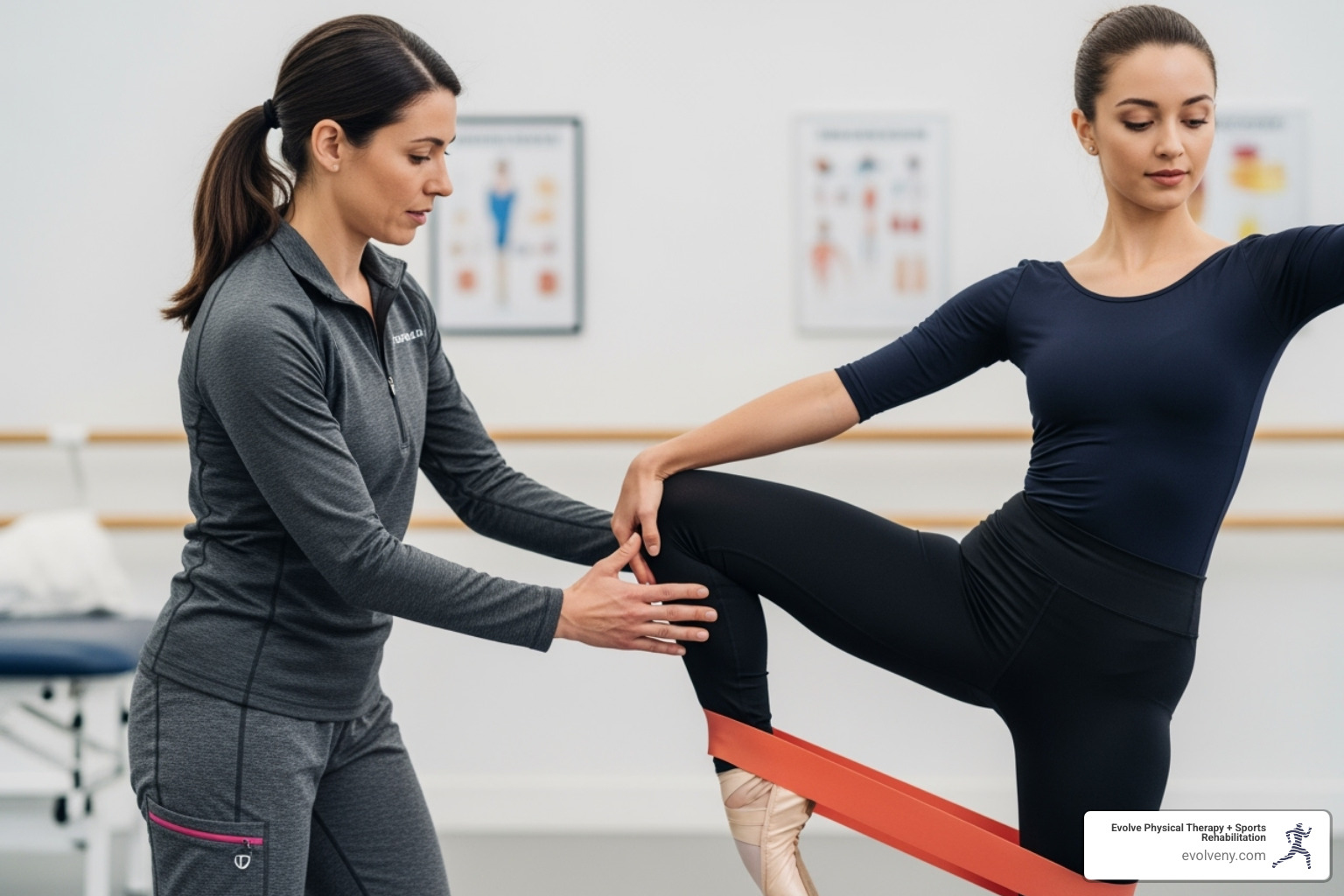
Communication is Key: Speaking the Language of Dance
The relationship between a dancer and physical therapist is a partnership built on clear communication. We start with collaborative goal setting to align your recovery with your artistic aspirations. We provide dancer education on anatomy and biomechanics, empowering you to understand the "why" behind your treatment. By speaking your language and demonstrating a deep knowledge of your art form, we build trust and create a space for honest conversations. Our ultimate goal is to empower you with the tools and confidence to manage your body proactively, supporting your longevity as a dancer.
From Rehabilitation to Resilience: Injury Prevention and Performance Improvement
At Evolve Physical Therapy, our approach to physical therapy for dancers extends beyond recovery to building resilience and enhancing performance. We encourage a proactive mindset, where injury prevention is woven into your training routine—like regular maintenance for your body, your most valuable instrument.
Building a Stronger Foundation: Proactive Physical therapy for dancers
Proactive physical therapy is about training smarter, not just harder. We help you build a stronger foundation for dance through:
- Cross-training: Activities like swimming, cycling, or targeted strength work build overall fitness and balance muscle development, giving your dance-specific muscles a much-needed break.
- Core Strengthening: We focus on the deep stabilizing muscles that support your pelvis and spine, providing a stable foundation for every movement you make.
- Gluteal Muscle Activation: Strong glutes are your secret weapon for knee health, powerful jumps, and safe, effective turnout. Correctly firing these muscles helps prevent conditions like patellofemoral pain syndrome.
- Proprioception and Balance Training: These exercises heighten your body's spatial awareness, leading to more precise footwork, steadier balances, and better mid-movement adjustments.
- Differentiating Flexibility vs. Hypermobility: Many dancers have extraordinary flexibility, but without adequate strength to control it, this can increase injury risk. We teach you how to identify and stabilize hypermobile joints to keep them safe.
We also emphasize daily practices like proper warm-ups, cool-downs, hydration, and listening to your body's early warning signs.
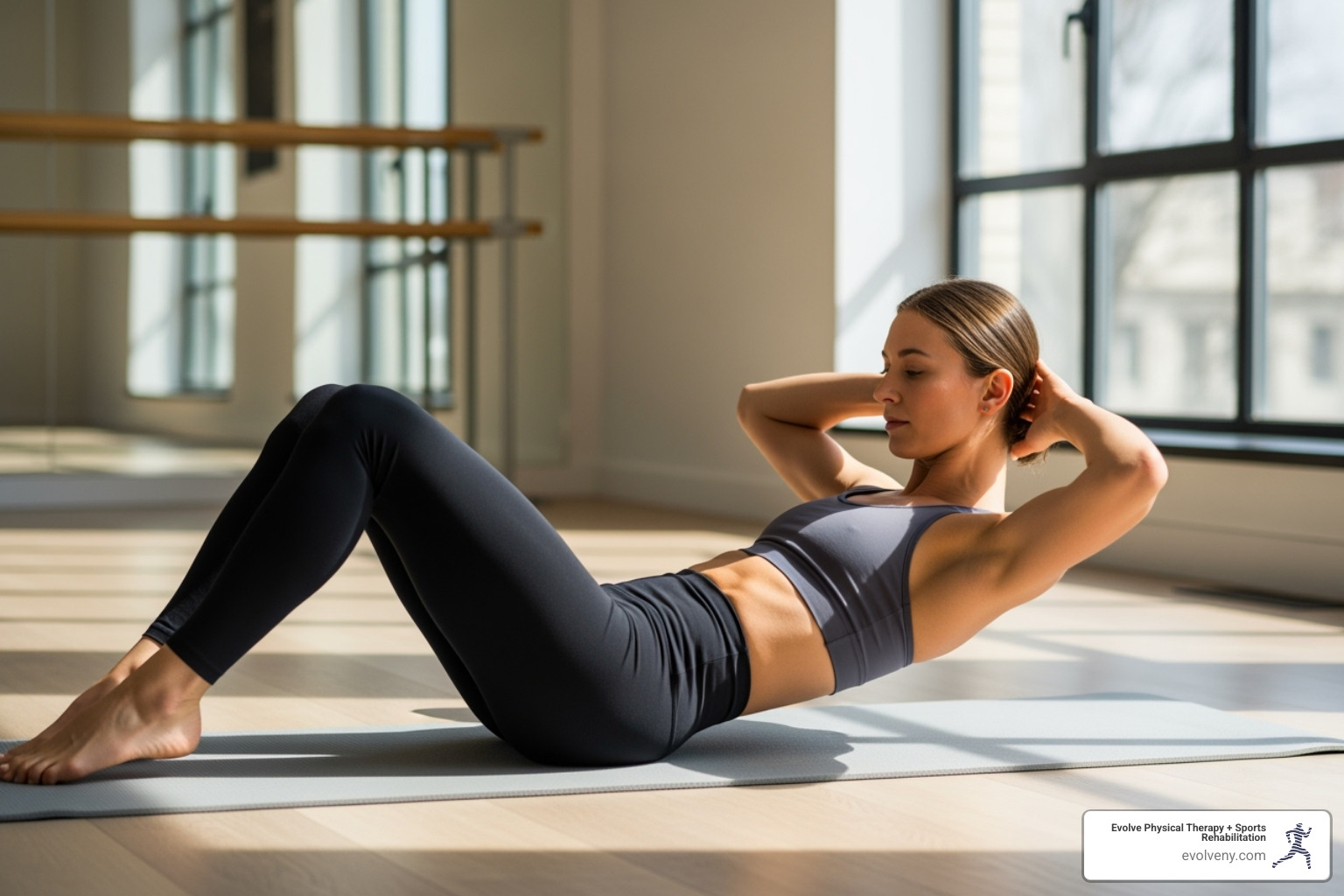
Integrating Holistic Methods for Peak Performance
We integrate specialized movement modalities to accelerate recovery and transform how you move and perform. Pilates develops precise core control and body awareness. Gyrotonic training uses three-dimensional, spiraling movements to improve spinal mobility and build strength. Yoga connects breath with movement, improving flexibility, balance, and mind-body awareness.
| Method | Primary Benefits for Dancers |
|---|---|
| Pilates | Deep core control, precise alignment, strengthening without bulk, improved stability for turns and balances |
| Gyrotonic | Improved spinal mobility and articulation, three-dimensional strength, fluid movement patterns, joint decompression |
| Yoga | Mind-body awareness, breath control, flexibility with stability, mental focus, stress reduction |
The Ultimate Goal: Enhancing Artistry and Career Longevity
Proactive physical therapy helps you dance better, longer, and with more joy. The benefits include:
- Improved Technique: With proper alignment and conditioning, movements become more efficient and lines become cleaner.
- Improved Stability: A strong foundation leads to softer landings from jumps and more confident balances.
- Greater Movement Efficiency: You conserve energy for artistry and expression, which improves your endurance.
- Increased Confidence: Trusting your strong, resilient body allows you to take artistic risks without fear.
- Reduced Re-injury Risk: By addressing the root causes of injury, we help you achieve fewer setbacks and a more sustainable career.
Why Dance Demands More Than Standard Physical Therapy
Physical therapy for dancers is a specialized discipline that addresses the unique biomechanical demands of dance while supporting both injury recovery and performance improvement. Here's what makes it essential:
- Treats dance-specific injuries such as patellofemoral pain syndrome, ankle sprains, stress fractures, and snapping hip syndrome
- Addresses root causes with manual therapy, alignment correction, and movement retraining
- Improves performance by refining technique, turnout, stability, and movement efficiency
- Prevents future injuries through targeted strengthening, flexibility work, and biomechanical analysis
- Speaks your language with dance terminology and an understanding of artistic demands
Dance blends art and athleticism, but the physical cost is high. Research shows that 67-95% of professional dancers experience injuries annually, with 87.7% occurring from the hip down. High training volumes (often ~20 hours/week), repetitive movements, and extreme ranges of motion increase overuse risk.
Unlike standard physical therapy, dance rehabilitation requires deep knowledge of technique and biomechanics. A therapist who understands a plié versus a relevé, can assess turnout mechanics, and recognizes that your body is your instrument can be the difference between simply healing and returning stronger.
I'm Lou Ezrick, founder of Evolve Physical Therapy. For nearly two decades I've helped artistic athletes resolve complex musculoskeletal issues. Effective physical therapy for dancers treats the whole kinetic chain—from initiation to landing—so you can recover and perform at your best.
The Dancer's Body: Common Injuries and Their Causes
Dancers are artistic athletes training at high volumes, often 20+ hours per week. Repetition, extreme ranges, and hard floors create overuse and biomechanical stress that demand targeted care.
The Lower Body Under Pressure: Foot, Ankle, and Knee Injuries
Over 50% of dance injuries involve the foot and ankle; another 16.1% affect the knee.
- Patellofemoral Pain Syndrome ("Dancer's Knee"): Pain around or behind the kneecap, aggravated by turning, jumping, poor posture, or hard floors.
- Ankle Sprains: Ligament overstretch/tear during turns, leaps, and quick direction changes.
- Achilles Tendonitis: Burning pain from repetitive push-offs and landings.
- Sesamoiditis: Sharp pain under the big toe joint, common en pointe due to constant pressure.
- Stress Fractures: Tiny bone cracks from repetitive impact and inadequate recovery. A study on ballet injury incidence highlights how common these are.
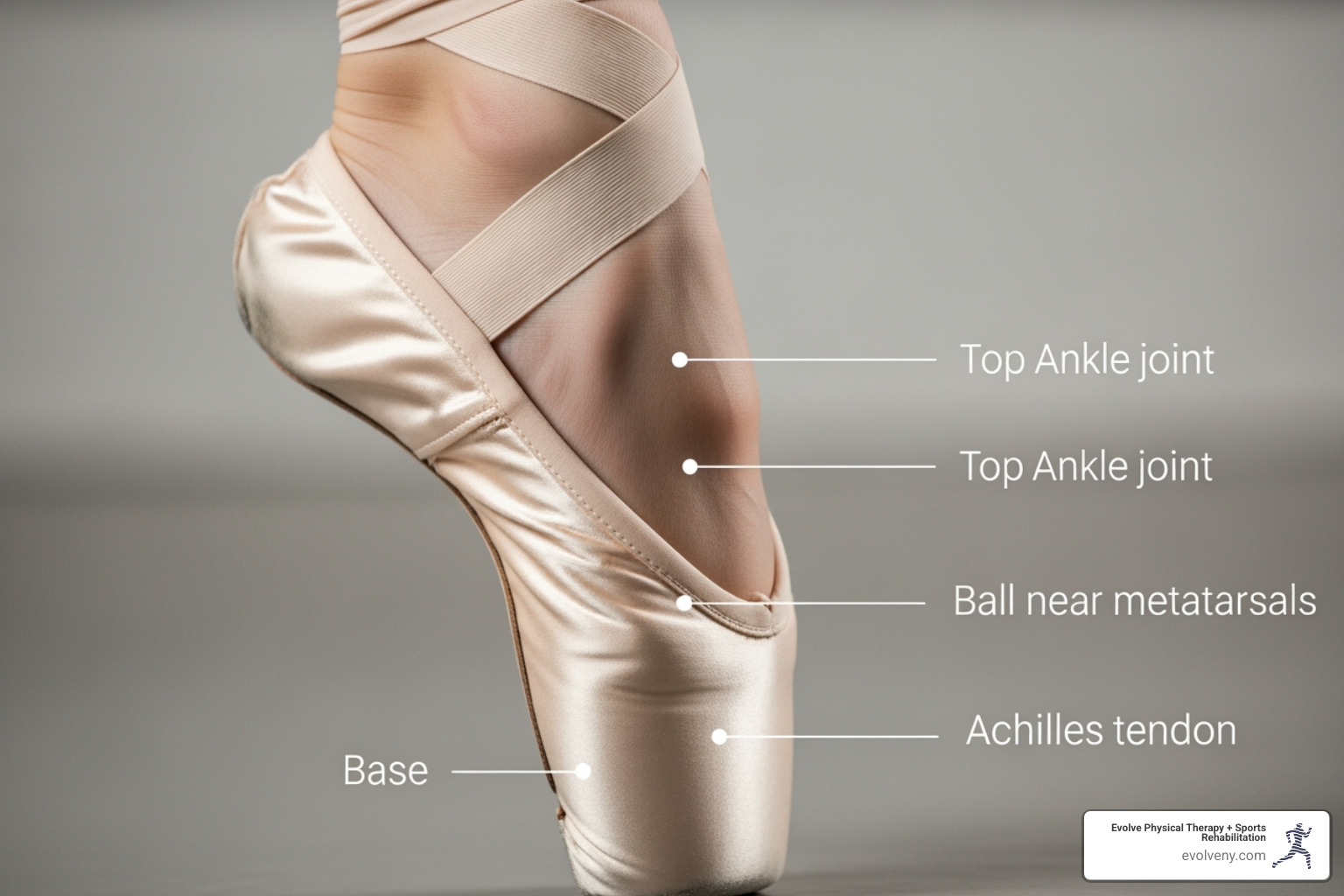
Core and Control: Hip and Back Injuries
Hips and back account for 21.6% and 9.4% of injuries, affecting stability and control.
- Snapping Hip Syndrome: Audible/palpable snap when tendons glide over bone during développés; signals mechanics to address.
- Femoral Acetabular Impingement (FAI): Painful pinching from extra bone growth, limiting high extensions.
- Spondylolisthesis: Vertebral stress fracture and forward slip, exacerbated by repeated hyperextension.
- Lower Back Pain & Sciatica: Often from core control deficits or imbalances; may radiate down a leg.
Key risk factors:
- Poor technique
- Muscle imbalances
- Inadequate rest
- Nutritional deficits
Understanding these patterns is step one; specialized physical therapy for dancers addresses root causes to keep you dancing.
The Role of Specialized Physical Therapy for Dancers
At Evolve Physical Therapy, we treat dancers as artists and athletes. Our holistic approach looks beyond the painful area to your technique, goals, and the specific demands of your style, building a plan that heals, improves performance, and supports longevity.
The Initial Assessment: A Dance-Specific Evaluation
- Posture and Gait Analysis: Identify static/dynamic alignment issues and compensations.
- Joint Range of Motion & Muscle Symmetry: Flag restrictions, hypermobility, and side-to-side imbalances.
- Biomechanical Analysis of Dance Movements: Observe pliés, relevés, turns, and jumps to find subtle flaws (e.g., ankle rolling in turnout).
- Pointe-Readiness Screens: Assess ankle/foot strength, mobility, balance, and core stability before going en pointe.
Custom Rehabilitation: Beyond Standard Exercises
We blend PT fundamentals with dance-specific strategies shown to help dancers. See Effectiveness of physiotherapy for ballet dancers.
- Manual Therapy: Joint mobilization and soft-tissue techniques to restore mobility and reduce pain.
- Alignment Correction & Neuromuscular Re-education: Rebuild optimal positioning, balance, and proprioception.
- Dance Modification Strategies: Adjust jump height, plié depth, or rotation so you can keep training safely.
- Using Dance Terminology: Clear cues in your language (turnout, développé, épaulement).
Communication is Key: Speaking the Language of Dance
We partner with you through:
- Collaborative goal setting aligned with training and performance schedules
- Education on body mechanics so you understand the "why" behind your plan
- Trust and empowerment that support honest dialogue and long-term self-management
From Rehabilitation to Resilience: Injury Prevention and Performance Improvement
Our goal is not just recovery but resilience. We integrate proactive care into your routine so you can perform more consistently and avoid setbacks.
Building a Stronger Foundation: Proactive Physical therapy for dancers
- Cross-training benefits: Add swimming, cycling, or strength work to balance high dance volumes without overloading the same tissues.
- Core strengthening: Train deep stabilizers for stable turns, controlled extensions, and powerful jumps.
- Gluteal activation: Protect knees, support turnout, and improve propulsion.
- Proprioception and balance training: Sharpen spatial awareness for precise footwork and steadier balances.
- Flexibility vs. hypermobility: Maintain range while stabilizing hypermobile joints.
Integrating Holistic Methods for Peak Performance
A truly holistic approach to physical therapy for dancers often incorporates specialized movement modalities that complement traditional PT. These methods not only aid in recovery but also significantly improve a dancer's technique and overall physical intelligence.
| Method | Primary Benefits for Dancers |
|---|---|
| Pilates | Focuses on core strength, stability, precision, and breath. It builds balanced musculature and improves body awareness, crucial for controlled dance movements and injury prevention. Excellent for strengthening deep stabilizers and achieving efficient movement patterns. |
| Gyrotonic Method | Emphasizes circular, flowing movements and spinal articulation. It improves spinal mobility, joint articulation, and functional strength, promoting a sense of freedom and fluidity in movement. Ideal for improving range of motion and neuromuscular coordination. |
| Yoga | Cultivates flexibility, strength, balance, and mental focus through various poses and breathwork. It improves body awareness, reduces stress, and improves overall physical and mental well-being, complementing the mental and physical demands of dance. |
The Ultimate Goal: Enhancing Artistry and Career Longevity
- Improved technique and control through alignment and conditioning
- Greater stability for softer landings and confident balances
- More efficient movement to conserve energy for artistry
- Increased confidence to take risks safely
- Lower re-injury risk by correcting root causes and building durable habits
Frequently Asked Questions about Dance Physical Therapy
What are the primary goals of physical therapy for dancers?
The primary goals extend beyond immediate pain relief. We aim to:
- Heal and Get You Back to Dancing: Address the current injury so you can return to the studio safely.
- Prevent Future Injuries: Identify and correct the root causes of the injury, such as muscle imbalances or alignment issues.
- Improve Performance: Improve your technique by strengthening specific support muscles for cleaner lines, better turnout, and more controlled movements.
- Educate and Empower: Give you the knowledge to understand your body, recognize warning signs, and manage your health for a long, successful dance career.
It's a partnership to build a more resilient and aware artist.
How does physical therapy improve a dancer's technique, not just heal an injury?
Physical therapy improves technique by identifying and correcting hidden physical limitations that may be holding you back. For example, if you struggle with your arabesque height, a therapist will analyze if tight hip flexors or inactive glutes are the true cause.
By using targeted strengthening, mobility work, and neuromuscular re-education, we correct these underlying biomechanical issues. When you learn to activate the right muscles in the right sequence, movements like balances and turns become more stable and controlled with less effort. By making your body move more efficiently, we free you to focus on your artistry.
When is it safe for a dancer to return to pointe work after an injury?
A safe return to pointe work is determined by a physical therapist through a thorough, progressive assessment, not just by the absence of pain. We evaluate multiple factors:
- Strength: We test the intrinsic foot muscles, ankles, calves, and glutes to ensure they can provide adequate support.
- Stability and Control: You must be able to perform foundational movements like single-leg relevés with perfect alignment and without pain or compensation.
- Range of Motion: You need sufficient ankle plantarflexion and foot articulation to rise onto pointe correctly.
Once these criteria are met, the return is always gradual. We start with short periods at the barre and slowly progress to more complex work, always in close communication with you and your dance instructor. This methodical approach is the best way to prevent re-injury and ensure a long-term return to dancing.
Conclusion: Take the Next Step in Your Dance Journey
Your body is your instrument, and like any finely tuned instrument, it deserves specialized care. Throughout your dance journey—from your first plié to your hundredth performance—the physical demands never let up. The beauty you create on stage comes from dedication, artistry, and yes, an extraordinary amount of physical stress.
We understand this at Evolve Physical Therapy in Brooklyn, where we serve dancers throughout Marine Park, Gravesend, Midwood, Park Slope, and Mill Basin. Physical therapy for dancers isn't something you should only think about when you're injured. It's a partnership that supports you through every stage of your career—whether you're recovering from a stress fracture, working to prevent dancer's knee, or simply looking to refine your technique and perform at your peak.
Our approach is different because we see the whole picture. We use hands-on manual therapy to address the root causes of your pain, not just mask the symptoms. We speak your language, understanding the difference between a développé and a dégagé, and we know what it takes to safely return to pointe work. We integrate holistic methods like Pilates and Gyrotonic that complement your training rather than compete with it.
Most importantly, we empower you. We teach you about your body's unique mechanics, help you build strength where you need it most, and give you the tools to stay healthy for the long haul. Because dance isn't just about getting through today's rehearsal—it's about sustaining a lifelong passion.
Whether you're dealing with an injury right now or you're ready to take a proactive approach to your physical health, we're here to help you move with greater freedom, confidence, and artistry. Your dance journey deserves a partner who truly understands what you do and what you need.
Ready to dance stronger, safer, and longer? Take control of your dance health with physical therapy.
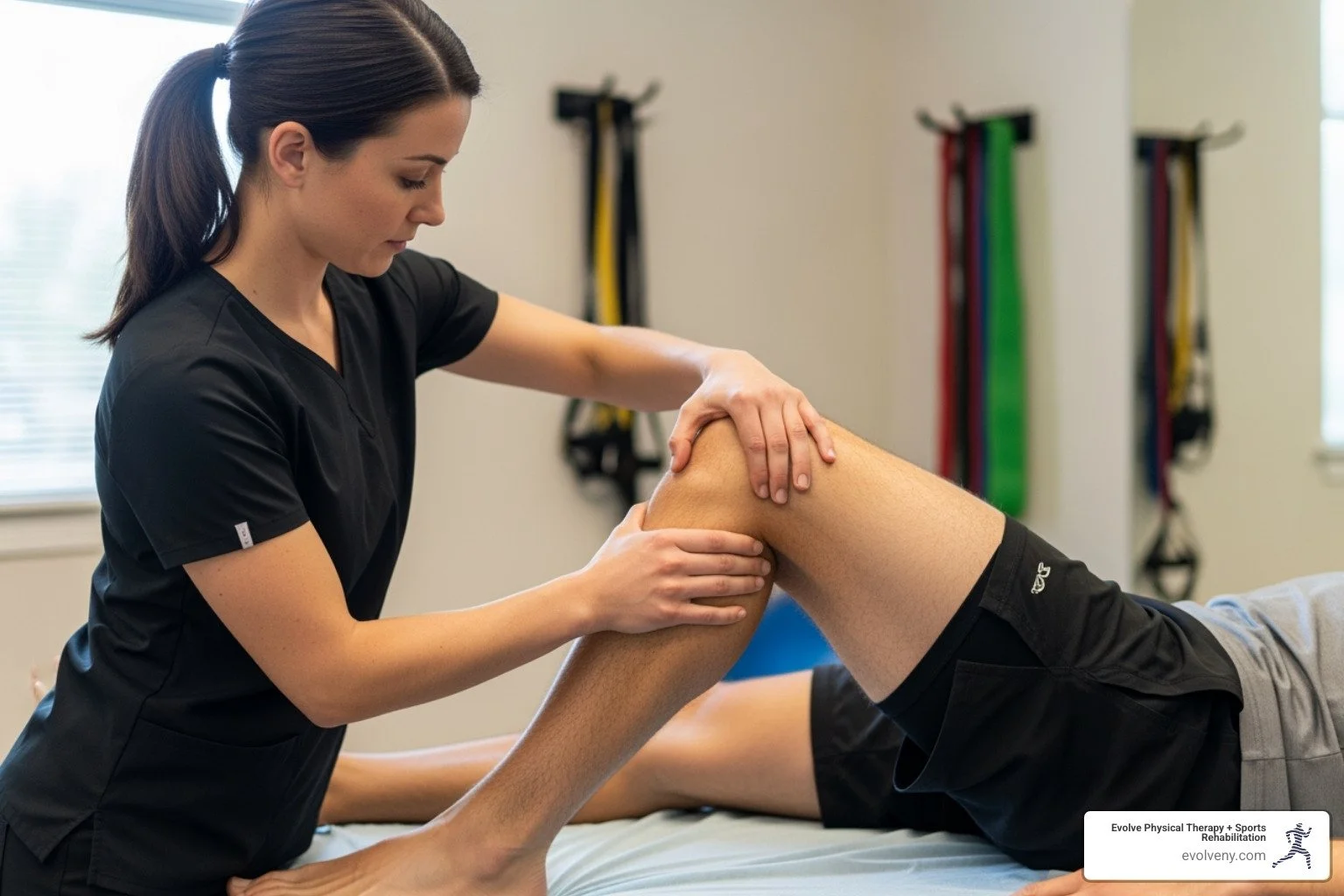
Mobilizations with Movement: Your Joints Will Thank You
Why Your Joints Need Mobilizations with Movement
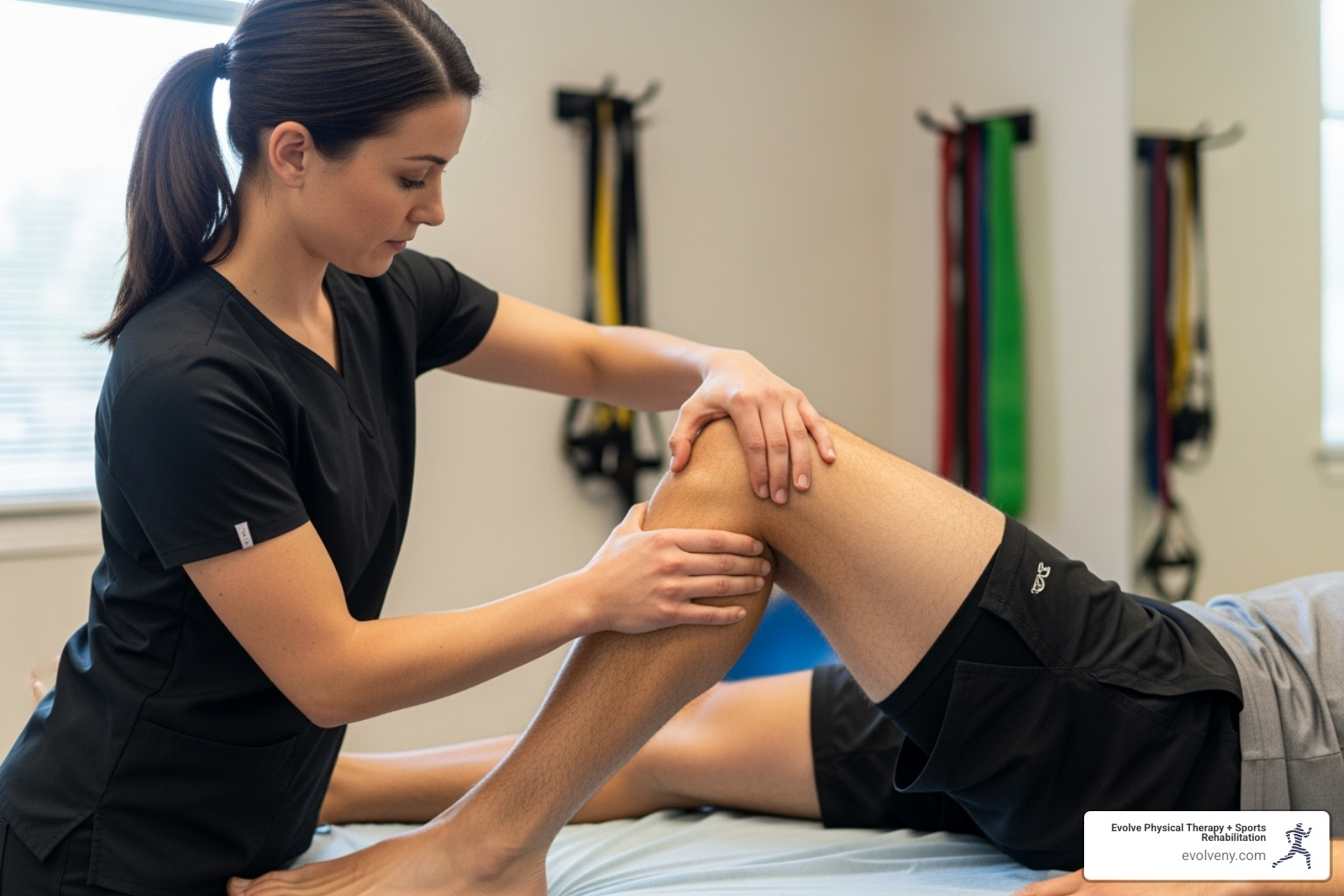
Mobilizations with Movement is a manual therapy technique that combines gentle joint gliding with active movement to restore pain-free function instantly. Developed by New Zealand physiotherapist Brian Mulligan in the 1980s, this approach has transformed how we treat joint dysfunction and movement restrictions.
Key Features of Mobilizations with Movement:
- Pain-free technique - No discomfort during treatment
- Instant results - Immediate improvement in movement and pain
- Long-lasting effects - Benefits persist after treatment
- Active participation - You move while the therapist guides your joint
- Self-treatment options - Learn techniques to maintain progress at home
Unlike traditional joint mobilization where you lie passively, MWM requires your active participation. The therapist applies a specific glide to your joint while you perform the previously painful or restricted movement. When done correctly, pain disappears and full range of motion returns immediately.
This technique works on the principle that many joint problems stem from minor "positional faults" - small misalignments that disrupt normal joint mechanics. By correcting these faults during movement, MWM restores proper joint tracking and eliminates pain.
I'm Lou Ezrick, founder of Evolve Physical Therapy, and I've used mobilizations with movement techniques for nearly two decades to help patients overcome chronic pain and movement restrictions that traditional approaches couldn't resolve. My experience treating complex cases in Tel Aviv and Brooklyn has shown me the remarkable power of MWM to restore function when other treatments fall short.
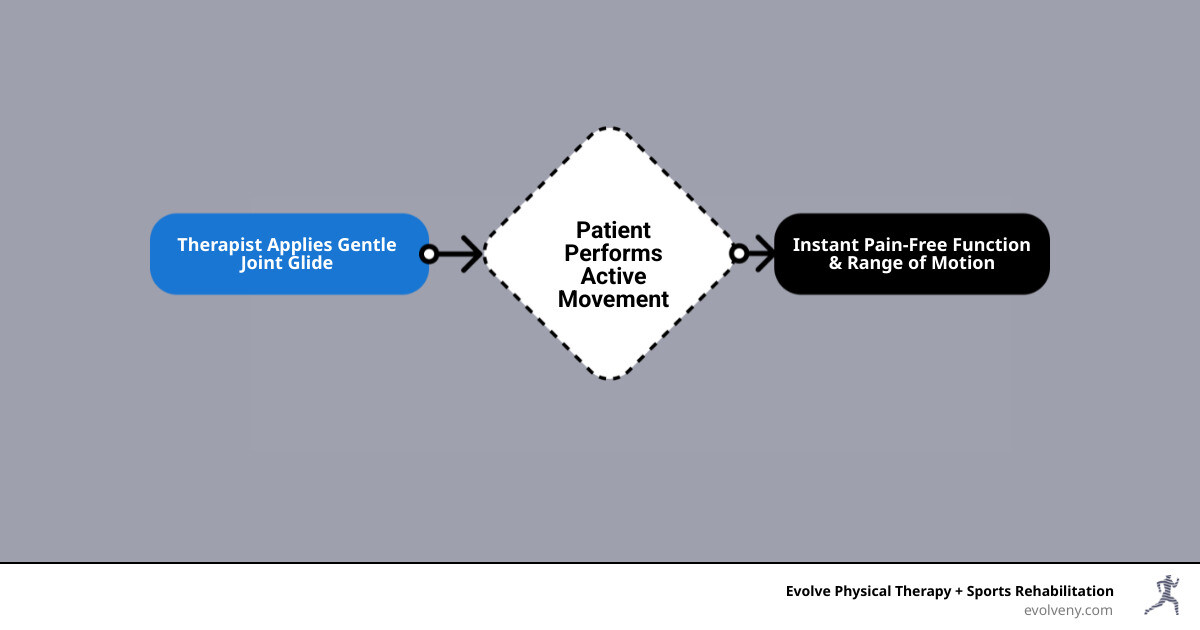
Unpacking the Mulligan Concept: Core Principles and Theories
When Brian Mulligan first developed his approach back in the 1980s, he revolutionized how we think about joint problems. Instead of just pushing and pulling on stiff joints, he finded something remarkable: many of our aches and pains come from tiny misalignments that we can fix while we're actually moving.
Think of it like this - your joints are supposed to glide smoothly like a well-oiled machine. But sometimes, after an injury or from poor posture, they get slightly "off track." Traditional therapy often tries to fix this by moving your joint for you while you lie still. Mobilizations with movement takes a completely different approach - we guide your joint back into its proper path while you actively use it.
This isn't just theory anymore. After decades of use across five continents, we know that MWM works through multiple pathways. It corrects mechanical problems, calms down irritated nerves, and gives patients that incredible "aha!" moment when pain-free movement returns instantly. There's something deeply empowering about feeling your body work properly again after months or years of limitations.
At Evolve Physical Therapy, we've seen countless patients light up when they experience their first pain-free shoulder raise or effortless neck turn. It's these moments that remind us why we love what we do. More info about our hands-on approach explains how we integrate these powerful techniques into comprehensive care.
The 'Positional Fault' Theory Explained
Picture trying to slide a drawer that's slightly crooked in its frame. It catches, it sticks, and sometimes it just won't budge. Your joints can develop similar problems - what we call positional faults.
These aren't the dramatic dislocations you might see in emergency rooms. We're talking about subtle shifts that might not even show up on X-rays. Maybe your shoulder blade isn't sitting quite right, or your wrist bones aren't tracking perfectly when you bend your hand. These tiny misalignments can create big problems.
The beauty of understanding positional faults is realizing they're fixable. When we apply mobilizations with movement, we're essentially helping that "crooked drawer" slide smoothly again. We gently guide your joint back into its happy place while you move it through the motion that was causing trouble.
What's amazing is how quickly your body responds. Once we find the right direction and amount of guidance, that painful movement often becomes completely comfortable - sometimes within seconds. Your joint remembers how it's supposed to move, and the pain simply melts away.
The Guiding Principles: PILL and CROCKS
Every effective treatment approach needs clear guidelines, and mobilizations with movement follows two essential frameworks that keep both therapists and patients on track.
The PILL response is our gold standard for success. If we don't see all three components, we know this particular approach isn't the right fit for your specific problem. No forcing, no "working through the pain" - we simply try a different strategy. The criteria are:
- Pain-free: The movement must be completely pain-free. If it hurts, we're not doing it right.
- Instant: You should feel the difference immediately, not days later.
- Long-lasting: The positive changes should stick around after we finish the technique.
For therapists applying these techniques, the CROCKS principles ensure safe, effective treatment:
- Contraindications: We always check for conditions that would make this technique unsuitable.
- Repetitions: Repetitions help your nervous system learn the new, pain-free movement pattern.
- Overpressure: Gentle overpressure at the end of your available range can boost the lasting effects.
- Communication: Your feedback is crucial every step of the way.
- Knowledge: Our knowledge of anatomy and biomechanics guides precise application.
- Sustained mobilization: We maintain that gentle guidance throughout your entire movement.
These aren't just academic concepts - they're practical tools that help us deliver the remarkable results MWM is known for.
How MWM Differs from Traditional Mobilization
The difference between mobilizations with movement and traditional joint mobilization is like comparing learning to ride a bike with training wheels versus having someone push your bike while you sit on it. While both can be helpful, they operate on fundamentally different principles.
Here's a quick comparison:
| Feature | Mobilizations with Movement (MWM) | Traditional Mobilization |
|---|---|---|
| Patient Involvement | Active - You perform the movement. | Passive - The therapist moves your joint for you. |
| Application | During active, functional movement. | On a static, resting joint. |
| Goal | Restore immediate, pain-free function. | Reduce stiffness and improve passive range. |
| Feedback | Instant functional change (e.g., increased motion). | Gradual symptom response over time. |
| Pain Principle | Strictly pain-free; pain indicates incorrect technique. | May involve some discomfort to achieve tissue changes. |
In MWM, you're the star of the show, actively participating in your recovery by performing the very movement that was causing trouble, now made pain-free. This real-time correction of movement patterns is not only more comfortable but also more functionally relevant to your daily life, as your nervous system learns the new, correct way to move without protective responses.
The Power of Mobilizations with Movement in Action
When you're dealing with pain or movement restrictions, you want results - and you want them fast. That's exactly what mobilizations with movement delivers. This powerful technique has transformed countless lives at our clinic, helping people overcome musculoskeletal disorders that seemed impossible to resolve.
What makes MWM so remarkable is its versatility. Whether you're struggling with chronic shoulder pain, can't grip a coffee cup without wincing, or find yourself limping after an ankle sprain, mobilizations with movement offers a path forward. The technique works by addressing the root cause of your movement dysfunction, not just masking the symptoms.
The research backing MWM continues to grow stronger each year. Studies consistently show that when applied correctly, this approach leads to immediate pain relief and lasting functional improvements. What used to take weeks or months of traditional therapy can often be achieved in a single session - though we always follow up to ensure those gains stick around.
One of the most empowering aspects of mobilizations with movement is how it teaches you to become an active participant in your recovery. Many techniques can be adapted for self-treatment, giving you tools to maintain your progress at home. It's like learning to tune your own instrument instead of always needing someone else to do it for you.
For those who love diving deep into the science, you can explore A comprehensive list of supporting research that supports these techniques.
Applying mobilizations with movement for Shoulder Pain
Your shoulder is an incredible joint - it can move in more directions than almost any other joint in your body. But when something goes wrong, that same complexity can make shoulder problems particularly frustrating. Simple tasks like reaching into a high cabinet or putting on a shirt can become painful reminders of what you've lost.
Shoulder impingement syndrome is one of the most common culprits behind shoulder pain. It feels like something is getting pinched or squeezed inside your shoulder every time you lift your arm. With mobilizations with movement, we apply a gentle lateral glide to your upper arm bone while you perform the exact movement that usually causes pain. It's like creating a little extra space in a crowded elevator - suddenly everything moves smoothly again.
Frozen shoulder, or adhesive capsulitis, presents a different challenge. Your shoulder capsule becomes thick and tight, making even small movements feel like you're fighting against invisible restraints. MWM techniques help us gently coax your shoulder back to life, particularly improving flexion and abduction - those crucial movements that let you reach forward and out to the side.
The change can be dramatic. I've watched patients walk into our clinic barely able to lift their arm to shoulder height, then leave the same day reaching overhead pain-free. It never gets old seeing that look of amazement on someone's face when they realize their shoulder works again.
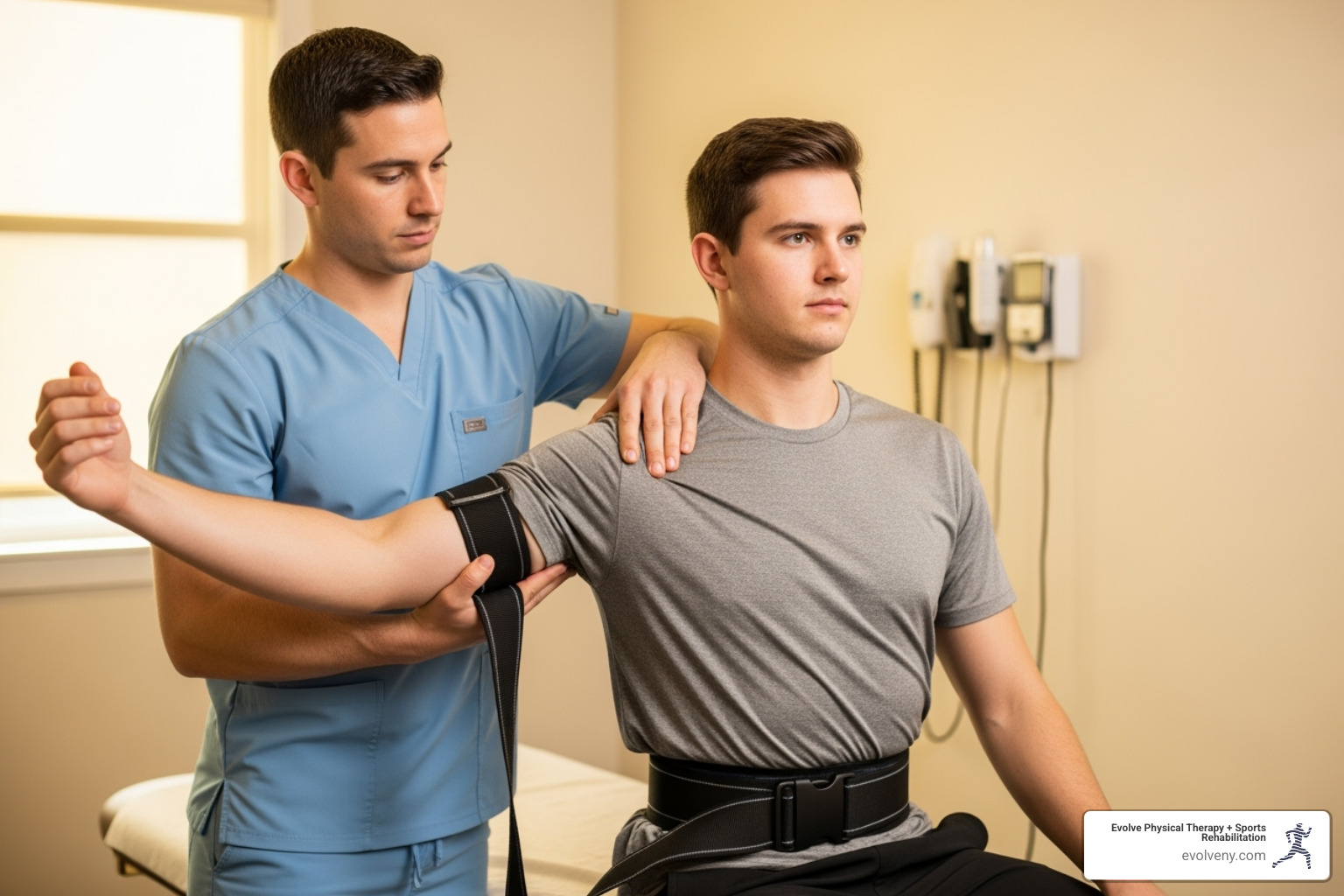
At Evolve Physical Therapy, we've helped hundreds of people reclaim their shoulder function. Learn more about our specialized approach with Physical Therapy for Shoulder Pain and find How does mobilization with movement improve shoulder flexion.
A Solution for Tennis Elbow (Lateral Epicondylitis)
Don't let the name fool you - you don't need to play tennis to get tennis elbow. This frustrating condition, officially called lateral epicondylitis, can strike anyone who uses their hands and arms repetitively. Office workers, gardeners, painters, and yes, tennis players all know the distinctive ache along the outside of their elbow.
The real kicker with tennis elbow is how it affects your grip strength. Suddenly, simple tasks like opening a jar or shaking hands become painful reminders of your condition. You might find yourself avoiding certain movements altogether, which only makes things worse over time.
Here's where mobilizations with movement truly shines. We apply a specific lateral glide of the ulna - that's one of your forearm bones - while you actively grip or extend your wrist. The combination of our gentle guidance and your active movement often produces immediate pain relief that seems almost magical.
I've had patients who couldn't shake my hand without grimacing at the start of a session, then grip firmly and pain-free by the end. The technique works by correcting the subtle tracking problems in your elbow joint that develop with repetitive stress. It's like realigning the wheels on your car - suddenly everything runs smoothly again.
The beauty of this approach is that we can often teach you a modified version to use at home, helping you maintain those gains between sessions. It puts you back in control of your recovery.
If elbow pain is limiting your daily activities, we're here to help. Explore our comprehensive Physical Therapy for Elbow Pain services.
Easing Wrist, Hand, and Ankle Issues
Sometimes the smallest joints cause the biggest problems. Your wrists, hands, and ankles might be compact, but when they're not working properly, they can turn everyday activities into major challenges. Fortunately, mobilizations with movement works beautifully on these intricate joints too.
Carpal tunnel syndrome affects millions of people, causing that distinctive numbness, tingling, and pain in your hand and fingers. Traditional treatments often focus on rest and splinting, but MWM takes a different approach. We apply gentle glides to your wrist bones while you perform movements that typically trigger your symptoms. This helps improve median nerve mobility and reduces the compression that's causing your problems.
The results can be remarkable. Patients often notice their fingers feel more normal and their grip becomes stronger within just a few sessions. It's incredibly rewarding to see someone regain the ability to type comfortably or sleep through the night without waking up with numb hands.
Wrist pain from other causes responds well too. Whether you're dealing with a old injury that never quite healed right or developing stiffness from repetitive work, MWM can help restore that smooth, pain-free movement you've been missing.
Don't overlook your ankles either. These hardworking joints take a beating every day, supporting your entire body weight with each step. Ankle sprains are incredibly common, but the stiffness that lingers afterward doesn't have to be permanent. MWM techniques can quickly restore lost motion and get you walking, running, or dancing without that nagging stiffness. For comprehensive ankle and foot care, visit our Physical Therapy for Ankle Pain page.
The MWM Toolkit: Understanding SNAGs and NAGs
When it comes to spinal problems, mobilizations with movement takes on a special form through two powerful techniques: SNAGs and NAGs. These approaches are specifically designed for your spine and can work wonders for neck pain, back stiffness, and even those stubborn headaches that seem to come from nowhere.
Your spine is incredibly complex - it's not just one joint, but dozens working together. When even one segment isn't moving quite right, it can throw off your entire system. That's where SNAGs and NAGs come in. They help us address these spinal hiccups with the same pain-free philosophy that makes all mobilizations with movement so effective.
What makes spinal MWM techniques particularly exciting is their ability to tackle problems that often leave people feeling frustrated. You know that nagging neck pain that flares up when you turn to check your blind spot? Or that morning stiffness that makes getting out of bed feel like you're 90 years old? SNAGs and NAGs can often provide immediate relief for these exact issues.
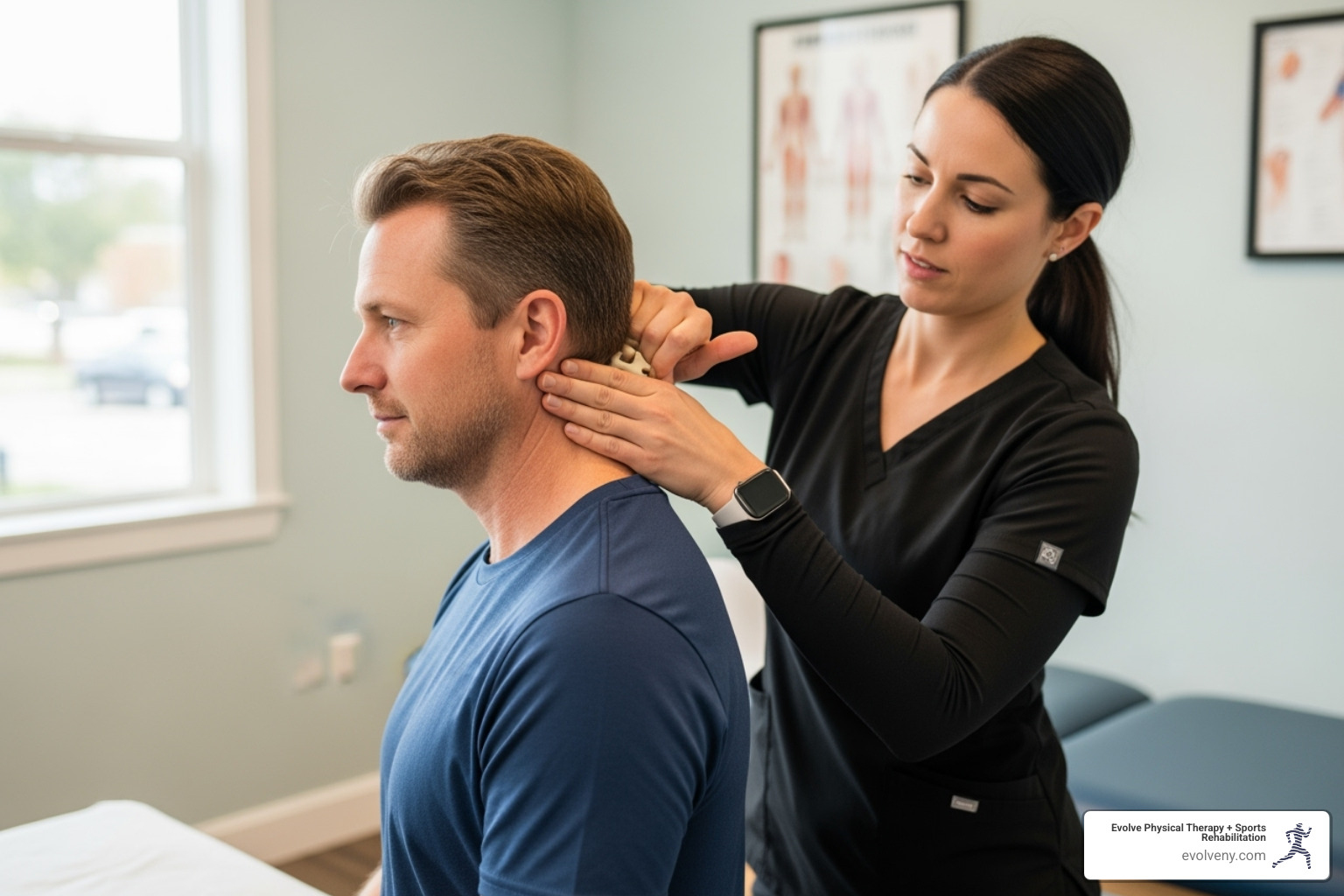
What are SNAGs (Sustained Natural Apophyseal Glides)?
Think of SNAGs as the "active partner" in spinal mobilizations with movement. The name might sound technical, but the concept is beautifully simple: we apply a sustained glide to a specific spinal segment while you actively move in a way that was previously painful or restricted.
Here's how it works in real life. Let's say you can't turn your head to the right without sharp pain - maybe it happened after sleeping funny or sitting at your computer too long. During a SNAG, I'll place my hands on a specific vertebra in your neck and apply a gentle, sustained pressure in just the right direction. While I maintain that pressure, you slowly turn your head to the right.
The magic happens when that painful movement suddenly becomes pain-free. It's like we've found the perfect key to open up your stuck joint. This technique is particularly effective because it happens in weight-bearing positions - meaning you're sitting or standing normally, which helps your body learn the corrected movement pattern for real-world activities.
SNAGs work beautifully for restoring spinal mobility in all regions of your spine. Whether it's neck rotation, looking up at the ceiling, or bending forward to tie your shoes, SNAGs can often restore these movements instantly and comfortably.
One of my favorite applications is for headaches that originate from the upper neck. These cervical headaches often respond dramatically to the right SNAG technique. I've seen patients walk in with splitting headaches and leave completely pain-free after just one session.
If you're struggling with persistent neck or back pain, our specialized approach can make all the difference. Learn more about our Physical Therapy for Neck Pain and Physical Therapy for Back Pain services.
What are NAGs (Natural Apophyseal Glides)?
While SNAGs are all about sustained pressure during active movement, NAGs take a different approach. These are oscillatory mobilizations - think of them as gentle, rhythmic waves of movement applied to your spinal joints.
NAGs work primarily on the neck and upper back, and they're particularly good at addressing that general stiffness and achiness that doesn't have one specific painful movement. Instead of the sustained pressure of a SNAG, we apply rhythmic, repetitive glides to the spinal segment in mid-to-end range positions.
These techniques are usually performed while you're lying down in non-weight-bearing positions, making them perfect for when movement is too uncomfortable or when we need to focus on reducing pain and stiffness before progressing to more active techniques.
The gentle oscillations work by stimulating the nerve receptors in your joints, which can help block pain signals and improve how your tissues move. It's like giving your spine a gentle massage from the inside out. While NAGs still follow our pain-free principles, they're often the technique of choice when you're dealing with more diffuse discomfort rather than sharp, movement-specific pain.
Both SNAGs and NAGs are powerful tools in our toolkit, and the beauty is that we can often teach you modified versions to use at home. This means you're not dependent on coming to the clinic every time your symptoms flare up - you have the power to maintain your progress independently.
Frequently Asked Questions about Mobilizations with Movement
When patients first hear about mobilizations with movement, they naturally have questions. After nearly two decades of using these techniques, I've found that understanding what to expect makes the experience much more comfortable and effective. Let me address the most common concerns we hear at Evolve Physical Therapy.
Is Mobilization with Movement painful?
This is the question I hear most often, and I'm always excited to answer it: absolutely not! The beauty of mobilizations with movement lies in its core principle - if it hurts, we're not doing it right.
Pain-free movement is the foundation of everything we do with MWM. When I apply a mobilization glide to your joint, you should feel immediate relief, not discomfort. If you experience any pain during the technique, it tells me we haven't found the correct angle or direction of glide yet, or perhaps MWM isn't the right approach for your specific issue.
I constantly communicate with my patients during treatment. "How does that feel?" and "Any pain with that movement?" are questions you'll hear repeatedly. Your feedback guides everything I do. The absence of pain isn't just nice to have - it's our primary indicator that the technique is working correctly.
This approach is completely different from the "no pain, no gain" mentality you might expect. We're not working through pain; we're eliminating it entirely while you move.
How quickly will I see results from MWM?
Here's where mobilizations with movement truly shines - the results are often instantaneous. The "I" in our PILL principle stands for "Instant," and that's exactly what we aim for in every session.
I've had patients walk into my clinic barely able to lift their arm overhead due to shoulder pain, and within minutes of applying the right MWM technique, they're reaching toward the ceiling with a huge smile on their face. It's one of the most rewarding aspects of what I do.
You should notice an immediate improvement in your range of motion during the first application. If we don't see that instant change, we adjust our approach until we find what works for your specific joint dysfunction. The goal isn't just temporary relief either - these improvements should persist after I remove my hands from your joint.
While dramatic changes often happen in the first session, most patients benefit from a series of treatments to fully resolve the underlying issue and learn self-treatment techniques to maintain their progress at home.
Who is qualified to perform Mobilizations with Movement?
This is a crucial question for your safety and treatment success. Mobilizations with movement requires specialized training beyond basic physical therapy education. Not every therapist is qualified to perform these techniques safely and effectively.
At Evolve Physical Therapy, our licensed physical therapists have completed advanced manual therapy training, including specific education in the Mulligan Concept. This specialized knowledge is essential because MWM isn't just about applying pressure - it requires a deep understanding of joint biomechanics, anatomy, and the ability to assess exactly where and how each joint needs to be guided.
Proper assessment comes first. We need to identify potential "positional faults" in your joints and determine whether MWM is appropriate for your specific condition. The precision required to find the exact angle and direction of mobilization that eliminates your pain takes years of training and practice to master.
Our expertise allows us to recognize immediately when a technique is working and when we need to try a different approach. This knowledge and experience ensures you get the safest, most effective treatment possible.
Conclusion
When you're struggling with joint pain or movement restrictions, mobilizations with movement offers something truly special – a path back to pain-free function that feels almost magical in its simplicity. This remarkable approach doesn't just mask your symptoms; it addresses the root cause by gently correcting those subtle "positional faults" that can turn everyday movements into painful ordeals.
What makes MWM so powerful is how it empowers you to take an active role in your recovery. Instead of lying passively while treatment happens to you, you become a partner in the healing process. You move while we guide your joints back to their happy place – and the results speak for themselves.
The pain-free restoration of function isn't just a nice idea; it's the fundamental promise of this technique. When we see patients walk in unable to lift their arm overhead or grip a coffee cup without wincing, then watch them perform these movements effortlessly just minutes later, it never gets old. These aren't temporary fixes either – the long-lasting results mean you can return to your daily activities with confidence.
Perhaps most importantly, MWM teaches you self-treatment techniques that put the power of healing literally in your own hands. You'll learn how to maintain your progress and even prevent future flare-ups, giving you tools that last a lifetime.
At Evolve Physical Therapy + Sports Rehabilitation, our skilled therapists have mastered these advanced mobilizations with movement techniques through years of specialized training and hands-on experience. We've witnessed countless "impossible" cases turn around, from frozen shoulders that suddenly move freely to tennis elbows that stop aching overnight.
Our approach goes beyond just applying techniques – we believe in truly understanding your unique situation and creating a treatment plan that makes sense for your life. Whether you're dealing with a nagging shoulder issue, stubborn elbow pain, or chronic neck stiffness, we're here to help you move better and live pain-free.
Ready to experience what it feels like when your joints work the way they're supposed to? Learn more about our physical therapy services and find how mobilizations with movement can transform your relationship with movement itself.

Awkward Postures at Work? Here's Your Ergonomic Survival Guide
Why Your Body Is Screaming for Better Workplace Ergonomics
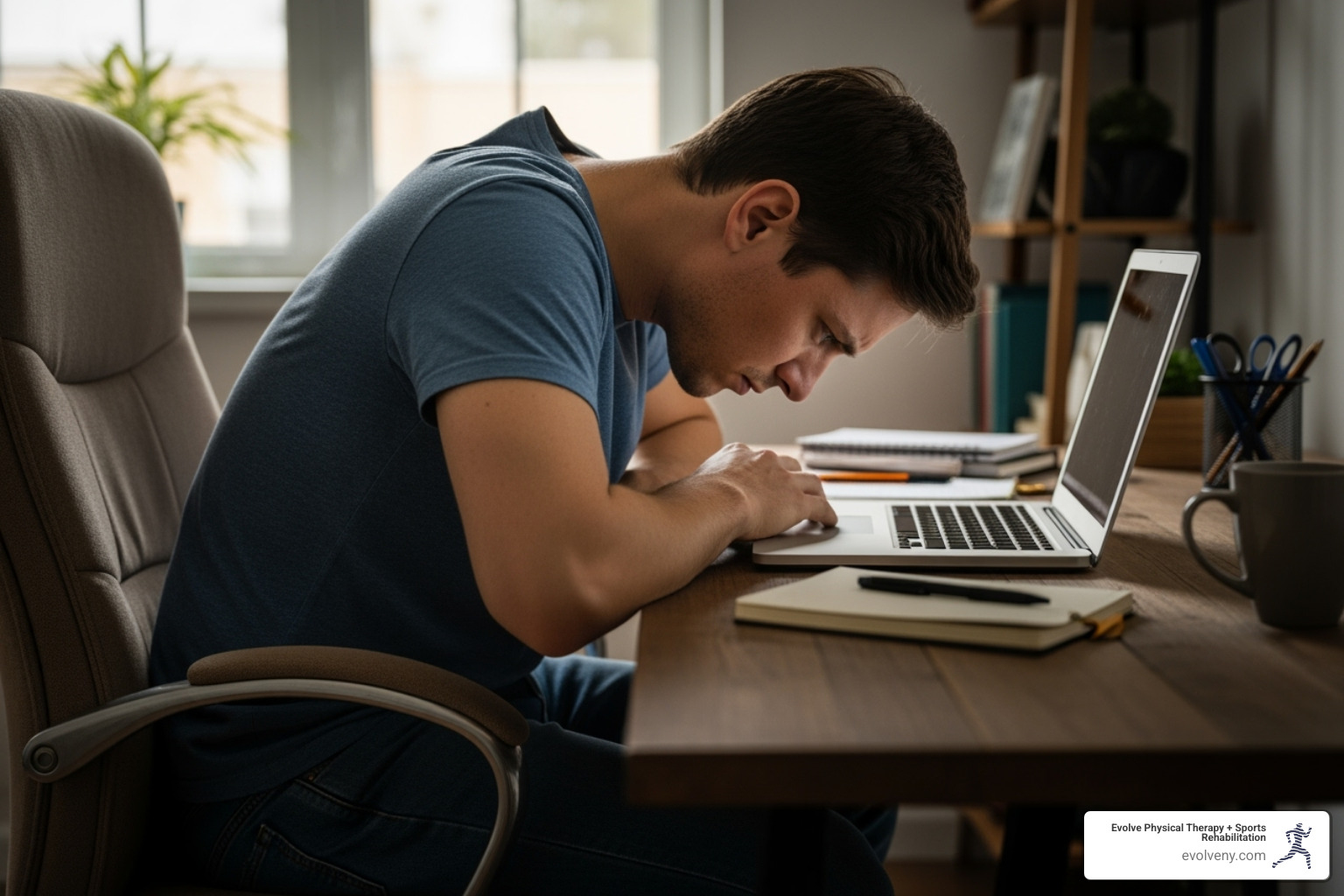
Awkward posture ergonomics is the science of designing work environments to minimize harmful body positions and reduce the risk of musculoskeletal disorders. Here's what you need to know:
- Neutral posture: The body is positioned with minimal strain.
- Awkward posture: Any deviation from neutral, like bending or twisting.
- Key risks: Muscle fatigue, reduced force, and compressed nerves.
- Prevention: Ergonomic tools, proper workstation design, and regular breaks.
- Assessment methods: REBA and OWAS evaluation systems.
If you've ever felt neck ache from hunching over a computer or back pain from lifting boxes, you've experienced the effects of awkward postures. These aren't minor inconveniences; they're warning signs of potential injury.
Statistics show that more than half of all workers have neck problems, 30% suffer from shoulder tension, and 26% experience wrist and arm pain. Awkward postures are a leading cause of sick leave and workplace absenteeism.
An "awkward" posture forces your body from its natural alignment, making muscles work harder and less efficiently. This leads to faster fatigue and stress on your joints, tendons, and nerves.
The path to chronic injury often starts with pain during work that vanishes with rest (Stage 1). It progresses to symptoms that persist after work, disrupting sleep (Stage 2), and can end in constant, debilitating pain that impacts your quality of life (Stage 3).
As the founder of Evolve Physical Therapy, I've seen how proper awkward posture ergonomics can prevent these injuries. My approach combines manual therapy with workplace modifications to address both symptoms and root causes.
Defining Awkward Postures vs. Neutral Alignment
Understanding the difference between neutral and awkward postures is the foundation of awkward posture ergonomics. It can mean the difference between ending your workday energized or exhausted.
What is a Neutral Posture?
Neutral posture is when your body parts are positioned at their natural, mid-range of motion with minimal strain. Your muscles are at their resting length, joints are aligned, and no conscious effort is needed to hold the position. In neutral alignment, your muscles work with maximum efficiency. Your proper alignment of the spine maintains its natural curves, distributing weight evenly and minimizing stress.
This is why good posture for office workers is so important. A workstation that supports a neutral position allows you to work longer with less fatigue because your muscles aren't fighting gravity or awkward angles.
What Makes a Posture "Awkward"?
Awkward postures are positions that force your body away from its neutral alignment. This includes bending, twisting, reaching far from your body, squatting for extended periods, or kneeling. When a joint is pushed toward the end of its range of motion, you've entered awkward territory.
In these positions, your muscles must work much harder, leading to inefficiency and exhaustion. Static postures—holding any position for too long—are also problematic. They cause muscle fatigue, decrease blood flow, and can lead to compressed nerves and tendons sending pain signals.
The result is increased exertion, faster fatigue, and discomfort. Unfortunately, many of us develop habits that lead to bad office posture without realizing it. Understanding these concepts is the first step toward creating a healthier work environment. Listening to your body's signals puts you in control of your long-term health.
The High Cost of Poor Posture: Health Risks and MSDs
That nagging neck pain or shoulder tension isn't just an annoyance; it's your body signaling that something needs to change.

Musculoskeletal disorders (MSDs), which affect muscles, bones, and nerves, are among the most common workplace injuries, with poor awkward posture ergonomics as a major cause. Over half of all workers deal with neck problems, 30% have shoulder tension, and 26% experience wrist and arm pain. The economic impact is also staggering, with awkward postures causing significant sick leave, lost productivity, and healthcare costs.
Continuous exposure to awkward postures can lead to fatigue failure in the spine, causing chronic pain. This is why we focus on treatments like physical therapy for back pain Brooklyn and physical therapy for neck pain Brooklyn. Research confirms that good posture is key to the reduction of musculoskeletal disorders.
Key Risk Factors for Injury
Understanding risk factors helps you take action before an injury occurs.
- Duration: The longer you hold an awkward position, the more strain it places on your tissues. Static postures are especially harmful as they restrict blood flow.
- Frequency: Repeating an awkward position, even briefly, creates cumulative trauma as your body doesn't have time to recover.
- Degree of deviation from neutral: The further you move from your body's natural alignment, the harder your muscles must work.
- Forceful exertions: Combining an awkward posture with lifting or pushing creates a perfect storm for injury, as muscles can't generate force efficiently.
- Static loading: Maintaining muscle contractions for long periods without relaxation leads to rapid fatigue.
- Repetitive motions: Performing the same motions in an awkward position can lead to overuse injuries like tendinitis.
The Three Stages of Musculoskeletal Injury
Most workplace injuries develop gradually through three stages. Recognizing them is key to preventing chronic disability.
- Stage 1: Pain and fatigue appear during work but disappear with rest. It's easy to dismiss these early warning signs, but your body is asking for attention.
- Stage 2: Symptoms persist after work, disturbing sleep and reducing your work capacity. The problem is getting worse.
- Stage 3: Pain becomes chronic and persistent, significantly impacting your quality of life and daily activities.
The progression through these stages in the development of injuries isn't inevitable. Intervention in Stage 1 or early Stage 2, through ergonomic changes and physical therapy for posture training, can prevent chronic pain. Listen to your body's early signals; pain is valuable information.
Proactive Prevention: Your Guide to Awkward Posture Ergonomics
Most health risks from poor posture are preventable. With the right approach to awkward posture ergonomics, you can transform your workspace and habits to protect your body. It's about working smarter, not harder, by redesigning how you work to support your body's natural alignment. Our approach to physical therapy for posture training emphasizes prevention alongside treatment.
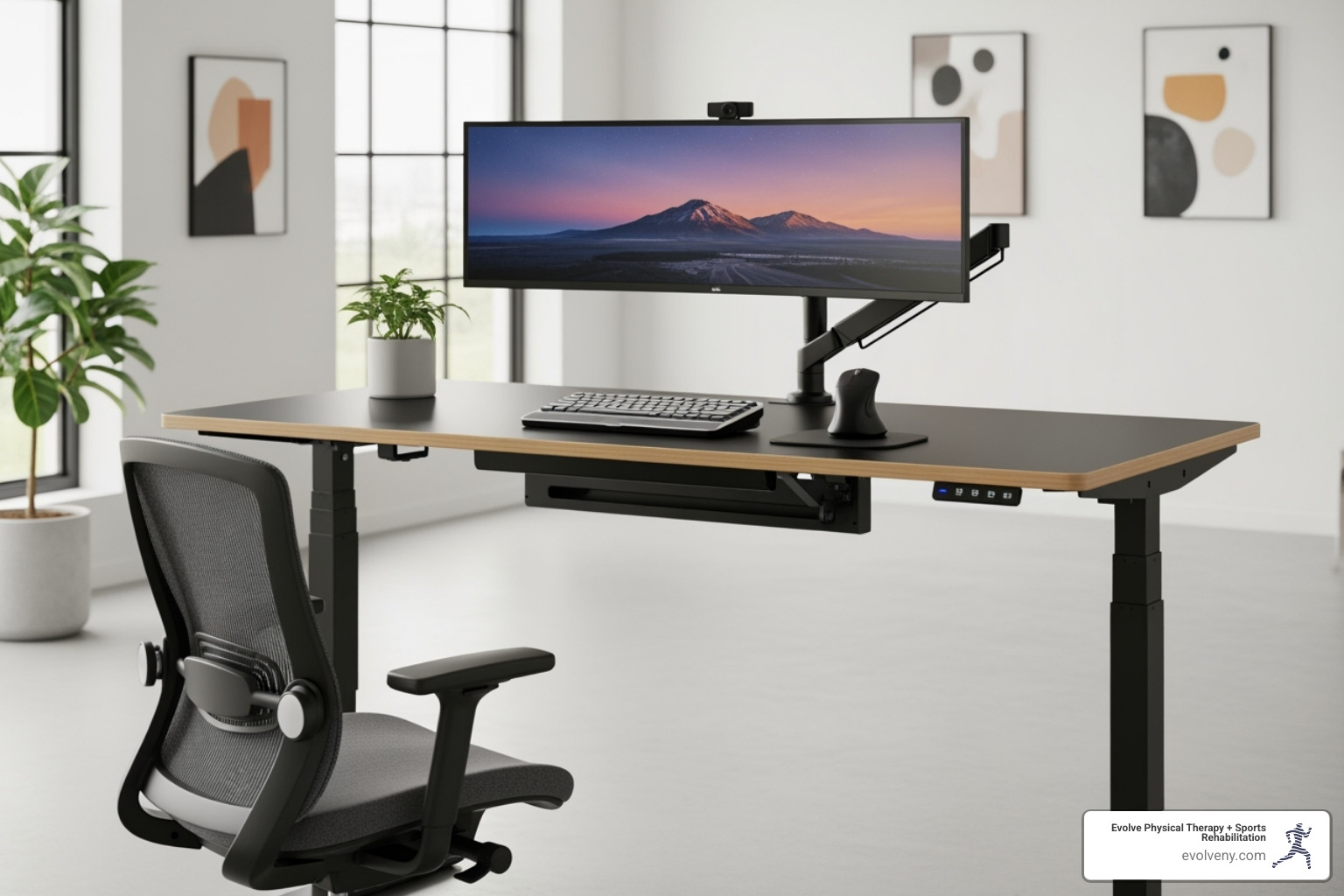
The Hierarchy of Ergonomic Controls
Ergonomics experts use a hierarchy of controls to tackle awkward postures, prioritizing the most effective solutions first.
- Elimination: The most effective solution. Can you completely avoid the awkward posture, such as by storing items at waist height instead of on the floor?
- Substitution: If elimination isn't possible, swap out tools or change processes. Use a headset instead of cradling a phone.
- Engineering controls: Modify the physical environment with adjustable desks, ergonomic chairs, and monitor arms.
- Administrative controls: Change how work is done through job rotation, mandatory breaks, and training on proper body mechanics.
- Personal Protective Equipment (PPE): Items like knee pads can provide cushioning but don't eliminate the awkward posture. They are best used with higher-level controls.
Recommended Time Limits for Awkward Postures
Even with a good workspace, some awkward postures may be unavoidable. Knowing your limits is crucial. Prolonged exposure is what causes problems.
Research suggests limiting certain postures to about 2 hours total per shift. This includes:
- Neck bent more than 30 degrees
- Back bent more than 30 degrees
- Working with hands above your head or elbows above shoulders
- Kneeling
Squatting should be limited as much as possible due to the stress on the knees and back. These limits are based on research into tissue breakdown. The key is variety and movement. Take regular breaks, change positions, and listen to your body's signals.
Designing a Safer Workspace: Practical Ergonomic Solutions
Creating a workspace that supports your body's natural alignment is practical and simple with awkward posture ergonomics. Your workspace should adapt to you, not the other way around. This is crucial for both office settings and when dealing with home office ergonomics or achieving correct computer posture.
Common Awkward Postures and How to Fix Them
Let's tackle common positions that gradually wear down your body.
- Working overhead: This strains your neck and shoulders. The fix: Use step stools, ladders, or tool extenders to bring your body to the work.
- Bending forward: Compresses your spine and overworks back muscles. The fix: Raise the work surface using adjustable-height desks, lifting devices, or proper monitor positioning.
- Reaching and over-reaching: Creates cumulative strain. The fix: Rearrange your workspace to keep frequently used items within arm's length.
- Twisting your torso: Happens with poor workspace layout. The fix: Turn your whole body to face what you need. Ensure your chair swivels easily.
- Kneeling and squatting: Strains knees and back. The fix: Use comfortable knee pads, adjustable stools, or lifting aids.
- Forward head posture ("tech neck"): Caused by craning your neck toward screens. The fix: Bring screens to eye level. Hold handheld devices higher.
- Bent wrists: Caused by poor keyboard and mouse placement. The fix: Keep wrists straight and neutral, with forearms parallel to the floor, by adjusting your chair or using a keyboard tray.
If you're working from home and experiencing back pain, these adjustments can provide immediate relief.
Applying Awkward Posture Ergonomics to Tool Selection
Smart tool selection is a game-changer for maintaining neutral postures.
- Grip Type: Use a power grip (whole hand) for forceful tasks. Reserve pinch grips (thumb and fingers) for light, brief tasks.
- Handle Size and Shape: Handles should fit your hand comfortably. For power grips, a diameter between 1.75 and 3.75 inches is ideal. Contoured, textured handles are best.
- Tool Weight: Heavy tools cause fatigue up the entire arm. Choose lighter tools or those with dual-handle options to distribute weight.
- Adjustable Handles: Tools with adjustable handles (e.g., inline vs. pistol grip) help you maintain a neutral wrist position for different tasks.
- Force Reduction Features: Look for spring-loaded handles, ratcheting mechanisms, or counterbalances to reduce the effort you need to apply.
The goal is to apply effort efficiently, with your body in positions that support strength, not strain.
Taking Action: How to Identify, Assess, and Report Risks
Understanding awkward posture ergonomics is the first step; taking action is next. This requires a collaborative effort to identify, assess, and report ergonomic risks.
Understanding the Basics of Awkward Posture Ergonomics Assessment
Ergonomic assessments provide systematic ways to evaluate tasks and identify hazards.
- Observation: Watching how a job is performed can reveal repeated bending, twisting, or static positions.
- Employee Feedback: Workers are the best source of information on discomfort and strenuous tasks. Encourage them to report issues.
- Checklists: Standardized checklists help identify common risk factors.
- Formal Assessment Methods: For a scientific approach, tools like REBA (Rapid Entire Body Assessment) and OWAS (Ovako Working Analysis System) are used. REBA assesses specific postures to determine MSD risk, while OWAS evaluates a sample of postures over time to assess cumulative load.
These methods help quantify risks objectively, guiding effective solutions. The OSHA website offers resources on how to identify ergonomic problems.
Creating a Collaborative Safety Culture
Effective ergonomics requires a collaborative safety culture where everyone works together.
- Open Communication: Employees should feel empowered to report risks without fear of reprisal through clear reporting channels.
- Employee Training: Educating employees on proper body mechanics, neutral posture, and ergonomic benefits increases awareness and compliance.
- Management Commitment: Employers must commit resources for assessments, implement changes, and provide proper equipment.
- Joint Health and Safety Committees: Committees with both management and employee representatives can oversee ergonomics programs.
- Continuous Improvement: Ergonomics is an ongoing process. Regularly reassess, gather feedback, and adapt solutions for long-term success.
A collaborative spirit creates workplaces that reduce injuries and improve productivity and morale.
Frequently Asked Questions about Awkward Posture Ergonomics
Here are answers to common questions about awkward posture ergonomics based on my experience at Evolve Physical Therapy.
How do I know if my posture is awkward?
An awkward posture forces your joints away from their comfortable, neutral middle ground. Telltale signs include bending your neck, twisting your spine, hunching your shoulders, or reaching far from your body. The real test is to listen to your body. If you feel strain, fatigue, or nagging discomfort, your posture is likely awkward. If a position requires conscious effort or leaves you sore, it's time for a change.
Can stretching during breaks really help?
Yes, absolutely. When you hold static or awkward postures, muscles get tight and blood flow decreases. Frequent, short stretching breaks relieve muscle tension, restore circulation, and reduce fatigue. Even a few minutes of gentle stretching or walking around can reset your body, improve flexibility, and prevent the cumulative strain that leads to injury. Your body needs movement and variety.
Is a standing desk a good solution for awkward postures?
A standing desk can be a fantastic tool against the negative effects of prolonged sitting, but it's not a magic bullet. The key to awkward posture ergonomics is movement and variety, not just finding one "perfect" position. A standing desk is most effective when you maintain a neutral standing posture (ears over shoulders, shoulders over hips) and, most importantly, alternate between sitting and standing throughout the day. Trading eight hours of sitting for eight hours of standing just swaps one static posture for another.
Conclusion
After diving into awkward posture ergonomics, it's clear your body isn't meant to suffer through workdays in uncomfortable positions. The evidence is overwhelming, but the good news is that most of these injuries are preventable. Understanding neutral postures and recognizing early warning signs allows you to take meaningful action. Every ergonomic adjustment is an investment in your long-term health.
The stages of injury are not inevitable; they are warning signs. That afternoon neck ache is your body asking for help. The beauty of awkward posture ergonomics is that small changes—like adjusting your monitor, taking breaks, and using the right tools—yield big results.
At Evolve Physical Therapy + Sports Rehabilitation, our hands-on approach combines manual therapy with practical workplace modifications to address both symptoms and root causes. We help patients reclaim their active lifestyles by taking control of their environment.
Pain shouldn't be your daily companion. Taking a proactive approach to ergonomics can make all the difference. Your body is sending signals; it's time to listen.
Ready to transform how you feel? Find out how personalized ergonomic physical therapy Brooklyn services can help you achieve lasting comfort and peak performance.
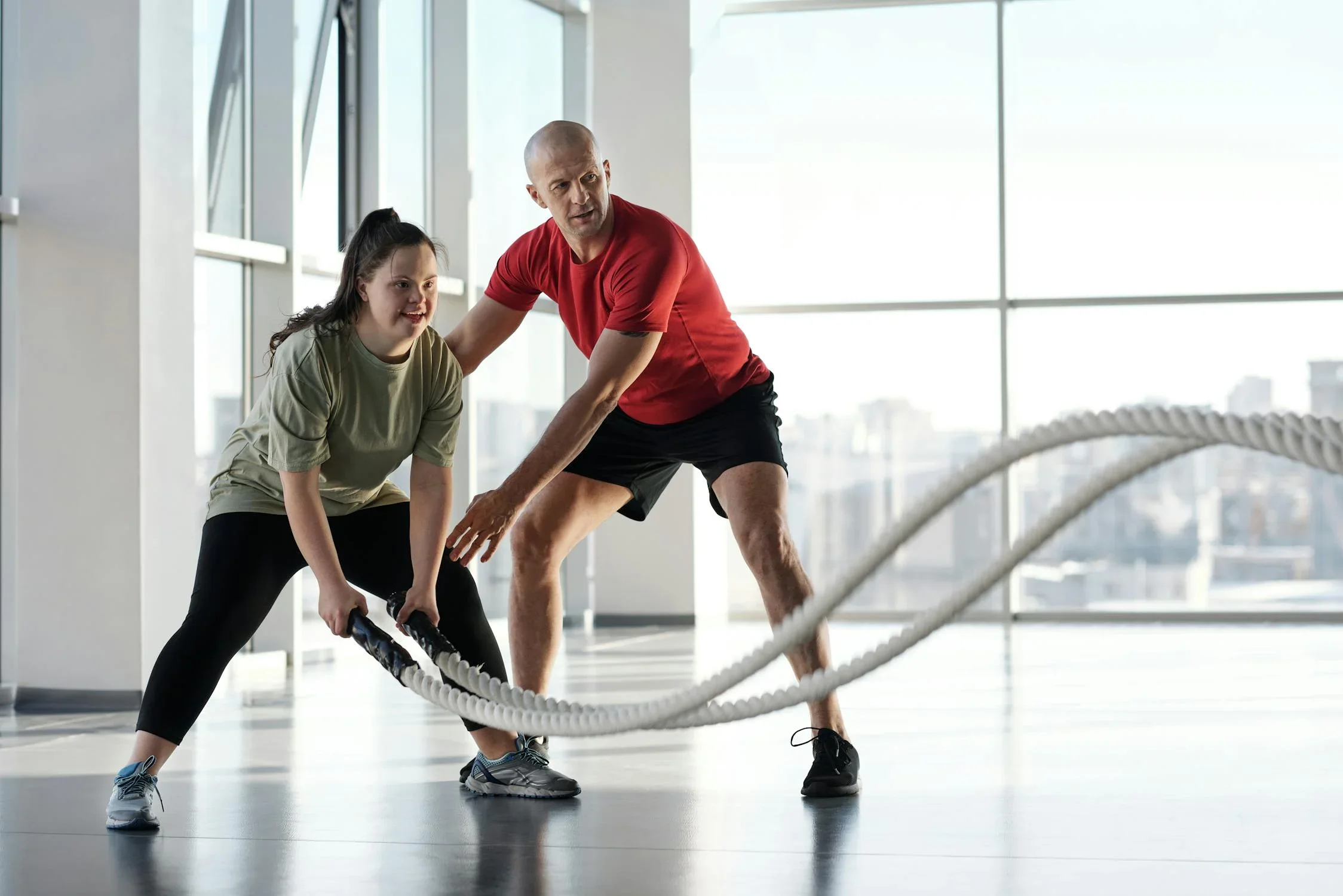
Breaking the Pain Cycle – Physical Therapy Strategies for Chronic Pain
Why Physical Therapy for Chronic Pain is Your Path to Recovery

Physical therapy for chronic pain offers a proven, drug-free approach to breaking the cycle of persistent discomfort and reclaiming your active lifestyle. Here's what physical therapy can do for your chronic pain:
Key Benefits:
- Pain reduction through targeted manual therapy and therapeutic exercises
- Improved mobility and strength without relying on medications
- Education about pain science to reduce fear and anxiety around movement
- Personalized treatment plans addressing your specific condition and goals
- Long-term solutions rather than temporary symptom masking
Chronic pain affects nearly 51.6 million Americans, making it the leading cause of disability with an economic impact of over $560 billion annually. But there is hope—chronic pain doesn't have to control your life.
Unlike acute pain (a temporary alarm), chronic pain persists after tissues have healed because the nervous system becomes hypersensitive. Physical therapy excels at retraining your brain and body to break these faulty pain patterns.
Physical therapy addresses chronic pain through a biopsychosocial approach, recognizing that your pain experience involves biological, psychological, and social factors. Rather than simply masking symptoms, skilled physical therapists identify and treat the root causes of your discomfort while teaching you strategies to prevent future flare-ups.
I'm Lou Ezrick, founder of Evolve Physical Therapy. With nearly two decades specializing in physical therapy for chronic pain management, I've helped thousands of patients find lasting relief. My experience with complex cases confirms that with the right approach, recovery is achievable.
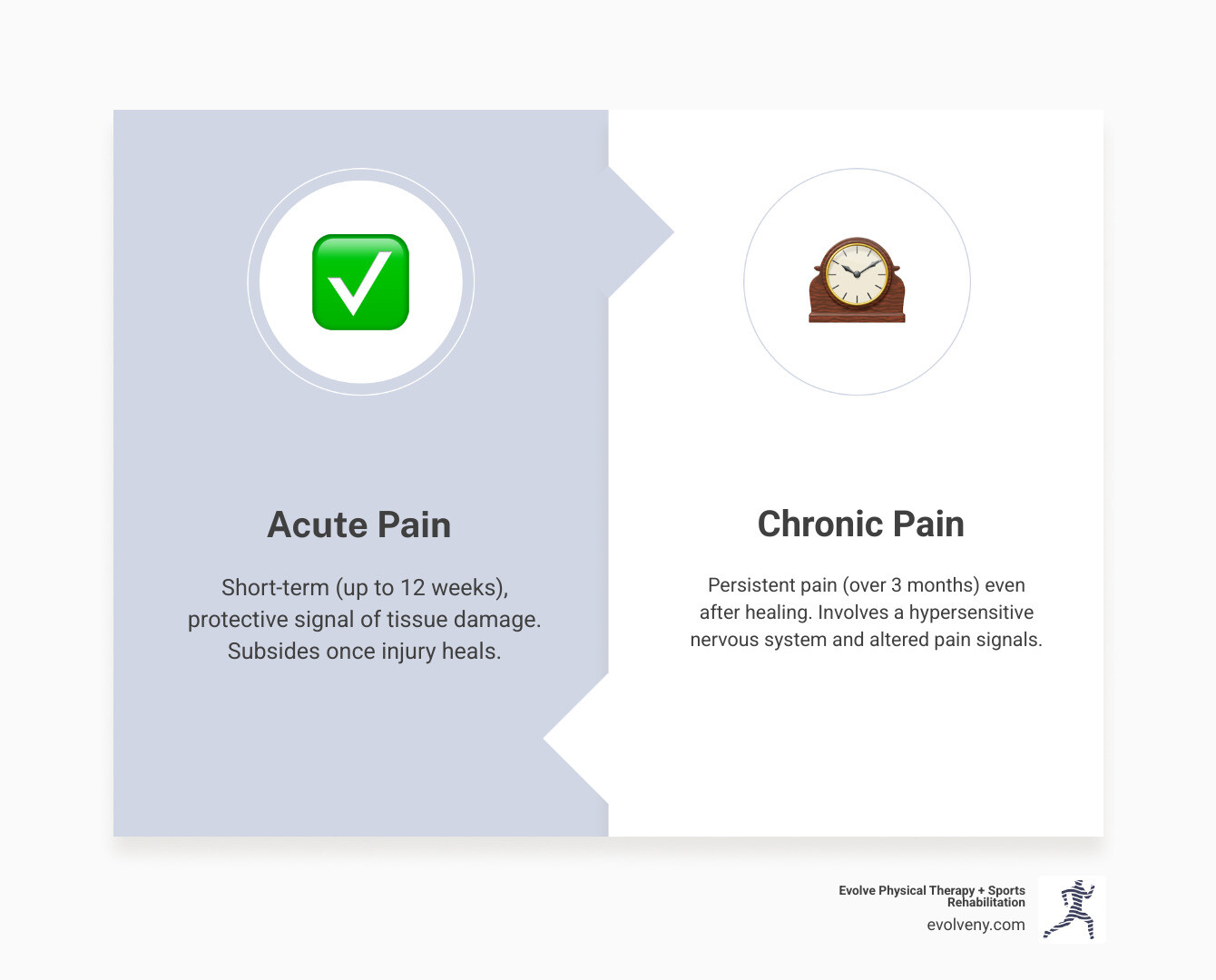
Understanding Chronic Pain: More Than Just an Ache
Acute pain is your body's alarm system, like the sharp pain from a burn that fades as you heal. It's a protective signal that typically resolves within 12 weeks.
Chronic pain is different. It's pain that lasts more than three months, persisting long after an injury has healed, as the nervous system continues to send pain signals. As the National Institute of Neurological Disorders and Stroke explains, while acute pain alerts you to injury, "chronic pain persists. Pain signals keep firing in the nervous system long after the injury has healed."
For example, ankle sprain pain that lasts six months instead of a few weeks is chronic pain, even if the original injury has healed completely.
This persistence is often due to central sensitization, where the nervous system's 'volume control' gets stuck on high. Your brain and spinal cord become hypersensitive, turning normal sensations like a gentle touch into pain.
The brain's role in pain is complex. Your brain actively creates your pain experience based on factors like past experiences, emotions, and stress. This is why stress can often worsen pain.
This is why we use the biopsychosocial model in physical therapy for chronic pain. We consider the biological (tissues), psychological (thoughts, emotions), and social (work, relationships) factors contributing to your pain. For instance, a person with chronic back pain may also have a fear of movement and anxiety about work, all of which are part of their pain experience.
Common Causes and Conditions
Chronic pain can develop from various sources, and understanding your specific situation helps us create the right treatment approach.
Previous injuries are common culprits. If an injury like a sprain or post-surgical recovery isn't fully rehabilitated, the nervous system can remain sensitized, turning acute pain into a chronic problem.
Arthritis affects millions with ongoing joint pain from inflammation and wear-and-tear. Physical therapy is proven to help people with osteoarthritis or rheumatoid arthritis improve movement and reduce pain. More info about Physical Therapy for Arthritis.
Fibromyalgia creates widespread pain, fatigue, and amplified pain signals in the brain. Our gentle, educational approach helps patients gradually and safely increase their activity levels. More info about Physical Therapy for Fibromyalgia.
Neuropathic pain results from nerve damage and creates sensations like burning, tingling, or shooting pain. Conditions like sciatica or diabetic neuropathy fall into this category.
Back and neck issues are among the most common chronic pain conditions we treat. Chronic low back pain was identified as the single greatest cause of "years lived with disability" worldwide, making effective treatment crucial.
How Chronic Pain Impacts Your Life
Living with chronic pain touches every corner of your life.
Physical effects create a frustrating cycle. Pain makes you move less, leading to deconditioning (weaker muscles, stiffer joints). This unfortunately can make you more susceptible to pain.
The emotional toll is immense, with about 67% of people with chronic pain also struggling with anxiety and depression. It's exhausting to hurt every day, and it's understandable to feel hopeless or irritable.
Social withdrawal often follows. You might cancel plans or avoid activities for fear of worsening the pain. This isolation can increase feelings of depression and anxiety.
The impact on work and daily activities can be devastating. Chronic pain is a leading cause of disability, affecting your ability to work, care for your home, or enjoy hobbies. According to a CDC study, over 20% of U.S. adults experience these challenges.
Physical therapy for chronic pain addresses all these impacts, helping you break the pain cycle and regain your life.
The Role of Physical Therapy for Chronic Pain
At Evolve Physical Therapy, we empower you to take control of your pain. Our approach to physical therapy for chronic pain begins with a comprehensive initial evaluation to understand not just where it hurts, but why.
During this diagnostic process, we'll discuss your history and daily routines, then perform a hands-on assessment of your posture, flexibility, and movement to find imbalances contributing to your pain. Unlike imaging like MRIs (which often show abnormalities in pain-free people), our evaluation focuses on your functional movement.
Together, we'll set functional goals that matter to you, whether it's sleeping through the night or hiking again. Your goals drive your treatment plan.
A powerful benefit of physical therapy is reducing your reliance on medication. By addressing root causes and teaching self-management strategies, we help you need fewer pain medications, avoiding their potential side effects and dependency risks.
Our ultimate goal is a genuine improvement in your quality of life. We want to help you reclaim the activities, relationships, and experiences that chronic pain may have stolen from you.

Goals of Physical Therapy for Chronic Pain
We partner with you to achieve several interconnected goals for lasting change.
Pain reduction is a primary goal. We use various techniques to calm overactive pain signals and provide significant relief.
Improved mobility follows as pain decreases. We work to restore fluid, easy movement in your joints and muscles.
Building increased strength and endurance is crucial. We safely help you rebuild physical capacity so daily activities become less taxing.
Restored function means getting back to what matters most, like playing with your grandchildren or working without constant discomfort.
We foster patient independence by teaching you to become your own best therapist, understanding your body and knowing how to manage flare-ups.
Finally, we focus on preventing future pain episodes. By correcting underlying issues and teaching proper body mechanics, we help break the cycle of recurring pain.
Key Interventions and Techniques
Our physical therapy for chronic pain toolkit includes a variety of evidence-based treatments personalized for you.
Manual therapy is a cornerstone of our approach. These hands-on techniques, including skilled joint mobilization and soft tissue massage, restore movement and release tension. This therapeutic touch helps retrain the nervous system's response to sensation. Research on manual physical therapy for chronic pain
Therapeutic exercise is medicine for chronic pain. We use graded exposure, starting with comfortable movements and gradually progressing. This desensitizes your nervous system and helps you overcome the fear of movement.
Our strengthening and flexibility programs blend low-impact cardio with targeted strengthening and stretching to address your specific needs. For those with back issues, these exercises can be life-changing. More info about Physical Therapy for Back Pain Brooklyn
We may also use modalities as supportive treatments. TENS units can help block pain signals, while heat and ice therapy relax muscles and reduce inflammation.
The key to our success is combining these approaches into a personalized treatment plan that evolves as you progress.
Your Partnership in Healing: Education and Active Participation
True healing from chronic pain is a partnership. We build a strong therapeutic alliance with you, based on trust and shared decision-making, where your goals and preferences shape your treatment plan. This collaboration is a powerful predictor of successful outcomes [Ferreira et al. 2013, Therapeutic alliance].
Your active role is paramount. Physical therapy for chronic pain is a process you actively participate in. Consistency with your home exercise programs is crucial for progress. Think of us as your coaches; we provide the roadmap and tools, but you're in the driver's seat.
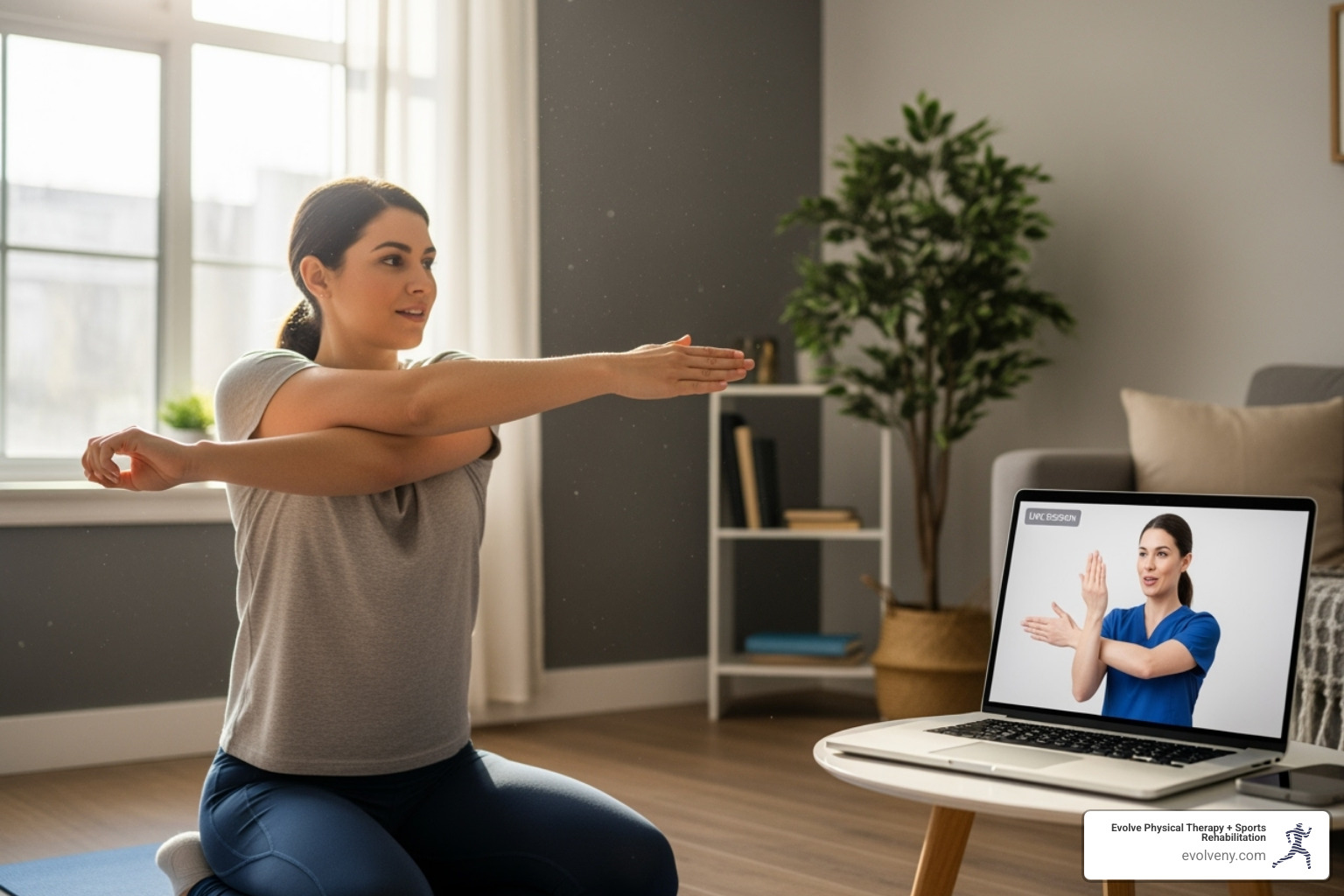
Pain Neuroscience Education (PNE)
Pain Neuroscience Education (PNE) is a transformative tool where we teach you the biology of pain. Understanding that "pain does not always mean harm" is a crucial first step [Physiopedia]. Learning how your brain produces pain helps reduce fear of movement. This knowledge empowers you to re-engage in activities and change pain beliefs from "my body is broken" to "my nervous system is overprotective, and I can retrain it." PNE is a cornerstone of our approach to pain management and can greatly improve manual therapy effects Louw et al. 2017, A clinical perspective on a pain neuroscience education approach. More info about Pain Management in Brooklyn NY.
Behavioral Strategies for Managing Pain
We also equip you with behavioral strategies to gain control over your pain experience:
- Pacing Activities: Learn to balance activity and rest to avoid the "boom-bust" cycle. We teach you to break down tasks and take regular breaks to prevent pain flares.
- Goal Setting: We help you set realistic short-term and long-term goals, providing motivation and a clear path to recovery.
- Relaxation Techniques: Techniques like diaphragmatic breathing and progressive muscle relaxation help calm your nervous system and reduce muscle tension.
- Mindfulness: Mindfulness practices can help you observe pain without judgment, reducing the emotional distress associated with it and improving coping Hill et al. 2017, Changes in psychosocial well-being after mindfulness-based stress reduction.
- Improving Sleep Hygiene: We provide strategies to improve your sleep habits, as restorative rest is crucial for pain management.
- Stress Management: Since stress amplifies pain, we explore coping strategies to help you manage life's challenges without triggering flare-ups.
Integrating these strategies empowers you to become an active manager of your own pain, leading to greater independence and a better quality of life.
Advanced and Integrated Approaches to Pain Management
The best results in physical therapy for chronic pain come from a team approach. Each professional brings unique expertise to tackle different aspects of your pain.
At Evolve Physical Therapy, we regularly engage in collaboration with doctors and psychologists. This multidisciplinary care ensures we're addressing the physical, emotional, and social factors of your pain, not just the symptoms.
One of our most important roles is preventing the transition from acute to chronic pain. Early intervention with physical therapy can stop pain from becoming a long-term problem. By teaching proper movement and addressing fears about activity, we can interrupt the cycle that leads to chronic pain.
The shift in how we treat chronic pain represents a major breakthrough. We've moved from a purely biomedical model to a more effective biopsychosocial one.
| Feature | Biomedical Approach (Outdated) | Biopsychosocial Approach (Modern & Comprehensive) |
|---|---|---|
| View of Pain | Primarily a direct result of tissue damage or structural issue. | A complex experience influenced by biological, psychological, and social factors. |
| Focus of Treatment | Fixing the "problem" tissue; symptom suppression (e.g., surgery, medication). | Restoring function, reducing sensitivity, empowering self-management. |
| Patient Role | Passive recipient of treatment. | Active participant in their recovery. |
| Key Interventions | Medication, injections, surgery, passive modalities. | Exercise, education, manual therapy, psychological strategies, lifestyle changes. |
| Understanding of Healing | Pain resolves when tissue heals. | Pain can persist even after tissue healing; involves nervous system changes. |
This modern approach recognizes that you are an active participant in your recovery, and we are here to guide and support you.
The Impact of Technology in Physical Therapy
Technology is revolutionizing physical therapy for chronic pain, making treatment more accessible and effective.
Telehealth appointments offer incredible flexibility, eliminating travel stress and allowing us to see how you move in your own environment. This is particularly valuable for our patients with mobility challenges. More info about Physical Therapy for Neurological Disorders.
Virtual Reality (VR) for pain distraction is a powerful tool for pain management. By immersing you in a virtual world during exercises, it can redirect your brain's attention away from pain signals.
Wearable technology and app-based exercise programs help us track your activity, sleep, and response to exercises between visits. This data allows us to fine-tune your treatment plan and celebrate your progress.
Technology improves our partnership, empowering you to manage your pain while strengthening the crucial human connection in your healing journey.
Frequently Asked Questions about Chronic Pain and PT
We understand you have questions about chronic pain. Here are some honest, reassuring answers based on our experience.
How is chronic pain diagnosed by a physical therapist?
A physical therapist diagnoses chronic pain through a thorough evaluation. We start by listening to your story—your health history, the nature of your pain, and how it affects your daily life, sleep, and mood. Next, a physical exam assesses your strength and movement to identify patterns or imbalances contributing to your pain. These functional findings are often more revealing than an MRI. We don't rely heavily on imaging; instead, detailed questions about your symptoms and our physical assessment guide us to the factors crucial for your recovery.
Will physical therapy hurt?
This is a valid concern. The goal of physical therapy is to work within your comfort levels to reduce pain, not cause it. You might feel mild muscle soreness after some exercises—similar to after a good workout—but this is productive soreness, not harmful pain. We'll teach you the difference. We start slowly and progress gradually, never pushing you into sharp pain. Constant communication with your therapist is key. We are your partners in movement, and our goal is to build your confidence, not fear.
How long will I need physical therapy?
The duration varies for each individual based on their condition, the severity of the pain, and their personal goals. After your initial evaluation, your therapist will create a customized plan and timeline. Some patients feel better in a few weeks, while those with more complex conditions may need several months. Our ultimate goal is to empower you with self-management strategies. As you progress, you'll learn to handle flare-ups independently, and your visit frequency will decrease. The tools you gain will last a lifetime.
Take Control of Your Pain and Reclaim Your Life
I know how overwhelming chronic pain can be, making you feel trapped in your own body. But you have more power than you realize.
Physical therapy for chronic pain is about empowerment through movement and education. By understanding your pain and learning to retrain your body's responses, you become an active participant in your recovery.
I've watched thousands of patients reduce their pain levels, improve their mobility, and return to activities they thought were lost forever. These victories, big and small, are what matter.
Our approach is personalized, not cookie-cutter. We create personalized treatment plans that address your specific goals and work with your body's natural healing ability.
The importance of seeking expert care cannot be overstated. Chronic pain is complex, and you deserve guidance from professionals who understand the intricate relationship between your nervous system, movement, and pain experience.
At Evolve Physical Therapy + Sports Rehabilitation, our hands-on approach is designed to help you break the pain cycle and return to the activities you love. We combine evidence-based treatments with genuine care, giving you the tools and confidence for long-term success.
Your journey to better pain management starts with a single step. Relief is possible, and we're here to help you find it.
Begin your journey to a pain-free life with our physical therapy services.

Mobility Movement Training: Unlock Your Body's Potential
Why Your Body Needs More Than Just Flexibility

Mobility movement training is actively moving your joints through their full range of motion with strength and control. It combines flexibility, stability, and coordination to improve how your body functions daily.
What Mobility Movement Training Includes:
- Active range of motion - moving joints under your own muscle power
- Dynamic stretching - controlled movements that prepare muscles for activity
- Strength through range - building stability at different joint positions
- Functional patterns - movements that translate to real-world activities
- Joint health focus - keeping joints lubricated and properly aligned
Waking up stiff and tight is a sign your body needs more than occasional stretching—it needs mobility movement training.
Unlike passive stretching, mobility training challenges you to control your body through movement. Research shows that better mobility scores correlate with a six times lower injury risk. It's not just about touching your toes; it's about moving well in all directions.
As we age, joints can become stiff and our range of motion can decrease. The good news is that mobility movement training can combat these effects, helping you move with confidence.
I'm Lou Ezrick, a physical therapist with nearly two decades of experience. I've seen how mobility movement training is the foundation for pain-free movement and long-term joint health for everyone from trauma victims to active professionals.
Mobility vs. Flexibility: Understanding the Key Difference
Imagine someone who can easily pull their leg to their ear but stumbles when trying to kick a ball. That's the difference between flexibility and mobility movement training in action.
Most people confuse the two, but they are quite different. Flexibility is passive—it's how far your muscles can stretch with assistance, like holding a toe touch. Mobility movement training, on the other hand, is active—it's the ability to move through that range of motion with your own strength and control.
Here's how they stack up against each other:
| Feature | Mobility | Flexibility |
|---|---|---|
| Movement Type | Active (requires muscle engagement) | Passive (often assisted or static) |
| Focus | Joint health, control, stability, strength | Muscle lengthening, tissue extensibility |
| Primary Goal | How well you can move through a full range | How far you can stretch or be stretched |
| Application | Functional movements, athletic performance | Reaching passive end ranges, relaxation |
The key difference is that mobility is active, while flexibility is passive. Mobility requires your muscles, joints, and nervous system to work together in a coordinated effort.
What is Mobility Movement Training?
Mobility movement training takes a whole-body approach, teaching your muscles, joints, and nervous system to work together smoothly. It improves coordination and your body's awareness of its position in space.
This training focuses on real-life movement patterns like squatting, reaching, and twisting. These are life skills, not just gym exercises. At Evolve Physical Therapy, we see how this integrated approach helps people move more efficiently. For more insight, check out our article on the Difference Between Mobility and Movement.
Why Flexibility Isn't Enough
Ever wonder why you can touch your toes but still feel stiff or get injured? The problem is that passive flexibility alone doesn't prepare your body for active movement.
If your muscles aren't strong through their full range, your body compensates. For example, a lack of hamstring control can lead to an overworked lower back or tight hips, causing nagging pain.
Mobility movement training builds strength and control within your available range. It's the difference between passively doing the splits and actively kicking a soccer ball—one requires control, the other doesn't. Dancers and gymnasts don't just stretch; they practice controlled movements. They need both strength and control, which is what mobility movement training brings to everyday life.
The Core Benefits of Mobility Movement Training
Imagine waking up without stiffness, reaching for a high shelf without wincing, or tying your shoes with ease. These are the real-world benefits that mobility movement training delivers.

You'll quickly notice reduced pain and stiffness and improved posture. Mobility work addresses daily discomforts by teaching your joints to move freely with proper muscle support.
For regular exercisers, mobility training transforms workouts by improving efficiency, balance, and agility. Crucially, it reduces injury risk. Research shows that better mobility scores correlate with a six times lower likelihood of injury. The long-term benefits are an investment in longevity and quality of life, paving the way for decades of pain-free activity.
Injury Prevention and Improved Performance
Most injuries occur not where you feel tight, but where your body compensates. A stiff mid-back can lead to an overworked lower back; restricted hips can strain your knees.
Mobility movement training breaks this compensation cycle by ensuring each joint does its part, leading to improved movement efficiency. It's the ultimate warm-up, preparing your body for workouts by increasing blood flow, activating the nervous system, and lubricating joints.
This preparation significantly decreases overuse injuries because no single area is overwhelmed. Paired with practices like Dynamic Balance Training, it's your best defense against common injuries. Better mobility also means deeper squats and effortless overhead movements, making your workouts more effective.
Better Daily Life and Healthy Aging
Aging and modern lifestyles—like hours of sitting—naturally lead to stiffer, achier bodies. The empowering truth is that mobility movement training can slow or even reverse many of these changes.
It combats the effects of sitting by restoring hip flexibility and postural strength, and it eases everyday tasks like reaching or dressing, ensuring these activities remain natural and joyful.
The National Institute on Aging confirms that maintaining mobility is key to living independently as we age. Mobility training directly supports this by keeping you capable and confident. It's never too late to start. By mitigating age-related stiffness, you invest in an active future and the independence to live life on your terms.
Essential Mobility Exercises for the Whole Body
Ready to move better? The beauty of mobility movement training is its simplicity. These exercises target common problem areas to build a foundation for fluid, pain-free movement. Think of them as daily maintenance for your joints. For more ideas, see our guide to the Best Mobility Movements.
Hip Mobility Exercises
Tight hips can cause lower back and knee pain. These exercises help restore mobility.
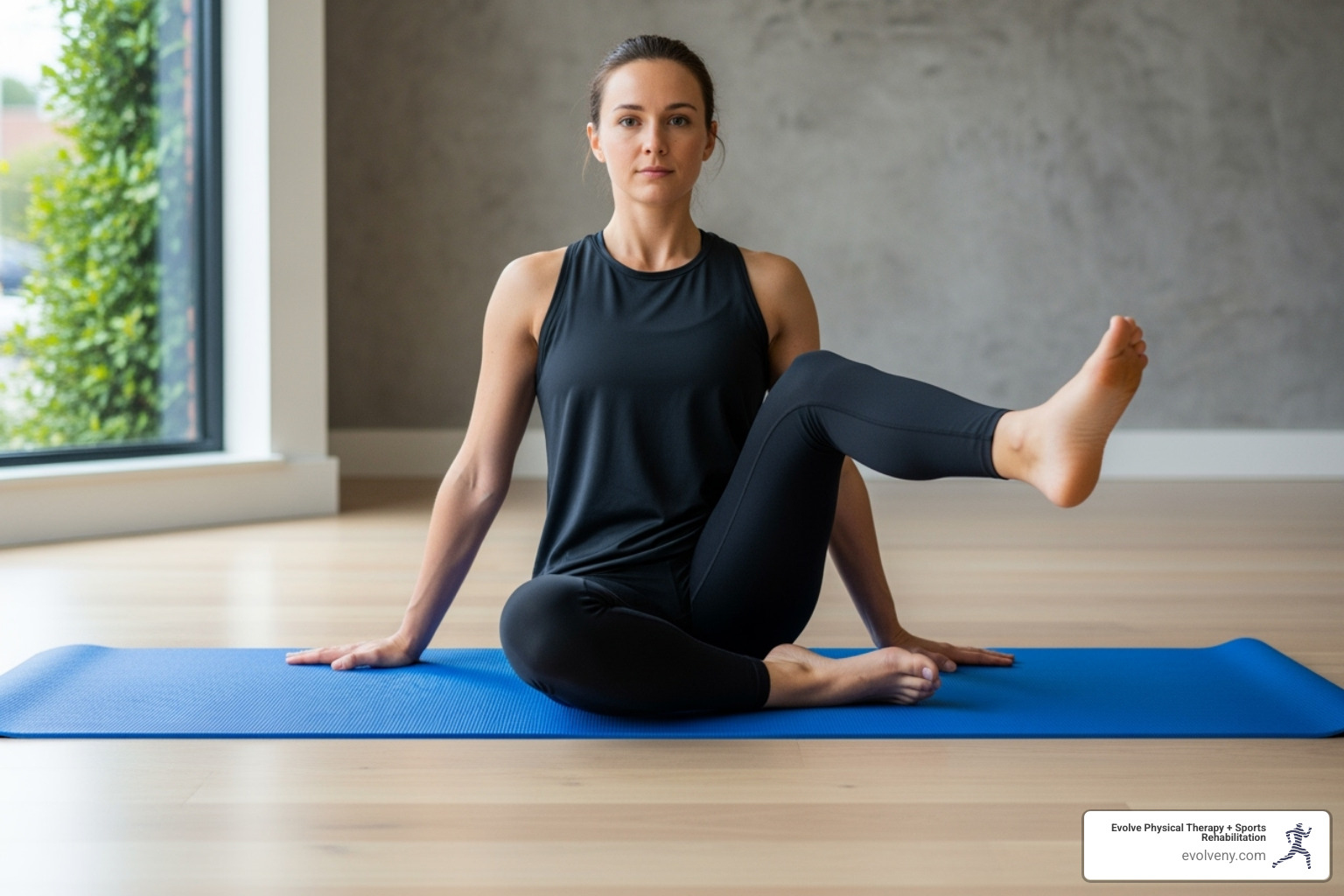
- 90/90 Hip Switch: Seated with knees bent at 90 degrees (one forward, one to the side), keep your back straight and smoothly switch your legs to the opposite side. This improves internal and external hip rotation.
- Spider Lunge: From a plank, step one foot outside your hand. Keep the back leg straight or drop the knee to the ground. This opens tight hip flexors.
- Cossack Squats: Stand with feet wide apart. Shift your weight to one side, bending that knee into a squat while keeping the other leg straight.
- Seated Figure-4 Stretch: Sit with knees bent, cross one ankle over the opposite knee, and gently pull the bottom knee toward your chest to target deep hip rotators.
For a deeper dive, check out our guide on Hip Mobility Movements.
Spine and Back Mobility Exercises
Our spines are meant to move in all directions, but modern life makes them stiff. These exercises help restore that motion.
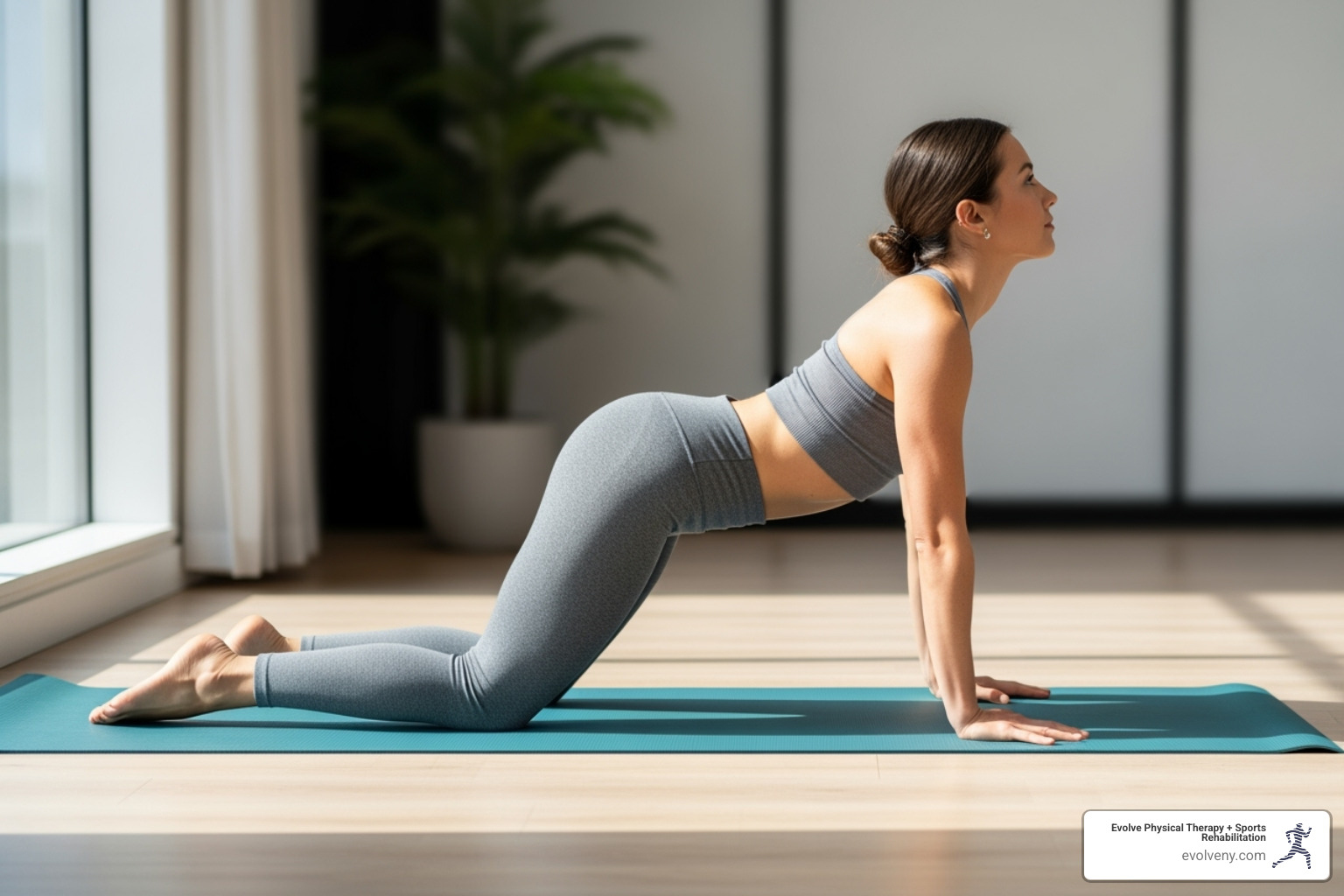
- Cat-Cow: On your hands and knees, alternate between arching your back (cow) and rounding it (cat) to warm up the spine and counteract sitting.
- Thoracic Rotations (Open Books): Lie on your side with knees bent. Slowly open your top arm like a book, allowing your upper back to rotate. This targets mid-back stiffness.
- World's Greatest Stretch: From a lunge, this stretch combines hip mobility, thoracic rotation, and a hamstring stretch, making it a highly efficient movement.
- Lumbar Windshield Wipers: Lie on your back with knees bent and gently drop them from side to side. This soothes the lower back and maintains rotational mobility.
These movements complement the approach we use in Therapeutic Exercise Brooklyn to restore healthy spinal function.
Shoulder and Ankle Mobility
Shoulder and ankle mobility are crucial. Stiff shoulders can cause neck pain, while tight ankles affect your entire movement chain.
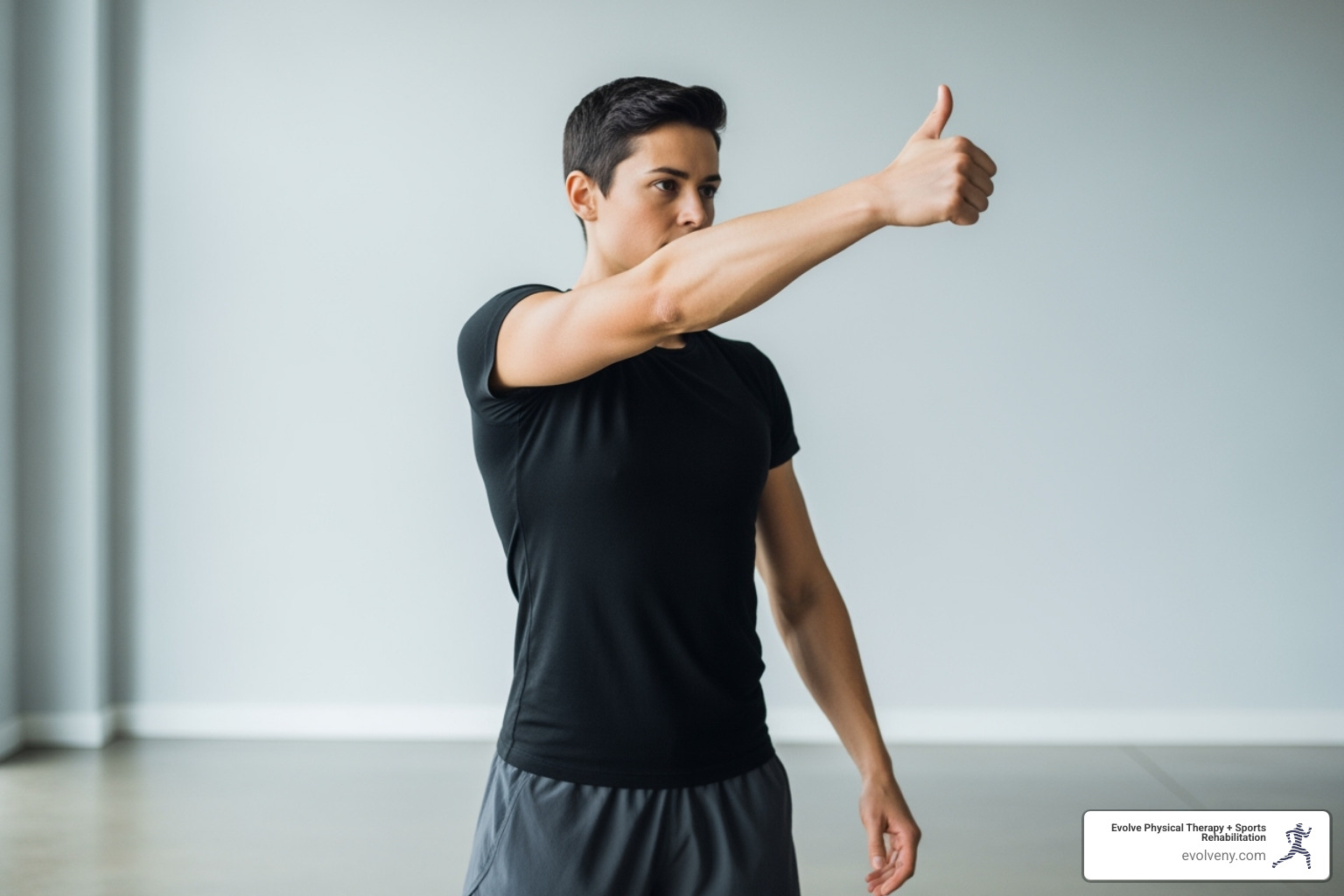
- Shoulder CARs (Controlled Articular Rotations): Stand tall and slowly make the largest possible circle with one arm, keeping your body still. This teaches controlled shoulder movement.
- Dead Hangs: Hang from a pull-up bar for 10-15 seconds, letting gravity stretch your shoulders and decompress your spine. Build up time gradually.
- Wall Ankle Mobilization: Face a wall, place one foot a few inches away, and drive your knee toward it while keeping your heel down. This mobilizes the ankle.
- Downward-Facing Dog: This classic yoga pose stretches the calves, hamstrings, spine, and shoulders simultaneously, making it great for counteracting 'tech neck'.
For more targeted ankle work, explore our article on Ankle Mobility Movements.
How to Create Your Mobility Routine
Creating a mobility routine is about consistency over intensity. Like brushing your teeth, it's the daily habit that counts. Listen to your body, start slow, and progress gradually to build sustainable habits and avoid injury. Always prioritize proper form over range of motion; forcing movements leads to setbacks. For personalized guidance, explore our Therapeutic Exercise Programs.
Getting Started with Mobility Movement Training
- Frequency and Duration: Start with two to four sessions per week for 10 to 20 minutes. Consistency is more important than duration; even five-minute "movement snacks" throughout the day are effective.
- Timing: Use dynamic mobility as a warm-up to prepare for workouts. Use deeper stretches for cool-downs or on rest days for active recovery.
- Tracking Progress: Keep a journal or film yourself monthly to stay motivated and see how far you've come. For more ideas, see our tips for Balance Exercises at Home.
Safety and When to See a Professional
Always prioritize proper form over range of motion. A gentle stretch is good; sharp pain is not. If it hurts, stop.
Use caution with acute injuries, post-surgery recovery, or hypermobility. In these cases, professional guidance is key.
If you have chronic pain or specific concerns, consult a physical therapist. At Evolve Physical Therapy, we can design a personalized program to help you regain pain-free movement. This is crucial for complex issues like balance problems. Learn more about our Physical Therapy for Balance Disorders and how we can help.
Frequently Asked Questions about Mobility Training
As a physical therapist, I get these questions about mobility movement training almost daily. Here are the most common answers.
How long does it take to see results from mobility training?
You may feel some immediate relief after your first few sessions. With consistent practice (2-4 times per week), you can expect noticeable improvements in range of motion and daily comfort within 3-6 weeks. Lasting changes, like sustained joint health and reduced injury risk, build over several months. Consistency is the key to long-term benefits.
Can mobility training replace stretching?
Think of them as complementary. Traditional stretching is typically passive (holding a stretch), which is great for cooling down. Mobility movement training is active (controlling your body through a range of motion), making it ideal for warm-ups. Dynamic stretching is a form of mobility. A balanced routine includes both.
Is mobility training suitable for all ages and fitness levels?
Absolutely. Mobility movement training is adaptable for everyone, from beginners and athletes to seniors. For beginners, it builds a solid movement foundation. For athletes, it improves performance and prevents injury. For older adults, it combats stiffness and improves balance, which is why we offer programs like Balance Training for Seniors. Exercises can be modified for any fitness level or physical limitation, making it a truly universal practice.
Open up Your Potential with a Hands-On Approach
Movement should feel effortless. As we've covered, mobility movement training delivers powerful benefits: injury prevention, improved daily function, and long-term joint health. But knowing what to do isn't the same as doing it effectively. The right guidance is key.
At Evolve Physical Therapy + Sports Rehabilitation, our hands-on approach gets results. We don't just give you an exercise list; we evaluate your unique movement patterns to find the root cause of your limitations. Then, we guide you through a personalized mobility movement training program.
Whether you're dealing with nagging pain or want to improve athletic performance, we meet you where you are. Our convenient Brooklyn locations in Marine Park, Gravesend, Midwood, Park Slope, and Mill Basin are ready to help you start.
We focus on both healing current problems and strengthening your body to prevent future ones. Our goal is to empower you with the tools for long-term independence.
Taking the first step is simple. Schedule an evaluation to assess your movement and create a roadmap to your goals. Don't let stiffness or discomfort limit you another day. Ready to open up your body's potential? Learn more about our physical therapy services and find the freedom of moving well.
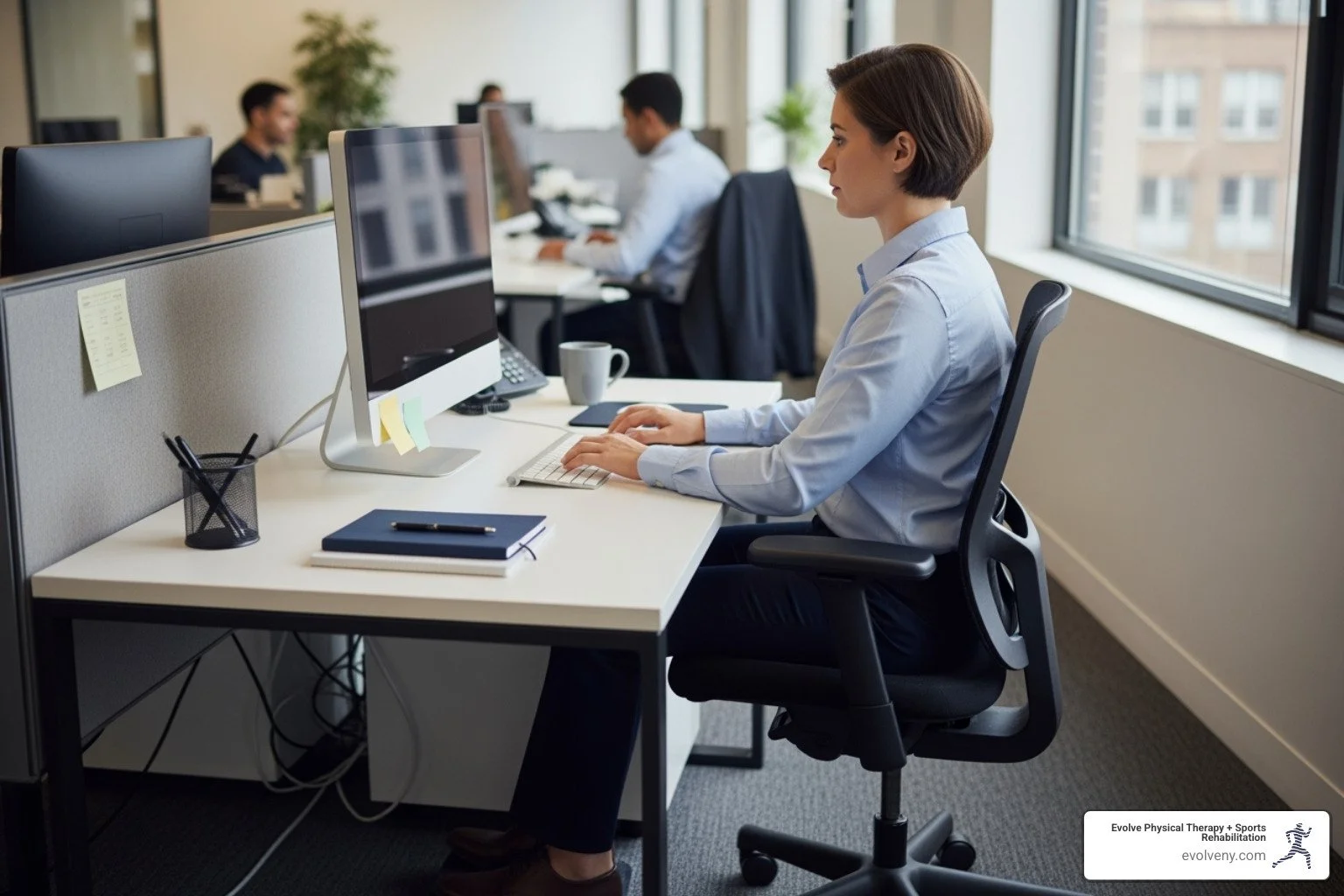
How to Nail Your Sitting Posture at Work
Why Sitting Posture at Work Matters More Than You Think
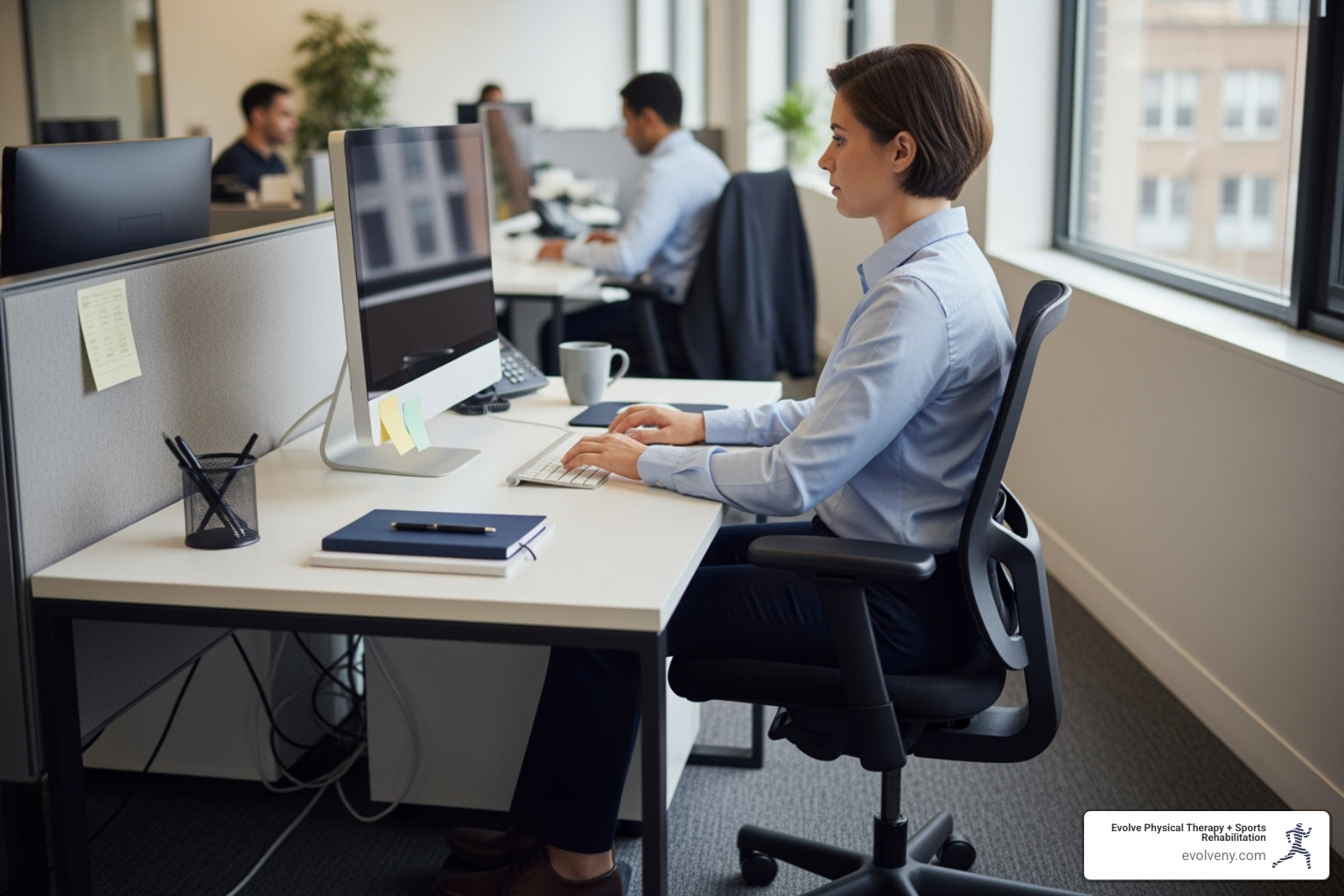
Sitting posture at work directly impacts your health, productivity, and comfort. With many employees spending up to 9 hours a day at a desk, this sedentary reality has earned sitting the nickname "the new smoking."
Quick Answer: The Basics of Correct Sitting Posture at Work
- Feet flat on the floor or footrest
- Knees at 90 degrees, level with or slightly below your hips
- Back supported by your chair, maintaining the natural curve of your lower back
- Shoulders relaxed, not hunched or raised
- Elbows at 90 degrees, close to your body
- Monitor at eye level, about an arm's length away
- Head aligned over your spine, not jutting forward
Poor posture leads to more than just discomfort; it causes significant health problems. The British Chiropractic Association reports that 73% of people struggle with daily back pain, often linked to how they sit. The damage can also include neck pain, digestive issues, reduced lung capacity, and an increased risk of diabetes and cardiovascular disease.
The good news is that small adjustments make a huge difference. Proper sitting posture at work can reduce pain, boost energy, and protect your long-term health.
I'm Lou Ezrick, a physical therapist at Evolve Physical Therapy with nearly two decades of experience. I've helped countless office workers find lasting relief from pain caused by poor posture through ergonomics and targeted exercises.
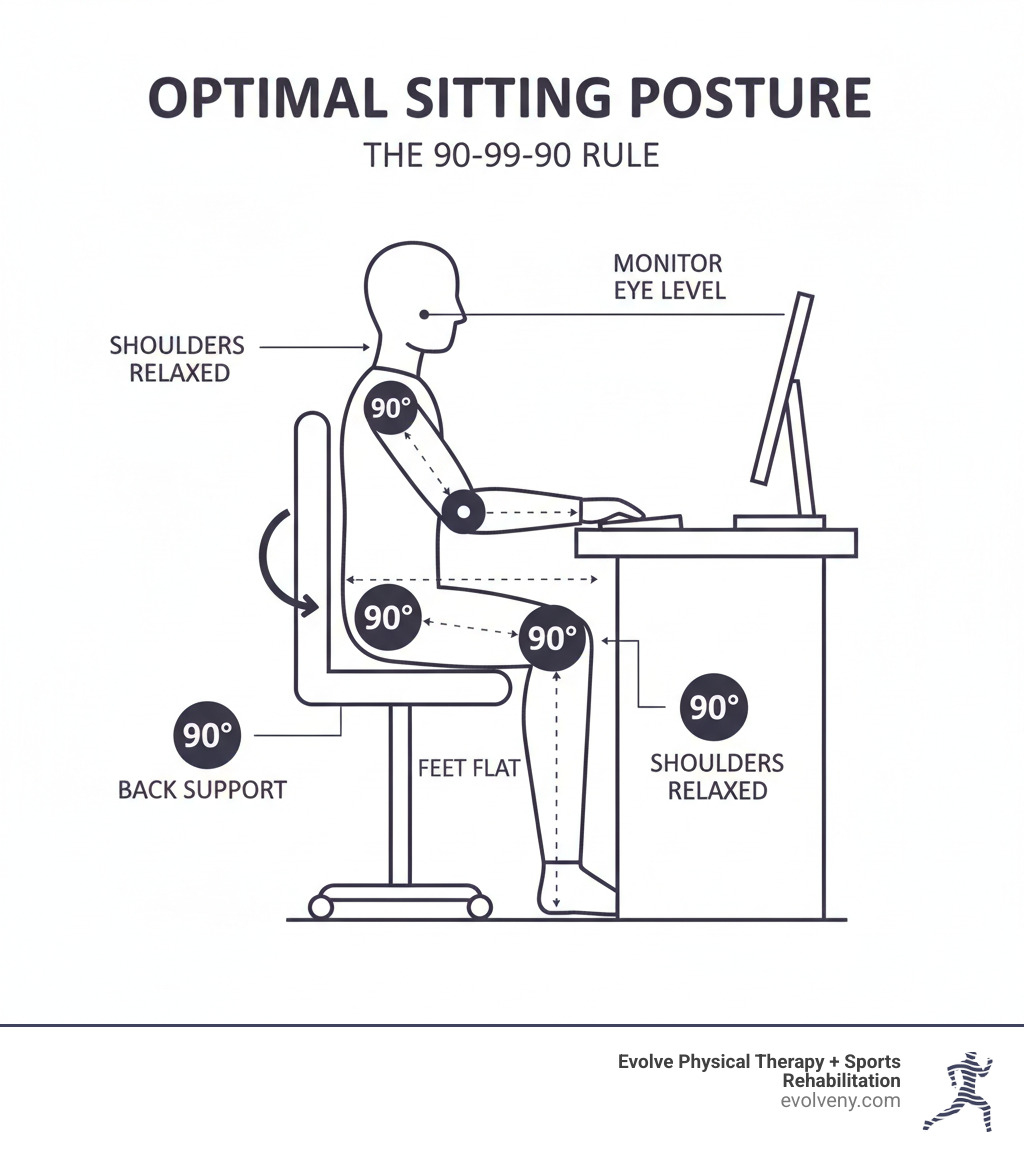
Why Good Posture Is More Than Just Looking Good
Good posture isn't just about looking professional; it's about protecting your body from long-term damage. When you consistently sit with poor posture, you're setting yourself up for chronic pain, digestive problems, and even mood changes. Sitting posture at work directly affects nearly every system in your body.
Health Risks Associated with Poor Sitting Posture at Work
Every hour of slouching adds up. Here’s what’s at stake:
- Chronic Back and Neck Pain: Incorrect sitting puts excess pressure on your spine, leading to premature disc degeneration. A 2020 survey found 41% of remote workers reported new lower back pain. The toll on our bodies from prolonged sitting is significant.
- Digestive Issues: Slouching compresses your abdominal organs, slowing digestion and causing discomfort.
- Reduced Lung Capacity: Hunching forward makes it physically difficult to take deep breaths, reducing oxygen flow to your brain and muscles.
- Increased Disease Risk: Prolonged sitting is linked to a higher risk of type 2 diabetes and heart disease.
- Widespread Joint Pain: A misaligned spine creates a domino effect of pain and stiffness in your hips, knees, and ankles.
- Fatigue and Headaches: Muscles working overtime to support an imbalanced body lead to exhaustion and tension headaches.
Benefits of Maintaining Good Posture While Working
The benefits of good sitting posture at work are immediate and substantial:
- Pain Reduction: Proper spinal alignment takes pressure off your discs, ligaments, and muscles. More on the benefits of good posture highlights this significant relief.
- Increased Energy: An aligned spine allows muscles to work efficiently, conserving energy for your tasks.
- Improved Focus: Without the distraction of nagging pain, you can concentrate better on your work.
- Better Organ Function: Good posture prevents compression of blood vessels and organs, improving circulation and allowing your lungs to expand fully.
- Mood Boost: Research shows that sitting upright can positively influence your emotional state.
- Long-Term Health: You're protecting your joints and muscles from excessive wear and tear, investing in future mobility.
Signs You Have Poor Posture
Are you listening to your body's warning signs? Here’s what to look for:
- Chronic Back, Neck, and Shoulder Pain: Persistent soreness or knots that never loosen are classic signs of overworked muscles.
- Frequent Headaches: Tension headaches starting at the base of your skull often trace back to neck strain.
- General Body Aches: Discomfort in your hips, knees, or ankles can stem from spinal misalignment.
- Muscle Fatigue: If your back and neck muscles feel constantly tired, they're overcompensating for poor alignment.
- Visible Changes: Look for rounded shoulders or a potbelly appearance, which can occur when your core muscles disengage.
Common Mistakes That Ruin Your Sitting Posture at Work
These common habits can sabotage your posture. Avoid:
- Slouching or Hunching: This strains your neck and spine, restricts breathing, and compresses organs.
- Crossing Your Legs: This misaligns your pelvis and spine and can restrict blood flow. Keep both feet flat on the floor.
- Perching on the Edge of Your Chair: This forces your back muscles to work constantly. Use your chair's backrest for support.
- Cradling Your Phone: Use a headset or speakerphone to avoid neck strain.
- 'Tech Neck': This forward head posture occurs when your screen is too low. As one expert explains: "When your spine is aligned correctly, your muscles can support you with minimal strain. But if you slouch or hunch, muscles have to work harder, leading to fatigue and pain."
- Dangling Feet: Use a footrest if your feet don't reach the floor to ensure proper support and pelvic alignment.
- Sitting Too Rigidly: Aim to maintain your spine's natural curves, not a stiff, military-style posture.
- Ignoring Breaks: Your body needs to move. No single position is healthy for hours on end.
How to Achieve the Ideal Sitting Posture at Work: Your Ergonomic Setup Guide
Achieving ideal sitting posture at work isn't about holding a single "perfect" position. It's about creating an ergonomic workspace that supports your body and encourages movement. This concept is known as "dynamic sitting"—the idea that "the next posture is the best posture." Regularly shifting and stretching is key.
An ergonomic setup is your foundation. For a comprehensive overview, see this office ergonomics how-to guide. Let's build your setup, and for more details, see our guide on Ideal Computer Posture.
Your Chair: The Foundation of Good Posture
Your chair is the foundation of good posture. Adjust it correctly:
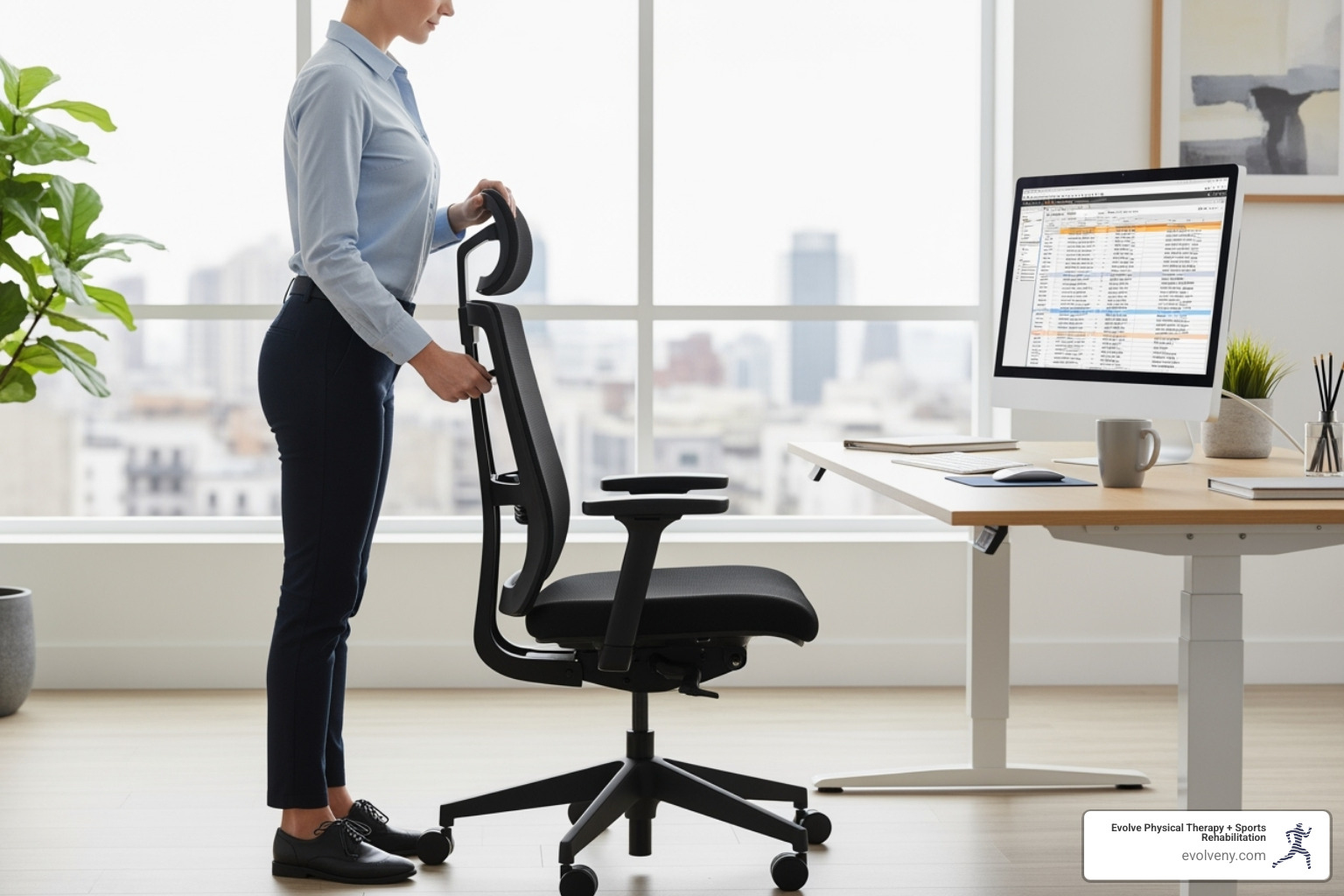
- Chair Height: Adjust the height so your feet rest flat on the floor (use a footrest if needed). Your knees should be at or slightly below hip level (a 90-degree angle). This usually means a seat height of 16-21 inches.
- Lumbar Support: Sit all the way back in your chair so your lower back's natural inward curve is supported. If your chair lacks support, use a small cushion or rolled-up towel.
- Backrest: Keep your back against the chair. Don't perch on the edge, which forces your back muscles to work overtime.
- Armrest Height: Adjust armrests so your elbows are close to your body at a 90-degree angle, with shoulders relaxed and low.
- Seat Depth: You should be able to fit about three fingers between the back of your knees and the seat's edge. This prevents pressure and ensures good circulation.
Your Monitor: Positioning for a Neutral Neck
Incorrect monitor placement is a common cause of neck pain. Follow these steps:
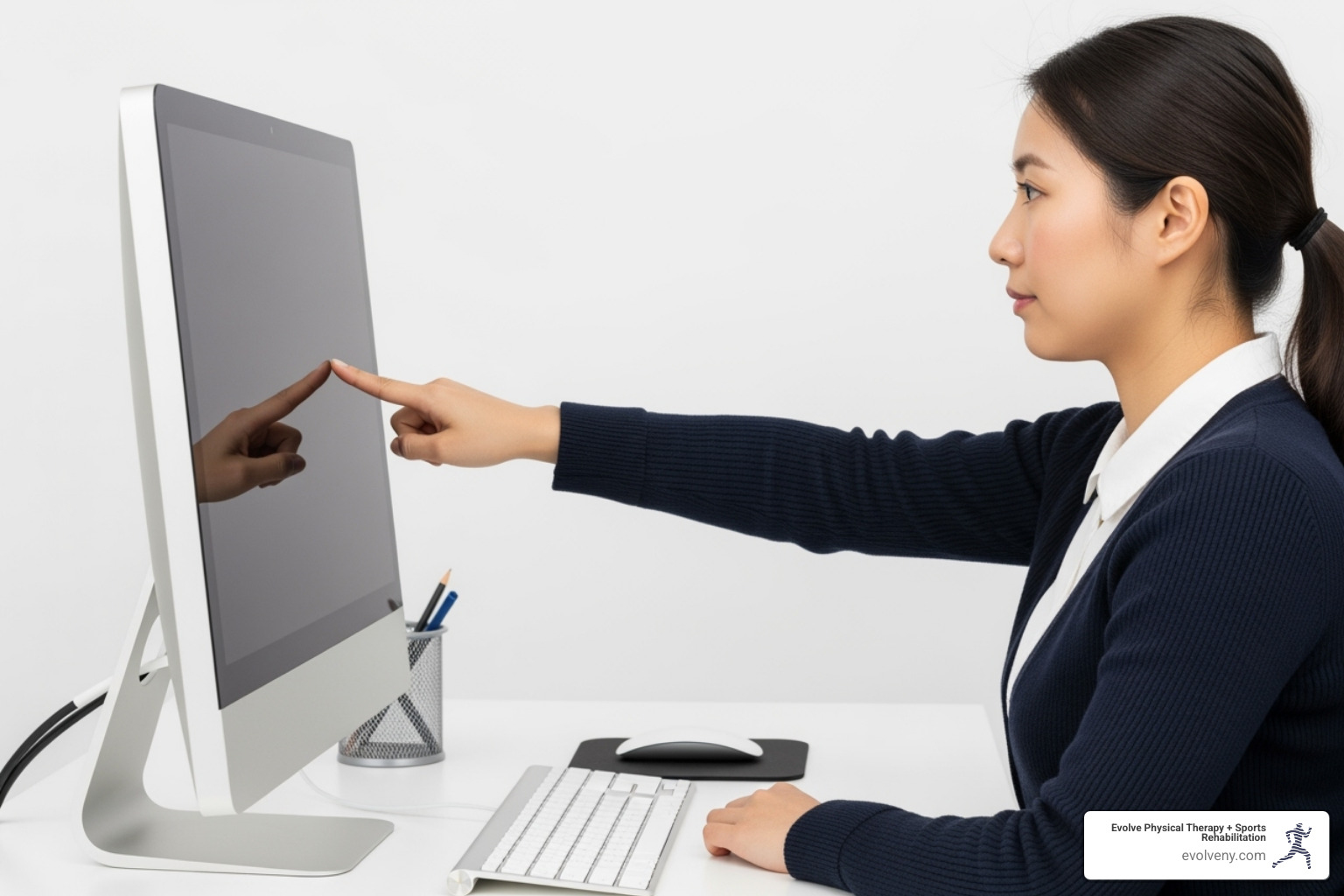
- Distance: Position your monitor about an arm's length away (typically 20-40 inches).
- Height: The top of your screen should be at or slightly below eye level. This keeps your head balanced over your spine. If you wear bifocals, you may need to lower it an inch or two.
- Position: Center the monitor directly in front of you. If using dual monitors, place the primary one in the center or center both if used equally.
- Adjustments: Use monitor risers or sturdy books to achieve the correct height. For laptops, an external keyboard, mouse, and laptop stand are essential for good posture.
For more screen setup advice, see our guide on Correct Computer Posture.
Your Keyboard and Mouse: Protecting Your Wrists
Protect your wrists from repetitive strain with these adjustments:
- Wrist Position: Keep wrists straight and neutral, not bent up, down, or sideways.
- Keyboard Height: Position your keyboard so your forearms are parallel to the floor, with elbows at a 90-degree angle and close to your body.
- Mouse Placement: Keep your mouse close to your keyboard at the same level to avoid reaching.
- Shoulders: Keep your shoulders relaxed and low, not hunched.
Consider using keyboard shortcuts to reduce mouse use. For more on workstation setup, explore our guide on Home Office Ergonomics.
Beyond the Setup: Maintaining Good Posture All Day
An ergonomic setup is only half the battle. Movement is medicine. Our bodies aren't designed for static positions, so even perfect posture becomes strained over time. Prolonged sitting shortens hip flexors, which can pull on your hips and cause lower back pain.
The solution is "dynamic sitting"—the idea that your next posture is your best posture. Shift, stretch, and change positions regularly. The Canadian Centre for Occupational Health and Safety recommends moving every 50 minutes, but even a micro-break every 30 minutes helps.
- Use the Pomodoro Technique: Work for 25 minutes, then take a 5-minute break to stand or walk.
- Use a Standing Desk: Alternate between sitting and standing, aiming to stand for 5-10 minutes every hour.
Regular movement improves blood flow, reduces stiffness, and prevents the cumulative strain that leads to chronic pain. For personalized guidance, consider Physical Therapy for Posture Training.
The Checklist for Correct Sitting Posture at Work
Run through this quick mental checklist a few times during your workday. The NHS sitting posture tips echo many of these same principles.
Start from the ground up. Your feet should be flat on the floor or a stable footrest—never crossed. Your knees should bend at roughly 90 degrees, positioned level with or slightly below your hips. Moving up, your back needs full support from your chair's backrest, especially maintaining that natural curve in your lower back. Sit all the way back in your seat rather than perching on the edge.
Keep your shoulders relaxed and down—not hunched up toward your ears. Your elbows should stay close to your sides, bent at about 90 degrees. Finally, check that your head is aligned directly over your spine with your chin slightly tucked. This prevents that all-too-common forward head posture that causes so much neck strain.
Simple Stretches and Exercises You Can Do at Your Desk
Incorporate these simple desk stretches to counteract the effects of sitting:
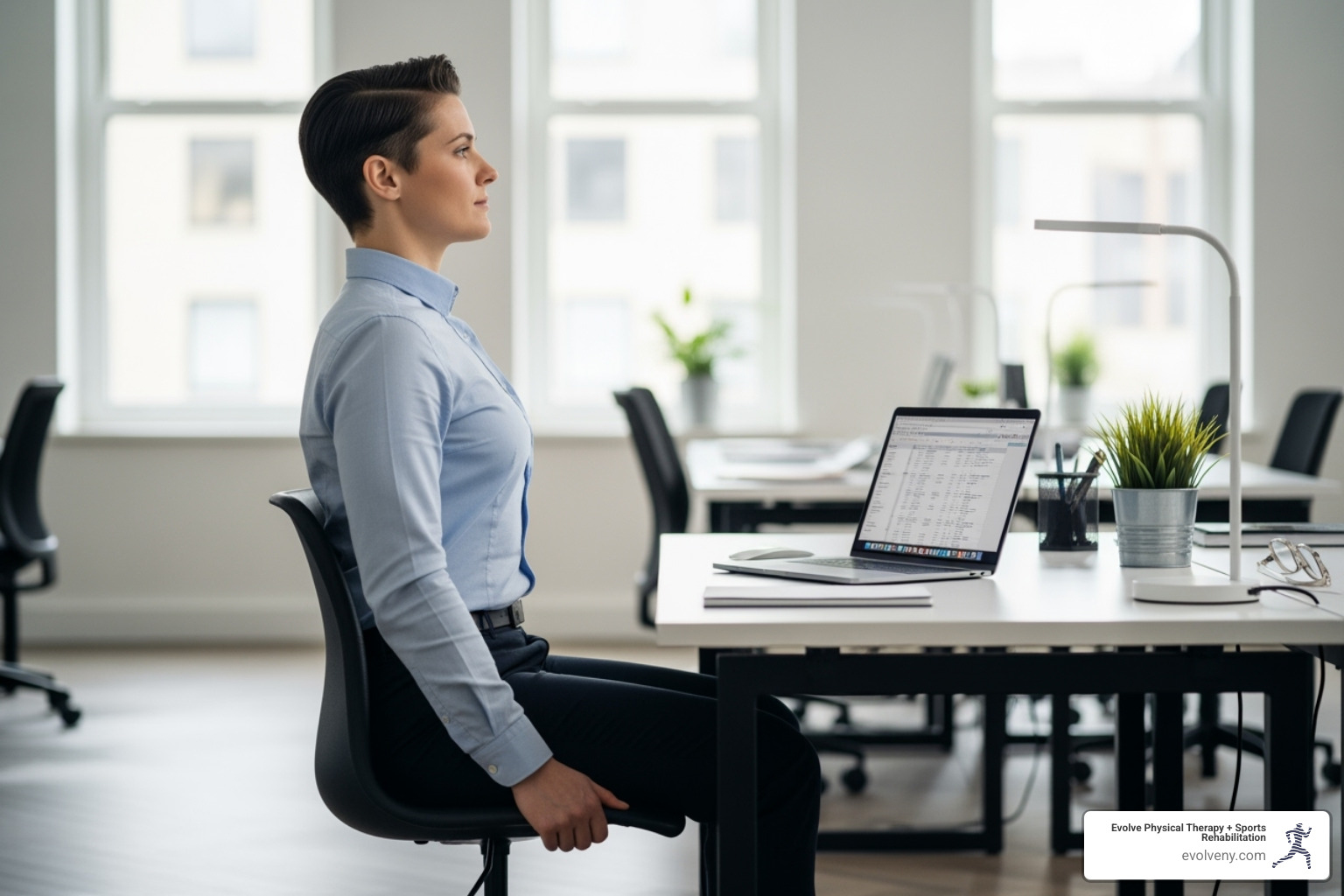
- Chin Tucks: To combat forward head posture, gently pull your chin straight back (making a double chin). Hold for 5 seconds and repeat 10-15 times.
- Shoulder Blade Squeezes: Sit tall and squeeze your shoulder blades together as if holding a pencil between them. Hold for 5-10 seconds and repeat 10-15 times.
- Chest Stretch: In a doorway, place your forearms on the frame and gently step forward until you feel a stretch across your chest. Hold for 20-30 seconds.
- Seated Spinal Twist: Sit tall with feet flat on the floor and gently twist your torso to one side, using the chair for light support. Hold for 15-30 seconds per side.
- Hip Flexor Stretch: Stand and lunge forward with one leg, keeping your back straight. You should feel a stretch in the front of the hip of your back leg. Hold for 20-30 seconds per side.
These movements take just a few minutes. For more targeted exercises, see our guide on Physical Therapy for Neck Pain and Neck Injuries.
Frequently Asked Questions about Desk Posture
Let's tackle the most common questions about sitting posture at work.
Is it bad to cross my legs while sitting?
Yes. While it may feel comfortable, crossing your legs tilts your pelvis and pulls your spine out of alignment, stressing your lower back. It can also compress nerves, causing a "pins-and-needles" sensation, and restrict blood flow. The best practice is to keep both feet flat on the floor or a footrest, with your weight evenly distributed.
How often should I take a break from sitting?
Even with perfect posture, you need to move. Aim to stand and move for a few minutes every 30-50 minutes. Set a timer or use a productivity method like the Pomodoro Technique (work 25 minutes, break 5 minutes) to build the habit. These breaks don't need to be long—a quick walk to the water cooler or a simple stretch is enough to improve blood flow, reduce muscle stiffness, and prevent the strain that leads to chronic pain.
Can a special cushion or posture corrector fix my posture?
They can be helpful tools, but they are not magic fixes. A lumbar cushion can provide needed support if your chair lacks it. Posture correctors (braces or wearables) can serve as temporary reminders, but over-reliance can weaken the core muscles you need to strengthen.
The most effective solution is a combination of a proper ergonomic setup, regular movement, and targeted strengthening exercises. This approach builds lasting strength and muscle memory. For a personalized plan that addresses the root cause of your issues, consult a physical therapist at Evolve Physical Therapy.
Conclusion
Your sitting posture at work is crucial for your long-term health, energy, and focus. As we've covered, poor posture can lead to chronic pain, digestive issues, and more, while good posture offers reduced pain, increased energy, and better overall health.
Good posture is a dynamic habit, not a static position. The goal is to create a supportive environment, move regularly, and stay aware of your body. Small adjustments—like raising your monitor or taking stretch breaks—make a huge impact. Start with one or two changes today.
If pain persists, professional help is key. Sometimes, you need expert guidance to address underlying muscle imbalances or long-standing postural habits.
At Evolve Physical Therapy + Sports Rehabilitation, we specialize in helping people throughout Brooklyn—from Marine Park to Park Slope, Gravesend to Mill Basin—overcome chronic pain. Our hands-on approach focuses on the root causes of your discomfort, with personalized treatment plans to heal your body and build lasting strength. Don't let poor posture hold you back from feeling your best.
Learn how ergonomic physical therapy in Brooklyn can help you build lasting posture habits

Don't Fall for It – Physical Therapy Exercises for Better Balance
Why Balance Problems Affect More People Than You Think
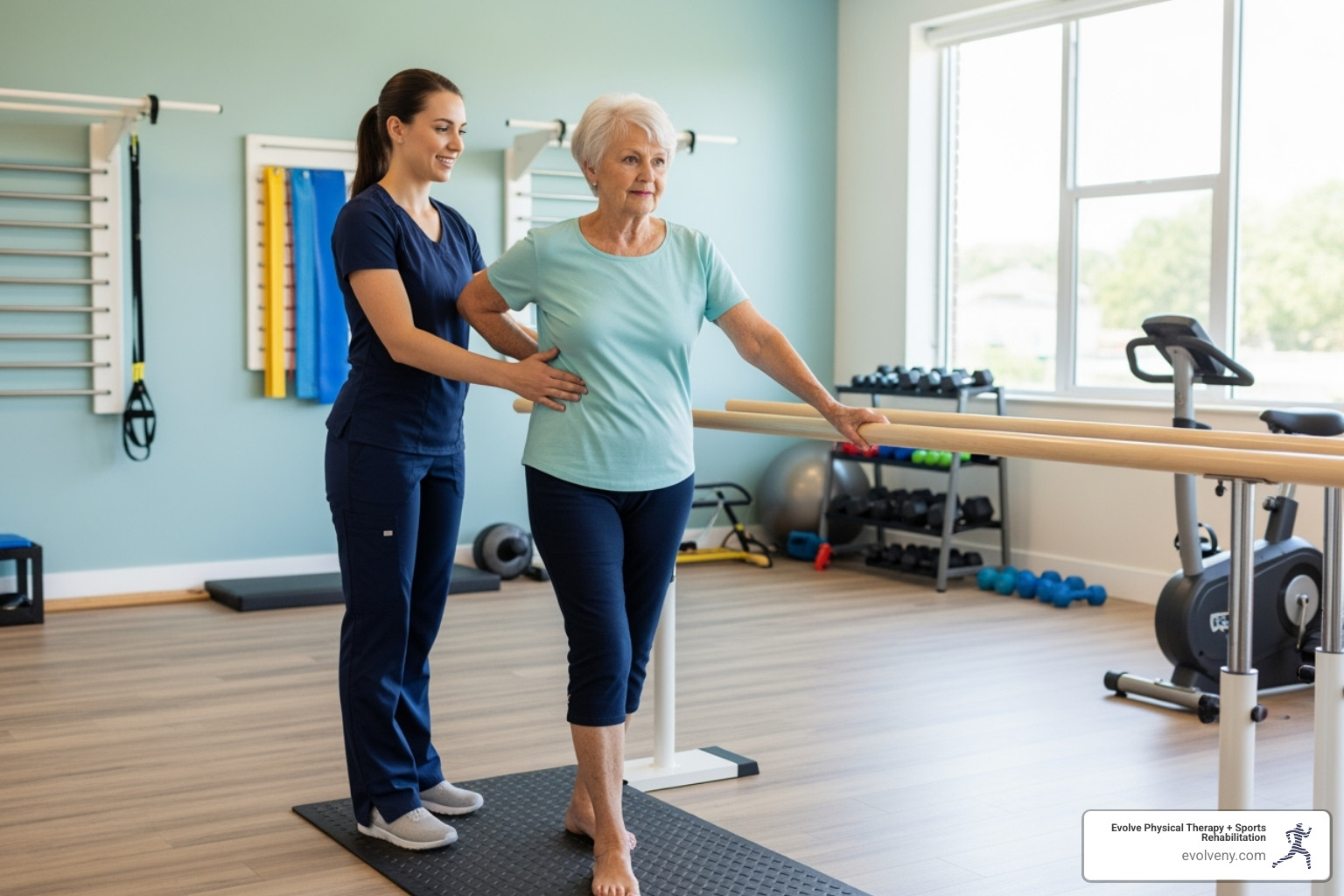
Physical therapy for balance is a specialized approach that helps millions regain stability, reduce fall risk, and restore confidence. It's proven to reduce fall risk in older adults by improving strength, coordination, and reaction time. Physical therapists use targeted exercises and vestibular rehabilitation therapy (VRT) to address root causes like inner ear problems, muscle weakness, and even medication side effects.
A physical therapist conducts a comprehensive balance assessment to create a personalized treatment plan. This involves hands-on therapy, strengthening exercises, and education on fall prevention.
Every second, a senior falls in the United States, but the good news is that falls are largely preventable. Balance is a skill you can improve at any age. Whether you're dealing with instability from an injury or just noticing you're not as steady as you used to be, physical therapy can help. It offers a proven path to rebuild the strength, coordination, and confidence needed to stay active.
I'm Lou Ezrick, founder of Evolve Physical Therapy. With nearly two decades of experience, I've seen that a personalized, hands-on approach to physical therapy for balance is the most effective way to help people overcome these challenges and address the whole person, not just the symptoms.
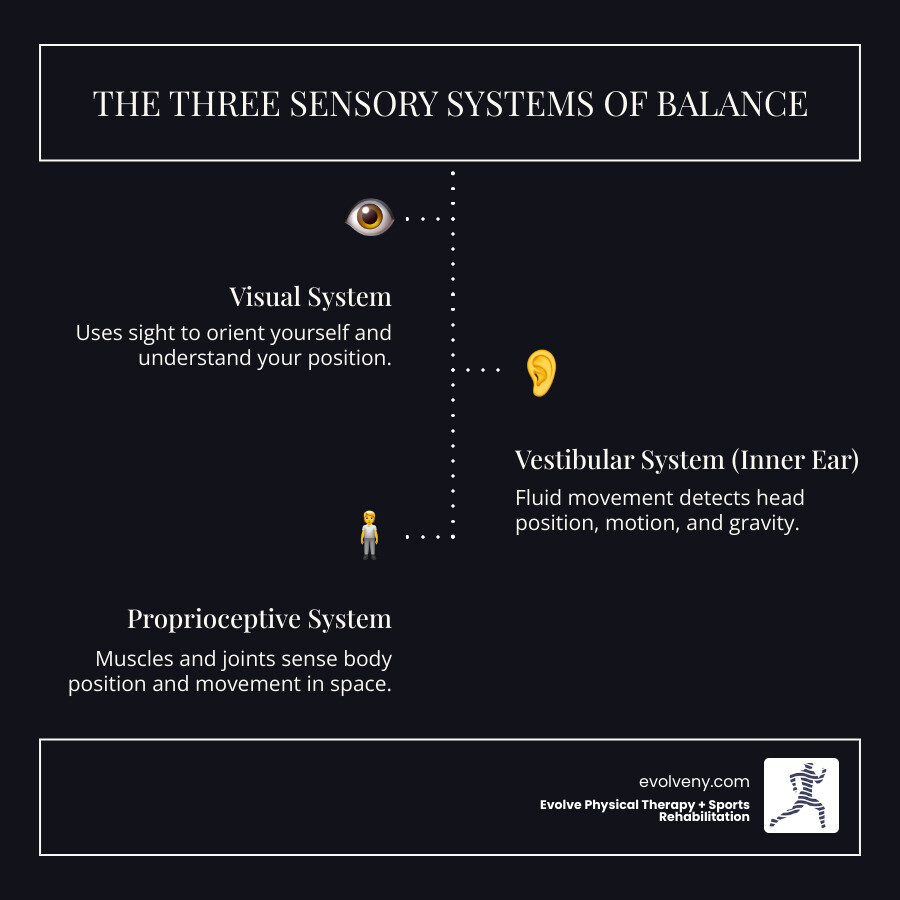
Why Am I Unsteady? Understanding the Root Causes of Balance Problems
Feeling a sudden wobble or a shift in the room when you stand up are common signs of a balance issue. Balance is your body's ability to stay upright and stable. It has two main components: static balance for when you're still (like standing in line) and dynamic balance for when you're moving (like walking or turning). When this system is disrupted, you might feel unsteady, dizzy, or experience vertigo—the sensation that the world is spinning. Staggering or swaying, especially when changing positions, are also common symptoms.
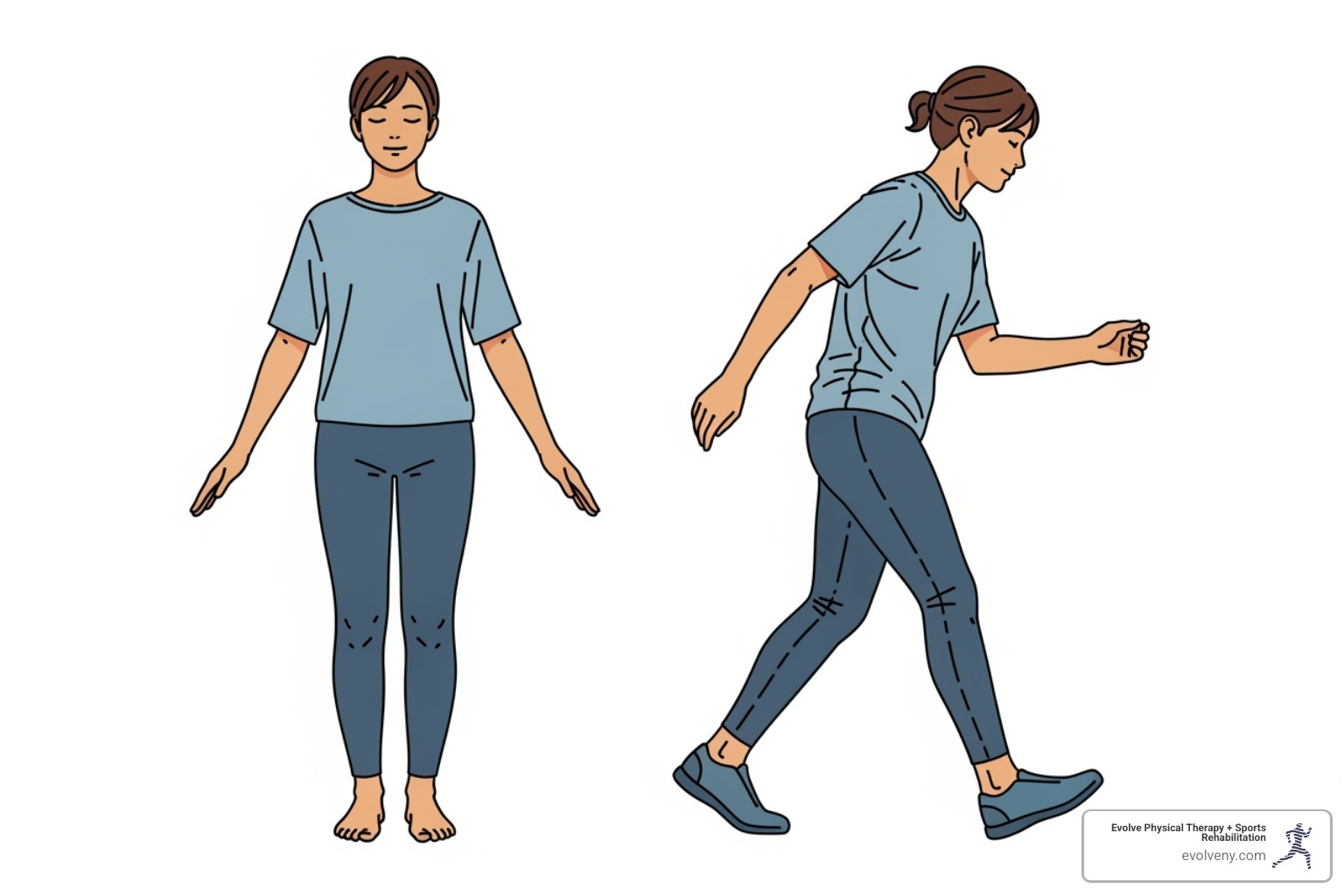
Common Causes of Imbalance
Balance problems often stem from a combination of factors. Age-related changes are significant, as muscles weaken, joints stiffen, and sensory systems become less sharp. Our team has extensive experience helping older adults maintain independence through targeted physical therapy for seniors.
Muscle weakness and joint stiffness are major contributors. A strong core and legs are essential for stability. Your inner ear's vestibular system also plays a key role, and conditions like vertigo, Meniere's disease, or ear infections can disrupt it. Neurological conditions like stroke or Parkinson's disease can interfere with the brain-body communication needed for balance. Finally, don't overlook medication side effects, as many common drugs can cause dizziness or drowsiness.
How a Physical Therapist Diagnoses Balance Issues
At Evolve Physical Therapy, we focus on finding the root cause. We start with a comprehensive health history to understand your symptoms and how they affect your life. Our movement screening involves observing how you walk, stand, and move. We use standardized balance tests, like the Timed Up and Go test, to get objective measurements of your stability.
By systematically testing your vision, vestibular system (inner ear), and proprioception (body awareness), we can identify which systems are struggling. This allows us to create a treatment plan designed for your unique situation, which is why physical therapy for balance is so effective. You can learn more about our personalized PT plans and how we tailor each treatment.
The Professional Approach: How Physical Therapy for Balance Restores Stability
Working with a movement expert for physical therapy for balance means you get a scientific approach, not a generic set of exercises. After our assessment identifies the root cause of your issues, we create a personalized treatment plan. Our goal is to dramatically reduce your fall risk and restore your confidence, which is crucial. Fear of falling can lead to a less active, more isolated life. We help people break that cycle.
For more specialized vestibular issues, we offer comprehensive vestibular physical therapy in Brooklyn to address inner ear-related balance problems.
Types of Specialized Balance Training
If inner ear problems are the cause, we use Vestibular Rehabilitation Therapy (VRT) to retrain your brain to better process signals from your inner ear, eyes, and body. This includes:
- Gaze stabilization exercises: To help you see clearly when your head is moving.
- Habituation exercises: To gradually reduce dizziness triggered by specific movements or busy environments.
- Repositioning maneuvers: For conditions like BPPV, these precise movements can provide immediate relief by repositioning inner ear crystals.
Strength, Coordination, and Reaction Training
Balance also requires physical strength and coordination. We focus on:
- Core strengthening: A strong core is the foundation for safe movement.
- Lower body exercises: Strong hips, thighs, and calves are your pillars of support.
- Proprioceptive training: This sharpens your body's internal awareness, or "sixth sense," often by using unstable surfaces or having you close your eyes. You can learn more about dynamic balance training and how we incorporate these challenging movements.
- Perturbation-Based Training (PBT): This advanced technique uses small, controlled pushes or shifts to improve your reaction time. Research shows this can reduce fall rates significantly and builds trust in your body's ability to recover from unexpected disturbances.
Your At-Home Balance Workout: 6 Essential Exercises
Consistent home practice is where the real magic of physical therapy for balance happens, building the muscle memory and confidence you need. Safety first: Always check with your healthcare provider before starting a new routine. Perform these exercises near a sturdy support like a kitchen counter or wall. Listen to your body and aim for practice at least twice a week. For additional guidance on creating your home routine, check out our comprehensive guide on balance exercises at home.
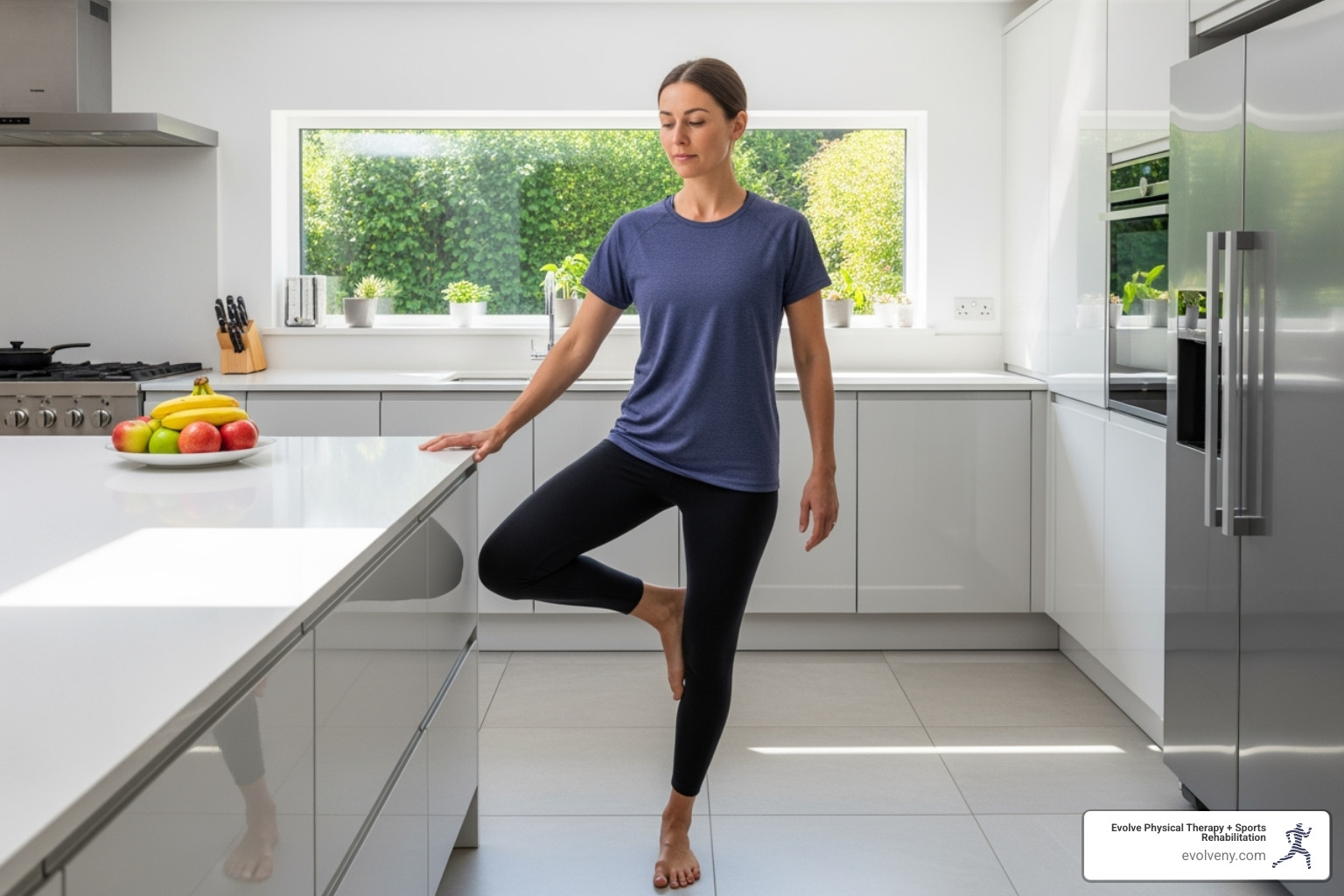
Foundational Physical Therapy for Balance Exercises
These exercises build static balance - your ability to stay steady when you're not moving.
- Sit-to-Stands: From a sturdy chair, stand up without using your hands, then slowly lower yourself back down. This builds essential leg strength for daily activities.
- Weight Shifts: Standing with feet hip-width apart, slowly shift your weight from one foot to the other. This improves your body's ability to make small, stabilizing adjustments.
- Single-Leg Stance: Holding onto support, lift one leg and hold for 5-10 seconds, working up to 30. This strengthens key stabilizing muscles in your ankles, knees, and hips.
Dynamic Physical Therapy for Balance Exercises
Now we move into dynamic balance - staying steady while you're moving.

- Heel-to-Toe Walk: Walk in a straight line, placing the heel of one foot directly in front of the toes of the other. Look forward, not down, to improve your body's spatial awareness.
- Sidestepping: Step sideways for 10 steps, then return. This improves lateral stability, which is crucial for preventing falls.
- Step-Ups: Use a low, sturdy step or the bottom stair. Step up with one leg, then the other, and step back down. This builds strength and coordination for stairs and curbs.
Consistent practice is key. Some days will be better than others, but with regular effort, you'll feel much steadier and more confident.
Making Stability a Habit: Progression and Lifestyle Tips
Once you're comfortable with the basic physical therapy for balance exercises, it's time to challenge yourself. Progressing exercises safely means gently pushing your boundaries. Try reducing your hand support, performing exercises with your eyes closed (always near a wall for safety), adding head turns, or balancing on unstable surfaces like a folded towel or pillow. These progressions force your balance systems to work harder and adapt. As your balance improves, so will your gait. Learn more info on balance and gait training to see how these systems connect.
Lifestyle Changes for Lasting Balance
Creating a balance-friendly lifestyle is key. Make simple home safety modifications like securing loose rugs and adding nightlights. Wear proper footwear with good support and grip. Schedule a medication review with your doctor to see if any prescriptions are causing dizziness. Finally, don't skip annual vision and hearing exams, as both senses are vital for balance.
Integrating Balance into Daily Life
You can sneak balance training into your daily routine. Try one-leg stands while brushing your teeth or tandem (heel-to-toe) walking in hallways. Whenever possible, take the stairs to build strength and coordination. You might also enjoy balance-focused group classes like Tai Chi, which is proven to improve postural stability.
The evidence supporting exercise for fall prevention is overwhelming. Research shows that physical activity, especially programs that include balance and strength training, can significantly reduce falls in older adults. Every small improvement you make builds toward a more stable and confident future.
Frequently Asked Questions About Balance Therapy
Here are answers to some common questions about physical therapy for balance.
How long does it take to improve my balance with physical therapy?
The timeline varies by individual and depends on the cause of your issues, your overall health, and your consistency with exercises. Many patients notice improvements within a few weeks, with more significant gains over weeks to months. For some vestibular conditions like BPPV, relief can come after just one session. Consistency is key to achieving the best results, and we'll help you set realistic goals.
Can physical therapy help with dizziness and vertigo?
Yes, absolutely. Vestibular Rehabilitation Therapy (VRT) is specifically designed to treat dizziness and vertigo, especially when caused by inner ear problems. We use targeted exercises and specific maneuvers to retrain your brain and sensory systems, often leading to a significant reduction in symptoms.
When should I see a physical therapist for balance problems?
You should consider seeing a physical therapist if you:
- Have had a fall, even a minor one.
- Feel unsteady on a regular basis.
- Experience dizziness or vertigo.
- Have difficulty with daily activities like walking or climbing stairs.
Proactive fall prevention is also a smart reason to see a PT, especially if you are over 65 or have risk factors. In New York, you can contact us directly for an evaluation without a doctor's referral.
Take the First Step Towards a More Stable Future
You now know that falls are preventable and that balance is a skill you can improve at any age. We've seen how factors from muscle weakness to inner ear problems can affect stability, and how physical therapy for balance offers targeted, evidence-based solutions.
At Evolve Physical Therapy + Sports Rehabilitation, our hands-on approach is designed to find and treat the root cause of your unsteadiness. We create personalized plans for everyone, from active Brooklyn professionals to those seeking proactive fall prevention. Our expertise in vestibular rehabilitation and strength training can help you regain stability and confidence.
You don't have to accept unsteadiness or live with the fear of falling. With professional guidance and consistent practice, you can build a more stable, confident future.
Schedule a personalized physical therapy evaluation today and take the first step. Let us help you create a plan to get back on solid ground. Your journey to better balance starts now.

Mobility Moves: Exercises to Boost Your Range of Motion
Why Mobility and Movement Exercises Are Essential for Pain-Free Living
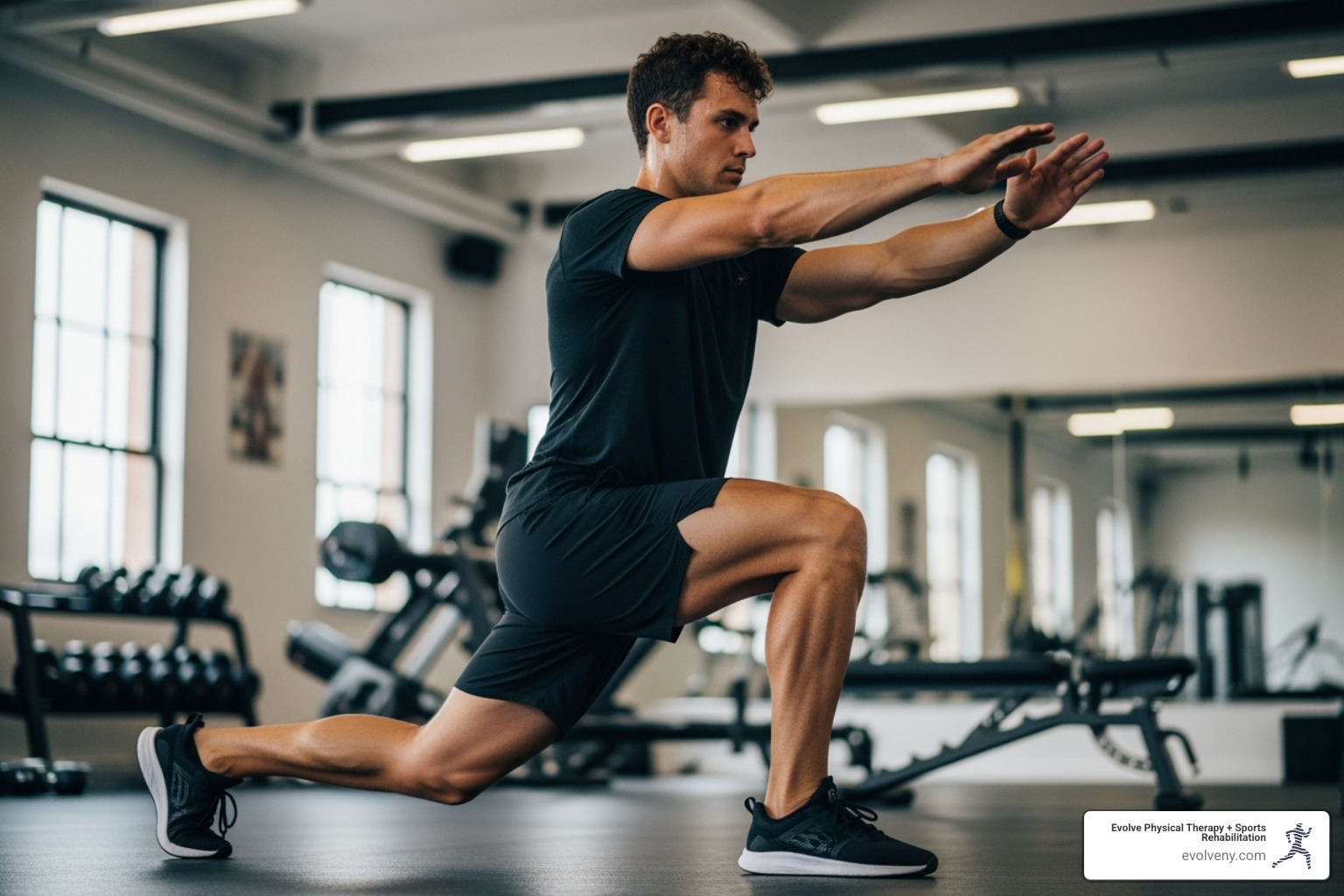
Mobility and movement exercises are targeted movements that improve your joints' ability to move freely through their full range of motion while maintaining control and stability.
Key Types of Mobility Exercises:
- Hip mobility: 90/90 stretches, hip circles, spider lunges
- Shoulder mobility: Arm circles, wall angels, overhead reaches
- Spine mobility: Cat-cow stretches, thoracic rotations, twists
- Ankle mobility: Circles, calf stretches, dorsiflexion drills
Primary Benefits:
- Reduce injury risk by up to 6 times
- Improve athletic performance and daily movement
- Decrease muscle stiffness and soreness
- Support healthy aging and independence
Feeling stiff is common, especially since Americans sit an average of 8 hours every day. This sedentary lifestyle makes muscles stiff and sore, limiting free movement. Fortunately, even five minutes of mobility work a few times a week can have a positive benefit. The right movements can restore your body's natural range of motion.
Research shows that subjects with higher mobility scores were six times less likely to get injured. This isn't just for athletic performance—it's about maintaining your quality of life as you age.
I'm Lou Ezrick, a physical therapist with nearly two decades of experience. At Evolve Physical Therapy, I've seen how targeted mobility and movement exercises transform lives, helping everyone from weekend warriors to desk-bound professionals move better and feel stronger.
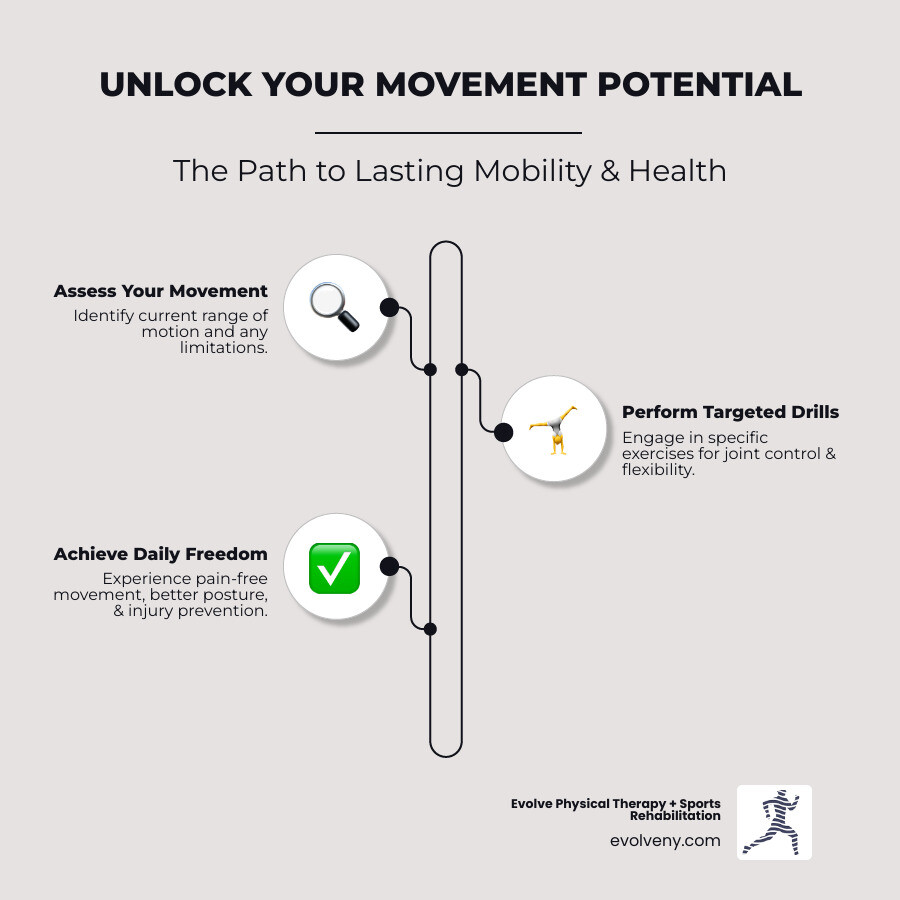
Understanding Mobility: More Than Just Flexibility
If you've ever wondered why some people seem to move effortlessly while others struggle with basic movements, the answer often lies in understanding mobility. At Evolve Physical Therapy, we see this distinction every day - and it's more important than you might think.
Most people use "flexible" and "mobile" as if they mean the same thing. But here's the truth: you can be incredibly flexible yet still move poorly, or have amazing mobility without being able to do the splits. Understanding this difference is your first step toward pain-free movement.
What Makes Mobility Different
Think of mobility as your body's ability to move freely and easily through its full range of motion while staying in complete control. It's not just about how far you can stretch - it's about how well your joints, muscles, and nervous system work together to create smooth, controlled movement.
When you walk up stairs, reach for something on a high shelf, or simply get out of bed in the morning, you're using mobility. It combines joint health, muscle strength, and your brain's ability to coordinate movement - what we call motor control.
The Flexibility vs. Mobility Breakdown
Here's where it gets interesting. Flexibility is passive - it's how far someone else can move your leg if you're completely relaxed. Maybe you can lie on your back and have someone push your leg toward your chest until it touches.
Mobility, on the other hand, is active. It's how high you can lift that same leg using your own muscles while maintaining control and stability. You might be surprised to find there's a big difference between the two.
This is why some yoga enthusiasts can fold themselves into pretzel-like poses but struggle with basic squats. They have flexibility but lack the strength and control needed for functional mobility.
Why Stability Matters Just as Much
Here's something that might surprise you: mobility without stability is actually dangerous. Think of stability as your body's ability to keep joints secure and supported while you're moving. It's what keeps your knee from buckling when you step off a curb or prevents your shoulder from sliding around when you reach overhead.
Motor control ties it all together. This is your nervous system's ability to sequence movements properly and control where they start and stop. Without good motor control, even simple movements become clunky and inefficient.
At Evolve Physical Therapy, we often tell patients that mobility without stability leads to injury-prone joints, while stability without mobility creates stiffness. You need both working together.
The Role of Body Awareness
There's another piece to this puzzle: body awareness, or what we call proprioception. This is your body's built-in GPS system - it tells you where your limbs are in space without having to look.
Good proprioception is why you can walk in the dark without falling over or catch yourself when you start to slip. Mobility and movement exercises naturally improve this body awareness, making you move more confidently in all activities.
| Feature | Mobility | Flexibility | Stability |
|---|---|---|---|
| Definition | Controlled movement through full range of motion | Passive range of motion or muscle length | Ability to maintain position or control movement |
| Focus | Joints, muscles, nervous system, and control | Muscle and tendon lengthening | Joint integrity and postural control |
| Components | Strength, flexibility, coordination, motor control | Muscle elasticity | Muscle strength, balance, coordination |
| Example | Actively lifting leg high with control | Passively holding leg high (assisted) | Holding a single-leg stance without wobbling |
| Benefit | Functional movement, injury prevention, performance | Improved range of motion, reduced muscle stiffness | Injury prevention, efficient movement, balance |
The bottom line? True mobility training addresses all these elements together. It's not enough to just stretch - you need to build strength, control, and awareness throughout your entire range of motion. That's what creates lasting change and keeps you moving well for life.
The Life-Changing Benefits of Daily Mobility Work
Here's something that might surprise you: while everyone talks about hitting the gym for strength training or logging miles for cardio, mobility and movement exercises might just be the most important thing you're not doing. At Evolve Physical Therapy, we've seen how these simple movements can completely transform someone's quality of life.
Think about it this way - what good is being able to bench press 200 pounds if you can't reach overhead to put a dish away without pain? Or what's the point of running marathons if your tight hips leave you hobbling around the house every morning?
Your Body's Best Insurance Policy Against Injury
Let's start with the most compelling reason to make mobility a priority: it's like having incredible insurance for your body. Subjects who scored higher on a screening test that measured mobility were found to be six times less likely to get injured.
Six times! That's not a small improvement - that's life-changing.
When your joints can move through their full, intended range of motion, something beautiful happens. The stress gets distributed properly across all your tissues instead of building up in one spot. No more compensating with your lower back because your hips are tight. No more shoulder pain because your thoracic spine won't rotate. Your body works as the integrated system it was designed to be.
Open up Your Body's True Performance Potential
Whether you're chasing your kids around the playground, playing weekend tennis, or just want to feel strong and capable in your daily life, improved mobility is your secret weapon. When your joints move freely, everything else follows.
Better hip and ankle mobility means you can squat deeper, which means stronger glutes and legs. Improved shoulder mobility means you can reach, lift, and throw without that nagging ache. Even simple activities like getting out of bed or climbing stairs become effortless when your body moves the way it should.
Stand Taller, Feel Better, Move With Confidence
Here's the reality: Americans sit for about 8 hours every day. Our hip flexors get tight, our shoulders round forward, and our spines forget how to extend. The result? That stiff, achy feeling that's become so "normal" we forget what it's like to feel good.
Mobility and movement exercises directly counteract these effects. They wake up sleepy muscles, restore proper joint alignment, and help you refind what it feels like to stand tall and move with confidence. The morning stiffness starts to fade. That afternoon shoulder tension becomes a thing of the past.
Your Investment in a Vibrant Future
Here's what really motivates us at Evolve Physical Therapy: helping people age with grace and independence. Maintaining mobility is critical to staying independent as you age, according to the National Institutes of Health.
As we get older, joints naturally become less lubricated, cartilage thins, and tendons lose their elasticity. Muscles get weaker, bones become less dense, and our nervous system slows down. Add in conditions like arthritis, and it's easy to see how mobility can decline rapidly.
But here's the exciting part: it doesn't have to be this way. Regular mobility work keeps your joints well-oiled, your muscles engaged, and your movement patterns sharp. This means continuing to tie your own shoes, reaching items on high shelves, and walking up stairs without thinking twice about it.
We've worked with patients in their 70s and 80s who move better than some 40-year-olds, and the difference is almost always consistent attention to mobility. It's never too late to start, and it's never too early to begin investing in your future self.
The Ultimate Guide to Mobility and Movement Exercises
Now that we understand the profound benefits of mobility and movement exercises, let's dive into some practical movements you can start using today. The beauty of mobility work is its simplicity; you don't need fancy equipment or hours to see real improvements.
At Evolve Physical Therapy, we emphasize that consistency beats intensity. Think of these exercises as daily maintenance for your body, like brushing your teeth. A few minutes each day can prevent bigger problems down the road.

Controlled movements are always better than fast or forced ones. Listen to your body. These exercises work wonderfully as dynamic warm-ups before a workout, as gentle cool-downs, or as part of your morning routine.
Essential Hip Mobility and Movement Exercises
Your hips are the body's central hub, connecting your upper and lower body. Unfortunately, they're often the first casualty of our desk-bound lives. When you sit for hours, your hip flexors tighten, pulling on your lower back and creating stiffness.
Targeted mobility and movement exercises can open up your hips and restore that natural freedom of movement.
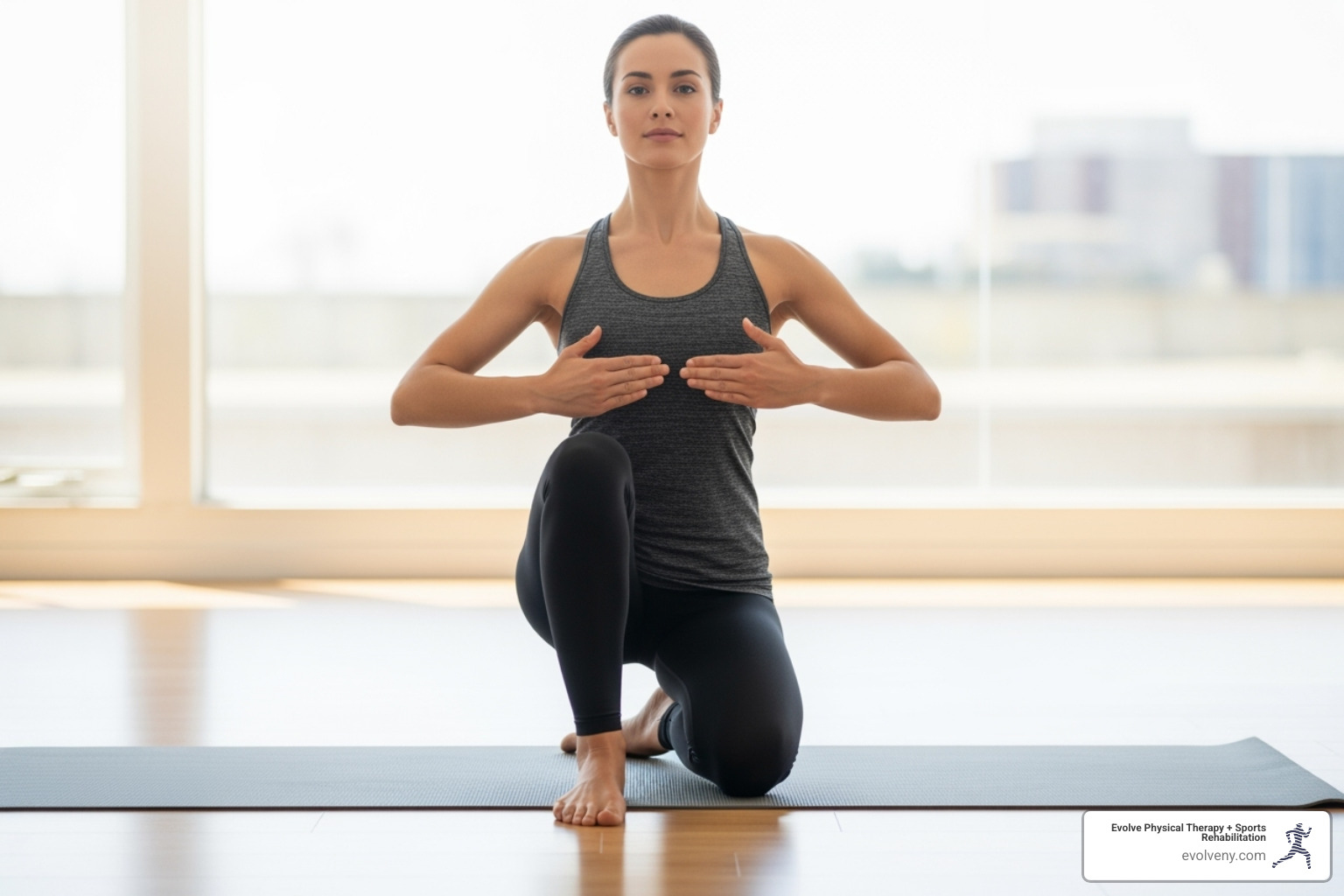
The 90/90 Hip Switch addresses both internal and external hip rotation. Sit on the floor with both knees bent at 90 degrees—one leg externally rotated in front of you, the other internally rotated to your side. Keep your chest proud and slowly switch your knees from one side to the other, rotating through your hips while keeping your feet planted. Aim for 5-10 smooth transitions per side. Don't worry if it feels awkward at first; that's your body learning new movement patterns.
The Cat-Cow stretch is fantastic for your hips and spine. Start on all fours with hands under shoulders and knees under hips. As you inhale, drop your belly, lift your tailbone, and look up (Cow). Exhale as you round your spine, tuck your tailbone, and bring your chin to your chest (Cat). The magic is in the pelvic movement, teaching your hips and spine to work together.
For a full-body opener, try the World's Greatest Stretch. Start in a lunge with your right foot forward, placing both hands inside your front foot. Keep your left hand down and rotate your chest to the right, reaching your right arm toward the ceiling. You'll feel this through your hip flexors, thoracic spine, and hamstrings. Five reps per side is plenty.
Hip Circles are simple but effective for lubricating your hip joint. Stand tall, holding a wall for balance if needed, and lift one knee. Make small circles with your knee, gradually increasing the size. Ten to fifteen circles in each direction will get your hips feeling more fluid.
The Spider-Man Lunge targets stubborn hip flexors. Start in a high plank, then step your right foot to the outside of your right hand, lowering your hips. Hold for a few deep breaths. For an extra challenge, lift the arm that matches your front leg for some thoracic rotation.
Key Shoulder Mobility and Movement Exercises
Our shoulders are the most mobile joints in our body. But modern life isn't kind to them. Hours hunched over computers and phones leave us with rounded shoulders and limited overhead reach.
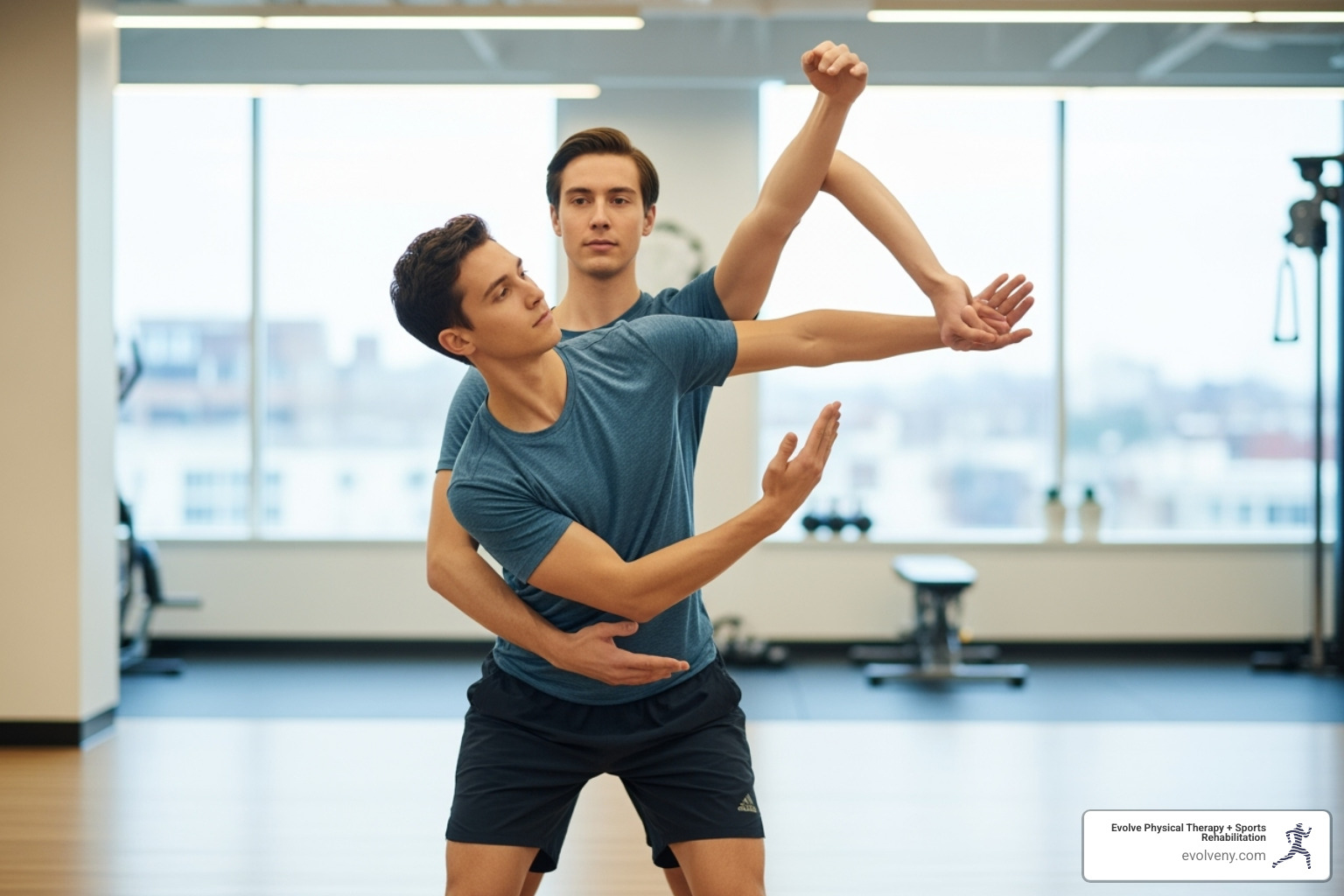
Shoulder CARs (Controlled Articular Rotations) are the gold standard. They take your shoulder joint through its full range of motion in slow motion. Stand tall with your arm extended, thumb up. Slowly rotate your arm outward, upward, then backward, making the largest circle possible while keeping your torso still. Your thumb should point down when your arm is behind you. Reverse the motion. Three to five slow rotations in each direction will improve your shoulder's capabilities.
The Thoracic Extension on Foam Roller addresses a root cause of shoulder problems: a stiff mid-back. Lie on your back with the foam roller horizontally under your mid-back. Support your neck and gently extend your upper back over the roller. Five to ten gentle extensions will help restore your spine's natural curve.
Wall Angels improve posture and teach your shoulder blades to move properly. Stand with your back against a wall, feet about six inches away. Press your lower back, head, and arms against the wall, then slowly slide your arms up and down like a snow angel. The challenge is keeping everything pressed against the wall.
Simple Arm Circles are effective for lubricating your shoulder joints. Extend your arms to your sides and make small circles forward, gradually increasing the size. After 10-15 circles, reverse direction. Keep your shoulders down and back.
These mobility and movement exercises are crucial for maintaining healthy overhead reach.
Foundational Spine and Ankle Drills
Your spine is your central support, and your ankles are your foundation. Stiffness in either area can cause a ripple effect of problems. A stiff ankle can cause knee pain, while a rigid mid-back can lead to neck and lower back issues.
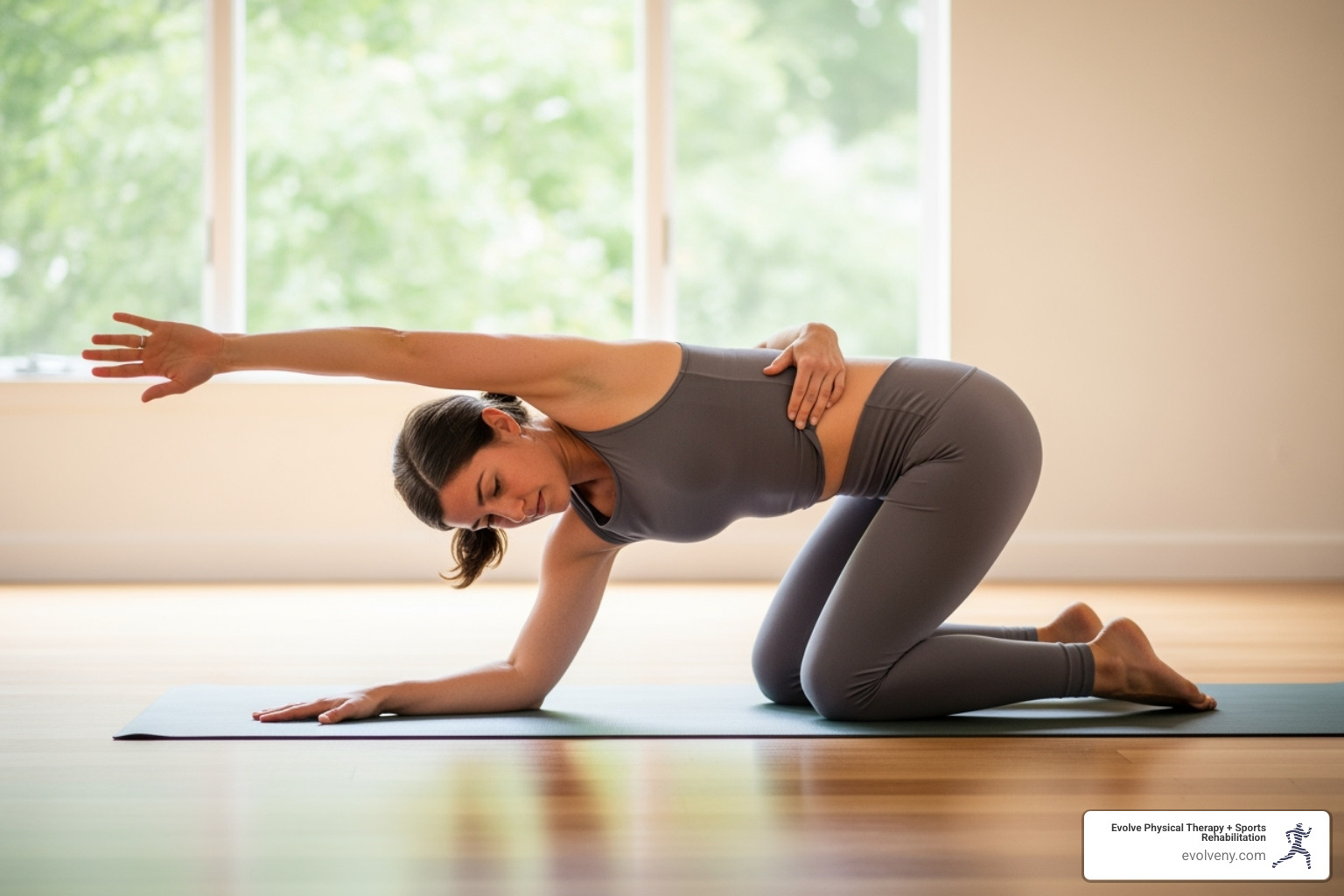
Thoracic Spine Rotations ("Thread the Needle") are fantastic for your mid-back. Start on all fours and thread your right arm under your left armpit, resting your right shoulder and ear on the floor. Feel the gentle twist through your mid-back. Hold for 30 seconds or perform 5-10 gentle rotations before switching sides. This is valuable for anyone who needs rotational power.
We've covered Cat-Cow for hips, but it's equally important for spinal health. Focus on articulating each segment of your spine as you move between the two positions.
Downward-Facing Dog is a yoga classic that benefits your hamstrings, calves, and ankles. Push your hips up and back to form an inverted V, then press your heels toward the floor. A small bend in your knees is fine to keep your spine straight. Hold for 30-60 seconds, or gently "pedal" your feet to deepen the calf stretch.
Ankle Circles are essential for ankle joint health. Sit or stand, lift one foot, and slowly make circles with your ankle in both directions. Ten to fifteen circles each way will help lubricate the joint.
Calf Stretches with a focus on dorsiflexion (toes toward shin) are crucial for proper squat depth and walking. Stand facing a wall, step one foot back, and lean forward while keeping both heels down. For a deeper stretch, bend your back knee slightly. Hold for 30 seconds per side.
These foundational exercises are the building blocks of good movement. When your spine and ankles are mobile, your whole body works better.
How to Build Your Own Mobility Routine
The question I hear most often at Evolve Physical Therapy is simple: "How much do I actually need to do?" Here's the truth that might surprise you: consistency beats intensity every single time. You don't need to become a yoga master or spend hours stretching. Even five minutes a few times a week can have a positive benefit.
The Magic of Frequency Over Duration
Think of mobility and movement exercises like brushing your teeth. You wouldn't brush for an hour once a week and expect great results, right? The same principle applies here. It's far more beneficial to practice mobility for 5 to 10 minutes five times a week than cramming an hour-long session into your Sunday.
If you're just starting out, aim for two to three sessions per week and gradually build up to four times weekly. The beautiful thing about mobility work is that you can do it pretty much every day without overdoing it. Your joints actually thrive on regular, gentle movement.
When to Fit It In
The beauty of mobility work is its flexibility (pun intended!). You can weave it into different parts of your day:
Pre-workout warm-ups using dynamic mobility drills prepare your body for action. Post-workout cool-downs with gentle movements help your body transition back to rest while maintaining that newfound range of motion. On rest days, a dedicated mobility session works as perfect active recovery, reducing soreness and keeping your joints happy.
My favorite approach? Daily "movement snacks" - short bursts throughout the day, especially if you're one of those Americans sitting for 8 hours daily. A few hip circles between meetings or shoulder rolls while waiting for coffee can work wonders.
Tracking Your Progress (It's Easier Than You Think)
Nothing motivates like seeing real progress. Here are two simple ways we recommend to our patients:
Film yourself performing key movements like a deep squat or overhead reach before starting your routine. Re-film every few weeks and compare - the visual progress is incredibly powerful and often surprising. Keep a workout journal noting how movements feel, whether you can go deeper into stretches, or if previously stiff areas feel more fluid. This subjective feedback is just as valuable as any measurement.
At Evolve Physical Therapy, we use professional assessment tools to measure your improvements objectively, but you can absolutely track meaningful progress at home.
Tailoring for Your Life
Mobility and movement exercises absolutely can be customized for specific sports or activities. Runners benefit tremendously from ankle, hip, and hamstring mobility to improve stride efficiency. Desk workers need focused hip flexor and thoracic spine work to counteract prolonged sitting. We regularly work with athletes and everyday people to identify their unique movement demands and design targeted programs.
Here's a sample 5-minute daily mobility routine that hits the major areas:
- Cat-Cow: 10 repetitions, focusing on smooth spinal movement
- Thoracic Spine Rotations: 5-8 repetitions per side
- Hip Circles: 5-8 large circles each direction per leg
- Ankle Circles: 10 circles each direction per ankle
- World's Greatest Stretch: 2-3 repetitions per side, holding for a few breaths
This quick routine touches on your spine, hips, and ankles - the areas that need the most attention for most people. It easily fits into your morning routine or evening wind-down, and you'll be amazed at how much better you feel with just this small investment in your body.
Conclusion
Throughout this guide, we've explored the transformative world of mobility and movement exercises - from understanding what true mobility means (and how it's different from simple flexibility) to finding the incredible benefits these exercises can bring to your daily life.
The research speaks for itself: people with better mobility are six times less likely to get injured. But beyond the statistics, we've seen how these exercises can help you wake up without that morning stiffness, move through your day with confidence, and maintain your independence as you age.
Your body truly is designed to move. After nearly two decades of helping patients overcome pain and movement limitations, I can tell you that maintaining your full range of motion isn't just about feeling good today - it's about protecting your future self. Whether you're battling the effects of sitting at a desk all day, working to prevent injuries, or simply wanting to feel more comfortable in your own skin, dedicated mobility work is one of the most powerful investments you can make in your health.
The beauty of mobility and movement exercises lies in their accessibility. You don't need expensive equipment or hours of free time. Just five to ten minutes of consistent daily practice can create meaningful changes in how you feel and move. It's consistency over intensity that wins the day.
At Evolve Physical Therapy + Sports Rehabilitation, we've witnessed countless changes right here in Brooklyn. Our patients from Marine Park, Gravesend, Midwood, Park Slope, and Mill Basin have finded what it feels like to move without pain, to reach overhead without restriction, and to trust their bodies again. Our hands-on approach means we don't just give you exercises - we work with you to understand your unique movement patterns and create a personalized plan that fits your lifestyle and goals.
Taking control of your health doesn't have to be overwhelming. Sometimes the most profound changes come from the simplest actions - like dedicating a few minutes each day to helping your body remember how to move well.
If you're ready to experience what it feels like to move with freedom and confidence again, we're here to help you take that first step.
Sit Right, Feel Bright: Mastering Office Work Posture
Why Office Work Posture Matters More Than You Think

Office work posture affects millions of workers who spend much of their day seated, leading to health issues beyond simple back pain.
Key Elements of Proper Office Work Posture:
- Head: Level and aligned with spine, not tilted forward
- Shoulders: Relaxed and even, not hunched or rolled forward
- Elbows: Bent at 90-120 degrees, close to your body
- Wrists: Straight and neutral, not bent up or down
- Back: Supported with natural lumbar curve maintained
- Hips and Knees: At 90-degree angles or slightly higher
- Feet: Flat on floor or footrest, not dangling
The statistics are sobering: for every inch your head moves forward from proper alignment, your neck bears an additional 10 pounds of stress. Poor posture doesn't just cause neck and back pain; it can reduce lung capacity, disrupt digestion, and increase your risk of diabetes and cardiovascular disease.
The good news is that good posture is within your control. Sitting correctly reduces unnecessary strain on muscles and joints, boosts your energy levels, and can improve your focus and productivity.
As Lou Ezrick, founder of Evolve Physical Therapy, I've spent nearly two decades helping patients overcome chronic pain rooted in poor office work posture habits. Through my work with hundreds of desk workers, I've developed practical strategies that address the root causes of postural dysfunction, not just the symptoms.
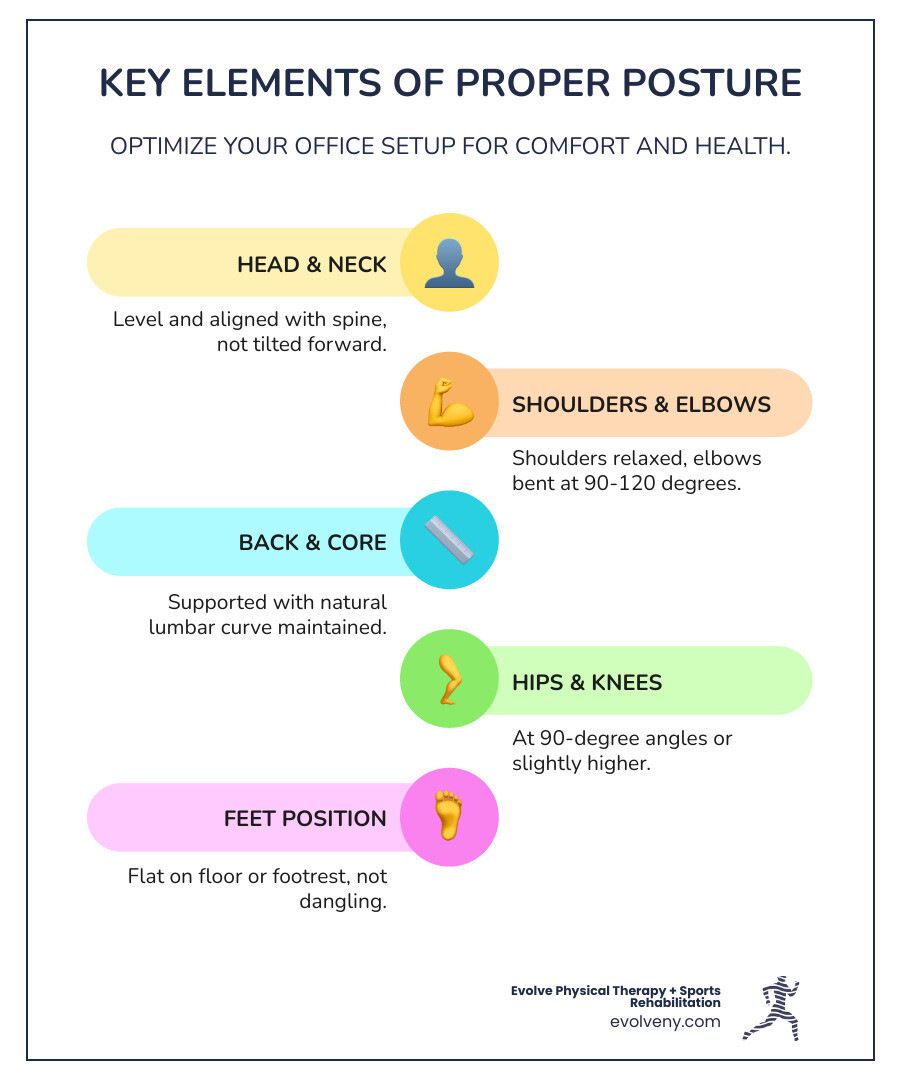
The Hidden Dangers of Your Desk Job
Poor office work posture creates a domino effect of health problems. Spending hours hunched over a keyboard or slumped in a chair takes a toll on your body in ways you might not realize.
Back pain is often the first warning sign. Slouching flattens your spine's natural curves, putting immense pressure on discs and ligaments. This can lead to disc degeneration and chronic discomfort.
Your neck also suffers. For every inch your head juts forward, your neck muscles work 10 pounds harder, leading to "tech neck." This persistent ache and stiffness from looking at screens can cause chronic neck strain and trigger tension headaches.
Poor posture affects more than muscles and joints. Slouching compresses abdominal organs, causing digestion issues and slowing metabolism. It also reduces lung capacity by shortening frontal muscles, making deep breaths difficult. Less oxygen means lower energy and reduced brain function.
Most concerning is the increased risk of chronic disease. Prolonged sitting and poor posture are linked to a higher risk of diabetes and cardiovascular disease. Our bodies are designed for movement, and a sedentary lifestyle works against our biology.
The science behind these risks is eye-opening. You can explore more about the health risks of sitting to understand just how serious these issues can become. And if you're wondering about the state of your own neck alignment, take a moment to consider Have You Checked Out Your Neck Curvature Lately.
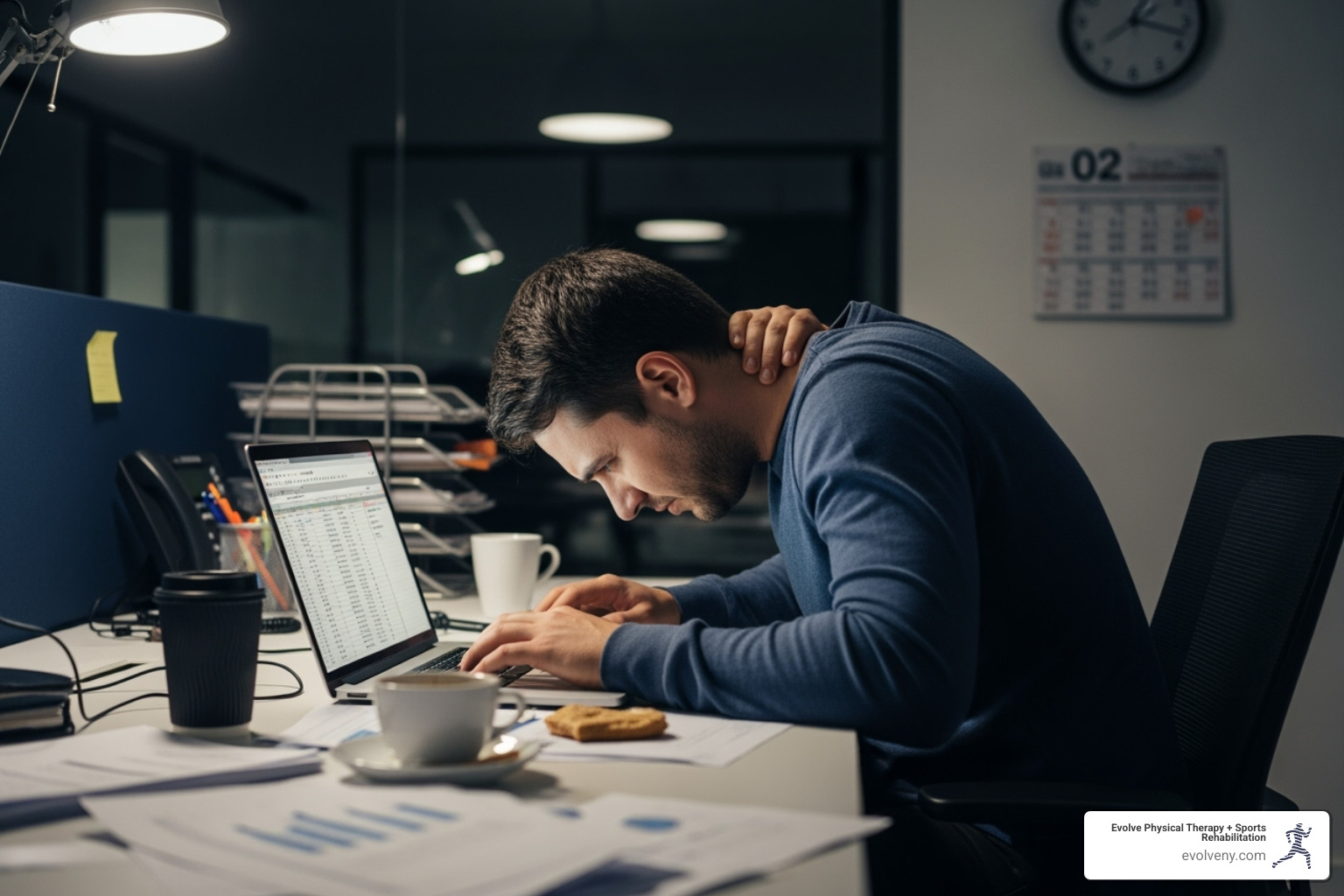
Common Mistakes That Ruin Your Office Work Posture
It's easy to slip into habits that wreck our office work posture. These mistakes gradually become your new normal.
Slouching is the most common mistake. Collapsing your spine into a C-shape stresses discs and ligaments and can compress nerves, causing radiating pain.
Forward head posture ("tech neck") occurs when you lean forward to see your screen. This strains your neck and upper back muscles and is extremely common among office workers.
Crossing your legs feels comfortable but can cause problems. It can compress nerves, leading to numbness, misalign your hips, and restrict blood flow.
Dangling feet put pressure on the backs of your thighs and disrupt alignment up your entire body. Proper support for hips and knees is essential.
Reaching for your mouse or keyboard due to an improper setup leads to shoulder shrugging, leaning, and can cause repetitive strain injuries.
Cradling your phone between your ear and shoulder is a direct cause of neck and upper back pain, as the muscles aren't meant to hold that position.
The good news is that recognizing these patterns is the first step toward fixing them. For a deeper dive into identifying and correcting these common issues, check out our detailed guide on Bad Office Posture.
The Ultimate Guide to Proper Office Work Posture
Let's focus on what proper office work posture should look like. It's your body's natural sweet spot, where everything aligns without strain. The goal isn't a rigid, military-straight spine. Instead, we aim to maintain its natural curves with balance and support.
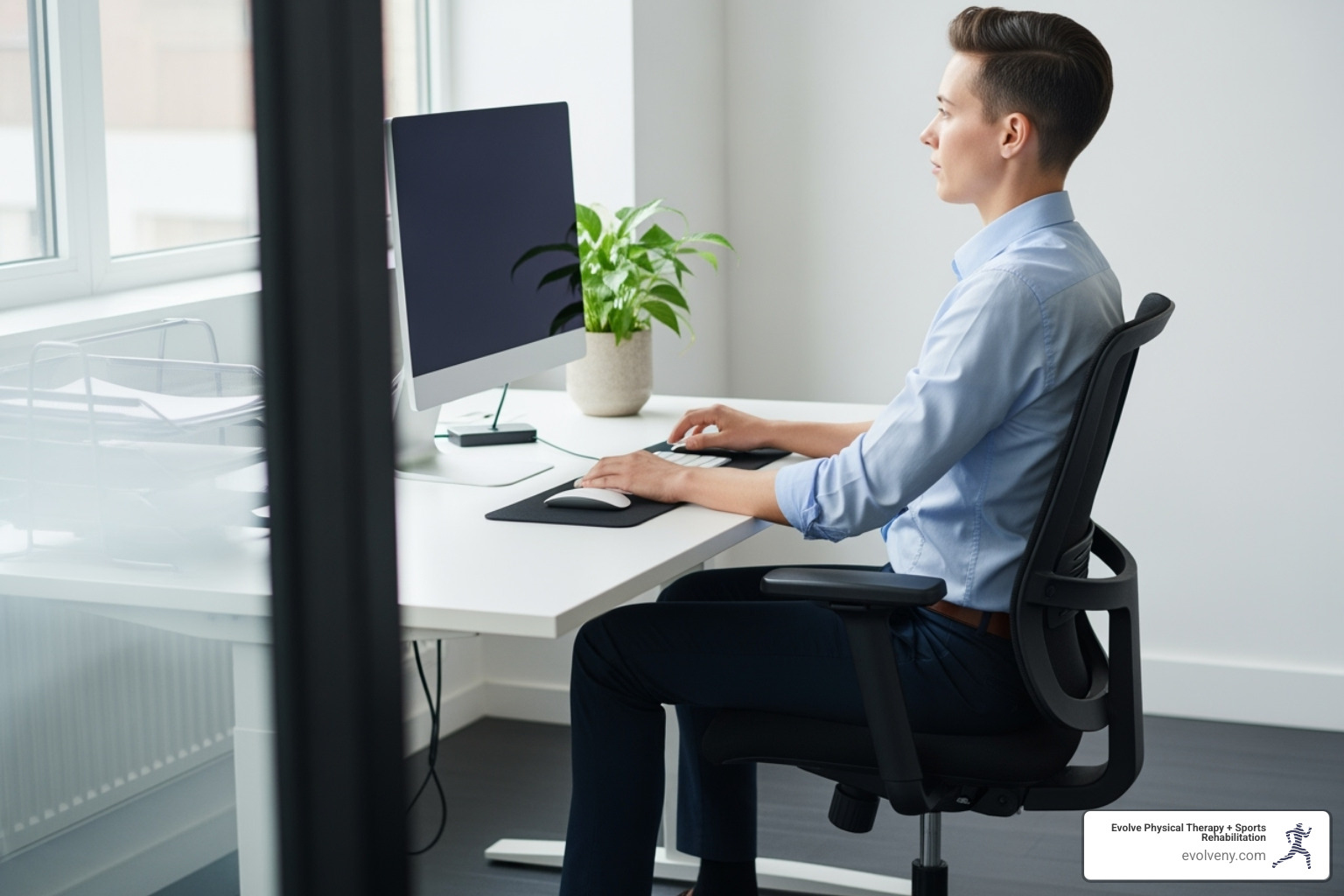
Your head should be level and balanced directly over your shoulders, not jutting forward. Imagine a string pulling your head upward, aligning your ears, shoulders, and hips.
Your shoulders should be relaxed and even, not hunched. Roll them back and let them settle naturally.
Keep your elbows close to your body, bent at 90 to 120 degrees. This supported position allows your forearms to rest gently on your desk.
Wrists and hands must stay in a straight line, not bent up, down, or sideways. Your hands, wrists, and forearms should form one continuous unit.
For your back, sit all the way back in your chair to maintain the natural curve in your lower back. Good lumbar support is crucial and should feel like a gentle pressure in the small of your back.
The 90-90-90 rule applies to your lower body: aim for 90-degree angles at your hips, knees, and ankles. Your thighs should be parallel to the floor.
Finally, your feet should rest flat on the floor or a footrest. This stable base supports your entire posture.
Proper alignment makes sitting feel effortless, as your muscles aren't fighting gravity. For a deeper dive into achieving this ideal setup, check out our comprehensive guide on Ideal Desk Posture.
Perfect posture isn't about being rigid—it's about finding a balanced, supported position where your body can work comfortably for hours.
Building Your Ergonomic Oasis: A Step-by-Step Setup
An ergonomic workspace isn't about fancy equipment; it's about setting up your environment to support your body's natural alignment. A correct setup means less strain, more comfort, and better focus.
Proper office work posture requires the right foundation. Your workspace should work with you, not against you. When everything is positioned correctly, you'll notice less strain, more comfort, and the ability to focus on your work instead of constantly shifting positions.
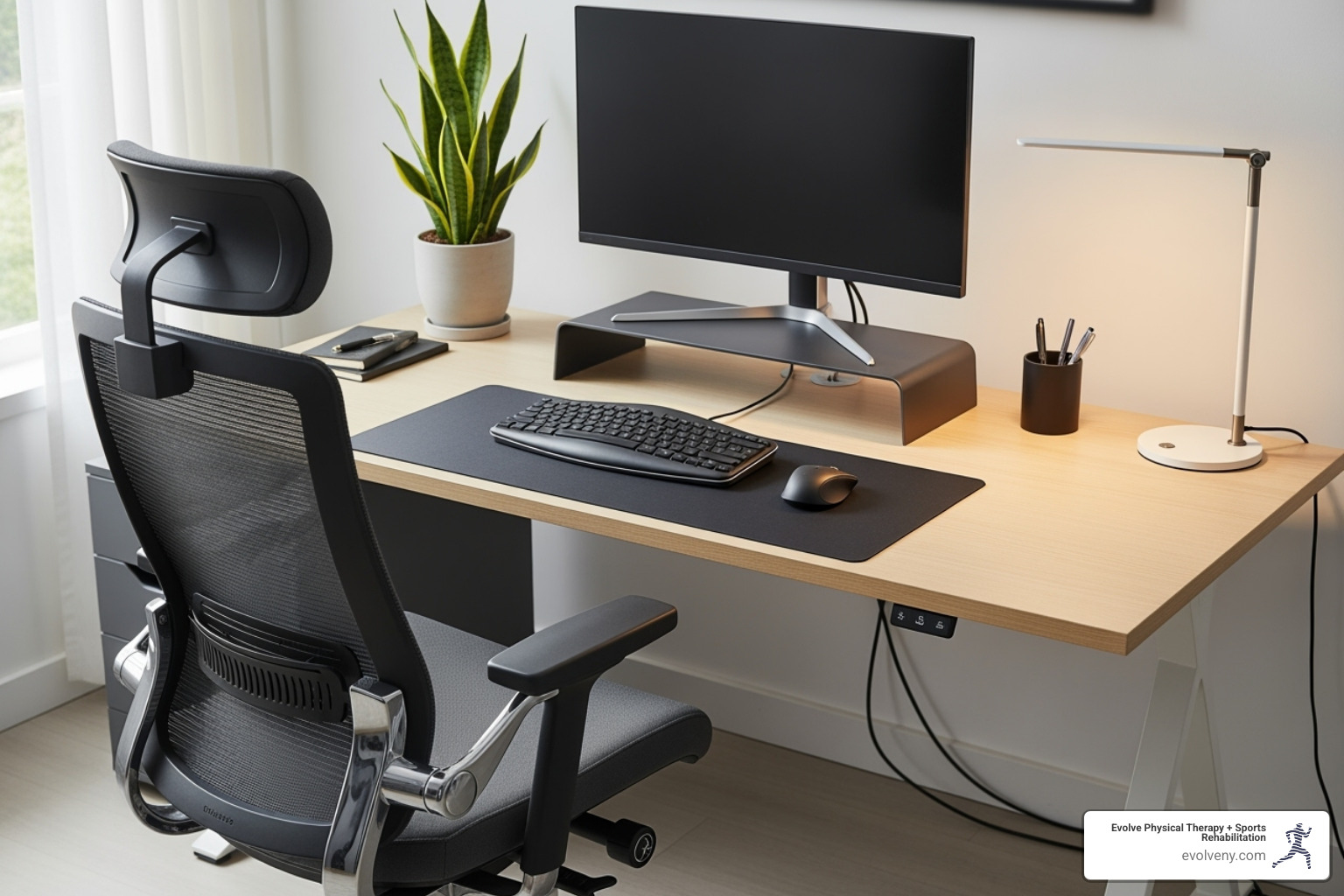
The Mayo Clinic provides excellent guidance in their comprehensive office ergonomics how-to guide, and if you're working from home, our dedicated insights on Home Office Ergonomics can help you create an ideal setup in any space.
Chair Adjustments for Optimal Support
Your office chair is your foundation. Most ergonomic issues can be solved with a few simple adjustments.
- Seat height: Adjust so your feet are flat on the floor and knees are at a 90-degree angle. Your knees shouldn't be higher than your hips. A height of 16-21 inches works for most.
- Lumbar support: It should maintain your lower back's natural inward curve. If your chair lacks support, use a cushion or rolled towel.
- Armrests: Set them so your shoulders are relaxed, with elbows close to your body and bent at 90-120 degrees. If they're too high you'll hunch; too low and you'll lean.
- Seat depth: Sit all the way back and ensure a two-finger gap between the seat edge and the back of your knees for good circulation.
Desk, Keyboard, and Mouse Placement
With your chair adjusted, set your desk height so your forearms are parallel to the floor when typing. If your desk isn't adjustable, raise your chair and use a footrest.
Place your keyboard directly in front of you, 4-6 inches from the desk edge, to keep wrists straight. The mouse should be right next to it to avoid reaching.
Use wrist rests only for breaks, not while typing. Let your wrists float to prevent pressure on nerves that can lead to carpal tunnel syndrome. For detailed guidance, our article on Correct Computer Posture walks you through the specifics.
Monitor Positioning to Prevent Neck Strain
Your monitor position is critical for good office work posture and preventing neck pain.
- Position: Place your monitor arm's length away (20-40 inches).
- Height: The top of the screen should be at or just below eye level.
- Centering: Center the monitor directly in front of your keyboard to avoid twisting your neck.
- Bifocals: If you wear them, lower your monitor an extra inch or two to avoid tilting your head back.
- Laptops: The screen is too low and the keyboard is cramped. Use an external keyboard, mouse, and a laptop stand or separate monitor.
Accessories like footrests, back cushions, and monitor stands are problem-solvers that help ensure proper foot placement, lumbar support, and screen height.
Maintaining Good Habits for Lasting Comfort
A perfect ergonomic workspace is just the start of improving your office work posture. Real change comes from weaving healthy movement into your daily routine. Your body is designed for movement. Staying static for hours, even in an ideal setup, creates tension, reduces circulation, and encourages slouching.
Adopt the 30-minute rule: every half hour, take a brief break to stand, walk, or stretch. This regular movement prevents stiffness, improves blood flow, and resets postural muscles. Find a consistent rhythm that works for you.
A sit-stand desk is a great tool for alternating between sitting and standing. This reduces the static load on your spine, but variation is key—don't just stand all day.
Micro-movements also help. While seated, shift your weight, adjust your chair, or stretch your fingers and wrists to prevent your body from getting locked into one position.
For more comprehensive strategies on building these habits into your routine, check out our guide on Good Posture for Office Workers.
Simple Stretches to Improve Your Office Work Posture
Regular stretching resets your office work posture. These desk-friendly movements counteract the effects of prolonged sitting.
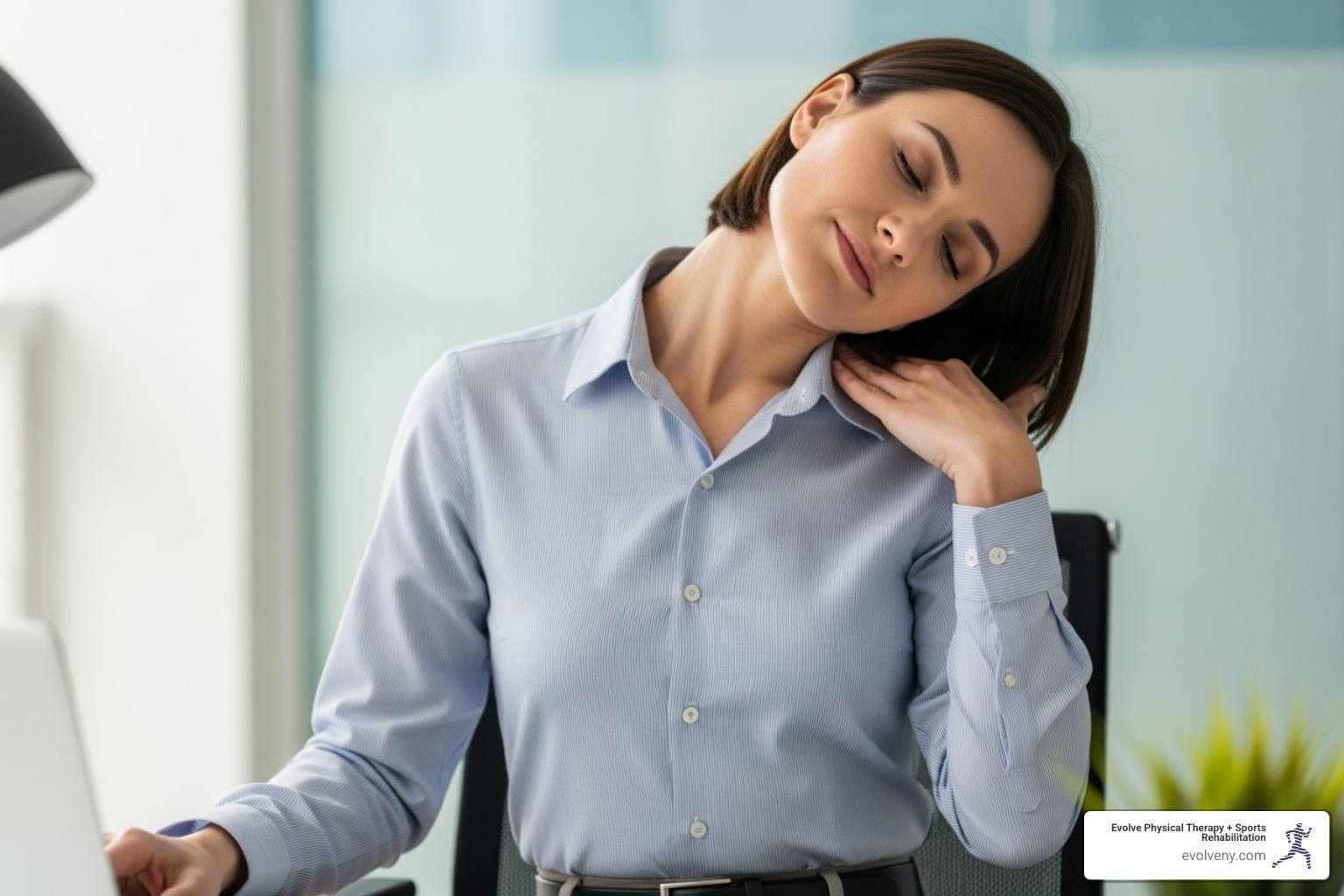
- Neck rolls: Relieve tension from screen time. Gently bring your ear toward each shoulder and do chin tucks to combat "tech neck."
- Shoulder shrugs: Release tension in your upper back. Lift your shoulders to your ears, hold, and then release.
- Torso twists: Improve spinal mobility. While seated, gently rotate your upper body to one side, using the chair for support, then repeat on the other side.
- Wrist stretches: Help prevent repetitive strain injuries. Extend your arm and gently pull your fingers back, first with the palm up, then down.
- Upper back stretch: Counteracts hunching. Clasp your hands and push forward, rounding your upper back. You can also interlace fingers behind your head and open your elbows to stretch your chest.
These stretches improve flexibility, boost blood flow, and remind your body what good alignment feels like.
The Role of Professional Guidance
Sometimes, despite your best efforts, you may need professional support for your long-term comfort and health.
When should you see a specialist? Seek professional guidance for persistent pain, numbness, tingling, or weakness that doesn't improve with self-care or interferes with your daily life.
How can physical therapy help? At Evolve Physical Therapy + Sports Rehabilitation, we go beyond symptoms. We start with a thorough posture assessment to find the root cause of your discomfort. Our physical therapists use hands-on techniques, targeted exercises, and education to correct imbalances. We focus on core stability, spinal alignment, and muscle re-education to retrain your body.
Our goal is lasting relief. We teach you custom corrective exercises and help you understand how your daily habits contribute to your discomfort. Physical therapy for posture training can be a game-changer. To learn more, explore our guide on Physical Therapy for Posture Training.
Frequently Asked Questions about Office Posture
Here are answers to common questions about improving office work posture.
How long does it take to correct years of bad posture?
Correcting years of poor office work posture takes time and patience. Consistency is key; daily practice is more effective than infrequent, longer sessions. Most people feel some relief within a few weeks. However, re-training neuromuscular patterns that have developed over years takes time. The gradual process involves becoming aware of your posture, strengthening supportive muscles, and stretching tight ones until good posture feels natural. With consistent effort, most people see significant improvements in 6-12 weeks.
Can a standing desk solve all my posture problems?
Standing desks are useful tools, but not a magic bullet. It's easy to adopt poor standing posture, such as leaning on one hip or hunching. The real benefit is alternating positions, as your body needs movement. Proper standing posture is just as important as proper sitting posture: distribute weight evenly, keep knees soft, shoulders relaxed, and core engaged.
Is it normal to feel some discomfort when first correcting my posture?
Yes. When you start correcting your office work posture, you're activating muscles that have been underused, which can cause some initial discomfort. Think of it like the soreness after a new workout. It's important to differentiate between good and bad pain. Good discomfort is mild muscle fatigue or soreness. Bad pain is sharp, shooting, or involves numbness and tingling.
When should you seek help? If discomfort persists for weeks, worsens, or feels sharp, consult a physical therapist to ensure you're making changes safely and effectively.
Take Control of Your Comfort and Health
Improving your office work posture is about more than sitting up straight; it's about reclaiming your energy, comfort, and quality of life. Prioritizing posture is an investment in feeling better every day.
The change can be remarkable: no more backaches or tension headaches, and more energy to enjoy your evenings instead of feeling drained. The benefits include reduced pain in your back, neck, and shoulders. You'll also experience increased energy levels as your body works more efficiently, and improved focus without the distraction of discomfort.
At Evolve Physical Therapy + Sports Rehabilitation in Brooklyn, we've seen these changes firsthand. Our approach is not about quick fixes; we empower you with the knowledge and tools for lasting change.
We meet you where you are, assessing your posture, workstation, habits, and pain patterns to understand your unique situation. We don't just treat symptoms; we help you understand the why behind your discomfort and provide practical, real-world strategies you can stick with.
Ready to finally feel comfortable at your desk? Learn more about how ergonomic physical therapy in Brooklyn can transform your workday. Your future self will thank you for taking this step today.
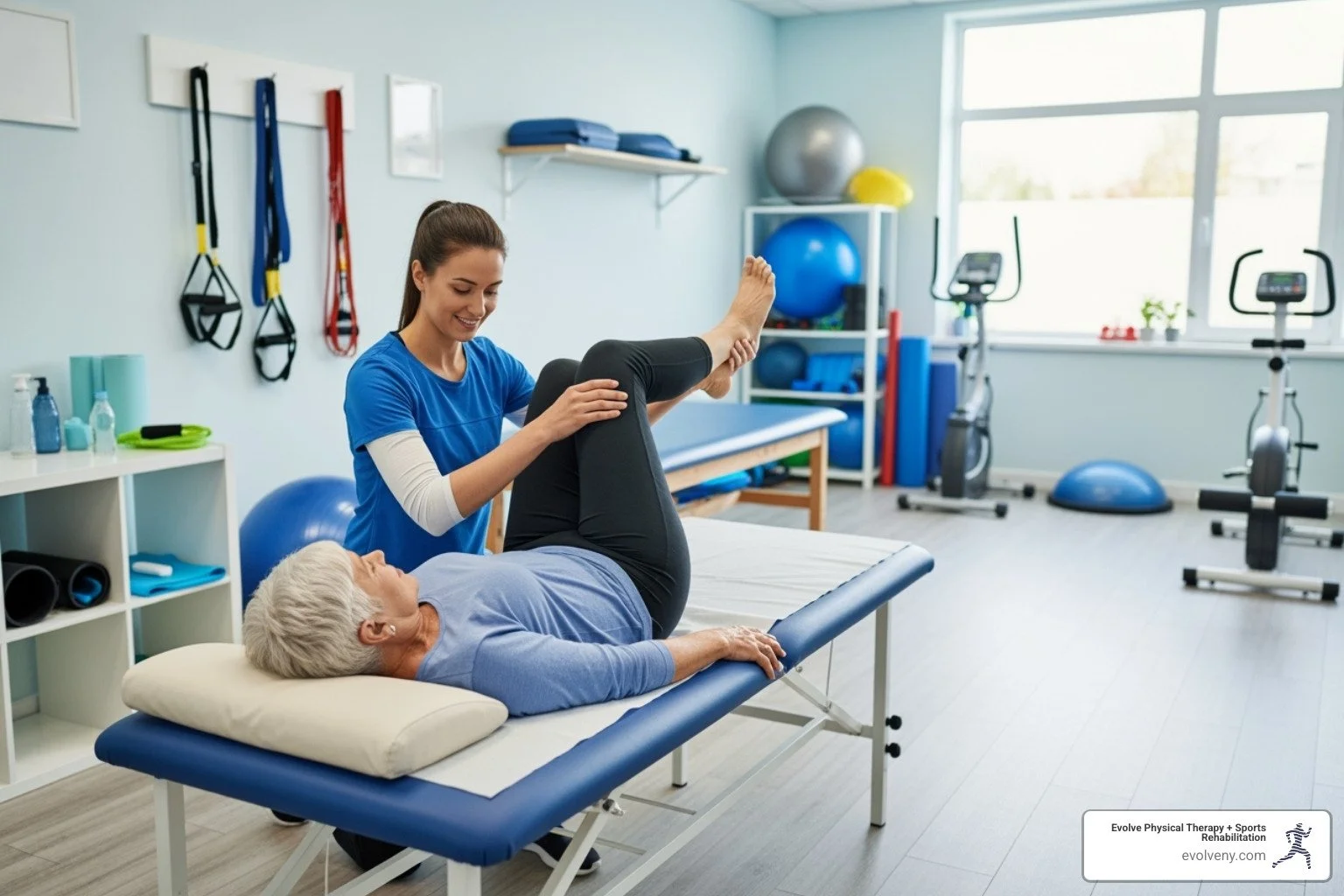
Joint Effort – Physical Therapy Tips for Arthritis Management
Why Physical Therapy is Essential for Managing Arthritis Pain
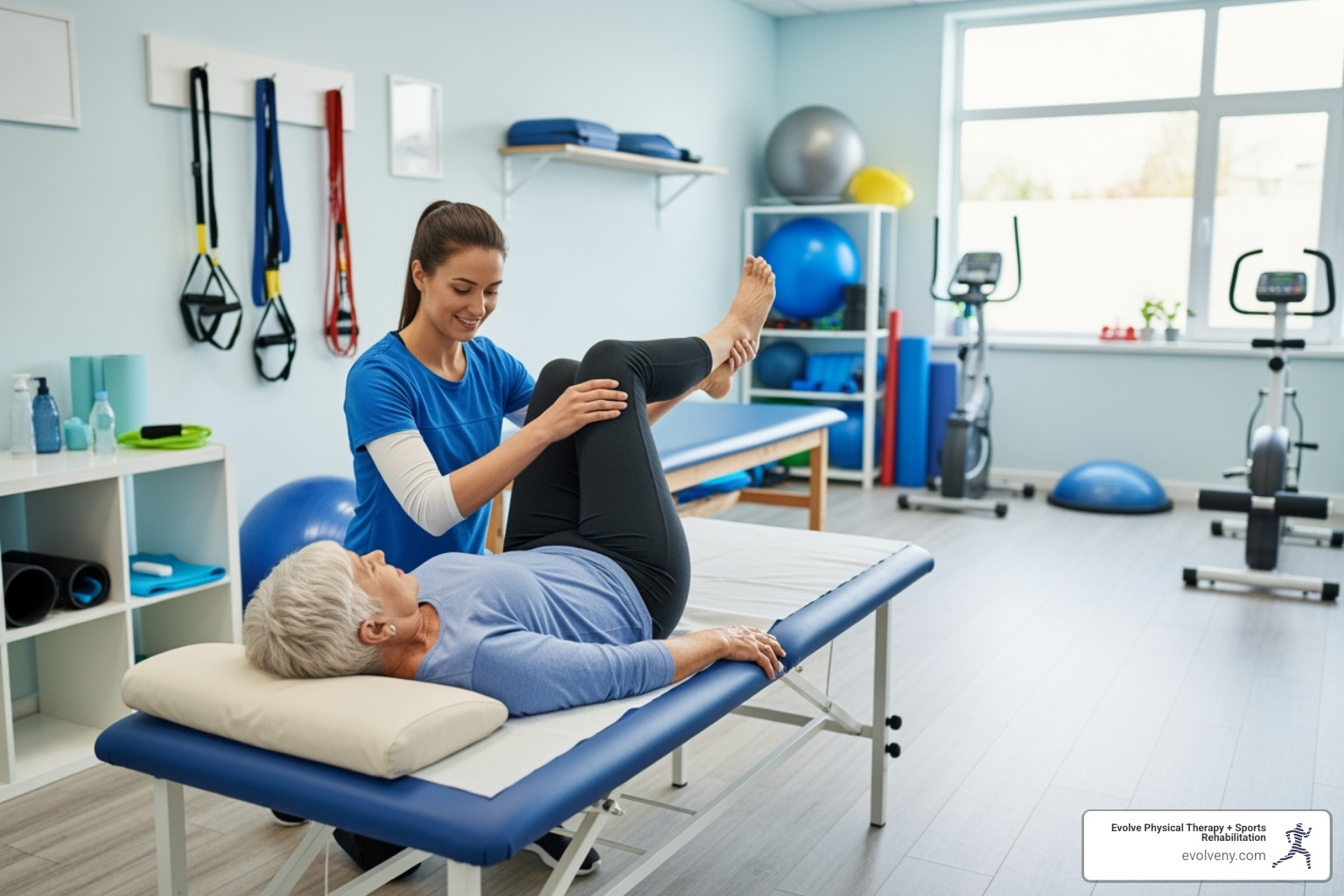
Physical therapy for arthritis is an evidence-based approach that helps reduce pain, improve joint function, and restore mobility. It strengthens muscles around affected joints, reduces stiffness, and teaches you safe movement to prevent further damage, often without relying on medication or surgery.
Quick Overview: How Physical Therapy Helps Arthritis
- Pain Relief: Manual therapy and targeted exercises reduce joint pain and inflammation
- Improved Mobility: Gentle stretching and movement restore range of motion
- Stronger Support: Strengthening exercises build muscle around joints for better stability
- Better Function: Learn proper body mechanics for daily activities
- Reduced Medication: Studies show PT can be more effective than steroid injections for knee arthritis
- Delayed Surgery: Many patients avoid or postpone joint replacement with consistent therapy
Research confirms that exercise and physical therapy can ease rheumatoid arthritis symptoms. A 2020 study even found that PT was more effective than steroid injections for reducing pain and disability in people with knee osteoarthritis.
Arthritis doesn't have to control your life. With the right approach, you can maintain an active lifestyle and continue doing the things you love.
I'm Lou Ezrick, founder of Evolve Physical Therapy. With nearly two decades of experience in manual therapy and chronic pain management, I've helped thousands use physical therapy for arthritis to regain active lifestyles without surgery or long-term medication.
Understanding Arthritis: More Than Just Joint Pain
Arthritis is more than just achy joints. It's an umbrella term for over 100 conditions that cause joint inflammation and pain. What they all share is their ability to make your joints hurt, swell, and feel stiff.
The impact of chronic joint pain extends beyond physical discomfort, affecting mood, sleep, and quality of life. The CDC notes a strong link between arthritis and mental health issues like anxiety and depression.
This is why physical therapy for arthritis takes a comprehensive approach—we're not just treating your joints, we're helping you reclaim your whole quality of life.
The Two Most Common Types of Arthritis
Understanding which of the two most common types of arthritis you have helps determine the best treatment approach.
Osteoarthritis (OA) is the common "wear and tear" type. Over time, the protective cartilage in joints breaks down, causing bones to rub together. This results in pain, stiffness, and a grinding sensation. It typically affects weight-bearing joints like knees and hips, plus hands and spine.
Rheumatoid arthritis (RA) is an autoimmune disease. The body's immune system mistakenly attacks the joint lining (synovium), causing widespread inflammation and damage. RA often affects the same joints on both sides of your body and can impact other organs too.
Recognizing the Symptoms
Arthritis symptoms vary, but there are some telltale signs to watch for.
Morning stiffness is a classic sign, especially if it lasts over 30 minutes. Joints can feel immobile upon waking.
Pain with activity (or at rest) is common, along with joint tenderness where even light pressure hurts.
Other symptoms include swelling, redness, warmth, reduced flexibility, and a grating sensation during movement.
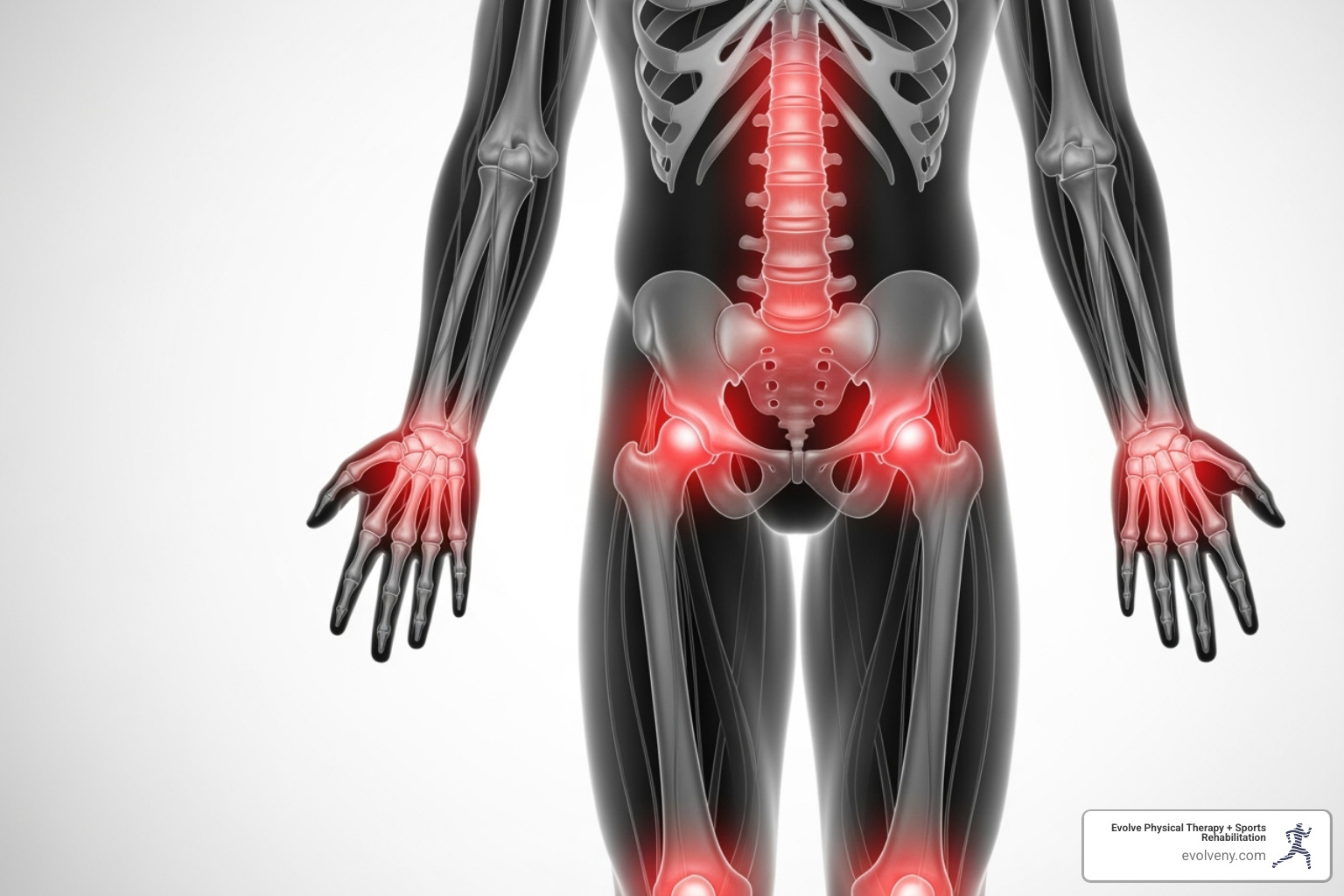
These symptoms can turn simple daily tasks into major challenges. But you don't have to accept this as your new normal. Physical therapy for arthritis can help you regain control and get back to doing the things you love.
The Role of Physical Therapy for Arthritis: A Proven Approach
When arthritis affects your daily life, physical therapy for arthritis offers a proven, hands-on approach to tackle pain at its source. It helps you regain the activities you love, often without relying on medication or surgery.
At Evolve Physical Therapy, we've seen countless patients learn to move with confidence again. Our approach focuses on pain reduction, improved function, and increased strength, helping you delay or avoid surgery.
Like fixing a car's alignment to prevent further damage, physical therapy addresses the root causes of your pain, such as movement patterns, muscle imbalances, and joint restrictions.
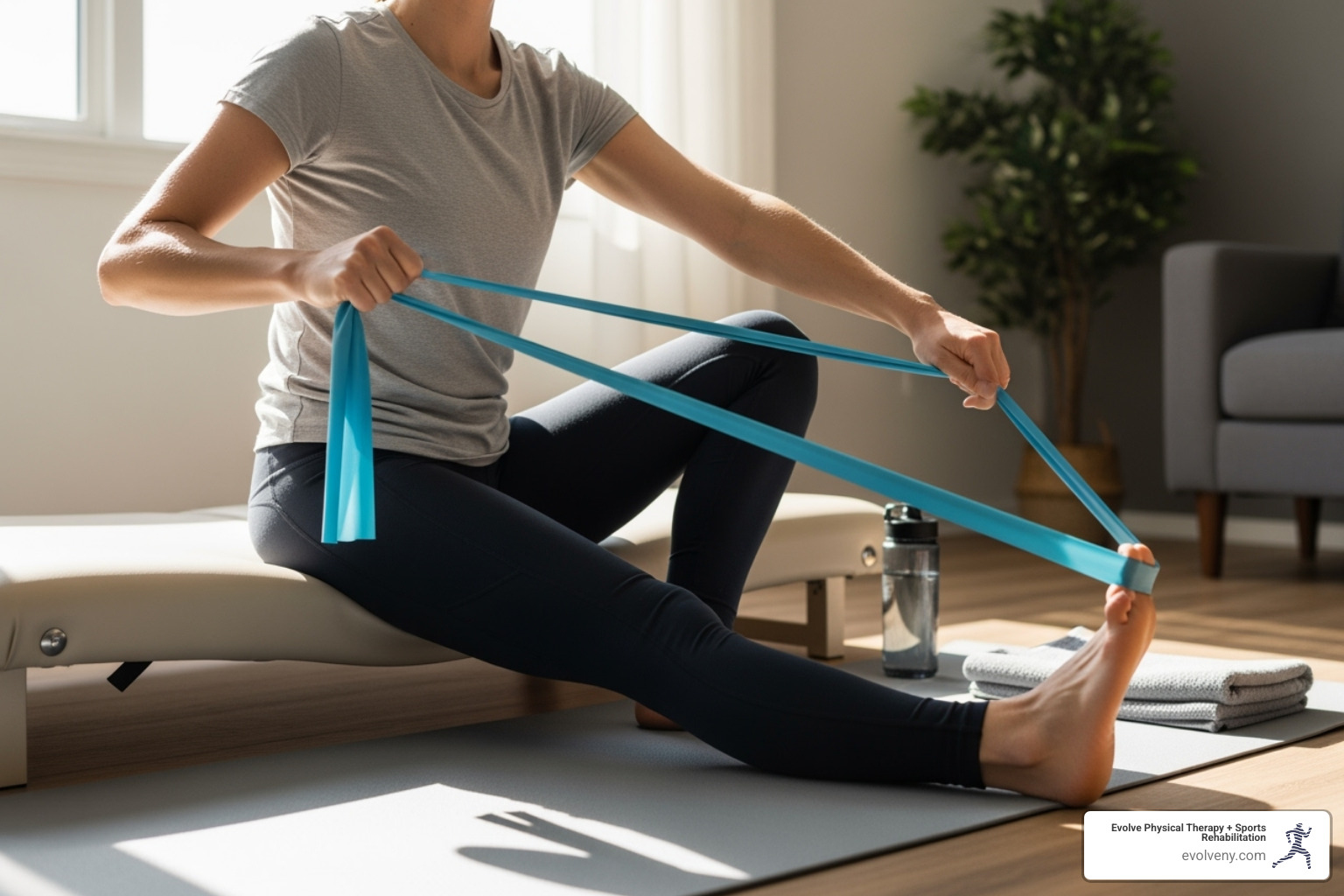
Primary Goals of a PT Program
When you start working with us, our primary goals are to restore joint use, strengthen supporting muscles, maintain your fitness, and preserve your ability to do daily activities. Through patient education and self-management strategies, we empower you to protect your joints while staying active.
How PT Complements Other Approaches
Research shows that physical therapy is a first-line, evidence-based treatment for hip and knee osteoarthritis, meaning it should often be the first treatment you try.
A 2019 study found that supervised, active treatment—including physical and exercise therapy—is the most effective initial approach for knee and hip osteoarthritis. This doesn't mean we ignore other treatments, but rather that physical therapy for arthritis works alongside your medical care to improve its effectiveness.
While pain medication might offer temporary relief, physical therapy addresses why you're having pain in the first place. We improve how your body moves, strengthen weak areas, and teach you strategies for long-term success. Many of our patients find they need fewer medications as their strength and function improve.
The beauty of this approach is that it puts you in control. Instead of just managing symptoms, you're actively working toward long-term improvement.
What to Expect from Your Arthritis Physical Therapy Plan
Starting physical therapy for arthritis can feel daunting, but we make the process straightforward. Your first visit is the beginning of a partnership focused on helping you move better and feel stronger.
Initial Evaluation
Your journey begins with a comprehensive evaluation. We'll conduct a posture assessment to find imbalances, perform strength testing on muscles around the joints, and use range of motion measurement to identify stiffness. A balance evaluation and movement analysis of daily tasks like walking help us spot problematic patterns. Based on these findings, we create a personalized treatment plan custom to your condition and goals.
What a Typical Physical Therapy for Arthritis Plan Involves
Your plan will combine several proven techniques. Manual therapy uses hands-on methods like joint mobilization to restore movement. Therapeutic exercises are selected to strengthen supporting muscles and improve flexibility. We may use modalities like heat and cold therapy for relief. Crucially, we provide education on proper body mechanics to protect your joints during daily tasks and a home exercise program to ensure your progress continues outside the clinic.
The PT's Role in Assistive Devices and Home Modifications
Our therapists can recommend assistive devices to make life easier and safer. This might include a walker or cane for stability, shoe inserts for better alignment, or splints or braces for joint support.
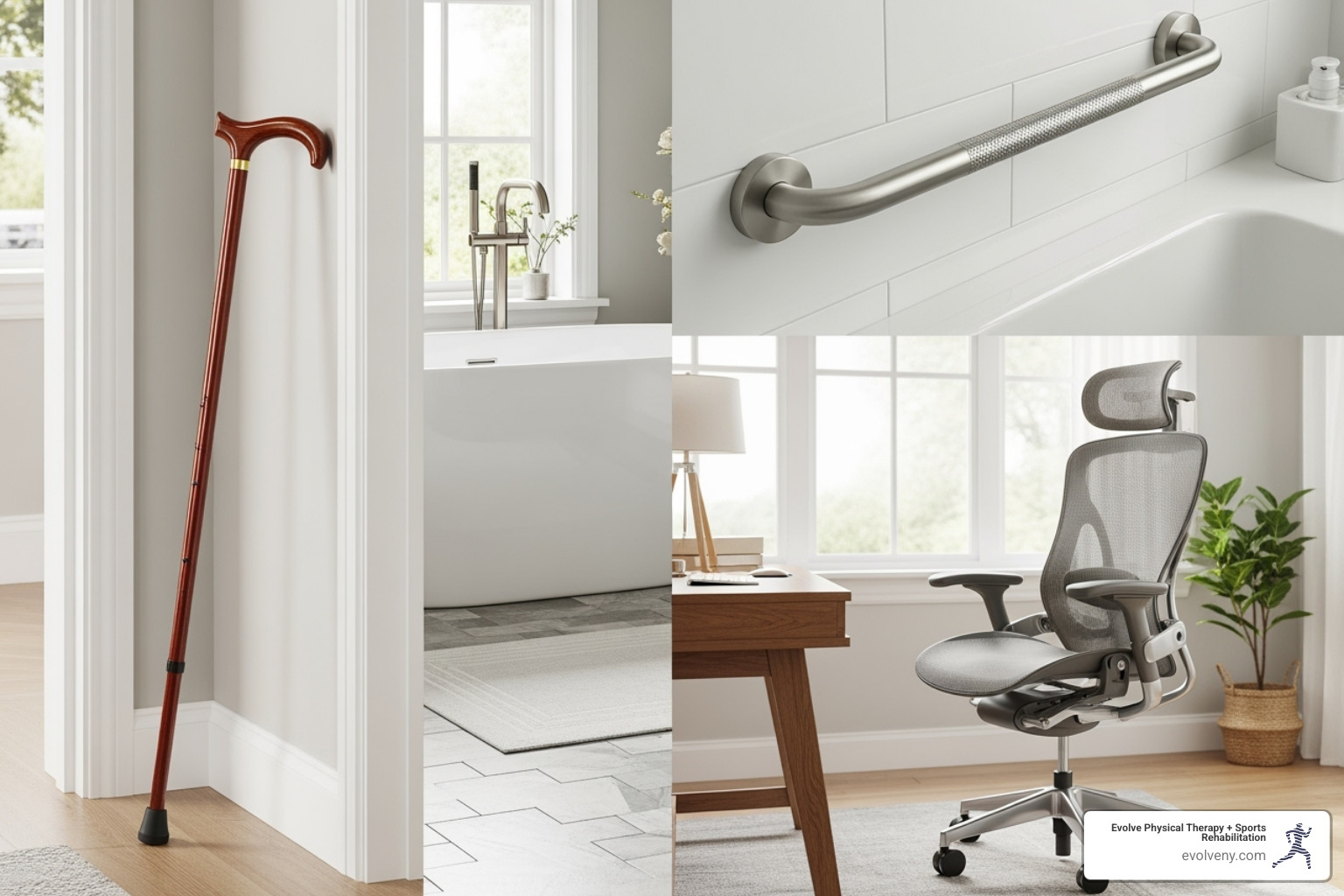
Beyond devices, we also provide ergonomic setup advice, suggesting simple home modifications like grab bars in the bathroom, cushioned mats in the kitchen, or an ergonomic chair at your desk to reduce daily joint stress.
Finding the Right Specialist for Physical Therapy for Arthritis
Choosing the right physical therapist is key. Look for a licensed professional with experience treating arthritis and good communication skills. At Evolve Physical Therapy, our one-on-one approach ensures you receive individualized, hands-on care. With locations in Marine Park, Gravesend, Midwood, Park Slope, and Mill Basin, quality arthritis care is convenient. Ready to start? Find a qualified physical therapist at Evolve Physical Therapy and learn how we can help you reclaim your active lifestyle.
Safe and Effective Exercises for Arthritis Relief
Movement is medicine for arthritis, but exercising with joint pain can feel daunting. The right physical therapy for arthritis exercises are designed to reduce pain and stiffness, not worsen them.
The key is consistent, low-impact exercise that's gentle on your joints. Even 10-15 minutes of daily movement can make a huge difference. Before starting, always warm up properly for 5-10 minutes, and don't skip the cool-down period with gentle stretches afterward.
Can Physical Therapy Make Arthritis Worse? Safety First!
A common concern is whether PT can worsen arthritis. When done correctly under professional guidance, physical therapy for arthritis is designed to improve your symptoms. You may feel mild muscle soreness, which is normal, but sharp pain or increased swelling is a sign to stop. The "no pain, no gain" mantra is a myth for arthritis; your safety is the priority.
During arthritis flare-ups, we modify your routine to focus on gentle movements. Rest days are also essential for recovery. A physical therapist provides professional guidance to ensure you exercise safely and effectively, and the CDC offers excellent general exercise safety tips.
Exercises for Specific Joints
Your physical therapist will create a customized plan. Here are some examples of gentle exercises:
- For knee pain: Sit-to-stand exercises (rising from a chair without using hands) and leg lifts while lying down strengthen the muscles supporting the knee.
- For hip pain: Clamshells (lying on your side, lifting your top knee) and standing kickbacks help engage the glutes and improve hip strength.
- For hands and fingers: A 2015 study showed daily hand exercises improve function. Try making gentle fists, doing individual finger bends, and making small thumb circles.
- For neck stiffness: Shoulder rolls and gentle head tilts (ear toward shoulder) can release tension and ease discomfort.
General Activities to Ease Arthritis Pain
Incorporating enjoyable low-impact activities into your routine is key.
- Walking is highly accessible and keeps joints moving.
- Bicycling (stationary or outdoor) promotes joint lubrication without impact.
- Tai Chi improves balance and flexibility with slow, meditative movements.
- Gentle yoga can improve flexibility, strength, and balance; look for arthritis-specific classes.
- Aquatic therapy and water aerobics are game-changers. The water's buoyancy supports your body, reducing stress on joints and allowing for pain-free movement.

Working with an experienced physical therapist is valuable because we help you find the right combination of exercises and activities that fit your lifestyle and goals.
Frequently Asked Questions About Arthritis Management
We want to address common questions to help you feel more confident about starting physical therapy for arthritis.
How often should I see a physical therapist for arthritis?
The frequency of your visits is personalized. During the initial phase, most patients visit two to three times per week for close monitoring, hands-on therapy, and proper exercise instruction. Our goal is to transition you to a home program, so visits will decrease as you gain confidence and independence.
Periodic check-ins every few months are valuable for updating your program and addressing new concerns. During flare-ups, we can quickly modify your plan to help you manage symptoms. Consistency with your home program is the key to long-term success.
How is physical therapy for arthritis covered by insurance or Medicare?
Most insurance plans recognize physical therapy for arthritis as a medically necessary treatment.
- Private insurance typically covers PT, but plans may have session limits, co-pays, or deductibles. It's best to call your provider to understand your specific benefits.
- Medicare coverage varies. As detailed by sources like AARP, Medicare Part A and Part B coverage details show Part A covers inpatient therapy, while Part B covers outpatient services like ours. Part B usually pays 80% after your deductible is met.
Across all plans, treatment must be deemed a medical necessity. Our administrative team can help you steer your coverage.
What is the difference between physical therapy and occupational therapy?
This is a great question, as both are helpful for arthritis. The main difference is their focus:
- Physical Therapy (PT) focuses on how your body moves. We work to improve strength, range of motion, and mobility to reduce pain and improve overall function. A PT helps your knee move better so you can walk without pain.
- Occupational Therapy (OT) focuses on how you perform daily tasks. An OT helps you adapt activities and environments, often using assistive devices or improving fine motor skills. An OT might teach you how to get dressed more easily or recommend ergonomic kitchen tools.
While we focus on PT at Evolve, we work closely with OTs to provide comprehensive care.
Take Control of Your Joints and Your Life
Living with arthritis doesn't mean accepting a life of pain or giving up activities you enjoy. Physical therapy for arthritis offers a path to proactive management, empowering you to take control.
The benefits are real: pain reduction, improved function, increased strength, and empowerment through movement. By understanding your body's needs, you can break free from the cycle of pain and stiffness.
At Evolve Physical Therapy + Sports Rehabilitation, our hands-on approach ensures your treatment is as unique as you are. We don't use cookie-cutter solutions; our therapists work with you to guide and adjust your plan as you improve.
Long-term success in managing arthritis is a marathon, not a sprint. It requires consistency and a partnership with your physical therapist. We're here to support you through every step of your health journey.
Whether it's stiffness in your hands or pain in your knees or hips, there is hope. Our team across Brooklyn—in Marine Park, Park Slope, Gravesend, Mill Basin, and Midwood—is ready to help you write a new chapter.
Ready to take the next step? Learn more about our physical therapy services and find how we can help you move better, feel stronger, and live the life you want. Your joints—and your future self—will thank you.

Mobilize Your Shoulder Like a Pro – Mobilization with Movement Explained
Why Shoulder Pain Doesn't Have to Limit Your Active Life
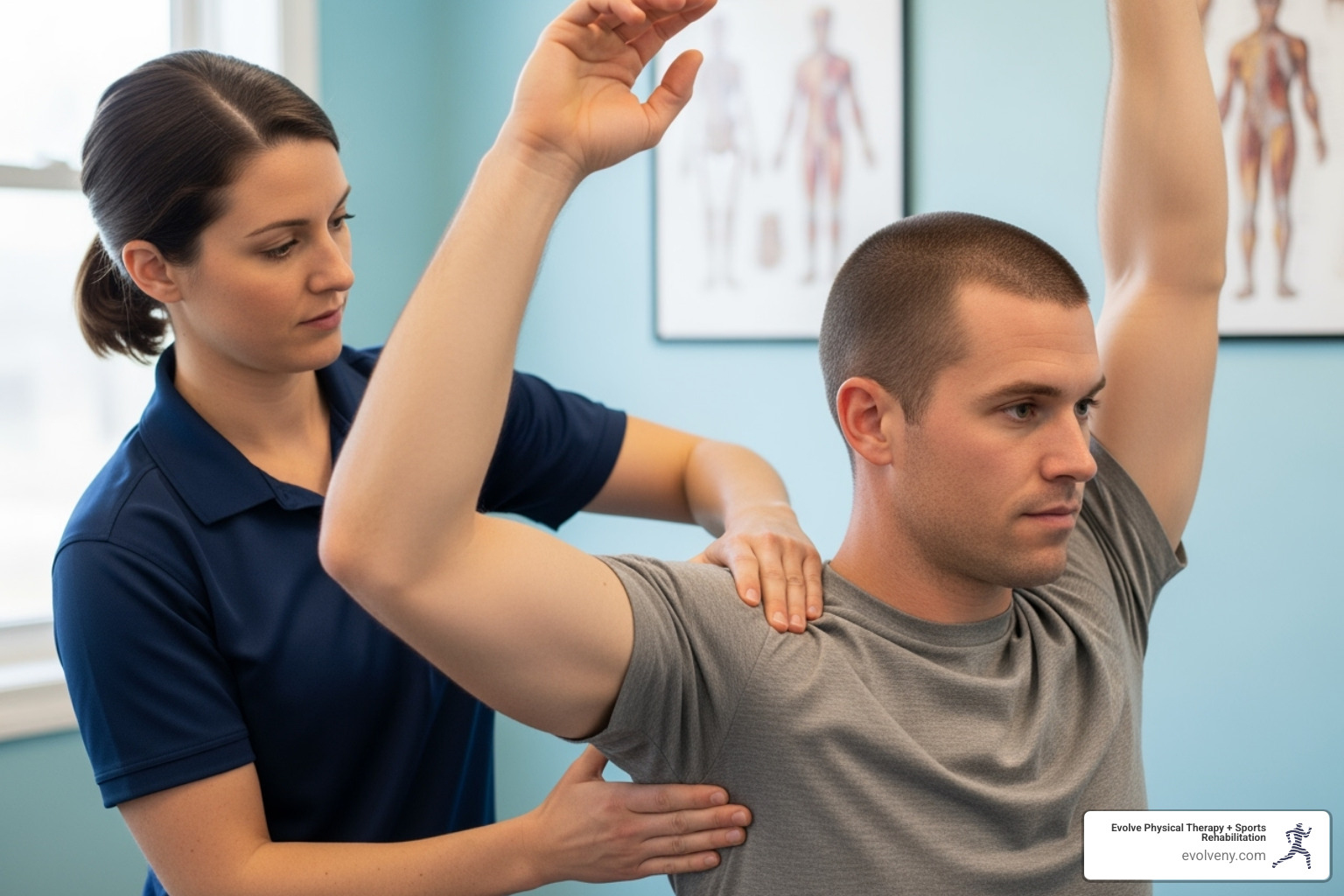
How to do mobilization with movement for the shoulder is a pain-free manual therapy technique that combines therapist-applied joint glides with your active movement to restore normal shoulder function. Here's the quick answer:
Basic MWM Steps:
- Assessment - Therapist identifies your painful shoulder movement
- Glide Selection - Usually a posterior or posteroinferior glide of the humeral head
- Application - Therapist applies sustained glide while you actively move your arm
- Pain-Free Rule - Movement must remain completely pain-free
- Repetitions - Multiple pain-free repetitions to "reset" your nervous system
If shoulder stiffness is keeping you from your active life, you're not alone. Research shows MWM can improve flexion by nearly 12 degrees for frozen shoulder and over 18 degrees for general shoulder pain.
The beauty of MWM is its immediate effects; many patients experience less pain and better movement right after their first session. It works by gently correcting subtle joint alignment issues while calming your nervous system's pain response.
I'm Lou Ezrick, founder of Evolve Physical Therapy. I've spent nearly two decades helping active professionals overcome shoulder limitations using advanced manual therapy. My experience in Tel Aviv and Brooklyn has shown me how to do mobilization with movement for the shoulder effectively to get people back to their active lifestyles without medications or surgery.
What is Mobilization with Movement (MWM) and How Does It Work?
When shoulder pain stops you from reaching for a high shelf, Mobilization with Movement (MWM) can be a game-changer. Developed by Brian Mulligan, MWM is a manual therapy technique where your therapist applies a gentle, sustained glide to your shoulder joint while you actively move your arm.
Think of your shoulder as a ball in a shallow cup. Tiny misalignments, or "positional faults," can disrupt smooth movement, like a sticking door hinge. MWM corrects this by guiding the humeral head (the ball) back into its proper position as you move.
Beyond mechanics, MWM calms an overactive nervous system. When you're in pain, your brain guards the area, making things worse. The gentle pressure of MWM can override pain signals (Pain Gate Theory), activate your body's natural pain relief (descending pain inhibition), and reduce the fear that keeps you from moving. This is why MWM provides immediate relief—it resets your nervous system's alarm. If you're dealing with shoulder issues in Brooklyn, our team specializes in these advanced techniques at Shoulder Physical Therapy Brooklyn.
The Core Principles of MWM
The effectiveness of MWM lies in its core principles, which guide every session at Evolve Physical Therapy + Sports Rehabilitation.
- The Pain-Free Rule: This is non-negotiable. If you feel any discomfort, we stop and adjust. This works with your nervous system, not against it.
- Functional Movement: We focus on restoring actions you need for daily life, from reaching for a coffee mug to throwing a ball.
- Communication: Your feedback is crucial for us to fine-tune the glide, pressure, and speed. We listen to what your body tells us.
- Repetitions: Repeating the pain-free movement reinforces the correct pattern and teaches your nervous system that the movement is safe.
- Long-Lasting Results: While immediate relief is common, our goal is lasting change that enables more effective exercise and long-term improvement.
The Science Behind the Relief: Correcting Faults and Calming Nerves
MWM addresses both the mechanical and neurological aspects of shoulder problems. Mechanically, it corrects faulty humeral head alignment within the glenoid fossa (the socket). During a normal arm lift, the humeral head should glide downward and backward. If it doesn't, tissues get pinched, causing pain. MWM provides a biomechanical correction by applying an external force to guide the joint correctly as you move.
Neurologically, MWM calms an overactive sympathetic nervous system. Pain can cause your brain to treat normal movements as threats, creating a cycle of fear and guarding. By demonstrating that movement can be pain-free, MWM achieves fear-avoidance reduction. This combination of mechanical correction and nervous system reset is supported by research, with studies like this Efficacy of MWM for shoulder conditions: a systematic review showing significant improvements in pain and range of motion.
How to Do Mobilization with Movement for the Shoulder to Improve Flexion
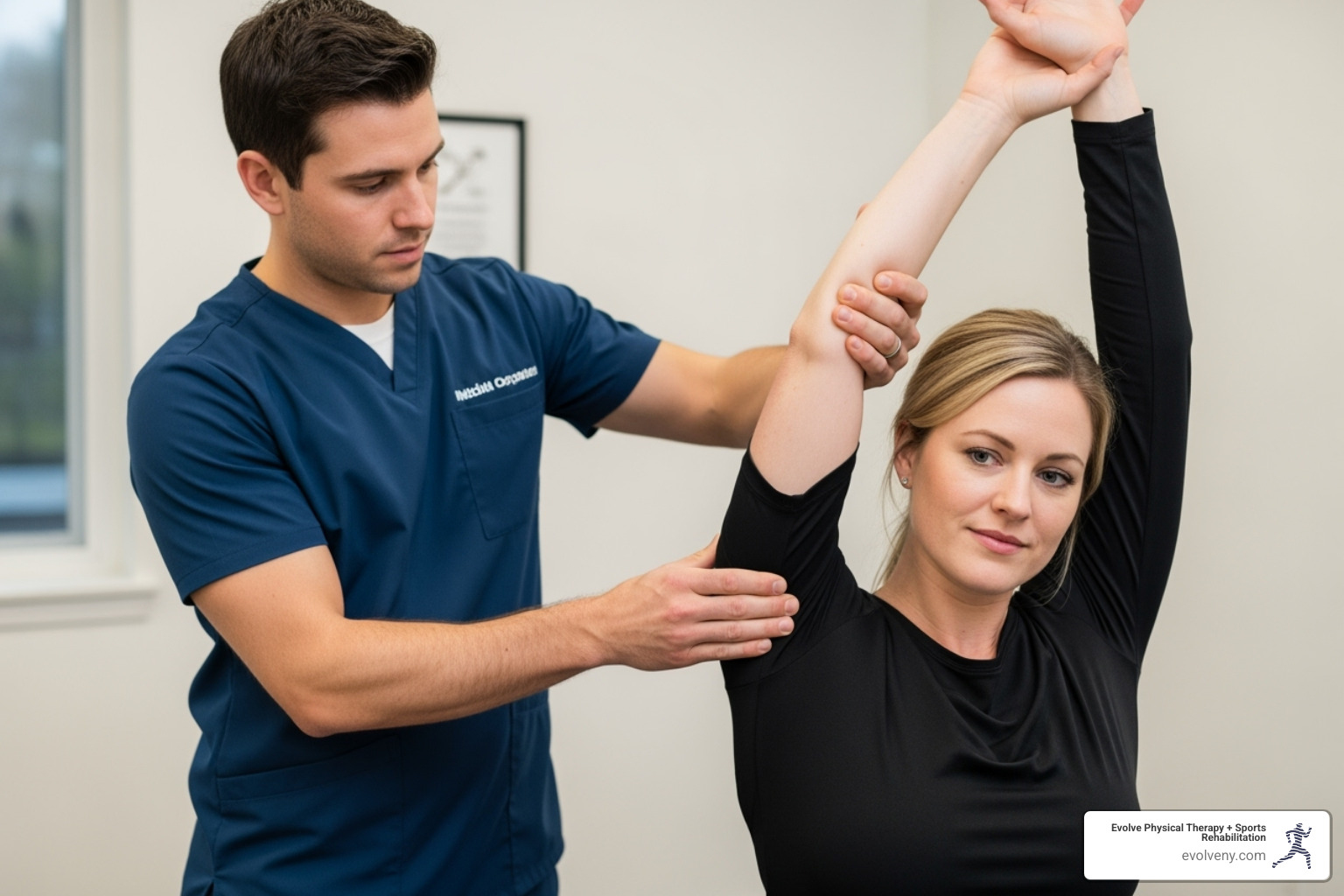
If lifting your arm overhead is painful or stiff, how to do mobilization with movement for the shoulder can restore that smooth, pain-free reach. Your highly mobile shoulder joint requires precise coordination. For proper shoulder flexion, the humeral head (the ball) must glide downward and backward in the socket. When this movement, known as arthrokinematics, is disrupted, pain and struggle result. At Evolve, our hands-on approach identifies this breakdown and applies the precise correction needed.
Step 1: Finding the Right Glide for Your Shoulder
MWM begins with detective work to identify your specific movement fault. We'll ask you to perform the movement that causes trouble, noting where pain or limitation occurs. The next step is determining the optimal glide direction. For most shoulder flexion issues, a posterior or posteroinferior glide of the humeral head is effective.
Precise hand placement over your humeral head is crucial for applying the sustained, gentle force needed to correct the fault. This is not a one-size-fits-all approach; finding the specific "positional fault" requires skill and careful attention to your body's response.
Step 2: A Step-by-Step Guide on How to Do Mobilization with Movement for the Shoulder
The how to do mobilization with movement for the shoulder technique is a partnership between you and your therapist. While the therapist maintains a sustained glide on your humeral head, you actively lift your arm. The movement must be completely pain-free; if you feel any discomfort, the glide is adjusted immediately.
We guide you through 6 to 10 pain-free repetitions. Each one helps your nervous system learn that the movement is safe, relaxing its protective guarding. This nervous system reset can happen quickly, with many patients experiencing improved range and less pain after just one set. You can see a demonstration of a Posterior Glide to increase flexion here.
Can You Do This at Home? A Guide to Self-MWM
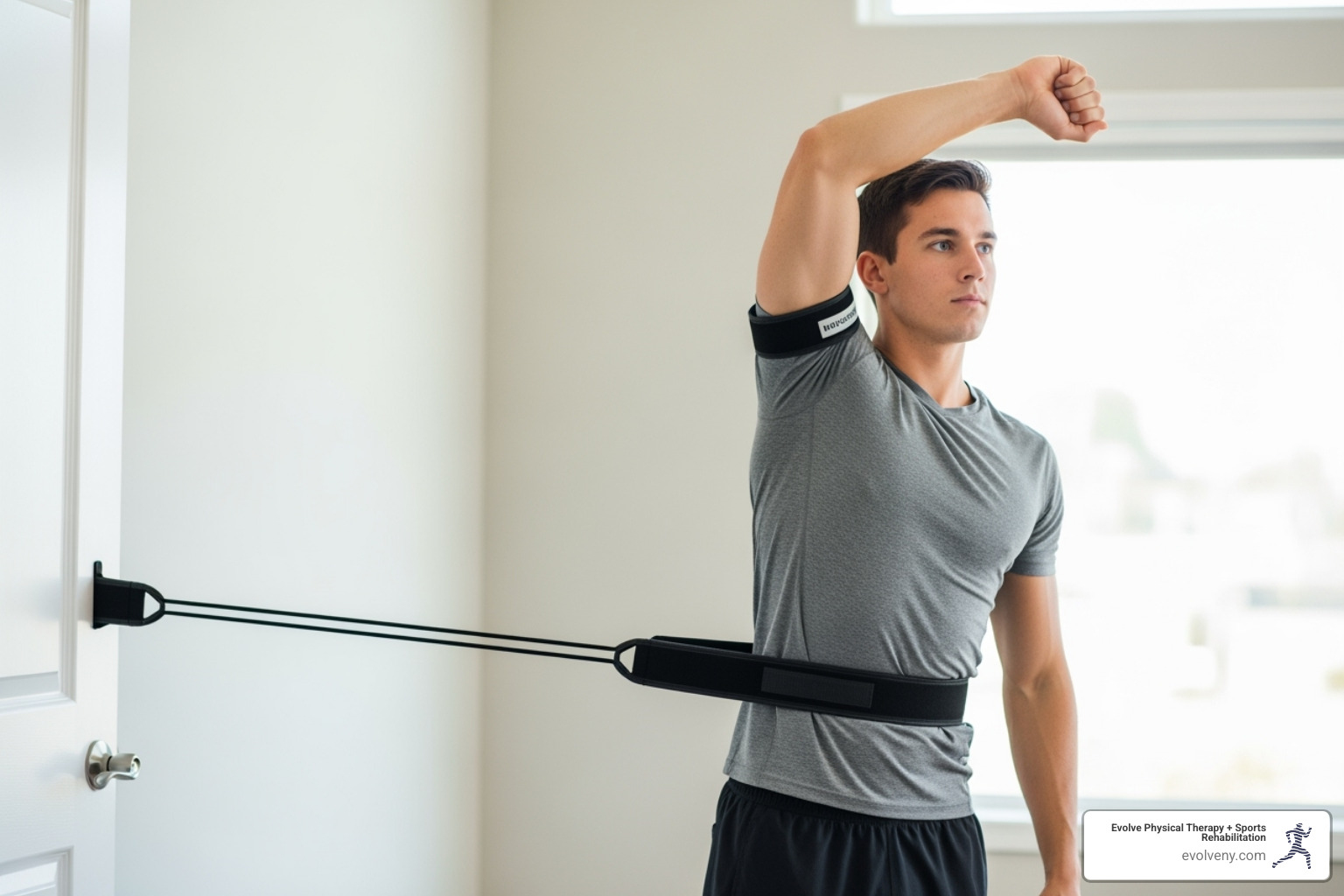
The benefits of MWM can often be continued at home with self-treatment techniques, but only after learning from a qualified therapist. A common method uses a mobilization belt secured to a sturdy object to replicate the therapist's glide. You position the belt around your upper arm near the shoulder joint to create a gentle pull.
While maintaining belt tension, you actively lift your arm, ensuring the movement remains pain-free. If you feel discomfort, adjust the belt's tension or angle. Performing these gentle repetitions multiple times throughout the day reinforces correct movement patterns and helps you maintain your progress.
However, professional guidance is essential to learn the correct setup and force. Safety first is our rule, especially for those in our Prehab for Shoulder Surgery Brooklyn program. Self-MWM extends professional care, it doesn't replace it, giving you tools to accelerate recovery between sessions.
The Evidence: Why MWM is a Top Choice for Shoulder Recovery
Patients often ask if MWM actually works. The answer is a resounding yes, backed by both clinical experience and solid research. At Evolve Physical Therapy, we use MWM because of its consistent, proven results.
The evidence is strong for common conditions like frozen shoulder, shoulder impingement syndrome, and rotator cuff pain. For rotator cuff issues, MWM is a cornerstone of our approach at Physical Therapy for Rotator Cuff.
What sets MWM apart are its immediate effects. Many patients experience significant improvement in range of motion and pain relief in a single session, as their nervous system gets the 'all clear' signal to move freely.
What the Research Says About MWM
The research is compelling. For frozen shoulder, MWM improved flexion by an average of nearly 12 degrees—a clinically significant change that makes a real difference in daily life. For general shoulder pain, the improvement was even more impressive at over 18 degrees.
Beyond the numbers, patients report significant pain reduction and functional improvement. These changes often occur within a single session, as the nervous system learns it can move without pain. This evidence is why how to do mobilization with movement for the shoulder is central to our philosophy of helping you recover as quickly and safely as possible.
Who Benefits Most from MWM?
MWM is particularly effective for certain individuals and conditions:
- Reproducible Pain: If your pain occurs with a specific movement, MWM can target the exact fault.
- Shoulder Stiffness: It works well for frozen shoulder, post-injury recovery, or general tightness.
- Athletes and Active Individuals: They benefit from the quick gains that help them return to their sport.
- Older Adults: The gentle, non-aggressive nature of the technique is highly appreciated.
- Plateaued Progress: If exercise alone isn't working, MWM can provide a breakthrough, making your exercises more effective.
MWM is versatile and can restore smooth, pain-free movement for a wide range of issues. Our team has extensive experience with various shoulder problems, as detailed in our guide on Physical Therapy for Shoulder Injuries.
Comparing MWM to Other Shoulder Therapies
How does MWM compare to other therapies?
- vs. Passive Mobilizations: Traditional mobilizations can involve pushing into discomfort. MWM's pain-free rule makes it unique and more comfortable.
- vs. Passive Treatment: The active component of MWM, where you move your own arm, creates a powerful neurological reset that passive techniques can't match.
- vs. Therapeutic Exercise Alone: MWM can be a precursor to exercise. By restoring pain-free range of motion first, it makes strengthening exercises more effective and less painful.
The speed of results is also a key advantage. MWM provides immediate improvements that boost motivation, and research shows combining MWM with exercise is more effective than exercise alone. At Evolve, we use MWM to provide immediate gains, while targeted exercises build long-term strength and stability for the best possible outcome.
Frequently Asked Questions About Shoulder MWM
After nearly two decades of helping patients with shoulder issues, I've noticed that people often have similar concerns when they first hear about how to do mobilization with movement for the shoulder. Let me address the questions that come up most often in our Brooklyn clinic.
Does MWM for the shoulder hurt?
This is the most common question, and the answer is a firm NO. If MWM causes any pain, it's not being done correctly. The pain-free principle is the golden rule. We stop and adjust at the slightest discomfort, as our goal is to work with your nervous system, not against it.
Adding pain would reinforce your brain's fear of movement. By guiding your shoulder through a pain-free range, we're resetting its pain response. Your feedback is crucial for us to fine-tune the technique, so we encourage you to speak up. Your comfort is our guide.
What are the safety considerations and contraindications?
MWM is very safe when performed by a qualified therapist after a thorough evaluation. However, it may not be appropriate for everyone.
Contraindications or conditions requiring caution include:
- Joint hypermobility or significant shoulder instability
- Recent fractures
- Active cancer in the shoulder region
- Acute inflammatory arthritis
- Severe osteoporosis (requires a modified, gentle approach)
We always conduct a comprehensive hands-on evaluation to ensure MWM is both safe and effective for you. This assessment is our first step, whether you have a new injury or are considering Rehab for Shoulder Surgery.
How many sessions are typically needed to see results?
One of MWM's biggest advantages is that most people experience noticeable improvement in their very first session, with less pain and better movement.
While this immediate improvement is encouraging, the total number of sessions for lasting change depends on your specific situation. Newer problems may resolve in a few sessions, while chronic issues take longer. Your active participation with home exercises also significantly impacts your recovery speed.
Typically, patients need 4-8 sessions to solidify their gains and learn long-term management strategies. The immediate relief from the first session is just the beginning. Our goal is to address the root cause of your dysfunction and teach you how to maintain a healthy shoulder for life.
Take Control of Your Shoulder Health Today
You don't have to accept shoulder pain as your new normal. MWM is your pathway to reclaiming an active life, offering a gentle, powerful solution that works with your body.
At Evolve Physical Therapy + Sports Rehabilitation, we combine evidence-based MWM with personalized, comprehensive care. Our approach goes beyond just the technique; we take a holistic view, examining how posture, habits, and daily movements contribute to your pain. Our hands-on philosophy means we take the time to understand your unique story and craft a treatment plan that fits your goals.
During your first session, you'll likely experience the immediate relief of pain-free movement as your nervous system learns that it's safe to move again. Our team serves the vibrant communities of Brooklyn NY, Marine Park, Gravesend, Midwood, Park Slope, and Mill Basin, and we're committed to getting you back to the activities you love.
Don't let another day pass. Your shoulder health is an investment in your future. Schedule your comprehensive shoulder evaluation today and let our expert care restore your freedom of movement. Your journey back to pain-free living starts now.
