

Brooklyn Physical Therapy News- Evolve NY
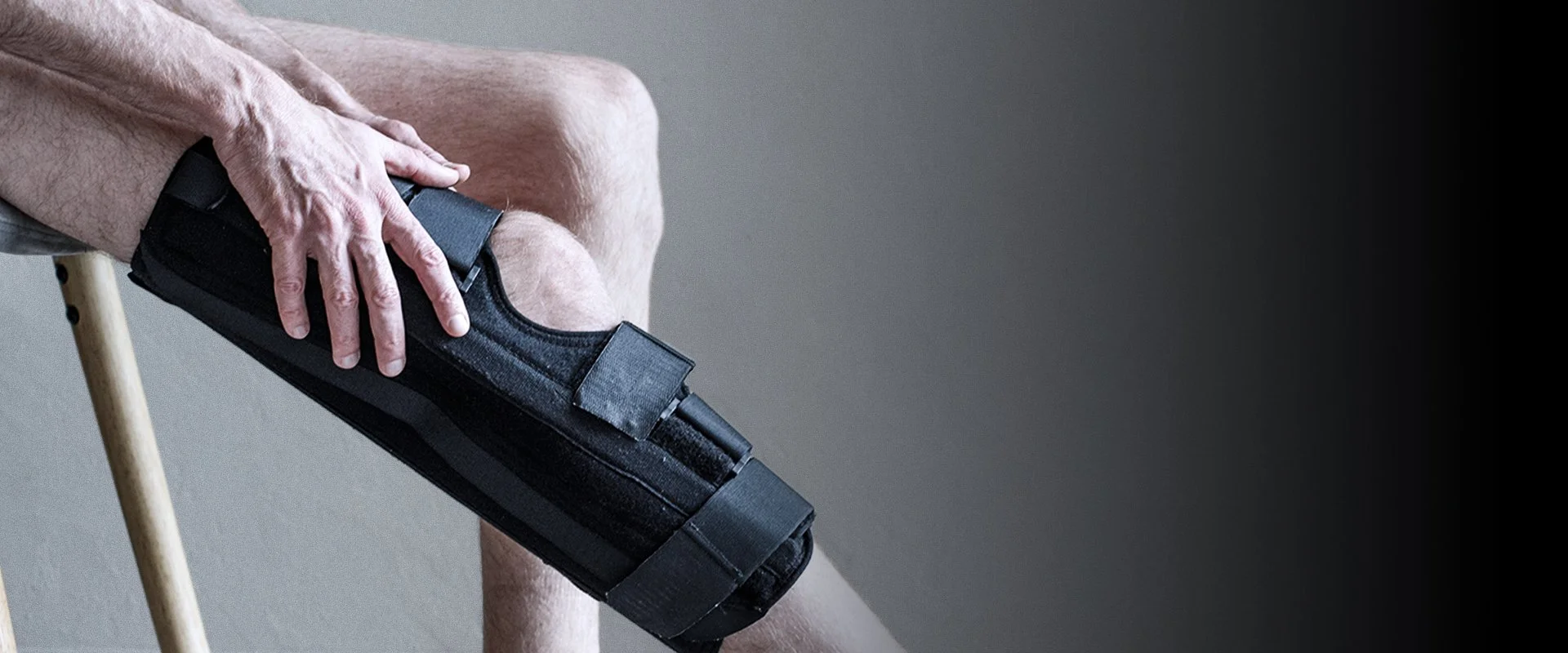
Recovering After ACL Reconstruction Surgery
Recovering After ACL Reconstruction Surgery- ACL sprains or tears are serious injuries. Not everyone who injures their ACL (anterior cruciate ligament) will opt for surgery but the majority of individuals with ACL injuries undergo ACL reconstruction or repair...
ACL reconstruction surgery rehab

What to Expect After ACL Reconstruction
ACL sprains or tears are serious injuries. Not everyone who injures their ACL (anterior cruciate ligament) will opt for surgery but the majority of individuals with ACL injuries undergo ACL reconstruction or repair. If you are an athlete participating in a sport where ACL tears can happen unexpectedly, you may wonder how common this injury is. According to the National Institute of Health, approximately 1 in 3500 people will experience an ACL injury each year.
The ACL is the most commonly injured ligament of the knee, accounting for half of all knee injuries, whereas the posterior cruciate ligament (PCL) accounts for around 5-20% of injuries. Surgical and nonsurgical approaches to ACL tear management exist. Those who opt to forgo surgery in favor of conservative treatment like physical therapy are often called “copers.” The remainder, somewhere around 400,000 people yearly in the U.S., will opt to undergo some type of ACL surgery. ACL reconstruction involves replacing the injured ACL tissue with the patient’s own or donated tissue and is the focus of this article.
UNDERSTANDING ACL INJURIES
The ACL, which stands for anterior cruciate ligament, is one of four major stabilizing ligaments in the knee. The medial and lateral collateral ligaments lie on the inside and outside borders of the knee. The ACL and PCL are positioned within the knee joint. Each of these ligaments plays an important role in limiting motion and providing stability to the knee joint. Disrupt one of these ligaments and the stability of the joint is compromised.
The ACL is a strong band of connective tissue and collagen fibers that extends from the front portion of the tibial plateau (flat aspect of the top of the tibia bone) posterolaterally to the inside of the lateral femoral condyle (end of the thigh bone). The main role of the ACL is to limit anterior translation or shifting of the lower leg bone forward but it also limits some medial and lateral movement and provides some rotational stability.
While ACL injuries can occur during a serious trauma like a car accident, most ACL injuries occur during athletics and under non-contact circumstances. This means that most ACL injuries occur during movements that do not involve contact with another player (though this certainly can lead to an ACL injury). Pivoting on a fixed foot with a bent knee can cause the tibia (lower leg bone) to shift forward and stress the ACL to the point of tearing. A direct hit to the side of the knee can also lead to ACL injury. As you might imagine with these mechanisms of injury, athletes in certain sports are at higher risk for ACL tear than others. Skiers, soccer players, football players and basketball players have the highest incidence of ACL tears.
While other types of injuries can be harder to detect, a tear or sprain to the ACL usually announces itself immediately. Many people remark hearing and feeling a pop in their knee when the injury occurs. It is typically very painful and athletes often need assistance to walk afterwards. Swelling in the knee can develop quickly and individuals may feel like their knee is giving way and have difficulty bending and straightening it fully.
ACL RECONSTRUCTION AND RECOVERY
Most people will undergo ACL surgery to re-establish good stability and control of the knee joint. Without this many people will continue to experience feelings of instability in the knee and they may be unable to resume activities like sports. There are two surgical approaches to ACL injury management– ACL repair and ACL reconstruction. ACL repair is appropriate for partial tears and involves sewing and repairing the patient’s native ligament. ACL reconstruction involves using either the patient’s own tissue or donated tissue to create a new ACL. When the patient’s own tissue is harvested it is called an autograft and surgeons often use part of the patient’s patellar tendon, hamstring tendon, or quadriceps tendon.
Recovery from ACL reconstruction can take as little as 6 weeks to return to daily activities and up to a year or more for athletes to return to their prior level of sport and competition. The risk of reinjuring the ACL is always the biggest concern so working with a PT knowledgeable in ACL reconstruction and return to sport is imperative.
PHYSICAL THERAPY POST-ACL RECONSTRUCTION
Physical therapy for ACL Reconstruction will be individualized to your specific needs but here are some things you can expect during your course of care:
Up and At ‘Em: While you will be given crutches, a walker or maybe even a wheelchair, you will be encouraged to start walking as soon as possible with a goal of returning to full weight-bearing as soon as you can tolerate it.
Ice, Ice Baby: Early use of ice or cryotherapy to minimize swelling and pain is very important after ACL reconstruction. Swelling can limit the return of range of motion and inhibit muscle contractions around the knee.
Range of Motion Rescue: Regaining full passive knee extension and eventually flexion are important early-phase rehabilitation goals but should be managed by your therapist.
Start exercising: Because the risk of tearing the graft is higher in the early phases of rehab you want to follow the guidance and instructions of your physical therapist. Avoiding exercises and positions that stress the graft too early is essential. Isometric exercises which involve activating a muscle without moving the knee joint itself are usually prescribed early on for the hamstrings and quadriceps. Eventually, eccentric training of the quadriceps is added. Active knee range of motion where you move the knee yourself through a limited range can be helpful early on as can closed chain exercises like squats or leg presses where your feet are in contact with the support surface.
Open chain quadriceps exercises where the foot is free to move through space, isokinetic quadriceps strengthening and certain leg extension maneuvers should be avoided in early phases. If this sounds a bit confusing, don’t worry, this is why you work with an experienced physical therapist. Follow their guidance and they will help you keep your graft safe.
NMES: NMES or neuromuscular electrical stimulation is a modality in which electrodes are placed on a weak or inhibited muscle and an electrical current is used to stimulate a contraction. NMES or a Russian Protocol is often used early in ACL reconstruction rehab to stimulate muscle contractions and improve the strength of the quadriceps muscle.
Returning to sport: As you progress through the stages of ACL reconstruction recovery, you will begin to add more exercises that help rebuild strength, stability, neuromuscular control, power, coordination and endurance around the injured leg. Researchers have worked hard to establish better guidelines for when it is safe to return to sport and how to minimize the risk of re-rupture of the ACL graft.
Most athletes take eight or more months to return to sport and should be able to demonstrate good technique and control in a series of sport-specific activities and functional tests like single and double leg hopping and jumping as well as control of dynamic valgus or the tendency for the knee to buckle inward which increases the risk of ACL re-injury and injury to the opposite knee.
SET UP YOUR PHYSICAL THERAPY APPOINTMENTS TODAY
If you’ve sustained an injury to your ACL, it’s time to set up your physical therapy appointments. Physical therapy can start immediately after an ACL injury and resume again after ACL surgery. Schedule an evaluation with a physical therapist at Evolve to help you get on the road to recovery after ACL injury.
Click here to find out more information about rehab for ACL reconstruction surgery
About EvolveNY-

Brooklyn's Premier Holistic Physical Therapy Clinics- There’s physical therapy, there’s training, and then there’s EVOLVE. We use the science of biomechanics merged with fitness to help our patients get better and stay better!
First we evaluate, then we heal, then we strengthen our clients so they can reach their goals, feel better, and live happier lives. We do so by utilizing a range of core techniques and specialized treatments to reduce pain, improve mobility, enhance physical strength and deal with the underlying issues, not just the pain itself.
Multiple Brooklyn Physical Therapy Locations!
1-718-550-3880
https://EvolveNY.com

Getting Ready for ACL Reconstruction
Pre-surgical Physical Therapy For ACL Reconstruction Surgery- The thought of an ACL injury can strike fear in the heart of any athlete, however, a thoughtful and proactive response to ACL injury can lead to better outcomes. For athletes preparing for ACL reconstruction, the question of how to get ready for surgery might be on your mind...
Prehab for ACL reconstruction surgery
Pre-surgical Physical Therapy For ACL Reconstruction Surgery

The thought of an ACL injury can strike fear in the heart of any athlete, however, a thoughtful and proactive response to ACL injury can lead to better outcomes. For athletes preparing for ACL reconstruction, the question of how to get ready for surgery might be on your mind. You may be happy to hear that an active prehab program of physical therapy can prepare your knee and your mind for surgery and might even improve your surgical outcomes. In fact, there is some evidence that participation in an ACL reconstruction prehabilitation program ensures better self-reported knee function up to 2 years after surgery (van Melick N. et al, 2016). In this article, we will talk about what components of rehab may be included in an ACL reconstruction preoperative program.
WHAT PREOPERATIVE FACTORS SHOULD YOU TARGET?
Much research has been done to try and determine what preoperative factors are associated with better long-term outcomes for those undergoing ACL reconstruction. Some factors like age and sex cannot be modified. Other factors, however, such as knee range of motion, quadriceps strength, and level of activity before surgery are associated with positive indicators at one to two years post-surgery and beyond. Researchers continue to work to identify the optimal ACL reconstruction prehabilitation program. Let’s explore some of the goals of preoperative rehabilitation for ACL reconstruction further.
Decrease swelling and restore range of motion: The primary goal of early preoperative management for ACL injury is decreasing swelling (joint effusion) and restoring full passive and active knee range of motion. Regaining knee extension and flexion range of motion is an important goal. Significant swelling often develops immediately after an ACL injury and this can inhibit muscle contractions and motion in the knee. Trouble regaining knee range of motion is one of the more common complications of ACL reconstruction surgery and failing to achieve full range of motion in the preoperative phase is a risk factor for this complication (Quelard et al., 2010, van Melick N. et al., 2016).
Since swelling in and around the joint capsule impairs knee range of motion and can inhibit muscle activation, reducing swelling should be one of the first goals of an ACL surgery prep program. Here are a few methods for managing swelling:
Apply ice to the area for 15 minutes, 3-4 times a day
Elevate the leg above the level of the heart throughout the day
Apply compression with a bandage or compression sleeve
Modify weight bearing as needed to limit an inflammatory response
Start a progressive exercise program: While you might feel like maximizing rest before ACL reconstruction, having a higher preoperative Tegner activity level predicts a better outcome at a minimal follow-up of 22 months after surgery (van Melick N. et al, 2016). Note, the Tegner activity scale is a one-item score that grades activity based on work and sports activities on a scale of 0 to 10.
Goals in this second phase of early post-injury rehab for an ACL tear include maximizing muscle strength, specifically quadriceps muscle strength, and neuromuscular control. Notably, a preoperative deficit in quadriceps strength of >20% was found to have significant negative consequences on self-reported outcomes 2 years after ACL reconstruction (van Melick N. et al, 2016). Having at least 80% return of quadriceps strength compared to the opposite side is important heading into ACL reconstruction but undergoing additional therapy to address impairments in neuromuscular control of the knee and all the joints of the leg may improve functional outcomes two years after surgery (Failla et al., 2016).
Once you’ve attained a “quiet knee” without joint effusion, with full range of motion, and the ability to hop on one leg, progressing toward heavy resistance training and even plyometric exercises has been found to be safe with a low incidence of adverse events and can have benefits that extend years beyond ACL reconstruction (Filbay, S. and Grindem, H., 2019). Those who participate in ACL reconstruction prehab may be able to achieve improvements in single leg hop three months after ACL surgery compared to those who did not, a skill that might assist with return to sport (Carter et. al, 2020).
It is important to consult with a physical therapist who can prescribe and progress a program that is specific to you. Trying to do this on your own may lead to failure to achieve and sustain a “quiet knee” but also may lead to underdosing of beneficial exercises. Let's take a look at examples of exercises that might be included in a 5-6 week preoperative protocol. Please note that these exercises are not necessarily ordered as a progression.
Quad sets: performed in sitting with the injured leg extended in front of you, try and lift your heel as you press the back of your knee into a towel. When possible, try to sustain a contraction of the quadriceps muscle for six seconds. This exercise is great to establish motor control and volitional contraction of the quadriceps muscle.
Straight leg raise: lying on your back, with the injured knee straight, raise the leg up off the table without letting the knee bend then slowly lower it back to the table.
Squats: Starting with body weight, use a mirror as feedback to maintain equal weight through both legs. Progressions of this exercise include adding weight and performing as a single-leg squat or single-leg sit-to-stand.
Knee extension: Initially you may perform this exercise seated in a chair and extending the injured knee to raise the lower leg against gravity. As you gain strength you may progress to adding ankle weights or using a resistance machine.
Single leg balance: Stand on one leg while trying to maintain a level pelvis. Aim to increase the time you can hold this position and vary the surface to a softer or more compliant surface for added challenge.
Perturbation training: these dynamic exercises help to improve the stability of the knee. Most likely starting as a double-leg activity and progressing to a single-leg activity, perturbation training involves withstanding challenges to balance and postural control in multiple planes of movement. They may be performed on a variety of unstable surfaces.
Ready the mind: An additional benefit, one not to be overlooked, is the mental preparation a program like this can offer. Knowing what to expect following surgery and having an opportunity to meet your physical therapist ahead of time can instill confidence and lessen worry.
We hate to see you injured but we're glad we can guide you through your recovery. The physical therapists at Evolve are ready to help even on day one after an injury because the road to recovery from an ACL tear begins right away.
Click here to find out more information about prehab physical therapy for ACL reconstruction surgery
Resources:
Carter, H. M., Littlewood, C., Webster, K. E., & Smith, B. E. (2020). The effectiveness of preoperative rehabilitation programmes on postoperative outcomes following anterior cruciate ligament (ACL) reconstruction: a systematic review. BMC musculoskeletal disorders, 21(1), 647. https://doi.org/10.1186/s12891-020-03676-6
van Melick N, van Cingel REH, Brooijmans F, et al. Evidence-based clinical practice update: practice guidelines for anterior cruciate ligament rehabilitation based on a systematic review and multidisciplinary consensus. British Journal of Sports Medicine 2016;50:1506-1515.
About EvolveNY-
Brooklyn's Premier Holistic Physical Therapy Clinics- There’s physical therapy, there’s training, and then there’s EVOLVE. We use the science of biomechanics merged with fitness to help our patients get better and stay better!
First we evaluate, then we heal, then we strengthen our clients so they can reach their goals, feel better, and live happier lives. We do so by utilizing a range of core techniques and specialized treatments to reduce pain, improve mobility, enhance physical strength and deal with the underlying issues, not just the pain itself.
Multiple Brooklyn Physical Therapy Locations!
https://EvolveNY.com

Does Your Posture Need Retraining?
Is Your Posture Good or Bad? When you view a human from the side profile you can evaluate their skeletal alignment using an imaginary plumb line. Starting at the ear, you should be able to drop an imaginary line down through the top of the shoulder, straight through the hip bone, down the middle of the knee joint and to the lateral ankle bone. In reality, few adults will fit this perfect plumb line because posture, like the rest of the body, adapts and changes over time.
Physical Therapy for Posture Training

Is Your Posture Good or Bad?
When you view a human from the side profile you can evaluate their skeletal alignment using an imaginary plumb line. Starting at the ear, you should be able to drop an imaginary line down through the top of the shoulder, straight through the hip bone, down the middle of the knee joint and to the lateral ankle bone. In reality, few adults will fit this perfect plumb line because posture, like the rest of the body, adapts and changes over time. If you notice that your posture does not align so perfectly when viewed from the side, you might wonder whether you need to fix it and whether it is even possible.
When you think about good posture what comes to mind? Most likely you picture someone sitting on a chair, spine straight, shoulders back, head held high. This certainly is one form of good posture, but is it the ideal posture? If you’ve never been told to “sit up straight and stop slouching” you have probably never been a teenager. We are taught from a young age that “good” posture fits the image described above and the goal is to maintain that posture at all times. Physical therapists followed this dogma for some time but like with all science, with new evidence, our opinions on posture have evolved.
WHAT IS “GOOD” POSTURE?
Posture can be thought of as the position or alignment of the body. We can attain and sustain many different postures–sitting postures, standing postures and postures lying down. Here are two ways we can think about “good” posture.
Straight as an arrow: We can agree that a straight posture aligns your ear over your shoulder, over your hip and so forth. This certainly is one version of good posture and ideally, you could achieve this alignment if you wanted to, but being unable to sit or stand up perfectly straight all the time does not mean you have bad posture.
We have options: More than ever physical therapists have moved away from encouraging their patients to maintain that straight-backed posture at all times and encourage them to change positions throughout the day. Our bodies are meant to move. Changing positions frequently, even into positions that appear slouched or asymmetrical can be comfortable and good for our bodies. Have you ever tried to sit up perfectly straight in a plane seat without reclining it for hours? Not comfortable right? Instead, we might consider having good posture as the ability to move in and out of a straight-backed position through a variety of other comfortable postures.
WHAT IS “BAD” POSTURE?
Let’s agree that expecting anyone to sit or stand up perfectly straight with their shoulders back and eyes straight ahead at all times is unrealistic and not the definition of good posture. It is good, however, if someone can achieve this type of posture at least for a while because it says something positive about the flexibility, strength and control of their bones, joints and muscles. We just don’t expect them to sustain it continuously and encourage people to sit, stand, lie and move through different, comfortable postures throughout the day.
Because the body is pliable and adaptable, changes in bones, joints, ligaments and muscles can cause changes in posture. Sometimes these changes can be easily reversed and sometimes they become more permanent. Someone who sits slouched all the time, for example, might experience changes in the curvature of their spine or the length of their hamstring muscles.
Instead of referring to any posture as “bad,” we discuss postural impairments. An impairment is a problem with the body's physiological functioning or anatomical structure that can limit or prevent a person from performing certain bodily functions. Postural impairments can have unwanted effects which often lead patients to seek out the care of a physical therapist. Let’s take a look at some of these effects:
Pain: Changes in postural alignment can cause pain. If the position or flexibility of the spine, hips, knees or ankles, for example, changes, it can stress and strain tissues and nerves causing pain. Scoliosis is one example of a postural change that can cause pain.
Muscular fatigue: When the skeleton is aligned well muscles do not have to work as hard against gravity to hold you up. As alignment changes, such as when the head begins to push forward in front of the shoulders, suddenly certain muscles have to work harder to hold the head up. This can cause muscular fatigue and pain.
Balance and falls: If posture becomes asymmetrical or flexibility in the pelvis, hips, neck and spine changes, one’s ability to maintain or regain balance can be affected leading to more falls.
Field of vision: An increase in upper back curvature and forward head posture can force the gaze downward. This can affect your field of vision and make it difficult to interact with others in front of you.
Functional impairments: changes in posture can impact one’s ability to perform daily tasks, work duties and recreational activities.
If you are having difficulty moving in and out of a variety of comfortable postures in sitting, standing or lying, it might be time to intervene. Physical therapists are healthcare professionals who address musculoskeletal conditions like postural impairments.
PHYSICAL THERAPY FOR YOUR POSTURE
Physical therapy for postural retraining aims to address postural impairments and combat the effects of those changes. In some cases like scoliosis, leg length discrepancies or thoracic kyphosis (curvature of the upper spine), full reversal of spinal changes is likely not possible. However, with a proper training program and physical therapy intervention, a lot can be done to lessen the pain or discomfort associated with these conditions and minimize the progression of spinal curvature and other changes in posture.
While postural retraining should always be individualized to your needs, here are some interventions for postural retraining that you might encounter when working with a physical therapist:
Stretching and mobility work: Oftentimes changes in posture are accompanied by muscles that are too short and joints that don’t move as well as they should. Your PT program may include stretching, myofascial release techniques, joint mobilization and mobility exercises to address this.
Strengthening exercises: You will learn exercises to help strengthen the postural muscles around the neck, upper back, lower back, abdomen and hips to properly control the spine, arms and legs to hold good posture while you are sitting, standing and performing activities
Movement and Biomechanics training: Learning proper biomechanics and enhancing the neuromuscular control of joints and muscles is an essential component of posture.
Schroth Method for scoliosis: If you have scoliosis, you may benefit from a physical therapy technique called the Schroth Method. This technique has been shown to help stop the progression of scoliosis and has been proven to reduce pain.
While we won’t call your posture bad, if your posture is causing you discomfort or interfering with your daily life, it’s time to take action. Call the team at Evolve Physical Therapy today and schedule an evaluation with one of our physical therapists.
Click here to find out more information about physical therapy for posture
About EvolveNY-
Brooklyn's Premier Holistic Physical Therapy Clinics- There’s physical therapy, there’s training, and then there’s EVOLVE. We use the science of biomechanics merged with fitness to help our patients get better and stay better!
First we evaluate, then we heal, then we strengthen our clients so they can reach their goals, feel better, and live happier lives. We do so by utilizing a range of core techniques and specialized treatments to reduce pain, improve mobility, enhance physical strength and deal with the underlying issues, not just the pain itself.
Multiple Brooklyn Physical Therapy Locations!
https://EvolveNY.com

Strengthen Your Fight Against Osteoporosis With Physical Therapy
Physical Therapy Services for Osteoporosis- Throughout childhood and early adulthood, our bones gradually strengthen until we reach peak bone mass in our 20s. After that, the continual process of bone resorption and renewal begins to skew in favor of faster resorption and slower renewal.
Physical Therapy Services for Osteoporosis

Tackling Osteoporosis the Smart Way
Osteoporosis means porous bone and is a condition wherein bones thin and become weaker and thus more susceptible to fracture. Throughout childhood and early adulthood, our bones gradually strengthen until we reach peak bone mass in our 20s. After that, the continual process of bone resorption and renewal begins to skew in favor of faster resorption and slower renewal. As the process of resorption exceeds the deposition of new bone minerals, two conditions develop, osteopenia and osteoporosis. Osteopenia refers to a reduction in bone mineral density which is less severe than that seen in osteoporosis.
Bone mineral density is assessed via DXA Scan (dual-energy x-ray absorptiometry). This type of scan measures the bone mineral density of any bones but is most often used to assess the spine and hip bones. A T-score for each bone is developed based on the results of the DXA scan of that bone. Osteopenia, as defined by the World Health Organization (WHO), is a t-score between -1 to -2.5, while values less than -2.5 are diagnostic for osteoporosis.
As bone mineral density declines, the risk for fractures increases. Fractures cause pain, loss of mobility, increased need for assistance and elevated fear of falling. Osteoporotic fractures can be difficult to heal and lead to a decline in health from which it is difficult to recover. The personal and social costs of osteoporotic fractures are also high. According to the latest Compendium of Osteoporosis published by the International Osteoporosis Foundation (2019), the 2025 annual projected cost of fragility fractures due to osteoporosis in the U.S. is $25 billion.
Preventing and treating osteoporosis and preventing falls is essential for combating the effects of osteoporosis. Lifestyle modification, medical management and physical therapy are three tools to accomplish this goal. The first step, however, is identifying those at risk for having or developing osteoporosis.
DO YOU KNOW YOUR RISK OF DEVELOPING OSTEOPOROSIS?
Osteoporosis is a silent disease. Bones begin to weaken in the body with few outward signs until an unexpected fall or motion causes a brittle bone to break. There are just two outward signs that you may have osteoporosis. First, if you have lost more than four centimeters (just over an inch and a half) of body height, you should be screened for osteoporosis. Similarly, you should talk with your doctor about a bone density scan if you have developed a stooped or curved upper back.
In the absence of outward signs, you can assess your chances of having osteoporosis by the presence or absence of certain risk factors. Having a risk factor for osteoporosis does not guarantee you will develop the condition, though the more risk factors you have, the more likely you are to do so. Do you know your risk of developing osteoporosis?
Risk factors for osteoporosis are divided into modifiable and nonmodifiable risk factors. As the name suggests, modifiable risk factors can be modified by making lifestyle changes or taking certain actions. Let’s discuss some of these risk factors.
First, dietary habits are a modifiable risk factor. Disordered eating conditions such as anorexia or bulimia, which result in extreme weight loss, can cause low estrogen and calcium intake resulting in rapid bone loss. Having a BMI less than 19 is a significant risk factor for osteoporosis. Even athletes who fail to consume enough calories to accommodate their high activity levels can experience bone mineral density loss. A poor diet that lacks sufficient fruits, vegetables, calcium, fat and protein can also lead to malnutrition and reduce bone density. As we age, our ability to absorb calcium declines. Without sufficient calcium in the diet, our body stores will decline and affect bone density.
Lifestyle habits can also fall under the category of modifiable risk factors. Ingesting more than two units of alcohol per day, for example, increases your risk for fracture and smoking almost doubles your risk for sustaining a hip fracture. Additionally, older adults tend to stay indoors more which decreases their exposure to the sun causing low vitamin D levels. Low vitamin D levels increase your risk for developing osteoporosis. Finally, lack of activity, especially weight-bearing activities can contribute to bone and muscle loss and increase falls and risk for fractures.
Nonmodifiable risk factors are out of our control but are important to understand and recognize. For instance, we cannot change our family history but genetics play a role in developing osteoporosis. Age is also a nonmodifiable risk factor. The older you get, the more likely you are to develop osteoporosis. 75% of osteoporotic fractures occur in adults 65 years and older. Those who have experienced fractures from a minor fall should be screened for osteopenia and osteoporosis.
Next, women, especially women who have been through menopause or had a hysterectomy, are at elevated risk for osteoporosis. The hormone estrogen has a protective effect on bones. Women who undergo a hysterectomy or experience early menopause (<45yo) are at higher risk for developing bone loss due to the rapid loss of estrogen.
Finally, certain medications and diseases can hasten bone loss. For instance, certain endocrine disorders or cancers can increase your risk of developing osteoporosis. Medication intake such as long-term steroid or proton pump inhibitor use can also affect bone density. For a comprehensive list of disease and medication risk factors, check out the International Osteoporosis Foundation website.
WHAT YOU CAN DO TO FIGHT OSTEOPOROSIS
Combating osteoporosis often takes a multi-pronged approach. Addressing modifiable risk factors is an important first step. Next, speak with your doctor about whether calcium and vitamin D supplements are right for you. Depending on the severity of osteoporosis or osteopenia, your doctor may also recommend you begin drug therapy. There are several drugs available on the market that either reduce the destruction of bone or promote the formation of new bone.
Finally, working with a physical therapist is a great tool for treating and preventing osteopenia and osteoporosis. Physical therapists treat these conditions in a few ways:
Fall Prevention: Osteoporosis significantly increases the risk for fractures caused by a fall. Addressing risk factors for falls is an important way physical therapists treat osteoporosis. Interventions to address balance, improve strength in the muscles that help you regain or catch your balance and education on how to modify your environment and use assistive devices to prevent falls is key.
Postural Re-education: Having a strong, well-aligned spine can reduce the risk of spinal fractures as a result of osteoporosis. A series of strength and mobility exercises to improve your posture while educating you on how to protect your spine during movements like lifting heavy items is an important part of a care plan for osteoporosis.
Resistance and weight-bearing exercises: Bone mineral production is stimulated in response to proper loading. Resistance training and weight-bearing exercises have been shown to help increase bone mineral density. Generally, these exercises are performed 2-3x per week as part of an overall fitness program and your physical therapist will ensure that they are just right for your fitness and experience level.
If you have been diagnosed with osteoporosis or osteopenia, there are ways to fight back. If you are looking for help to improve bone density, slow the loss of bone density or prevent fractures, call Evolve Physical Therapy today to schedule an evaluation with one of our team members.
Click here to find out more information about physical therapy for Osteoporosis
About EvolveNY-
Brooklyn's Premier Holistic Physical Therapy Clinics- There’s physical therapy, there’s training, and then there’s EVOLVE. We use the science of biomechanics merged with fitness to help our patients get better and stay better!
First we evaluate, then we heal, then we strengthen our clients so they can reach their goals, feel better, and live happier lives. We do so by utilizing a range of core techniques and specialized treatments to reduce pain, improve mobility, enhance physical strength and deal with the underlying issues, not just the pain itself.
Multiple Brooklyn Physical Therapy Locations!
https://EvolveNY.com

Keeping It Moving With Osteoarthritis
Take Control of Your Osteoarthritis Symptoms! While there are many types of arthritis, osteoarthritis (OA) is the one most familiar to adults. You’ve probably heard a parent or grandparent warn of an oncoming storm as their knee pain worsens. Heck, maybe your own joints forecast a rainstorm as the symptoms caused by osteoarthritis respond to the swings in barometric pressure.
Physical Therapy for Osteoarthritis

Take Control of Your Arthritis Symptoms
While there are many types of arthritis, osteoarthritis (OA) is the one most familiar to adults. You’ve probably heard a parent or grandparent warn of an oncoming storm as their knee pain worsens. Heck, maybe your own joints forecast a rainstorm as the symptoms caused by osteoarthritis respond to the swings in barometric pressure. Osteoarthritis, often referred to as “wear and tear” of the cartilage in a joint, is a type of degenerative joint disease that affects the entire joint, including the bone, cartilage, ligaments, fat and the tissues lining the joint (the synovium).
Osteoarthritis affects many adults and symptoms can interfere with work, recreation, social and daily activities. Treatments for OA include hot and cold therapy, activity modification, over-the-counter pain control medications, bracing, biologic medications, complementary therapies and joint surgery. Physical therapy is also an effective and conservative treatment option to manage symptoms of OA. Let’s learn more about this condition.
A DEEPER LOOK AT OSTEOARTHRITIS
Bony joints are enclosed spaces that allow for movement between the bones. Protective cartilage lines the ends of the bones and allows for smooth movement between the joint surfaces. Synovial tissue lines the joint space and creates synovial fluid which cushions the joint, keeps it healthy and contributes to smooth and comfortable motion. As degenerative changes begin to affect the bones, cartilage, synovium, fat and ligaments, symptoms common to OA begin to develop.
Symptoms of OA include joint pain during or after movement and stiffness that often worsens after a period of inactivity. You may feel tenderness when applying pressure over the joint and notice swelling in the soft tissue nearby. Flexibility or range of motion of the joint may also decrease. You may even feel a grating sensation or hear popping or cracking in the joint when you move it though even healthy joints can make noise sometimes.
OA can happen in any joint but is more common in joints like the hips, knees, spine, and hands. OA typically develops slowly and may worsen over time. It can often be diagnosed via an x-ray, CT scan or MRI which evaluates the integrity of the joint surfaces and joint tissues. It is important to note that the presence of OA does not necessarily mean you will be symptomatic.
RISK FACTORS FOR DEVELOPING OSTEOARTHRITIS
While we can’t predict with certainty who will develop OA, research has identified several risk factors that might increase your likelihood of developing OA:
Age: Though OA can develop due to other processes, the most common type of OA is considered age-related. The risk of developing OA increases with age with individuals typically showing symptoms as they reach fifty years of age and beyond.
Trauma and joint injury: Post-traumatic OA can develop in joints wherein the cartilage, bone or ligaments were previously injured.
Genetics: While you do not inherit arthritis from your parents, you can inherit the susceptibility to developing OA. If your family members have OA you are at increased risk for developing it too. Geneticists studying OA continue to locate genes that play a role in inherited forms of OA. Studies have indicated that certain genes that are responsible for maintaining joint tissues and for forming joints in the first place contribute to the development of OA. Geneticists have mapped around 20% of the heritability of OA which means a lot more work is to be done to completely understand the genetics of OA.
Overuse: While performing a motion and using the same joints over and over can lead to OA, don’t use this as a reason to avoid activities like running. Not everyone who does repetitive movements will develop OA and maximizing things like form and joint mechanics can decrease your risk.
Increased body weight and adipose tissue: Increased body weight can add stress to joints which, over time, may contribute to some wear in joint tissues. Adipose tissue may also release chemicals that contribute to low-level inflammation in joints as well as joint breakdown. This is why obesity is considered a modifiable risk factor for OA.
Gender: Women are more likely to develop OA than men which may be related to differences in sex hormones.
Muscle weakness and musculoskeletal abnormalities: abnormalities in bone or joint structures may hasten the development of OA as can weak muscles that do not adequately support joint alignment
MANAGING OA FOR AN ACTIVE LIFESTYLE
If you are living with OA, you may have found yourself reducing your activity level to avoid feeling discomfort. This seems logical at first glance but finding ways to remain active is essential for managing OA. Here are some tips and tricks to manage symptoms of OA:
Hot and cold therapy: Heat such as a warm shower can help ease joint stiffness while ice or cold therapy can reduce inflammation and pain. Both of these modalities can result in injury if not used correctly though, so make sure they are safe for you before using them.
Healthy Diet: A diet rich in minerals, vegetables, fruits, whole grains, healthy fats and lean meats can reduce inflammation and help manage body weight
Get enough sleep: Lack of sleep can exacerbate inflammation and contribute to perceptions of chronic pain
Learn to stay active: If you’ve noticed how stiff you get after sitting or lying for a while, you can understand how movement can benefit joints affected by OA. Finding the right type of movement is the key to staying active with OA. Here are some tips:
Try low-impact exercises like biking and swimming. Not everyone will need to stick to low-impact exercises but they can be an excellent way for you to stay active with OA while minimizing stress on painful joints
Supplement higher-impact activities with lower-impact ones. Runners out there–if running exacerbates OA pain, try alternating run days with lower-impact exercises to reduce the overall amount of stress on your joints throughout a given week
Find activities that you enjoy and find people to join you! If exercise is not your favorite pastime and you struggle with consistency, finding a buddy to work out with and activities you enjoy is a great idea
Incorporate weight training: weak muscles are more likely to lead to poor joint alignment and increased rubbing and pain in your joints. A regular strengthening routine can help alleviate joint pain
Finally, if you are living with OA and unsure how to stay active or return to activity, our team of physical therapists can help.
Physical therapists are healthcare professionals trained to manage musculoskeletal conditions like OA. Physical therapy has been shown to be an excellent treatment option for managing pain and stiffness, improving flexibility and promoting return to activities in those with OA. If you are interested in learning more about how physical therapy can help your arthritis symptoms, call Evolve Physical Therapy to schedule an initial evaluation today.
Click here to find out more information about physical therapy for osteoarthritis
About EvolveNY-
Brooklyn's Premier Holistic Physical Therapy Clinics- There’s physical therapy, there’s training, and then there’s EVOLVE. We use the science of biomechanics merged with fitness to help our patients get better and stay better!
First we evaluate, then we heal, then we strengthen our clients so they can reach their goals, feel better, and live happier lives. We do so by utilizing a range of core techniques and specialized treatments to reduce pain, improve mobility, enhance physical strength and deal with the underlying issues, not just the pain itself.
Multiple Brooklyn Physical Therapy Locations!
https://EvolveNY.com

Turning Weak Muscles Into Peak Muscles
MUSCLE WEAKNESS 101- Let’s face it, we all know what it feels like to be weak. Whether you have tried and failed to set a new deadlift PR or attempted to lift your leg off the ground for the first time after knee surgery, muscle weakness can happen to all of us. Physical therapists address muscle weakness due to all types of conditions.
Physical Therapy for Muscle Weakness

MUSCLE WEAKNESS 101
Let’s face it, we all know what it feels like to be weak. Whether you have tried and failed to set a new deadlift PR or attempted to lift your leg off the ground for the first time after knee surgery, muscle weakness can happen to all of us. Physical therapists address muscle weakness due to all kinds of conditions. Some people arrive at physical therapy wanting to get stronger after an illness or injury and others have simply weakened after a period of inactivity. Nonetheless, addressing muscle weakness the right way is necessary to ensure success and prevent injury.
Weakness is a relative term. You can be too weak to do a pull-up but strong enough to do everything else in your daily life. You can also be too weak to sit yourself up in bed. Same problem but vastly different implications. The needs of those experiencing muscle weakness can vary dramatically depending on its severity and cause. Let’s explore some of the common causes of muscle weakness followed by an introduction to physical therapy for muscle weakness.
COMMON CAUSES OF MUSCLE WEAKNESS
1. Slacking at the gym
A wonderful thing about healthy muscles is that they respond to stimuli by getting stronger or weaker. Lifting weights two to four times a week following the principle of progressive overload (increasing resistance over time) will inevitably result in stronger muscles in four to eight weeks. But life has a way of messing with our routines and suddenly you find yourself hitting snooze and skipping sessions at the gym. In no time at all you notice you can’t lift the same weights as easily and you see your toned muscles getting a bit smaller. In a way, your muscles have become weak, too weak to move the same amount of weight you could when you were training regularly. Despite feeling weak in the gym, most people experiencing this type of weakness will continue to perform their daily tasks without difficulty.
2. Bedrest or illness
Every day you spend in bed requires at least three to four days to recover due to the negative effects that bedrest has on your muscles, cardio and respiratory systems. When you aren’t up and moving around, muscles can quickly begin to atrophy and the neuromuscular connections between the brain and the muscles start to deteriorate. Add on the effects that illness, injury or surgery can have on your system and weakness can develop quickly. Spend two weeks in a hospital bed and you might not recover your normal level of strength and fitness for at least six weeks.
3. Neurologic injury or illness
Injury to the central or peripheral nervous system can cause varying levels of muscle weakness. The central nervous system (CNS) consists of the brain and spinal cord. The brain and spinal cord house what are called upper motor neurons. When your brain decides to contract a muscle or a reflex movement is initiated at the spinal cord, a nerve impulse travels through the CNS eventually passing into the peripheral nervous system (PNS) and out to a muscle.
Any injury or illness that impacts the brain or spinal cord can interrupt this pathway. If the area of the brain that tells a certain muscle to move is injured or if there is a blockage or interruption somewhere along its pathway in the CNS, the corresponding muscle will not be able to contract normally and sometimes not at all. This can lead to muscle paralysis, weakness, and eventually atrophy. Examples of CNS injuries that lead to muscle weakness include spinal cord injuries, traumatic brain injuries, strokes, multiple sclerosis and .ALS
The peripheral nervous system (PNS) consists of nerves that originate just outside the spinal cord and travel through the face, trunk and limbs to innervate muscles in those areas. Injuries or conditions affecting the PNS prevent nerve signals from traveling normally to the muscles. If the signal is weak, the muscle will not contract strongly. If the signal eventually disappears altogether, the muscle becomes paralyzed. Conditions and injuries that affect the PNS include peripheral neuropathy, spinal radiculopathy, crush injuries to a nerve, nerve palsies and Guillain-Barre Syndrome.
4. Myopathies
Myopathies are a group of diseases that attack the muscles. With myopathies, the nerves that tell a muscle to contract are healthy but the fibers, proteins, enzymes or cells essential for muscle contraction are not. Some myopathies are inherited and others are acquired, or develop later in life. Muscle weakness, cramps, stiffness and fatigue with exertion are common symptoms of myopathy. The muscles closest to the trunk like the thighs and shoulders are most affected. Some myopathies are progressive. These conditions can cause minor weakness but can also lead to severe weakness that affects even the most basic activities of daily living and self-care.
Examples of myopathies include Duchenne Muscular Dystrophy, metabolic myopathies and critical care myopathy.
PHYSICAL THERAPY CAN GET YOU STRONGER
While an uninjured and healthy person may choose to work with a personal trainer or coach to help them reach their strength and fitness goals, physical therapists are healthcare professionals trained to address symptoms like muscle weakness in individuals dealing with illness, injury, disease or disability. If you have been injured or are living with a disability, you may be unsure how to approach strengthening safely and effectively. No need to worry, this is why physical therapists exist! My team of therapists and I will review your medical history, take the time to understand your strength goals and how muscle weakness is impacting your life.
We will create an individualized functional and isolated strengthening program that considers your goals, past medical history and tasks and activities that are salient to you. We can also address pain, flexibility, cardiorespiratory endurance and balance to ensure that you are ready to get back to the activities you need and love to do. By the end of your physical therapy treatment, you should feel confident that you can continue with an exercise program on your own that will help you stay as strong as possible.
If you are dealing with muscle weakness and ready to learn how physical therapy can support you, call Evolve Physical Therapy today to schedule an initial evaluation.
Click here to find out more information about physical therapy for muscle weakness
About EvolveNY-
Brooklyn's Premier Holistic Physical Therapy Clinics- There’s physical therapy, there’s training, and then there’s EVOLVE. We use the science of biomechanics merged with fitness to help our patients get better and stay better!
First we evaluate, then we heal, then we strengthen our clients so they can reach their goals, feel better, and live happier lives. We do so by utilizing a range of core techniques and specialized treatments to reduce pain, improve mobility, enhance physical strength and deal with the underlying issues, not just the pain itself.
Multiple Brooklyn Physical Therapy Locations!
https://EvolveNY.com

We’ve Got The Reconditioning for Your Deconditioning
Physical Therapy for Deconditioning- If you have ever taken a break from consistently exercising, suffered a prolonged illness or spent more time sitting than on your feet, you are probably familiar with how quickly your body loses strength and stamina. We call the changes in the body that often occur during a period of inactivity, generalized deconditioning.
Physical Therapy for General Deconditioning
Don’t Let Deconditioning Get You Down

If you have ever taken a break from consistently exercising, suffered a prolonged illness or spent more time sitting than on your feet, you are probably familiar with how quickly your body loses strength and stamina. We call the changes in the body that often occur during a period of inactivity, generalized deconditioning. The word generalized implies that it affects many body systems rather than only one or two. The heart and circulatory system, lungs, muscles and bones adapt to physical stimuli. When you are more active these systems become more efficient and more fit. When you are less active the opposite occurs. Pretty cool right?
Generalized deconditioning can affect all of us to some degree, and how you correct it depends on the severity and cause. As you will see below, some types of deconditioning are easier to correct than others, and many people can benefit from the support of a healthcare professional like a physical therapist. Most people recognize physical therapists as healthcare providers that treat injuries and we certainly do that, but we also treat many other health conditions including generalized deconditioning.
HOW TO RECOGNIZE GENERALIZED DECONDITIONING
Recognizing generalized deconditioning is the first step in correcting it. As we discussed above, anyone can experience deconditioning. The degree to which these symptoms impact daily life determines its severity. First, let’s review some signs and symptoms that might point to generalized deconditioning.
When you are active or exercising your body recognizes the need to support that activity level. It does this by strengthening your bones, growing stronger muscles, improving the efficiency of oxygen usage and exchange in the respiratory and circulatory systems, and improving the efficiency of your heart (among other things). If you have ever started a running program or a weight lifting routine, for example, you probably noticed these changes beginning to occur after 4-8 weeks of consistent training. Just as the body positively adapts to meet the demands of more activity it will also adapt to less activity.
Those with generalized deconditioning will notice their muscles feel weaker. They do not have the stamina they had before and their heart rate will be higher and breathing more effortful at a lower intensity of activity. They may feel out of breath or need to take breaks more often. The speed at which they perform activities like walking, running or getting out of a chair decreases. Bone mineral density may decline.
Now you may have read the last paragraph and pictured yourself resigned to a couch, unable to do much activity at all. That certainly can be the case, but you may be surprised to learn you have likely experienced some degree of generalized deconditioning already in your lifetime.
HOW SEVERE IS GENERALIZED DECONDITIONING?
Generalized deconditioning can be broken down into three different categories.
Mild deconditioning refers to a decline in your ability to perform your typical levels of exercise like running, lifting weights or cycling. Almost everyone who engages in regular exercise experiences this type of deconditioning. Remember when you tried to start running or swimming laps again after taking a few months off? Despite the loss of strength, stamina or flexibility needed to excel at your sport, mild deconditioning rarely affects your ability to perform your day-to-day activities.
Moderate levels of deconditioning start to affect day-to-day life. You may quickly notice that you need to take rest breaks while cleaning the house or use an electric scooter to do your grocery shopping. You need more help with daily tasks and have given up some altogether. You notice your heart rate is high and your breathing more labored with tasks that had seemed easy beforehand.
When you reach severe deconditioning even basic activities like showering, dressing and sitting up in a chair may become very difficult or impossible. Muscles have atrophied, heart and lung function has declined and it takes a great deal of effort to complete simple tasks.
As you might imagine, an athlete who stops training but continues to do their daily activities will likely only experience mild deconditioning. If that same athlete or someone who has not been exercising suddenly experiences an injury or illness that keeps them in bed or minimally active for a prolonged period of time, they can quickly progress to more severe forms of deconditioning. The worse the deconditioning gets, the more difficult it can be for someone to recover on their own which promotes more inactivity and worsening function.
TIME TO CALL YOUR PHYSICAL THERAPIST
Most people know how to recover from mild deconditioning through exercise and fitness activities. They may benefit from working with a coach, trainer or PT to help them progress to their previous fitness level. Those with moderate or severe deconditioning often need professional help to recover.
The goals of physical therapy for managing generalized deconditioning include some of the following. We help our clients restore normal strength, stamina and cardiorespiratory endurance. We help them maintain or improve flexibility and joint range of motion, restore balance and motor control. Finally, we restore their ability to perform daily tasks with greater independence. These tasks can be as simple as dressing oneself and taking a shower and as complex as attending a family or social event.
Many who experience moderate or severe deconditioning are also dealing with other comorbidities like heart disease, osteoporosis, balance problems, neuropathy, cancer and so forth. These conditions likely contributed to the development of their deconditioning but can also present challenges during recovery. Not only are physical therapists trained in the treatment of musculoskeletal conditions and neuromuscular conditions but we are also trained to help patients regain fitness and function by safely managing the symptoms or implications of many chronic and acute diseases and injuries. Those with heart or lung disease, individuals undergoing cancer treatment, patients recovering from surgery, and many more conditions should feel confident that a physical therapist will understand their unique medical needs and create a rehabilitation program that is safe and effective.
If you are experiencing the signs and symptoms of generalized deconditioning, now is the time to take action. Our team of physical therapists at Evolve can help you safely regain your independence and get back out into the world. Call our clinic today to set up an initial evaluation.
Click here for more information about physical therapy for general deconditioning
About EvolveNY-
Brooklyn's Premier Holistic Physical Therapy Clinics- There’s physical therapy, there’s training, and then there’s EVOLVE. We use the science of biomechanics merged with fitness to help our patients get better and stay better!
First we evaluate, then we heal, then we strengthen our clients so they can reach their goals, feel better, and live happier lives. We do so by utilizing a range of core techniques and specialized treatments to reduce pain, improve mobility, enhance physical strength and deal with the underlying issues, not just the pain itself.
Multiple Brooklyn Physical Therapy Locations!
https://EvolveNY.com

Prioritizing Fall Prevention
Fighting Back Against Falls- When we are children, we fall all the time and don’t think much of it. Whether it is our lower center of gravity or sense of invincibility, falls don’t seem to phase us. As we age though, falls become worrisome and definitely more painful. At a certain time in life they become a downright concern as the rate of injurious falls climbs…
Physical Therapy for Fall Prevention

Fighting Back Against Falls
When we are children, we fall all the time and don’t think much of it. Whether it is our lower center of gravity or sense of invincibility, falls don’t seem to phase us. As we age though, falls become worrisome and definitely more painful. At a certain time in life they become a downright concern as the rate of injurious falls climbs. The financial burden and physical/emotional cost of falls, especially among older adults, are so concerning that the Centers for Disease Control and Prevention began amassing data on falls and developing programs to prevent them. According to the CDC, each year 3 million older adults visit an emergency department because of a fall, and 800,000 of them end up hospitalized, often due to a hip fracture or head injury. Falls are the most common cause of traumatic brain injuries and hip fractures in adults, two injuries that can have serious functional implications for the remainder of life. Worse, as of 2021, data shows us that falls result in death in 78.0 in 100,000 older adults.
In addition to the physical effects of falls, they also confer large financial, social, and emotional burdens. Each year around $50 billion is spent on older adult falls. While much of that is taken care of by insurance companies, individuals can still feel the squeeze on their pocketbook as they pay copays and deductibles for medical care or therapies, purchase equipment or schedule home modifications to deal with the outcome of their fall. Additionally, fear of falling can lead to social isolation and a reduction in overall physical activity, two things that lead to declining overall health status and an even higher likelihood of falls.
So what can be done? It turns out, a lot can be done, and health professionals like physical therapists are leading the way in fall prevention programs and education. Want to learn more about fall prevention and how our team of physical therapists fights back against falls? Read on.
WHAT’S IN A FALL?
Many circumstances can lead to falls. Some are preventable and others are out of our hands. Let’s look at some examples of common causes of falls:
Trips and slips
Walking on uneven terrain
Navigating dark spaces
Losses of balance
Being knocked down by someone else
Legs giving out
Slipping in the shower
Falling down stairs
Falls can indeed happen to anyone at any age. The question to ask yourself after a fall though, is, could it have been prevented? This question is the key to preventing future falls and the framework for how physical therapists approach fall prevention. For example, if you experience any of these medical conditions or symptoms, you may be at higher risk for falling:
Peripheral neuropathy, numbness or tingling in the feet and legs
Muscle weakness in the legs, hips, or trunk
Pain with walking
Orthostatic hypotension
Dizziness or vertigo
Bowel or bladder urgency or incontinence
Physical deconditioning
Spinal radiculopathy
Vision problems
Polypharmacy: the use of 5 or more medications simultaneously
Decreased cognition from conditions like Alzheimer’s or dementia
This list is not comprehensive but gives you an idea of how many people may be in a higher fall risk category. If you have experienced any falls, worry about falls or think you might be at risk because of a health condition, it is time to take action.
PHYSICAL THERAPISTS LOVE FALL PREVENTION
Fall prevention is a top priority among physical therapists. It is so important that the American Physical Therapy Association continues to legislate for policies that support adults receiving physical therapy for fall prevention. An independent cost analysis in 2024 found that “choosing physical therapy to prevent falls over no intervention results in an average net benefit [to the patient] of $2,144 including all the hidden costs of a patient’s time, pain and missed life events; and the dollars paid for the services.”
The best way to lessen the burden of falls is to prevent them in the first place. Whether you have already experienced a fall or not, physical therapy is an excellent option to manage any injuries associated with a fall and prevent future ones. Let’s explore some techniques and treatments physical therapists use to treat injuries and identify and manage fall risk factors.
Assess for fall risk: Physical therapists use outcome measures like balance confidence assessments, strength measurement tools, walking evaluations, and balance tests to evaluate for fall risk. These outcome measures identify areas that a physical therapist can target with their treatment to reduce your fall risk.
Treat fall-related injuries: Physical therapists can treat pain, fractures, strains and sprains, contusions, brain injuries, and other injuries or symptoms caused by a fall
Improve balance: There are many elements of balance and identifying which ones need work is part of significantly reducing your fall risk. Physical therapists can prescribe an individualized balance program that addresses the specific balance impairments you are experiencing.
Strengthen and improve flexibility and endurance: Improving leg and core strength, enhancing overall endurance and addressing areas of muscle tightness are important for reducing falls.
Address dizziness: If you are experiencing any dizziness or vertigo you are at higher risk for a fall but physical therapists trained in vestibular rehabilitation can treat these symptoms.
Prescribing assistive devices: Using an appropriate assistive device like a cane or a walker may be needed to prevent falls. Your physical therapist can help you choose the right one and ensure it fits you well.
Home modification: Sometimes modifications in the home are the most important step to reducing falls. Modifications can include installing grab bars and night lights and removing tripping hazards like rugs.
This is just a fraction of the ways your physical therapist can prevent falls
DON’T WAIT TO GET STARTED ON YOUR OWN FALL PREVENTION PROGRAM
As you can see, there is a long list of ways your physical therapist can build your confidence and prevent future falls. If you have been experiencing falls or are worried you might, now is the time to take action. Our team of physical therapists at Evolve are ready and waiting for your call. Call us today to schedule an evaluation.
Click here to find out more about physical therapy for fall prevention
About EvolveNY-
Brooklyn's Premier Holistic Physical Therapy Clinics- There’s physical therapy, there’s training, and then there’s EVOLVE. We use the science of biomechanics merged with fitness to help our patients get better and stay better!
First we evaluate, then we heal, then we strengthen our clients so they can reach their goals, feel better, and live happier lives. We do so by utilizing a range of core techniques and specialized treatments to reduce pain, improve mobility, enhance physical strength and deal with the underlying issues, not just the pain itself.
Multiple Brooklyn Physical Therapy Locations!
1-718-524-3261
https://EvolveNY.com

Is Degenerative Joint Disease Slowing You Down?
Take Control of Degenerative Joint Disease- Learning that you have degenerative joint disease can sound scary but there is a lot that can be done to manage it. While you may not have heard of degenerative joint disease (DJD) before, it is the most common type of arthritis, a condition most people are familiar with. Degenerative joint disease is characterized by a thinning or wearing down of the protective cartilage that lines the ends of the bones in a joint.
Physical Therapy for Degenerative Joint Disease

Take Control of Degenerative Joint Disease
Learning that you have degenerative joint disease can sound scary but there is a lot that can be done to manage it. While you may not have heard of degenerative joint disease (DJD) before, it is the most common type of arthritis, a condition most people are familiar with. Degenerative joint disease is characterized by a thinning or wearing down of the protective cartilage that lines the ends of the bones in a joint. This wearing of cartilage causes symptoms of DJD like joint pain and stiffness. Physical therapists are experts in the management of musculoskeletal conditions like DJD and participating in physical therapy can help relieve symptoms and improve your ability to participate in daily, work and recreational tasks.
DIVING DEEP INTO DJD
DJD is the most common form of arthritis which affects the cartilage that lines the inside of a joint. The area where the ends of two bones meet is called a joint. The ends of each bone are lined with a protective cartilage that serves several important functions. First, the cartilage provides a smooth, low-friction surface on which the bones articulate and move. Second, the cartilage is responsible for transmitting forces into the underlying bones. When cartilage thins, tears or is damaged, the function of the cartilage becomes compromised and rubbing can occur between the bones.
DJD is typically considered a “wear and tear” condition. This means it often develops over time due to repetitive movements or load through a joint. Take a person who loads trucks for a living. Repetitively lifting and pushing heavy loads overhead into the truck could cause DJD in the shoulder joints. Women, older adults and those with a family history of DJD are also more likely to develop this condition. Because of the mechanism through which this condition often develops, it is most commonly diagnosed in weight-bearing joints like the hips, knees and spine though it can be present in any joint like the hands, feet or shoulders.
When the protective cartilage tears, fissures or wears away, symptoms characteristic of DJD can develop. Symptoms are usually mild in the beginning and slowly worsen. Many individuals with DJD begin to notice pain in the affected joint during or after movement. Pain will typically worsen after a bout of inactivity like going on a long drive or sleeping, periods when joint fluid is not recirculated through joint motion. As the DJD progresses, swelling or tenderness around the affected joint may be noted and you may feel increased stiffness or decreased range of motion in that joint. Finally, grating, popping or cracking noises may be heard when moving a joint affected by DJD though perfectly healthy joints can also make these noises.
HOW IS DJD DIAGNOSED?
Your doctor or physical therapist may suspect you have DJD if you present with the above-noted symptoms in one or more joints. Imaging is the definitive test for diagnosing DJD as it allows for visualization of the cartilage and the surrounding soft tissues. X-rays are used to evaluate the joint surfaces and the joint spaces. Joint space narrowing or signs of unevenness or loss of smoothness along the ends of the bones can indicate cartilage changes. An MRI may also be used to evaluate the bones and the soft tissues around the joints. Finally, your doctor may recommend other tests or bloodwork to rule out any other causes of joint pain or swelling such as rheumatoid arthritis.
GET A MOVE ON
Those with DJD experiencing pain with movement often find themselves avoiding activity. It sounds logical that rest is best when movement causes pain but in fact, the opposite is true. Let’s explore some of the reasons why.
First, when a joint is flexed and moved it stimulates the release of synovial joint fluid. This fluid’s role is to cushion the joint and reduce friction between the bony ends. This fluid is especially important when the joint space is narrowed and cartilage is worn. One of the reasons you may notice increased pain in a joint affected by DJD after resting or sitting for a while is that a stationary joint is not circulating this fluid. Without adequate fluid, the worn and incongruous ends of the bones may be more likely to rub together and irritate nerve endings in the bones. So while resting may avoid the pain of activity, pain may worsen once it is time to get moving again.
Another reason why reducing activity levels can exacerbate DJD symptoms lies in the role that strong muscles and optimal biomechanics play in minimizing joint irritation. Because joint surfaces are no longer smooth and pristine in the setting of DJD, pain and irritation can be minimized or exacerbated based on the strength and flexibility around the affected joint. Those who exercise more can strengthen the muscles around the joint and maximize flexibility which may reduce some of the rubbing between uneven joint surfaces and promote synovial fluid production.
Now that you know that rest is often not the best choice in managing DJD, you may wonder how you can resume activity and exercise if either has worsened your symptoms in the past. The good news is that you do not need to figure out the answer on your own. Your physical therapist can show you the way.
PHYSICAL THERAPY TO MANAGE DJD
After examining the affected joints, assessing your functional mobility and interviewing you about your symptoms, history and goals, my team of physical therapists and I will create an individualized plan of care to manage your symptoms of DJD and get you moving well again. We have many tools and techniques to address common symptoms of DJD.
Pain reduction is a primary goal of therapy and we can achieve this through a multimodal approach. We often utilize modalities and manual therapy techniques like soft tissue or joint mobilization to reduce swelling and stiffness. Muscle strengthening, stretching and motor control exercises are used to optimize the strength, flexibility and control of movement in a joint affected by DJD which can reduce symptoms like pain and stiffness. Physical therapy also emphasizes and trains biomechanics. Performing a movement in the best way possible can reduce the likelihood of joint irritation and a DJD symptom flare.
Finally, we aim to help you resume as many activities as possible. Reintroducing activities with the guidance of your physical therapist can be helpful. We always strive to get you back to your prior level of activities but in cases where that is not possible without some modification, we are here to help advise you on adaptations you can make to help control your symptoms.
CALL TO SCHEDULE A PHYSICAL THERAPY EVALUATION FOR DJD TODAY
Joint injections, surgeries and supplements are all possible treatments to manage the symptoms of DJD but if you have not tried physical therapy you are missing out on a huge piece of the treatment puzzle. Don’t wait until symptoms are unmanageable to begin working with a physical therapist, call Evolve Physical Therapy today to start managing your DJD.
Click here for more information about physical therapy for degenerative joint disease
About EvolveNY-
Brooklyn's Premier Holistic Physical Therapy Clinics- There’s physical therapy, there’s training, and then there’s EVOLVE. We use the science of biomechanics merged with fitness to help our patients get better and stay better!
First we evaluate, then we heal, then we strengthen our clients so they can reach their goals, feel better, and live happier lives. We do so by utilizing a range of core techniques and specialized treatments to reduce pain, improve mobility, enhance physical strength and deal with the underlying issues, not just the pain itself.
Multiple Brooklyn Physical Therapy Locations!
1-718-524-3261
https://EvolveNY.com

Physical Therapy for Balance Disorders
Stopping Falls in Their Tracks With Physical Therapy! Feeling Wobbly? Physical Therapy Can HelpBalance typically follows something like a bell curve as we progress through life. As babies, we have little balance but we practice and practice until we run, stand on one foot and walk on balance beams like champions…
Stopping Falls in Their Tracks With Physical Therapy

Feeling Wobbly? Physical Therapy Can Help
Balance typically follows something like a bell curve as we progress through life. As babies, we have little balance but we practice and practice until we run, stand on one foot and walk on balance beams like champions. Most of us maintain good balance through early and middle adulthood but notice a decline as we enter older adulthood or experience an injury or health condition that impacts the balance systems.
Falls or a reduced sense of balance confidence can quickly lead to decreased participation in social or recreational activities, a lower overall activity level and a fear of future falls. The less active and more fearful we become, the more likely we are to keep falling. So what can be done? A lot can be done to manage balance disorders and working with a healthcare professional like a physical therapist allows you to receive personalized balance training and fall prevention strategies.
WHAT HAPPENED TO YOUR BALANCE?
Balance generally refers to the ability to distribute one’s weight in a way that allows you to sit, stand and move without falling and to recover if you trip or begin to lean. Most of the time we think very little about the complex mechanisms of balance going on behind the scenes in our body. At every moment sensory receptors in the joints, muscles, eyes, and inner ear gather information about the environment around you and how you are positioned and send signals to your muscles to make adjustments that keep you balanced. In a healthy person without a balance disorder, this works most of the time. Sure, we all fall sometimes. We trip on an unseen toy in the living room or slip on some ice but most of the time we stay upright.
Good balance requires a well-functioning sensory system, strong and efficient muscles and a processing system that takes in the sensory information, integrates it and sends signals through the brain and spinal cord to contract the appropriate muscles in the correct way. Anything that impacts one or more of these systems can cause a balance disorder.
Many balance disorders come from abnormalities in the central or peripheral nervous systems. The central nervous system includes the brain, brainstem and spinal cord. An injury to the central nervous system can affect the nerves that transmit sensory and motor information and the areas that process the information. Even in the absence of an injury, the brain can have difficulty processing and integrating sensory information which can lead to a balance disorder.
Peripheral nervous system disorders involve the nerves that travel from the spinal cord or brainstem to the eyes, inner ear, joints, skin and muscles. When there is a problem with these sensory nerves the brain and spinal cord may not receive accurate information about your body position or the terrain around you or under your feet. Because of this, the commands to your muscles may be inaccurate, delayed, or absent which can lead to a fall or loss of balance.
Three sensory systems control most of our balance. Our inner ear or vestibular system is extremely important to our equilibrium. The organs and hair cells that line these organs give our brain and body important information about how our head is aligned and moving through space. Injuries or conditions that affect the inner ear like BPPV, Meniere’s Disease or vestibular hypofunction can cause dizziness, vertigo and a mild to severe sense of imbalance or motion.
Our somatosensory system gathers important sensory information from the muscles and joints about how the body is positioned in space. Sensory input from the hips and ankles, for example, indicate whether the body is leaning to one side or another. Increased pressure on the outside of one foot can tell the brain that the ankle is rolling outward. Similarly signals from the sensory nerves in the neck give information about where the head is turned. Anyone experiencing numbness or tingling in their feet may notice balance becomes more difficult.
Finally, we use our vision to help us detect changes in terrain and to check our alignment against vertical objects in our field of vision. Typically, the vision is used to double-check and verify information provided by the other sensory systems but disease, injury or aging can modify the weighting of these three systems and many older adults become highly reliant on their vision. This can lead to feelings of imbalance, dizziness or falls when they close their eyes, turn their heads or move through low light.
The sensory system is not the only culprit in balance disorders. Muscles can also be a culprit. Even if the sensory system does a great job telling the brain what is going on, weakened or shortened muscles may not be able to make an adjustment that is powerful or quick enough to stop a fall. Add onto this pain in the legs or back, poor endurance, limited range of motion in the legs, and impaired cognition and you have many ways balance can decline.
WHAT CAN WE DO ABOUT IT?
The best way to manage falls and injuries related to falls is to prevent them from ever happening. Nonetheless, if you are already falling much can still be done. Physical therapists are experts in balance and have a deep level of knowledge about the conditions that often cause balance disorders. Working with a physical therapist skilled in treating balance conditions or a vestibular therapist can increase your balance confidence and decrease your likelihood of falls. Rather than trying a generic balance program, your therapist will identify specific impairments causing your imbalance and treat them with an individualized plan.
There are many treatments available to address balance disorders. Strengthening the muscles needed to maintain and recover balance is important. We will address muscle length or range of motion impairments that impact your center of balance or ability to catch your balance. We treat dizziness and vertigo and address vestibular disorders. Optimizing the three balance systems and practicing a wide variety of balance exercises is also included. Finally, we practice fall recovery for the times when a fall can not be prevented and prescribe assistive devices as needed to keep you safe.
Balance is not something to mess around with. Injuries caused by falls have serious physical, emotional, social and financial ramifications, and taking steps to improve your balance as soon as possible is recommended. Our team of therapists here at Evolve are here to better your balance and we are waiting for your call to schedule the iphysical therapy for balance disordersnitial evaluation.
Click here for more information about physical therapy for balance disorders
About EvolveNY-
Brooklyn's Premier Holistic Physical Therapy Clinics- There’s physical therapy, there’s training, and then there’s EVOLVE. We use the science of biomechanics merged with fitness to help our patients get better and stay better!
First we evaluate, then we heal, then we strengthen our clients so they can reach their goals, feel better, and live happier lives. We do so by utilizing a range of core techniques and specialized treatments to reduce pain, improve mobility, enhance physical strength and deal with the underlying issues, not just the pain itself.
Multiple Brooklyn Physical Therapy Locations!
https://EvolveNY.com

Women's Physical Therapy
Giving Special Care to Women’s Health- Women’s bodies are strong and resilient. Taking care of those bodies is the focus of a subspecialty of physical therapy called women’s health physical therapy. This subspecialty of physical therapy was developed to meet the needs of female-identifying clients.
Physical Therapy for Women

Giving Special Care to Women’s Health
Women’s bodies are strong and resilient. Taking care of those bodies is the focus of a subspecialty of physical therapy called women’s health physical therapy. This subspecialty of physical therapy was developed to meet the needs of female-identifying clients. Specifically, women’s health physical therapy was created to encourage more research and training on the assessment and treatment of pelvic floor dysfunction, prenatal and postpartum concerns and other conditions that affect women throughout their lifespan. Most of what we have learned through medical research was gleaned through studies that included only men but women’s health physical therapy aims to help close that gap and provide care that is inclusive and respectful of the hormones, anatomy and physiology unique to female-identifying patients.
GET THE WORD OUT!
If you are learning for the first time that specialty physical therapy care exists for women, you are not alone. Many women put off seeking care for certain conditions and symptoms due to feelings of embarrassment, lack of time or a lack of awareness about our services. When they do bring up their concerns to their healthcare providers some women find that treatments offered to them are limited or inadequate and as physical therapists, we want to spread the word that there is more help out there! In fact, women’s health physical therapists provide respectful, inclusive, evidence-based and supportive health for many of the conditions women may be experiencing. So, let’s dive deeper into the services that women’s health physical therapy provides.
PRENATAL AND POSTNATAL CARE
Pregnancy is a marathon and childbirth is raceday. Whether you deliver your child vaginally or by cesarean section, the body undergoes changes and stress beginning at conception and continuing into the postpartum period, also known as the fourth trimester. Just like a woman often prepares and trains to run a race, they can also do the same for pregnancy, childbirth and the postpartum period. The prenatal or antepartum period refers to the time period leading up to delivery. This is a time in which a woman’s body is undergoing rapid changes in response to a host of pregnancy-related hormones and a growing fetus. Women’s health physical therapists support women through this period in many ways.
First, some women may experience new onset or worsening aches and pains during pregnancy. This can be due in part to pregnancy related hormones which can cause a relaxing of ligaments and other soft tissues or due to the effects of a woman’s growing uterus and the different physical stress it places on the body. A women’s health physical therapist is trained to address these issues with the health and safety of the mother and fetus in mind. Manual therapy techniques, stretching, therapeutic exercises and neuromuscular re-education are utilized to treat pregnancy-related pain.
Diastasis rectus prevention and pelvic floor physical therapy are also aspects of prenatal physical therapy. Women’s health physical therapists also help prepare a mother’s body for labor and delivery. Through careful assessment and prescription of exercises throughout the three trimesters, a mother can feel confident that she is as physically prepared for labor as possible.
In the postpartum period or the fourth trimester, women’s health physical therapists emphasize the importance of addressing lingering health concerns. These concerns can include new or lingering aches and pains. Conditions like De Quervain’s Tenosynovitis, often called “mother’s thumb”, back or SI joint pain or wrist pain can develop from carrying, lifting, feeding and tending to a new baby. It is important to address these concerns quickly and physical therapy can help do so effectively. Pelvic floor dysfunction may persist after pregnancy with issues like pelvic pain or incontinence interrupting daily life. A women’s health physical therapist can evaluate for and treat pelvic floor dysfunction. Finally, assisting in return to physical activity like running and weight lifting after pregnancy is another role of a women’s health physical therapist.
PELVIC FLOOR PHYSICAL THERAPY
The pelvic floor includes the muscles, ligaments and connective tissue that support pelvic organs (uterus, bowels and bladder) and assist with bowel, bladder and sexual functions. While both male- and female-identifying patients have a pelvic floor, women’s health physical therapists have undergone extra training in pelvic floor dysfunction in female-identifying patients. Pelvic floor conditions often go underidentified and women can go long periods of time experiencing symptoms without relief or proper treatment. As physical therapists we aim to educate and normalize these symptoms as something that is not to be ashamed of but something that can be helped!
If you are experiencing any of the following symptoms, you may benefit from working with a pelvic floor physical therapist. Pelvic pain, painful intercourse, low back pain and hip pain, bowel and bladder leakage, constipation, and pelvic organ prolapse are just some of the symptoms and conditions that pelvic floor physical therapists can treat. There are many treatments that can be provided to help with these conditions.
Working with the pelvic floor involves working in sensitive and often private areas. Women’s health physical therapists will explain everything that you can expect ahead of time and will request your explicit consent for each step of the examination and treatment. Not all women will be comfortable with every treatment available and that is ok! Your therapist will meet you where you are in terms of comfort level. Examination and treatment of pelvic floor dysfunction can consist of treatments aimed at both external and internal pelvic tissues. This can include joint mobilization, trigger point release, dry needling and soft tissue or myofascial release techniques. With consent, your PT may access some of the deeper pelvic floor muscles transvaginally or transrectally and may incorporate biofeedback techniques to help retrain the pelvic floor muscles. Exercises to help strengthen, coordinate and relax your pelvic floor and surrounding muscles are often prescribed in the clinic and for at home and education is always included to help you develop good habits to improve your pelvic floor muscle function.
WAIT, THERE IS MORE…
Beyond pelvic floor dysfunction and pregnancy-related care, women’s health physical therapists might address orthopedic concerns and conditions like osteoporosis while treating them through a women’s-specific lens. They are passionate about helping women in all stages of their lives live actively and pain free. If you are ready to learn more about how our therapists can support you and your healing, give us a call today to schedule an evaluation with one of our women’s health physical therapists.
Click here to find out more information on physical therapy for women
About EvolveNY-
Brooklyn's Premier Holistic Physical Therapy Clinics- There’s physical therapy, there’s training, and then there’s EVOLVE. We use the science of biomechanics merged with fitness to help our patients get better and stay better!
First we evaluate, then we heal, then we strengthen our clients so they can reach their goals, feel better, and live happier lives. We do so by utilizing a range of core techniques and specialized treatments to reduce pain, improve mobility, enhance physical strength and deal with the underlying issues, not just the pain itself.
Multiple Brooklyn Physical Therapy Locations!
https://EvolveNY.com
Ultrasound Physical Therapy Services
Have You Heard About Ultrasound? Most people have heard the word ultrasound used to describe the process of viewing a fetus throughout pregnancy, but did you know that ultrasound has many other diagnostic and therapeutic uses? It’s true. Ultrasound is a tool used both to help diagnose injuries or disease and to provide a therapeutic and healing benefit.
Ultrasound Physical Therapy

Have You Heard About Ultrasound?
Most people have heard the word ultrasound used to describe the process of viewing a fetus throughout pregnancy, but did you know that ultrasound has many other diagnostic and therapeutic uses? It’s true. Ultrasound is a tool used both to help diagnose injuries or disease and to provide a therapeutic and healing benefit. Physical therapists are professionals trained in the therapeutic use of ultrasound and more recently, many have begun to incorporate it as a diagnostic tool as well. In this article we will explore both uses of ultrasound in the world of physical therapy.
ULTRASOUND IN PHYSICAL THERAPY
Ultrasound is performed using a transducer that moves along the skin over an ultrasound gel or lotion and that connects to a machine that produces the ultrasound waves. The therapist adjusts the settings in order to treat or visualize tissues at different depths. The use of ultrasound in medicine began during and shortly after World War II. It was initially used as a diagnostic tool and by the mid sixties and onward, the invention of commercially available ultrasound units allowed for much wider dissemination and use. When ultrasound first made its way into the profession of physical therapy it was mostly as a therapeutic treatment. Over time, some physical therapists have received training in how to utilize ultrasound as a diagnostic tool thus expanding the role of ultrasound within the profession. Let’s take a deeper look at both of these applications.
Most individuals are probably familiar with ultrasound as a diagnostic tool wherein an image of the underlying tissue is projected onto a screen. If you have ever watched an ultrasound, especially one performed on a shoulder or ankle, for example, you will realize quickly how much expertise it takes to perform the ultrasound and evaluate the findings. To most people, the ultrasound is simply a grainy black and white image with little discernible anatomy. This is why a physical therapist who utilizes diagnostic ultrasound will have undergone extensive training to use the modality correctly.
Physical therapists use diagnostic ultrasound to evaluate musculoskeletal injuries. For example, they may use it to identify an injury. Physical therapists are commonly looking for conditions like joint effusion, tendon or ligament injury, inflammation or bone fractures. It can also be utilized to grade the severity of an injury or to evaluate how well it is healing. The information gleaned from an ultrasound can also help a therapist determine the best course of action in treating the injury.
Therapeutic ultrasound is another application of ultrasound in physical therapy and one that all physical therapists are trained to use during their schooling. This type of ultrasound uses the properties of mechanical energy to affect the tissues below the transducer. Ultrasound waves can promote healing of local tissues when placed over inflamed, injured or scarred tissues. It can also help resolve an ongoing inflammatory process and facilitate good tissue recovery. Ultrasound is used to treat many different types of musculoskeletal conditions. A physical therapist may choose to use ultrasound to treat conditions like bursitis, tendonitis, ligament sprains or injuries, muscle strains or muscle tears and even frozen shoulder.
THE SCIENCE BEHIND ULTRASOUND
Now that we have reviewed the uses of ultrasound, let’s talk about how therapeutic ultrasound is able to have a healing effect on some tissues. Ultrasound uses mechanical energy in the form of sound waves which are conducted through a hand-held transducer head and then passed through the body tissues. Different frequencies of ultrasound penetrate tissue layers at different depths. In physical therapy, we typically use 1MHz and 3Mhz frequencies to reach deeper and more shallow structures.
When these ultrasound waves enter the body, they are absorbed and attenuated by the tissue layers. Ultrasound creams and gels are used on the surface of the skin to minimize the amount of waves that are lost to the air and maximize the waves that pass through the skin. Different tissue types absorb the ultrasound waves better or worse. Tissues like blood or fat, for example, have worse ultrasound wave absorption capabilities than ligaments, tendons, joint capsules, fascia or scar tissue. Because of this, ultrasound is a great tool to image and treat musculoskeletal conditions.
The effect that ultrasound has on the tissues it penetrates are caused by either thermal or nonthermal effects. Though it is likely impossible to deliver only one of these effects, physical therapists use the settings on their ultrasound machine to maximize one effect over the other. The word thermal is associated with heat. Thermal effects of ultrasound are caused by a warming of the tissues under the transducer head. This warming causes increased blood flow to the local area which can help resolve chronic states of inflammation. Nonthermal effects of ultrasound are attributed to two unique effects caused by the passage of the ultrasound waves through the targeted tissues. These effects are called stable cavitation and acoustic streaming. While your physical therapist will have studied how these processes work, the most important thing for you to know is that these effects are thought to excite the cell membranes in the target tissue and upregulate the cell activities that are involved in tissue healing.
A RELAXING WAY TO HEAL
Ultrasound, whether used diagnostically or therapeutically, is painless and comfortable. The worst part about it is the ultrasound gel squeezed onto your bare skin. After that, the therapist will move the transducer head around to either visualize a structure or treat the tissue below. Therapeutic ultrasound usually lasts several minutes and often is applied over several treatment sessions. You get to relax during this process but don’t get too comfy. Ultrasound can be a helpful modality for the right patient but it is rarely, if ever used in isolation. You can expect ultrasound to be just one part of a comprehensive treatment plan that may include manual therapy techniques, other modalities or therapeutic exercises. Now that you know the uses and benefits of ultrasound, you can ask your physical therapist if this treatment is right for you. To learn more about how we use ultrasound as part of our treatment plans, call Evolve Physical Therapy today.
Click here for more information about ultrasound physical therapy services
About EvolveNY-
Brooklyn's Premier Holistic Physical Therapy Clinics- There’s physical therapy, there’s training, and then there’s EVOLVE. We use the science of biomechanics merged with fitness to help our patients get better and stay better!
First we evaluate, then we heal, then we strengthen our clients so they can reach their goals, feel better, and live happier lives. We do so by utilizing a range of core techniques and specialized treatments to reduce pain, improve mobility, enhance physical strength and deal with the underlying issues, not just the pain itself.
Multiple Brooklyn Physical Therapy Locations!
https://EvolveNY.com

Therapeutic Exercise: Just what The Doctor Ordered
WHAT MAKES EXERCISE “THERAPEUTIC”? We have all heard that exercise is good for us and physical therapists believe so much in this tenet that a good portion of their training and education is focused on exercise prescriptions…
WHAT MAKES EXERCISE “THERAPEUTIC”?

We have all heard that exercise is good for us and physical therapists believe so much in this tenet that a good portion of their training and education is focused on exercise prescriptions. Physical therapists prescribe exercise to almost all of their patients as a means of achieving goals such as improved strength, better flexibility and range of motion and enhanced cardiorespiratory fitness. When these exercises are prescribed to you by a physical therapist, we call it “therapeutic exercise.” You might also perform exercises with a personal trainer to achieve these same goals, so what makes the exercises prescribed by a physical therapist “therapeutic”?
When working with a personal trainer or joining an exercise class at the gym, the aim of your workouts are to build elements of general health and fitness. While physical therapists also work to improve fitness, their scope of practice is much broader. They examine, treat and diagnose individuals with injuries, disabilities and other health conditions throughout their lifespan in order to help them avoid or recover from surgery, avoid prescription drugs, manage their pain, prevent future problems, manage chronic conditions and maximize their mobility. Therapeutic exercises are just one tool in a therapist’s toolbox to manage these conditions but one that is often a cornerstone of the treatments provided to all kinds of patients.
LET’S GET MOVING
As mentioned above, exercise is good for all of us. So good, in fact, that the Centers for Disease Control and Prevention have dedicated an entire portion of their website to educating Americans on the benefits of exercise. According to the CDC, adults should aim for 150 minutes of moderate intensity aerobic activity per week or 75 min of vigorous intensity aerobic activity per week. They should also aim for two or more days of total body strengthening per week. Aerobic training can be broken up into several shorter bouts of exercise throughout the week.
Can’t meet these recommendations? That’s ok! The goal is to move more and sit less and getting any amount of exercise that raises your heart rate in a sustained manner and strengthens your muscles will benefit your health.
MAKING IT THERAPEUTIC
These above guidelines are a great starting point but not everyone is in a place to begin an exercise program on their own. Disease, injury, pain and disability are four conditions that might impact one’s ability to participate in exercise. These conditions are encountered daily by physical therapists and are excellent indications to prescribe therapeutic exercise to help people meet their goals of improving function so that they can be more independently active in their own lives.
As opposed to general exercise, therapeutic exercises are prescribed to address specific impairments like muscle weakness, loss of range of motion, poor aerobic capacity, loss of flexibility and so forth, in the context of patients recovering from injury, dealing with pain, living with disease or disability. Therapeutic exercises help to restore musculoskeletal function in order to improve or maintain general well-being and general function. So, how does a physical therapist determine which therapeutic exercises a specific patient needs?
When you meet your physical therapist for the first time, they will implement several tests and outcome measures that help them identify impairments that contribute to limitations in activities and restrictions in participation in community and household roles. Here are some examples of how therapists use tests to identify impairments in order to guide their therapeutic exercise prescription:
Manual muscle testing: manual muscle testing assesses muscle strength. Muscles that are found to be weak are candidates for therapeutic exercises involving strength training
Goniometry: goniometry is a method of measuring joint range of motion. Impairments in joint range of motion indicate therapeutic exercises like self joint mobilization or stretching are needed
Walking endurance tests (6 or 2 minute walk test): these tests can reveal impairments in walking endurance and indicate a need for aerobic training exercises
Muscle coordination: muscle coordination or motor control tests can indicate the need for therapeutic exercises that work on neuromuscular re-education
With relevant impairments identified, your therapist will develop a program of therapeutic exercises to address these impairments.
WORKING WITH A PT
Since therapeutic exercises are intended to address specific impairments in order to enhance your overall well-being and function, here are some things you can expect when working with a physical therapist:
Technique is very important and you will receive feedback on how to perfect your exercises
Regression and progression: your therapist will observe you performing these exercises to determine if an exercise is too difficult and needs to be regressed or if you are ready to progress to a more advanced exercise
Your therapist will monitor your response to exercise and educate you on what levels of discomfort or fatigue are acceptable during your PT session
These exercises are specific both to the impairments you have but also to the kinds of activities you want to resume–communicate with your therapist about the activities that are important to you so they can individualize your program
Therapeutic exercises are progressive which means resistance, intensity, time, position and speed can be progressed over time to facilitate continued improvements in each impairment
Reassessment and re-testing is performed regularly to monitor the impairments and to help progress your exercise program
You can expect to have a home program of exercises that will complement the work you do in the clinic
GET STARTED ON YOUR THERAPEUTIC EXERCISES TODAY
As you can see, therapeutic exercises are an important part of a physical therapy plan of care and our team of therapists at Evolve take it very seriously. If you are dealing with pain, weakness, difficulty moving or any other impairment, call Evolve Physical Therapy today to schedule an initial evaluation and to learn about all of the tools we have to help you achieve your goals.
Click here to find out more information about physical therapy and therapeutic exercise
About EvolveNY-
Brooklyn's Premier Holistic Physical Therapy Clinics- There’s physical therapy, there’s training, and then there’s EVOLVE. We use the science of biomechanics merged with fitness to help our patients get better and stay better!
First we evaluate, then we heal, then we strengthen our clients so they can reach their goals, feel better, and live happier lives. We do so by utilizing a range of core techniques and specialized treatments to reduce pain, improve mobility, enhance physical strength and deal with the underlying issues, not just the pain itself.
Multiple Brooklyn Physical Therapy Locations!
Myofascial Release: Is it Right For You?
Myofascial Release- Physical therapists utilize many different treatments to address symptoms like pain, tightness, and restricted motion. These symptoms can arise for many reasons and sometimes fall under the chicken or egg paradox when it comes to injury or activity limitations. At times pain or lack of normal tissue mobility leads to changes in activity or injury and other times, it occurs the other way.
Myofascial Release-

Physical therapists utilize many different treatments to address symptoms like pain, tightness, and restricted motion. These symptoms can arise for many reasons and sometimes fall under the chicken or egg paradox when it comes to injury or activity limitations. At times pain or lack of normal tissue mobility leads to changes in activity or injury and other times, it occurs the other way. In either case, if you are experiencing these symptoms you are likely looking for a solution. As physical therapists, we look at the whole body as well as how it moves to determine a course of treatment to address your concerns.
Physical therapy often consists of graded movement and exercise but hands-on techniques are also an important tool in a therapist's toolbox. Manual therapy is one category of treatment in which a therapist uses their hands or other tools to mobilize or manipulate soft tissues or joint tissues to improve their symptoms or address underlying causes. This is many patients’ favorite part of going to physical therapy! While there are many types of manual therapy, myofascial release is a common manual therapy technique that a physical therapist may utilize to address pain and movement restrictions. In this article we will review the history of myofascial release and explore who may benefit from this technique.
FIRST, WHAT IS FASCIA?
To understand the benefits of myofascial release techniques, let’s first get to know the fascia itself. Most of us are familiar with the basic anatomical layers of the body. In the center we have our skeleton, next we have muscles then fat and skin with other tissues like organs existing in the hollow cavities of our body. Fewer people know about another layer of connective tissue that courses throughout the entire body from head to toe, like a web, encapsulating the muscles, bones, nerves, organs and vessels. This layer is called fascia. Where the fascia surrounds a muscle it is referred to as myofascia. This tissue layer contains many important components including immune cells, nerves, fibroblasts and collagen, water and hyaluronic acid.
Four types of fascia exist in the body. The superficial fascia is found directly under the skin and superficial layers of fat. The deep fascia surrounds our bones, organs, muscles, nerves and blood vessels. Visceral fascia surrounds organs like the lungs, heart and abdomen while parietal fascia lines body cavities like the abdomen.
The deep fascial layer that surrounds structures like our nerves, blood vessels and muscles has several roles. First, as was known a long time ago, it stabilizes nearby structures. Second, it helps maintain patency in vessels, separates muscles from one another and imparts strength in the structures it attaches to and surrounds. Even the nerves found mostly in the deeper layers of fascia have an important role. They transmit information about pain, chemical changes, temperature, mechanical changes and joint position.
Fascial layers are complex, and as it turns out, play an important role in the way our body moves and heals. These layers can be negatively affected by both inflammation and trauma. Inflammation and trauma can cause the fascia to tighten and become restricted which can cause pain and impede movement both locally but also farther away in the body. It can also reduce localized blood flow. With a new understanding of fascia, it helped to explain why treatments aimed only at the muscles and joints may not have resulted in a full resolution of symptoms. Therapists had been missing an important piece of the puzzle! With this new information in hand, though, physical therapists became interested in how to affect this important web of connective tissue.
ENTER MR. BARNES
With the understanding that ignoring the fascial layers could result in incomplete resolution of symptoms or injuries, attempts at targeting the fascia began to accelerate. This led to the development of the myofascial release treatment. Popularized by John Barnes, PT, LMT, NCTMB, this gentle manual therapy technique was developed to target the fascial layers. By applying gentle, sustained, low load pressure to the fascia, Barnes found he could elongate the fascia resulting in reduced pain and an improvement in range of motion. When used as part of a comprehensive physical therapy program many patients found relief using this technique.
It makes sense that including fascial work could improve patient symptoms. We know that nerve signals play a large role in acute and chronic pain, resting muscle tension, range of motion and muscle flexibility. We also know that blood flow, fibroblasts and immune cells are necessary for completing the inflammatory process required for healing. All of these structures exist within the fascia so it is reasonable that improving the mobility and function of the fascial layers would have a positive effect on all of these structures resulting in relief of symptoms like pain, tightness and restricted movement.
IS MYOFASCIAL RELEASE RIGHT FOR YOU?
Myofascial release, like all manual therapy, is one piece of the rehabilitation plan of care. By itself, myofascial release may provide short term relief but likely would not lead to the long term results you want. Instead, myofascial release is typically included alongside other techniques like stretching, joint mobilization and therapeutic exercises. It is often prescribed to help treat those with musculoskeletal or soft tissue injuries, those who have undergone surgery or are experiencing pain, movement dysfunction or difficulty performing daily activities. All of these scenarios may indicate a restriction or impairment in your fascia.
Some conditions commonly treated with myofascial release include postural dysfunction, neck or back pain, pelvic floor dysfunction, migraines, post-surgical scar tissue, sports injuries, scoliosis, and fibromyalgia. If you are interested in this technique, you should ask your therapist if they are trained in myofascial release. If your therapist feels you could benefit from the technique as part of your therapy plan of care, it is a great time to get started! If you would like to learn more about our therapists trained in myofascial release techniques, call Evolve PT today to schedule an evaluation.
Click here to find out more information about Myofascial release
About EvolveNY-
Brooklyn's Premier Holistic Physical Therapy Clinics-
There’s physical therapy, there’s training, and then there’s EVOLVE. We use the science of biomechanics merged with fitness to help our patients get better and stay better!
First we evaluate, then we heal, then we strengthen our clients so they can reach their goals, feel better, and live happier lives. We do so by utilizing a range of core techniques and specialized treatments to reduce pain, improve mobility, enhance physical strength and deal with the underlying issues, not just the pain itself.
Multiple Brooklyn Physical Therapy Locations!
https://EvolveNY.com

McKenzie Method and Physical therapy
In the physical therapy world, practitioners and researchers have developed many different treatment methods to address musculoskeletal conditions. Physical therapists take courses to become proficient and sometimes certified in these approaches. One such approach for addressing symptoms in the spine and extremities is the The McKenzie Method® of Mechanical Diagnosis and Therapy® .
The McKenzie Method® for Pain Relief

Have You Heard of the McKenzie Method®?
If you have ever worked with a physical therapist for spine or extremity problems you may have noticed that they use several different approaches to treat your condition.
In the physical therapy world, practitioners and researchers have developed many different treatment methods to address musculoskeletal conditions. Physical therapists take courses to become proficient and sometimes certified in these approaches. One such approach for addressing symptoms in the spine and extremities is the The McKenzie Method® of Mechanical Diagnosis and Therapy® .
The McKenzie Method teaches therapists to categorize their patients into subgroups which then directs their treatment. Many therapists today use the McKenzie Method and this article will introduce the method, describe how it works and why it is popular among therapists today.
HISTORY OF THE MCKENZIE METHOD®
The McKenzie Method® of Mechanical Diagnosis and Therapy® was developed by world-renowned expert physiotherapist, Robin McKenzie. McKenzie developed this method in the 1950s after a patient with radiating right-sided low back pain, which worsened when he extended his spine or bent it backward, experienced an unexpected change and then resolution in his symptoms after he spent several minutes lying on a table that inadvertently held his spine in that extended position. While McKenzie may have inadvertently left one end of the table raised at an angle, it was a happy accident to suddenly discover the patient’s symptoms had improved whereas nothing the week before had given the patient relief. The observation of this change in symptoms, a phenomenon that became known as centralization, led McKenzie to experiment with and observe how other simple movements and positions caused a change in his patients’ symptoms. He continued to help many people with their back pain as he developed the theories and practices that would later become the The McKenzie Method® of Mechanical Diagnosis and Therapy® and then went on to develop the McKenzie Institute in 1982 which has trained many therapists in the McKenzie Method.
The McKenzie Method is somewhat unique in that it aims to provide physical therapists with a method of treating spine and extremity symptoms while also providing patients a method to self-treat. Through therapist and patient-led treatments, the McKenzie Method aims to eliminate the patient’s symptoms, restore full function and prevent symptoms recurrence in the future. While the The McKenzie Method® may have been based on theory and experimentation initially, it has since been backed by quite a bit of evidence. Therapists who use this method use an algorithm to assess the nature of their client’s conditions but are also trained to recognize when referring to another healthcare provider for more assessment or medical treatment is needed.
According to the McKenzie Institute, this technique of assessment and treatment can be applied to nearly all musculoskeletal problems including back, neck and extremity pain, sciatica, sacroiliac (SI) joint pain, arthritis, degenerative disc disease, muscle spasms, intermittent numbness in the extremities and more.
HOW DOES IT WORK?
Like all physical therapists, a Mckenzie Method trained PT will begin with a subjective and objective examination to gain an understanding of what your symptoms are, discover any patterns of symptoms and look out for any signs that would indicate the need for referral to another provider like a physician. During the physical examination, your therapist will ask you about how various movements and positions affect your symptoms. In other words, what makes your symptoms worse and what makes them better. After gathering this information, you will perform movements and motions in different directions and report any changes in symptoms to your therapist. Knowing how your symptoms change and what makes them better or worse allows your therapist to place your condition in one of four subgroups or syndromes that later will direct your treatment.
These four subgroups are derangement syndrome, dysfunction syndrome, postural syndrome and “other.” Patients classified under derangement syndrome typically have a directional preference to their symptoms in which sustaining a certain posture or repeating a movement in a certain direction causes a relevant improvement in their symptoms. Those classified under dysfunction syndrome often have been experiencing symptoms for at least 8-12 weeks and their pain is more likely the result of the deformation of structurally impaired tissues like scar tissue or those that have adaptively shortened. Postural syndrome includes those who experience pain when they sustain a certain posture but their pain improves when they move out of that posture or do a different activity. Finally, those categorized under “other” do not fit as neatly into the other mechanical subgroups.
Each subgroup is treated in its own way which is why it is helpful to categorize patients in the first place. Once the subgroup has been established, your therapist will use the McKenzie treatment method for that subgroup and will teach you how to treat yourself through a series of carefully-prescribed motions and exercises or what the McKenzie Method calls, patient-generated forces. McKenzie found this method of treatment to be superior because it teaches patients how they can treat themselves in the future should their symptoms recur. This makes them less reliant on the physical therapist. In cases where the patient-generated forces are not quite enough to fully resolve symptoms, the therapist can supplement the treatment with a clinician-generated force like a passive mobilization.
LOOKING FOR SOLUTIONS TO YOUR PAIN?
As you can see, the McKenzie Method is an effective treatment approach for spine and extremity pain but it is not the only successful approach used by our team of therapists. Our therapists often have a variety of approaches in their treatment toolbox to help improve your symptoms. If you are experiencing spine or extremity pain and haven’t had success with managing it on your own, working with our therapists can make all the difference. Call Evolve Physical Therapy today to schedule an initial evaluation and take the first steps to pain relief.
Click here to find out more informatin about The McKenzie Method and Physical Therapy
About EvolveNY-
Brooklyn's Premier Holistic Physical Therapy Clinics- There’s physical therapy, there’s training, and then there’s EVOLVE. We use the science of biomechanics merged with fitness to help our patients get better and stay better!
First we evaluate, then we heal, then we strengthen our clients so they can reach their goals, feel better, and live happier lives. We do so by utilizing a range of core techniques and specialized treatments to reduce pain, improve mobility, enhance physical strength and deal with the underlying issues, not just the pain itself.
Multiple Brooklyn Physical Therapy Locations!
https://EvolveNY.com

Digging Deep into Physical Therapy Massage
The Role of Massage in Physical Therapy- There is nothing like a good massage, is there? Many people turn to massages regularly to address tight muscles, release stress and manage discomfort. Some people have them once a year while others make it a part of a regular wellness routine. Though licensed massage therapists are trained in the art of massage, many of our patients seek out this type of treatment when they first come to physical therapy.

The Role of Massage in Physical Therapy
There is nothing like a good massage, is there? Many people turn to massages regularly to address tight muscles, release stress and manage discomfort. Some people have them once a year while others make it a part of a regular wellness routine. Though licensed massage therapists are trained in the art of massage, many of our patients seek out this type of treatment when they first come to physical therapy. This article explores the role of massage as a treatment in physical therapy, how massage by a physical therapist differs from that of a massage therapist and why some physical therapists use this modality only for short periods.
DO PHYSICAL THERAPISTS MASSAGE?
Massage is the practice of using the hands or various tools to reduce general stress, pain and muscle tension. If you’ve had a massage in the past you will notice they tend to address large areas of the body. Most massages include work on the neck and shoulders, the arms and hands, the upper and lower back, hips, legs and feet. When requested, a massage therapist may focus on a specific area of the body but the goal usually remains to address pain and muscle tension in that area. Physical therapists are licensed healthcare professionals with extensive training in the anatomy and physiology of the musculoskeletal, integumentary and neuromuscular systems and who complete a doctorate or masters level of education. Physical therapists treat what are called body structure and function impairments and functional limitations by addressing specific anatomical structures and movement patterns. Typically a physical therapist is treating a specific injury or specific part of the body and their treatment is localized to that area.
When physical therapists perform “massage” it is called soft tissue mobilization as it better describes the practice of using tools or a therapist’s hands to assess soft tissue and then mobilize and manipulate it to restore normal function while also lessening tissue tension and pain. Some of the techniques may feel similar to how a massage therapist works on a specific area but the goals are different.
SOFT TISSUE MASSAGE (MOBILIZATION) IN PHYSICAL THERAPY
Physical therapists utilize their hands or other tools like cups or special instruments to target impairments in soft tissues. As mentioned above, the goal of soft tissue mobilization or massage in physical therapy differs from that of a massage therapist. Physical therapists use massage to restore overall function, reduce pain, reduce or soften scar tissue, reorganize fibers into a more aligned position for optimal tissue function, reduce swelling and edema and lengthen muscles.
Different types of soft tissue mobilization or massage accomplish different goals and target different layers of tissue. Your therapist may use their hands or special tools to push, pull or apply pressure to the muscles and soft tissue. They may use specialized techniques like strumming, direct oscillations, sustained pressure or unlocking spirals to achieve a reduction in tissue tension, promote blood flow and reduce pain.
Specially-designed instruments may be used to mobilize tissues in a practice called IASTM while another technique called strain-counterstrain uses a positional release technique to calm spasming muscles. Cross friction massage is a type of soft tissue mobilization wherein the therapist applies a deep, localized pressure across the direction of the disorganized or healing fibers. This promotes increased blood flow to the area which can help relieve pain and promotes tissue reorganization and remodeling.
Myofascial release techniques target the fascial layers while trigger point therapy uses sustained pressure to target an area of hypertonic muscle fibers. Finally, manual lymphatic drainage is a special type of massage that promotes drainage of lymphatic fluid. As you can see, the practice of massage in physical therapy is quite specialized and aimed at treating very specific impairments in soft tissue.
WHY MASSAGE ISN’T THE ONLY ANSWER
Now that we have spent time discussing all of the great benefits that massage or soft tissue mobilization can have on pain and tissue health, you may be wondering why physical therapists may hold their breath when a patient says that their previous therapist “massaged” them at every visit and it always helped their pain. There is no doubt that massage makes clients feel better. Whether it is the effect of therapeutic touch or modulation of nerve signals, most people feel better after a massage, but it is only one step in the rehabilitation process and not something we want our patients to rely on for long term symptom relief. Each physical therapist approaches treatment in their own way and massage or soft tissue mobilization has an important role to play in the rehabilitation of injuries or reduction in symptoms like pain or tightness, but its effects are also limited when the underlying problem is more complex than general stress or a hard workout over the weekend.
In physical therapy, the symptom reduction and changes in tissues like fascia or muscles caused by soft tissue mobilization or massage is important, but unless it is paired with appropriate loading of the tissues along with education on proper movement form and biomechanics, the effects are often short-lived. Massage is used more often early in the treatment of pain or injury when reducing pain, tightness or stiffness is needed to progress into more movement and to promote tissue healing. Once symptoms are under control or the tissues have responded appropriately to the massage, it is time to get moving and your therapist may not use massage any longer. Don’t despair though! Carefully prescribed exercises where tissues are stretched and loaded with gradual resistance is often what is needed to give you long lasting relief. Your physical therapist will prescribe individualized exercises and movement and possibly other manual therapy techniques like joint mobilizations to keep you moving in the right direction. Getting to this stage is a good sign that you are on your way to even better results.
MASSAGE AND OTHER TREATMENTS
If you are interested in working with one of our physical therapists and have had good success with massage in the past, we encourage you to let us know when we meet for the initial evaluation. This allows us to build an individualized treatment plan that is most likely to succeed in meeting your goals. If you are ready to start feeling better, call Evolve Physical Therapy today to set up an appointment.
Click here to find out more information about physical therapy and massage therapy
About EvolveNY-
Brooklyn's Premier Holistic Physical Therapy Clinics- There’s physical therapy, there’s training, and then there’s EVOLVE. We use the science of biomechanics merged with fitness to help our patients get better and stay better!
First we evaluate, then we heal, then we strengthen our clients so they can reach their goals, feel better, and live happier lives. We do so by utilizing a range of core techniques and specialized treatments to reduce pain, improve mobility, enhance physical strength and deal with the underlying issues, not just the pain itself.
Multiple Brooklyn Physical Therapy Locations!
Looking Into Laser Physical Therapy…
Is Laser Physical Therapy Right for You? There may not be anything cooler-sounding than using lasers to treat your injury. Lasers have played a part in popular culture and in science innovation for a long time but they also have an important role in healthcare. Physical therapists have been implementing laser therapy in their care for quite a while…
Lasers and Physical Therapy
Is Laser Physical Therapy Right for You?
There may not be anything cooler-sounding than using lasers to treat your injury. Lasers have played a part in popular culture and in science innovation for a long time but they also have an important role in healthcare. Physical therapists have been implementing laser therapy in their care for quite a while and it is likely this technology will only advance as science continues to stretch its capabilities. As laser therapy has gained traction in the PT world it is helpful to know what to expect when receiving this type of treatment. In this article we will take a look at the science of lasers, the types of lasers used in physical therapy as well as their effects on body tissues and the conditions they may treat.
LOOKIN’ INTO LASERS
As we look into the effects of lasers, just remember, the effects may be cool to look at, but never look directly into the laser beam itself without the proper eye protection.
Lasers have their place in many industries. Lasers are used to cut dense materials, to play music and video games, to scan barcodes, to perform medical procedures like LASIK surgery and to promote tissue healing. The word “laser” is an acronym. It stands for “light amplification by the stimulated emission of radiation.” Laser light differs from other light in that it consists of the following three properties. First, all the color in a laser is the same, a phenomenon called monochromaticity. Second, all the waves of laser light are in phase with one another, known as coherence. Finally all of the waves are in parallel with one another and do not diverge significantly from one another even over long distances– a property called collimation. These three properties give lasers the power to affect many different substances. Lasers can be tiny such as those in microchips and they can be huge, requiring large buildings to house them.
Physical therapists typically use two types of lasers. Class III lasers, also known as low level lasers, have an output of less than 0.5 watts. These lasers are often referred to as “cold lasers” because they do not produce warmth or heat on the skin. When applied over an injured area, low level lasers are intended to reduce inflammation within hours to days of treatment. It can also provide relief of pain and stimulate tissue regeneration by stimulating the cells needed to build healthy tissues. Conditions like shoulder impingement, jaw issues, neuropathic pain, plantar fasciitis, knee and back pain may respond well to treatment with a cold laser.
Class IV lasers, on the other hand, have a thermal effect and an output of greater than 0.5 watts. These lasers are called high power lasers. The warming up of the tissues by the high power laser is thought to increase the rate of healing in those tissues. When placed against the skin, the laser light penetrates the skin and gets absorbed by the mitochondria (energy producers of the cells) in the immediate area which then promotes accelerated cell function to help normalize the cells it is targeting. This type of laser therapy may be used to treat conditions like tendonitis, bursitis, osteoarthritis, disc degeneration, ligament sprains and more.
During treatment with a laser, the laser is applied carefully to the targeted area for about five to ten minutes. Laser therapy is used in conjunction with other physical therapy interventions to address the underlying cause of injury and help promote long-term healing. Multiple sessions of laser therapy are often recommended to achieve the desired outcome but exactly how many will be determined by your physical therapist. Often modalities like laser therapy are used more frequently early on in your care plan followed by reduced emphasis on modalities and more emphasis on active treatments emerging later on in the plan of care.
SAFETY FIRST
Lasers can be a helpful tool but if misused, can cause injury. Think about how easily laser cutters can slice through hard materials and you will be reminded of the potential power of lasers. Now, it is important to remember that the lasers used in physical therapy are much gentler, however, they should always be used carefully. When administering laser therapy, special goggles are recommended to protect the eyes and it is important that the laser be directed away from the eyes and reflective surfaces and only at the area being treated. Laser therapy should not be used if the patient is pregnant and is typically avoided if the patient has a pacemaker, any hemorrhages or blood clots and local tumors. If you are unsure if laser therapy is safe for you, speak with your therapist and your doctor.
CHOOSING WISELY
As mentioned above, laser therapy may be helpful in accelerating tissue healing and decreasing pain and inflammation in a number of conditions but is not always necessary or indicated. Laser therapy is just one part of a comprehensive physical therapy treatment plan and you should discuss your interest in laser therapy when you meet with your therapist for the initial evaluation. At that time they can advise you on whether they feel you are a good candidate for this treatment technique and how it will fit into the larger treatment plan. If you are experiencing pain or difficulties moving, call our clinic today to learn how our physical therapists can help you by using all the great tools they have in their treatment toolbox.
Click here to find out more information about laser physical therapy
About EvolveNY-
Brooklyn's Premier Holistic Physical Therapy Clinics- There’s physical therapy, there’s training, and then there’s EVOLVE. We use the science of biomechanics merged with fitness to help our patients get better and stay better!
First we evaluate, then we heal, then we strengthen our clients so they can reach their goals, feel better, and live happier lives. We do so by utilizing a range of core techniques and specialized treatments to reduce pain, improve mobility, enhance physical strength and deal with the underlying issues, not just the pain itself.
Multiple Brooklyn Physical Therapy Locations!

Kinesio® Tape 101
The Lowdown on Kinesio® Tape- Taping in rehab became more visible as people around the world noticed athletes like Olympic swimmers and professional volleyball players sporting tan, black or brightly-colored tape on shoulders, knees, and other joints. More than a cool fashion accessory, athletic tape like Kinesio® Tape offers many benefits when used on the right patient. Though there are different types of tape used in sports and rehab, in this article we will introduce you to the concept, benefits and indications for Kinesio® Tape specifically.
The Lowdown on Kinesio® Tape

Taping in rehab became more visible as people around the world noticed athletes like Olympic swimmers and professional volleyball players sporting tan, black or brightly-colored tape on shoulders, knees, and other joints. More than a cool fashion accessory, athletic tape like Kinesio® Tape offers many benefits when used on the right patient. Though there are different types of tape used in sports and rehab, in this article we will introduce you to the concept, benefits and indications for Kinesio® Tape specifically.
ROLL TAPE!
Methods of taping in rehab and athletics have a long history. In 1979, Dr. Kenzo Kase developed a method of taping known as the Kinesio® Taping method. This method of taping was designed to facilitate the body’s natural healing process, provide stability and support to muscles and joints, prolong the benefits of manual therapy and allow for normal ranges of motion. Dr. Kase viewed Kinesio® Taping as an adjunct to other rehabilitation techniques for addressing physiologic dysfunction and rehabilitating injuries. Rehab professionals evaluate their clients’ specific needs and impairments in order to determine the location, shape, direction and stretch of each taping application. In other words, the application of Kinesio® Tape requires thorough knowledge of the client’s case and strong clinical decision-making.
Kinesio® Tape is used by clinicians to address many different medical conditions and impairments. When the tape is placed on the skin, it lifts the skin microscopically forming what are called convulsions, or small spaces beneath the layers of skin which allow for increased lymphatic drainage and a reduction in inflammation. Additionally, depending on the shape, stretch and direction of the tape, it can help re-educate muscles, reduce discomfort, prevent injury and promote good circulation. As research on Kinesio® Tape has continued over the years, an application in many different populations and medical conditions has been discovered. Let’s take a look at some of these.
THE MANY APPLICATIONS OF KINESIO® TAPE
While therapists are often trained in the use of taping methods for rehabilitation while undergoing training in school, many will opt to take continuing education courses to enhance their knowledge and skill level. This gives them in depth training in the application of Kinesio® Tape to different areas of the body and for different conditions.
While the applications of Kinesio® Tape are too numerous to list here, let’s review some of the conditions for which Kinesio® Tape is thought to be helpful. Kinesio® Tape has been used to reduce discomfort and promote healing in overworked muscles and joints, conditions like achilles tendonitis, chronic neck and back discomfort, plantar fasciitis, frozen shoulder, and knee pain. It has been used to support the bellies and backs of pregnant women, reduce discomfort in migraines and reduce pain caused by arthritis. It is often used to support and protect pre-existing injuries in athletes. Finally, Kinesio® Tape is used by therapists to control swelling and edema, facilitate posture and muscle activation in conditions like stroke and cerebral palsy, address lymphedema, and even treat conditions like TMJ and Bell’s Palsy. As you can see, the potential use of Kinesio® Tape is great.
WHAT MAKES KINESIO® TAPE SPECIAL?
Kinesio® Tape produces several different lines of tape, each with their own special properties. For instance, Kinesio Tex Classic was designed for multi day wear and to withstand participation in sports and events. The Light Touch+ tape, on the other hand, was designed for single day use and is more breathable and comfortable. This type of tape was designed for use in those with sensitive skin like the pediatric or geriatric population or for use on the face. Each line of Kinesio® Tape is designed to function in a special way. There is even a line of tape specifically designed for use in canines and another for use in equines.
If you are looking to buy rehab or athletic tape online you will quickly notice that there are many types and brands of tape. The properties of the tape determine how it affects the body so it is important to ask your therapist what type of tape you should use before purchasing it yourself. Kinesio® Tape has several unique properties that make it useful in many clinical and athletic situations. First, this type of tape is made of medical grade acrylic adhesive with 100% cotton fibers or cotton/polyester mix. It is also latex free and hypoallergenic so those who are more sensitive to fabrics and adhesives are more likely to tolerate Kinesio® Tape. Second, this tape is water resistant and has multi day wear capabilities which means your therapist can apply the tape at your appointment and you can wear it for several days through normal hygiene and recreational activities. This allows for a prolonged therapeutic effect. Alternatively, for those with more sensitive skin, a lighter and more breathable line of tape exists for single day use.
Unlike the tape you use to secure a box for the mail, Kinesio® Tape is elastic. The elasticity of the tape mimics the elasticity of your skin so wearers do not feel their range of motion is being restricted. Additionally, the elasticity of the tape allows clinicians to apply it in a way that helps stimulate or relax muscles and promote the movement of fluid.
TAPING IS ALL I NEED…RIGHT?
Like most tools in the therapist’s toolbox, Kinesio® Taping is a modality that should be used as part of a larger rehabilitation program. Your physical therapist will speak with you about how long and how often they plan to use this modality during your care but rarely is it the only intervention used. One of the goals of the Kinesio Tape, however, is to facilitate recovery and shorten the amount of time needed for rehabilitation. It is likely that this modality will be combined with treatment like hands on manual therapy as well as therapeutic and neuromuscular re-education exercises.
Individuals can purchase Kinesio® Tape on their own and without the guidance of a medical professional. It is a good idea, however, to first work with one to determine exactly how to apply the tape to address your specific concern. As we have discussed above, there are many different types of tape and ways to apply the tape and your success and safety will depend on applying it in the right manner.
FINDING A THERAPIST TO HELP
At Evolve Physical Therapy, many of our therapists use Kinesio® Tape as a part of their care plans. If you are dealing with any kind of pain, discomfort, musculoskeletal injury or neurologic injury and are curious about how physical therapy and Kinesio® Taping can help you, call our clinic to schedule an initial evaluation today.
Click here to find out more information about physical therapy and Kinesio tape
About EvolveNY-
Brooklyn's Premier Holistic Physical Therapy Clinics- There’s physical therapy, there’s training, and then there’s EVOLVE. We use the science of biomechanics merged with fitness to help our patients get better and stay better!
First we evaluate, then we heal, then we strengthen our clients so they can reach their goals, feel better, and live happier lives. We do so by utilizing a range of core techniques and specialized treatments to reduce pain, improve mobility, enhance physical strength and deal with the underlying issues, not just the pain itself.
Multiple Brooklyn Physical Therapy Locations!
IASTM- A Hands Off Approach to Injury
If you have been in a physical therapy clinic before you probably noticed that physical therapists have a lot of tools and equipment. Some equipment is used to help patients perform exercises while others are modalities that promote healing. Many of the tools that therapists use to promote tissue healing fall under a category called IASTM which stands for instrument assisted soft tissue mobilization.
Treating Pain & Tissue DIscomfort with IASTM

If you have been in a physical therapy clinic before you probably noticed that physical therapists have a lot of tools and equipment. Some equipment is used to help patients perform exercises while others are modalities that promote healing. Many of the tools that therapists use to promote tissue healing fall under a category called IASTM which stands for instrument assisted soft tissue mobilization. Basically this means that instead of working on tissues with their hands, the therapist employs a handheld tool to do the work for them. There are many types of tools used in IASTM as well as indications for using this treatment technique. As a patient, it is always a great idea to be educated in the treatments available to you, so, let’s dive deeper into the world of instrument assisted soft tissue mobilization.
WHY DO TISSUES NEED TO BE MOBILIZED?
Our body is made up of many types of tissues. Fat, muscles, tendons, ligaments, fascia, nerves, blood vessels, lymph tissue and connective tissue are all examples of body tissues that can be affected by injury or disease. When disease or injury affects one of these tissues it can impact the way that it functions, a consequence that can have large impacts on the body. For example, when lymphatic tissue has trouble draining, a person can experience lymphedema, a pooling or accumulation of lymph fluid in a body area. When tendon tissue becomes misaligned or disrupted, chronic tendon pain may be experienced when a muscle is contracted. We can apply this reasoning to all types of tissues.
Scar tissue and other fascial restrictions and soft tissue impairments can not only restrict movement but have larger effects on the nervous system. They alter sensory perception in the tissue which can induce a cycle of centralized pain in the body. In many of these cases the presence of pain does not actually signal the presence of injury but the nervous system becomes stuck in a cycle of perceived pain which then alters the body's movement and motor output. One goal of IASTM is to alter the abnormal sensory input and interrupt the pain cycle to allow the person to restore normal movement. Another goal is to induce an inflammatory response via microtrauma to the tissue that helps usher in the cells that break down injured tissue and build healthy, more organized tissues.
Attempts to “normalize” or heal these disrupted tissues have been in place for centuries. Massage, for example, is a tissue mobilization technique, albeit a generalized approach. Therapists use their hands to mobilize the soft tissues of a body region when treating a patient with an injury. In more recent years, however, innovative bodyworkers, researchers and therapists have been developing even more specialized tools that can affect tissues when used in a specific manner. These tools are proposed to have both local effects on the fibers and structure of the tissue being mobilized but also on the nervous system and how it sends and receives signals to the area.
Both of these outcomes can facilitate reduction in symptoms like pain, tightness, scarring, restricted mobility and more.
LET’S BREAK IT DOWN
Let’s dive a little deeper into the term IASTM by breaking down each of the terms:
(IA) Instrument-assisted: this means that the therapist is using a hand-held instrument to assist them in mobilizing or treating tissues
(ST) Soft tissue: soft tissue refers to a number of structures in the body from muscles and tendons to fat and connective tissue
(M) Mobilization: generally refers to techniques of stretching, friction, decompression and deep pressure applied to tissues
There are quite a few different tools that fall under the category of IASTM but let’s take a look at some of the more common ones:
Graston® Technique tools, which are made of stainless steel and have beveled edges and contours to better match the contours of the human body, are commonly used by therapists. Therapists use these tools to apply pressure to an area of impaired tissues and by scraping the tool along this area they attempt to mobilize facial restrictions and alter the nervous system activity that can cause a cyclical pain response. A special hypoallergenic massage cream is usually applied first to the area to reduce friction and improve patient comfort.
Gua Sha is an ancient technique thought to originate from ancient China and Southeast Asia wherein a handheld tool is used to scrape along the skin and induce small petechiae. Therapists sometimes use these tools in a manner similar to Graston® Technique tools or to induce an inflammatory response in tissues that can then induce a normal and complete healing cycle.
Cupping, also known as myofascial decompression, is another tool borrowed from ancient medicinal techniques. Modern day cups are often made of plastic or sometimes glass and with a special tool are suctioned to the skin and layers of tissue below. Physical therapists trained in this modality will place a limited number of cups over an area of fascial restriction. Patients will often perform active movements of that body segment which allows for decompression of the fascia, a temporary reduction and then increase in blood flow and a subsequent inflammatory response.
Hawkgrips, Rock Tape, FASCIQ and Myogrip are just a few of the brands that also make their own IASTM tools.
DO YOU NEED IASTM?
Great question, and the answer is…maybe! There are many instances when an individual can benefit from the application of IASTM but it is best to leave it to the experts to determine when that is. Physical therapists are trained to apply these techniques safely as too much pressure or repetition of IASTM can be counterproductive or even injurious. If you are experiencing pain or injury you should ask your therapist about the possibility of incorporating these tools into your treatment plan. Our team at Evolve Physical Therapy would love to discuss with you how we use our diverse toolbox to approach pain and injury. To learn more about our services, call today!
Click here for more information about IASTM physical therapy
About EvolveNY-
Brooklyn's Premier Holistic Physical Therapy Clinics- There’s physical therapy, there’s training, and then there’s EVOLVE. We use the science of biomechanics merged with fitness to help our patients get better and stay better!
First we evaluate, then we heal, then we strengthen our clients so they can reach their goals, feel better, and live happier lives. We do so by utilizing a range of core techniques and specialized treatments to reduce pain, improve mobility, enhance physical strength and deal with the underlying issues, not just the pain itself.
Multiple Brooklyn Physical Therapy Locations!
https://EvolveNY.com

Are You Taking Charge of Your Wellness?
The terms health and wellness, while similar, are not interchangeable. Health, according to the World Health Organization, refers to a state of complete physical, mental, and social well-being and not merely the absence of disease, or infirmity. Wellness is defined as an active process through which people become aware of, and make choices toward, a more successful existence.
WHAT IS HEALTH AND WELLNESS?

The terms health and wellness, while similar, are not interchangeable.
Health, according to the World Health Organization, refers to a state of complete physical, mental, and social well-being and not merely the absence of disease, or infirmity
Wellness is defined as an active process through which people become aware of, and make choices toward, a more successful existence.
PHYSICAL THERAPY IS NOT JUST FOR TREATING INJURIES
Unless you never go online or watch TV, you are familiar with the explosion of health and wellness tricks, tips, gimmicks and gadgets being advertised everywhere. While some of this advice has merit, it can be difficult to know where to start. When it comes to physical health and wellness, it is a good idea to work with a professional who can tailor a program to meet your specific needs. Physical therapists, while often known as injury experts, also play an important role in promoting and achieving health and wellness for their clients. If you haven’t been diagnosed with an injury and you aren’t experiencing pain, you may wonder how working with a physical therapist can benefit you and help you achieve your goals of living a healthier lifestyle.
PHYSICAL THERAPISTS PROMOTE HEALTH AND WELLNESS
When you work with a physical therapist for any reason they are thinking about many facets of your health. For example, when you are working with a physical therapist to treat an ankle sprain, they are not just considering the health and status of your ankle. They are also looking at how the skin or integumentary system is functioning, at your cardiovascular and respiratory system as it relates to how much physical activity and exercise you can tolerate, at your social emotional state and how that may create barriers or success in meeting your goals.
This skill uniquely positions physical therapists to assist their clients in taking an active role in their health, especially when it comes to physical activity and other healthy lifestyle choices like sleep and stress management. While there are other professionals that also offer these services, here are some reasons why choosing to work with a physical therapist is a smart choice:
If pain or injury is a barrier to getting more physically active, a physical therapist can help address and treat these symptoms while assisting you to increase your activity level
If you have a medical condition that has contributed to weakness, deconditioning or mobility impairments, your physical therapist will know how to adjust an exercise and wellness plan to keep you safe and help you succeed
A physical therapist can work closely with your doctor or other healthcare providers, if needed, to individualize a program that takes into consideration your health history
Your social, emotional and financial situation is just as important as your physical well being and a PT is trained to look at all aspects of your life to help you be successful
At physical therapy, the goal is to get you to a place where you feel empowered and ready to continue an active and healthy lifestyle without us. We will give you tools to do just that
WHAT HEALTH AND WELLNESS TREATMENTS ARE AVAILABLE TO PHYSICAL THERAPY CLIENTS?
General health and wellness treatments are available to all of our clients, even those who do not have a specific injury that needs to be rehabilitated. If you are interested in taking action to become more physically active and healthy, my team at Evolve is here to help. When our clients work with us, we empower them to become an active participant in improving their general health and making choices that support a happy and successful lifestyle. These are just some of the facets of health and wellness we address in physical therapy:
INJURY REHABILITATION
From small injuries to large injuries, physical therapy can help you recover the right way and improve your overall health.
INJURY PREVENTION
While physical therapists are injury rehabilitation specialists, we love to teach our clients the tools to prevent them in the first place.
CARDIOVASCULAR AND RESPIRATORY HEALTH
Heart and lung disease are serious causes of morbidity and mortality and while physical therapy cannot cure these conditions, it can help you safely and confidently return to a higher level of activity. If you are experiencing diminished cardiovascular and respiratory fitness, PTs can help you safely begin and progress an exercise program that should improve your ability to be active and participate in daily activities.
STRENGTH, MUSCLE MASS AND BONE DENSITY:
Loss of muscle mass, strength and power can lead to a sharp decline in function which can result in even greater levels of inactivity in addition to a greater reliance on assistive devices like walkers and wheelchairs and on family and care persons to assist us. As muscle mass declines, so often does bone density which can put a person at risk for serious fractures in case of a fall.
Physical therapy is an excellent option to rebuild muscle mass, strength and power in those that are unsure of where to start or how to progress. Similarly, our team of PTs can teach you how to exercise in a way to prevent this loss in the first place.
MOBILITY
No matter whether you walk on your own, use an assistive device like a cane or walker or propel yourself in a wheelchair, maximizing safety and independence with mobility is a goal of physical therapy for optimal health and wellness. Similarly, getting off the floor on one’s own, getting out of a chair without help and getting in and out of the bed, shower or car are other great mobility goals that physical therapy can address.
ACTIVITY PARTICIPATION
Being able to participate in the activities you love is an important aspect of wellness as well as physical, social and emotional health. If you have an injury, health condition or mobility limitation that is impacting your ability to participate in your favorite activities, physical therapists are an excellent resource.
THE TIME TO TAKE ACTION IS NOW
We hope you now realize how diverse the services of a physical therapist actually are. We love to help you live a pain and injury free lifestyle but even more, we want you to live a happy and healthy one. If you are looking for help addressing some of these areas in your life, our team of physical therapists is ready to support you. Call to learn more about our health and wellness programs and to get started with a physical therapist, today.
Click here to find out more information about our physical therapy and health and wellness programs
About EvolveNY-
Brooklyn's Premier Holistic Physical Therapy Clinics- There’s physical therapy, there’s training, and then there’s EVOLVE. We use the science of biomechanics merged with fitness to help our patients get better and stay better!
First we evaluate, then we heal, then we strengthen our clients so they can reach their goals, feel better, and live happier lives. We do so by utilizing a range of core techniques and specialized treatments to reduce pain, improve mobility, enhance physical strength and deal with the underlying issues, not just the pain itself.
Multiple Brooklyn Physical Therapy Locations!
https://EvolveNY.com
